Like
Share
멍실장
고양이 구강 스케일링·치석 제거술 증상과 원인, 진단·치료와 관리 포인트 총정리

Feline Dental Scaling and Tartar Removal: Symptoms, Causes, Diagnosis, Treatment, and Care Essentials

Oral HealthDiseasesMeongsiljang Veterinary Advisory Board

Feline dental scaling is essential because tartar buildup can lead to periodontal disease. Regular scaling and oral care are necessary to maintain your cat’s dental health.

What Is Feline Dental Scaling and Tartar Removal?

A cat under anesthesia receiving dental scaling with the assistance of a veterinarian.
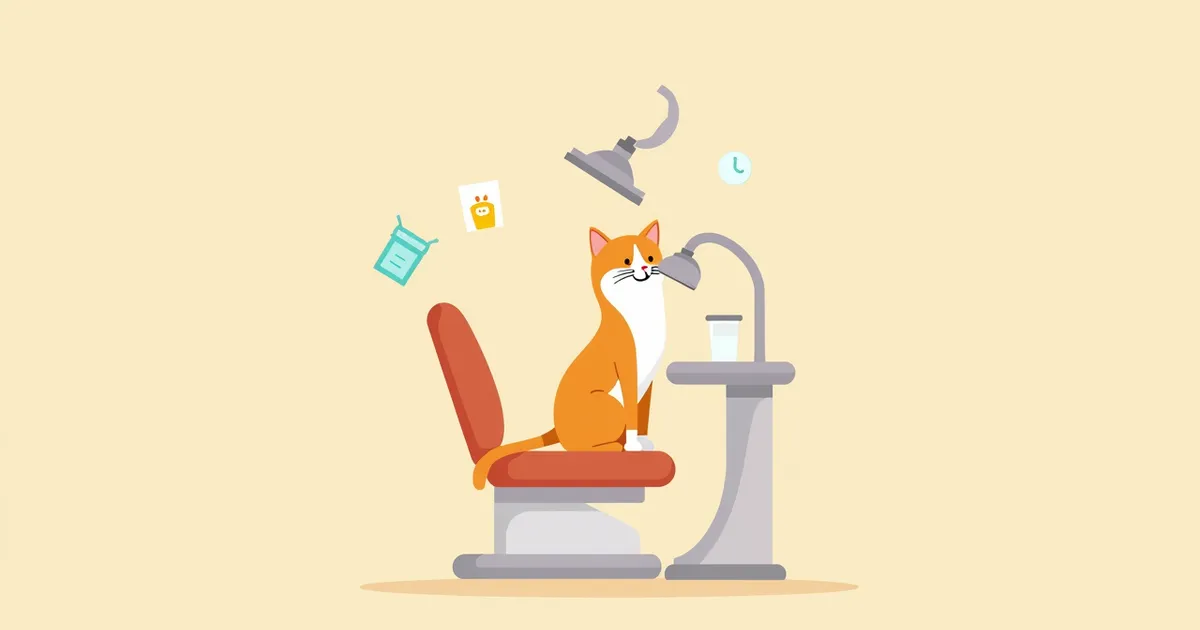
Feline dental scaling and tartar removal is a specialized treatment process that eliminates tartar buildup on the tooth surfaces and beneath the gumline (in the gingival sulcus), while also cleaning the periodontal tissues. This procedure is performed under general anesthesia, which allows for a thorough evaluation and cleaning of deep gum areas and tooth roots using periodontal probes and dental radiographs (X-rays). Tartar and plaque cause gingival inflammation (gingivitis), and if left untreated, can progress to more severe periodontitis. As periodontitis advances, it can lead to severe bad breath, destruction of periodontal tissues and alveolar bone, and ultimately tooth mobility or loss. Regular scaling and polishing are essential for maintaining oral health and preventing complications. However, the frequency of examinations and professional cleanings varies depending on the individual cat’s condition; cats prone to rapid tartar accumulation or those with existing periodontal disease may require more frequent visits, so please consult your veterinarian to determine the appropriate schedule.

What Are the Main Causes of Tartar Buildup?

- Diet: Feeding primarily soft or wet food can promote plaque buildup on the teeth. Using foods or treats designed to mechanically and chemically reduce plaque and tartar can be helpful. - Poor dental hygiene: If plaque is not removed through brushing, it combines with minerals and hardens into tartar. - Individual variation: The degree of plaque and tartar accumulation varies from cat to cat. - Advancing age: Acquired dental diseases become more common as cats get older. - Plaque accumulation: Plaque forms daily, so if left untreated, it quickly turns into tartar. Since this process usually progresses without obvious symptoms, it is important for owners to carefully monitor their cat’s oral health and schedule regular veterinary check-ups.
The image shows tartar buildup on the maxillary lateral teeth of a cat.

What Are the Key Symptoms Indicating the Need for Tartar Removal?

Periodontal disease often progresses without obvious outward signs, so by the time you notice the following symptoms, the condition may already be moderately advanced. This is why regular observation and routine veterinary check-ups are essential.
Persistent bad breath: Advanced periodontal disease can cause halitosis. This isn’t just an unpleasant odor—it may signal inflammation around the teeth.
Pain or discomfort around the mouth: Your pet may hesitate to open its mouth fully or show difficulty chewing and swallowing due to pain.
Excessive licking or pawing at the mouth: Repeatedly licking the mouth area, pawing at the face, or drooling can indicate oral pain.
Gum bleeding: Bleeding from the gums during brushing or probing is an early sign of periodontal disease. If left untreated, the gums may become swollen, and teeth can loosen or fall out.
If you notice any of these symptoms, please consult your veterinarian immediately.
A cat with severe bad breath and frequent lip-licking behavior

Emergency Signs Requiring Immediate Veterinary Visit

If your cat is bleeding from the mouth, unable to open its mouth due to pain, or has gone more than 24 hours without eating, please visit a veterinary clinic immediately. These symptoms may indicate serious conditions such as advanced periodontitis or pathological jaw fractures. Delaying treatment can lead to tooth loss or the spread of infection to surrounding tissues, so it is crucial to seek veterinary care as soon as possible.

Diagnostic Methods for Accurate Diagnosis
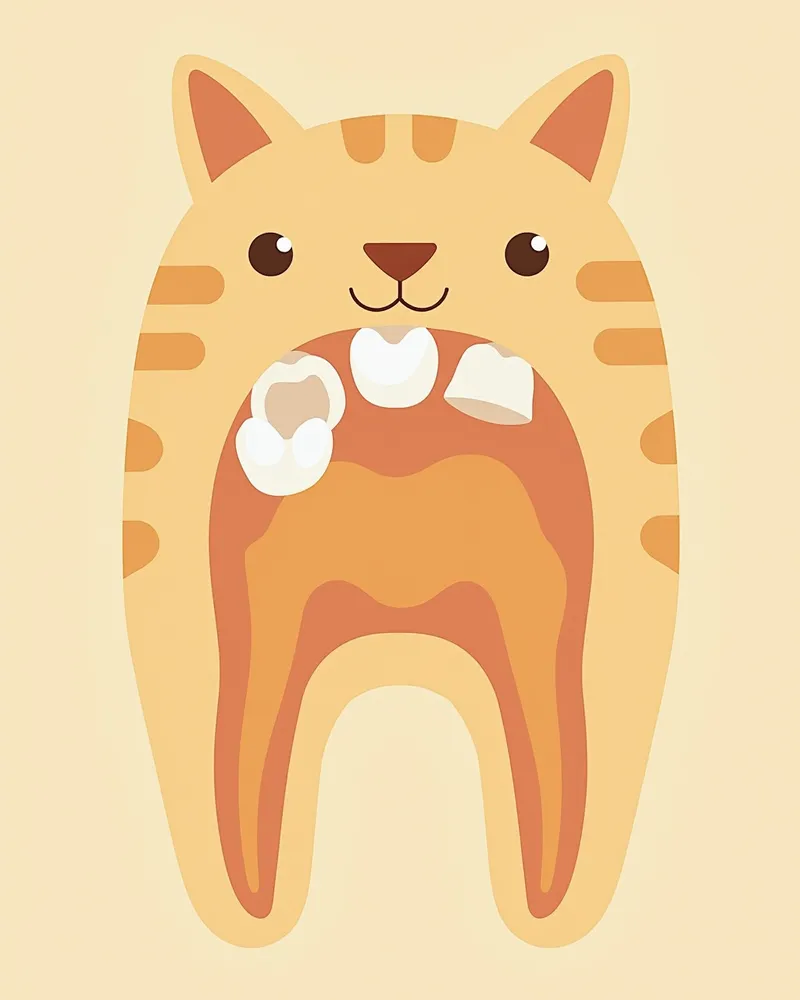
Before scaling, several tests are needed for an accurate diagnosis. Periodontal disease cannot be fully assessed by a visual exam alone while the pet is awake, so a thorough oral examination under general anesthesia is the most accurate approach. During the anesthetized exam, a periodontal probe is gently inserted into the gingival sulcus to measure pocket depth. In cats, a normal sulcus depth should not exceed 0.5 mm; deeper measurements indicate the presence of periodontal pockets. Additionally, dental radiographs (X-rays) are taken to evaluate the condition of the tooth roots and alveolar bone, which are not visible from the surface. Prior to anesthesia, basic tests such as blood work are performed to assess overall health and evaluate anesthesia risk. These comprehensive examinations allow us to plan a safe scaling procedure.
A dental X-ray image showing the condition of a cat's jawbone and tooth roots.

Step-by-Step Scaling Procedure

Feline dental scaling is performed in stages. First, general anesthesia is administered to ensure the cat remains calm and the procedure is carried out safely; during anesthesia, gum color, respiration, heart rate, and body temperature are continuously monitored. Second, an ultrasonic scaler removes tartar, followed by meticulous hand-scaling with a curette to clean tartar from within the gingival sulcus. Third, the tooth surfaces are polished to smooth out microscopic scratches in the enamel, reducing the likelihood of plaque reattachment. Finally, the veterinarian assesses whether any teeth require extraction and prescribes medication for pain and inflammation management if necessary. For healthy cats, antibiotics are not always required after dental treatment. The duration of the procedure varies depending on the extent of tartar buildup and the individual cat’s condition, and after recovering from anesthesia, the cat should be allowed to rest comfortably in a quiet environment.
A veterinarian polishing a cat's teeth

Home Care and Post-Procedure Care Points

After scaling, home care is crucial. Immediately following the procedure, offer soft food as directed by your veterinarian and avoid giving hard kibble that could strain the healing gums (follow your veterinarian’s specific instructions regarding when to resume water and regular meals). Most importantly, daily brushing to manage plaque is the most effective strategy. If brushing proves difficult, you can supplement with veterinarian-recommended pet toothpaste, dental-specific diets or treats, and products certified by the Veterinary Oral Health Council (VOHC). Since hardened tartar cannot be removed at home, regular professional scaling and polishing are essential. Cats prone to rapid tartar recurrence may require more frequent care and check-ups.
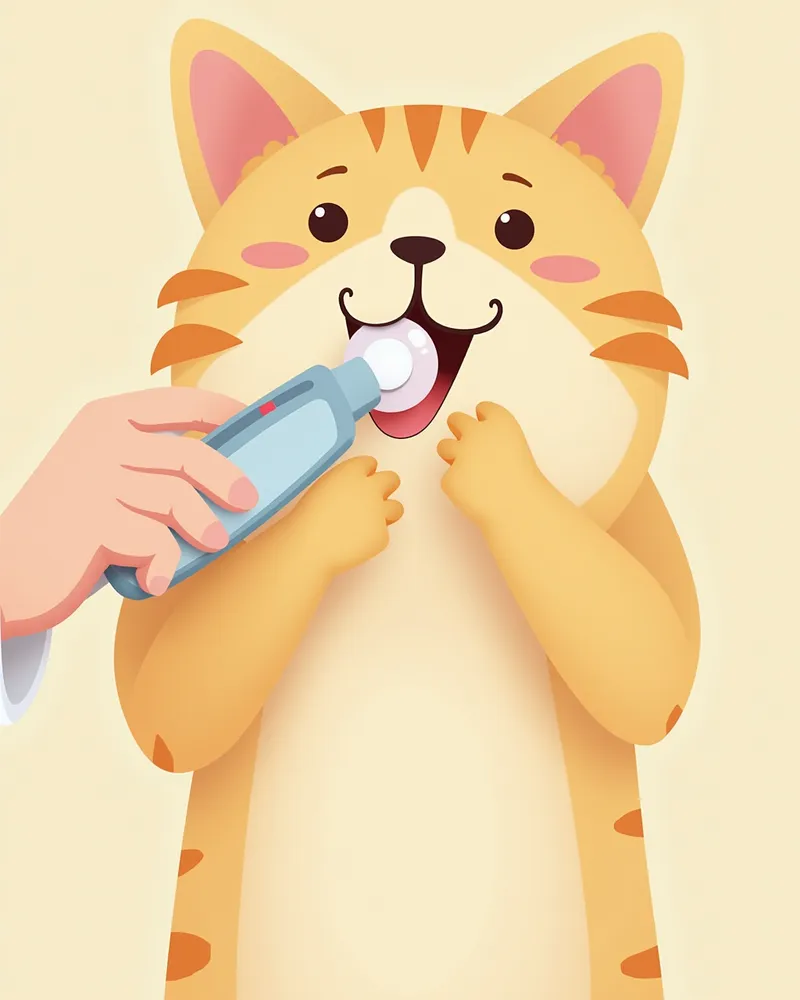
A cat having its teeth brushed with a special toothpaste and toothbrush.

Breed-Specific Precautions and Tips for Preventing Recurrence

The severity of tartar buildup and periodontal disease varies from cat to cat, with some felines experiencing faster and more severe progression. Notably, juvenile gingivitis and periodontitis can occur in kittens under one year of age; if left untreated, these conditions can lead to significant tooth loss, making early initiation of professional treatment and home care essential. Since plaque begins to accumulate again daily after scaling, tartar can recur over time. Cats at higher risk for recurrence may require more frequent check-ups and professional cleanings, so please work with your veterinarian to develop a customized care plan tailored to your cat’s individual needs.

Reviewed by a veterinarian

Dr. Tony — Punnawat Phongkittirak

Dr. Tony — Punnawat Phongkittirak

Veterinarian

A veterinarian who majored in veterinary medicine at Khon Kaen University, Thailand, and completed the IVSA program at North Carolina State University in the United States. Drawing on clinical experience at animal hospitals, he works in the pet healthcare field and is dedicated to building a digital care environment that connects pet parents with veterinarians.

Frequently Asked Questions

How often should cats have their teeth scaled?
The recommended frequency varies from cat to cat. Regular dental check-ups are essential, and cats who accumulate tartar quickly or have progressing periodontal disease may need professional cleanings more often—in severe cases, every few months. Please consult your veterinarian to determine the appropriate schedule for your cat.
Does scaling cause pain?
Since the procedure is performed under general anesthesia, your pet won’t feel any pain during the treatment. After recovery, there may be some mild discomfort, so your veterinarian can prescribe pain management medication if needed.
Is brushing at home enough?
Daily brushing is essential for managing plaque, but once tartar has hardened, it can’t be removed at home. That’s why regular veterinary check-ups and professional dental cleanings are necessary.
What kind of food should I give my pet after a dental scaling procedure?
Immediately after recovery, it’s best to offer soft food. Follow your veterinarian’s guidance on when to reintroduce water and food, as well as the appropriate diet.
Does tartar buildup always require surgery?
Tartar and plaque can lead to periodontal disease, so scaling may be necessary depending on your veterinarian’s assessment. Early management improves the prognosis.

Comparison of Care Methods Before and After Tartar Removal

ItemEffectPrecautions
Regular professional scalingPrevents periodontal diseaseConsult your veterinarian for the appropriate interval per individual
Daily brushingReduces plaqueHelps suppress tartar recurrence
Oral-care food/treatsHelps control plaque and tartarUse VOHC-certified products
Use of pet toothpaste/dental productsEnhances daily hygieneRecommended to use veterinarian-recommended products

Combining regular professional scaling with daily home care (brushing and VOHC-certified products) is the most effective approach.

Share

Related Guides

References

[1] The Dog Care Handbook, Things I Wish My Vet Had Told Me, 2020

[2] 100 Top Consultations in Small Animal General Practice, 2019

[3] Canine and Feline Respiratory Medicine, 3rd Edition, 2021

This information is based on veterinary literature and does not replace diagnosis or treatment. Please consult a veterinarian for specific health concerns.

Metapet Co., Ltd. | CEO: Park Sung-yong | Business Reg. No. 417-88-02562 | Seoul, South Korea | Customer Center

Feline Dental Scaling & Tartar Removal: Full Care Guide | Meongsiljang