
If Your Dog’s Liver Is Hardening — Symptoms, Diagnosis, and Management of Cirrhosis and Hepatic Fibrosis
Canine cirrhosis and hepatic fibrosis are chronic conditions in which liver tissue is progressively damaged and replaced by scar tissue, making early detection the key to successful treatment. Because symptoms tend to appear subtly, careful observation is essential.
What Are Canine Cirrhosis and Hepatic Fibrosis?
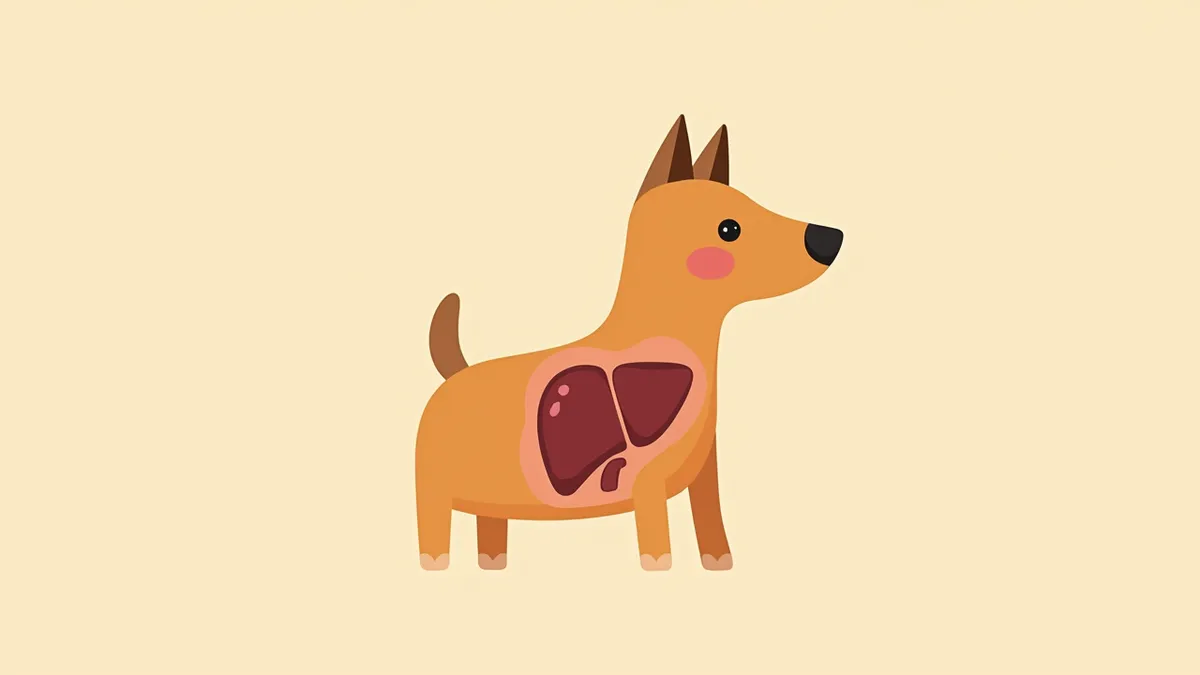
Main Causes and Pathogenesis

Main Symptoms and Warning Signs

Symptoms Requiring Immediate Veterinary Care
If your dog suddenly experiences severe vomiting, bloody stools, decreased consciousness, abdominal pain, or a rapid worsening of jaundice, seek veterinary care immediately. These signs indicate serious liver damage and can be life-threatening.
Accurate Diagnostic Methods

Treatment Methods and Step-by-Step Management

Home Care Points

Breed-Specific Precautions and Prevention of Recurrence
Certain breeds, such as Bedlington Terriers, which are prone to copper metabolism disorders, and Doberman Pinschers, in which autoimmune chronic hepatitis has been reported, have a higher genetic predisposition and are therefore more susceptible to liver disease. Early detection through regular health check-ups and liver function tests is crucial. Additionally, it is important to avoid foods and substances that can cause liver toxicity, such as onions, certain medications like acetaminophen, and aflatoxin mold toxins, and to never administer medication without a veterinarian's guidance.
Reviewed by a veterinarian

Dr. Tony — Punnawat Phongkittirak
VeterinarianA veterinarian who majored in veterinary medicine at Khon Kaen University, Thailand, and completed the IVSA program at North Carolina State University in the United States. Drawing on clinical experience at animal hospitals, he works in the pet healthcare field and is dedicated to building a digital care environment that connects pet parents with veterinarians.
Reviewed 2026-06-07
Frequently Asked Questions
Can canine cirrhosis be cured?
What kind of food is good for dogs with liver cirrhosis?
How should I handle walks if my pet develops cirrhosis?
What should I do if my dog with cirrhosis is vomiting?
Is cirrhosis hereditary?
Share
Related Guides

Top 7 Low-Protein Diets for Dogs with Liver Disease Recommended by Veterinarians — Protein Adjustment Criteria

7 Key Symptoms and Management Essentials for Canine Cholecystitis Recommended by Veterinarians

Top 5 Milk Thistle (Silymarin) Liver Supplements for Dogs — A Comparison Guide Based on Silybin Content and Absorption Rates

My Cat Won’t Open Its Mouth — Causes of Chronic Gingivostomatitis and Timing for Tooth Extraction

Complete Guide to Feline Dental Radiography — Why It’s Necessary and What Conditions It Detects

If Your Cat’s Bad Breath Is Concerning You — Tartar and Plaque Prevention and Care Tips

Milk Leaking from the Nose While Nursing — Symptoms and Surgical Timing for Cleft Palate in Cats

Dog Tumor Surgery: Did We Get It All? Surgical Margin Assessment Determines Recurrence

If Your Dog’s Mammary Lumps Are Hormone-Related — Causes and Treatment of Progesterone Tumors

Cat Tumor Surgical Margin Assessment: Symptoms, Causes, Diagnosis, Treatment, and Management Points
References
[1] Hall-Fonte DL, Genter SA, McDonough SP et al. (2016) Hepatocutaneous syndrome in Shih Tzus: 31 cases (1996–2014). Journal of the American Veterinary Medical Association, 248(8), 802–813.
[2] Washabau RJ, Day MJ (2012) Canine and Feline Gastroenterology. Elsevier Saunders.
[3] Torner K, Staudacher M, Tress U et al. (2020) Histopathology and pancreatic lipase immunoreactivity in inflammatory, hyperplastic and neoplastic pancreatic diseases in cats. Journal of Comparative Pathology, 174, 63–72.