Like
Share
멍실장
강아지 단백뇨 관리·UPC비 증상과 원인, 진단·치료와 관리 포인트 총정리

Complete Guide to Proteinuria and UPC Ratio in Dogs — Causes and When to See a Vet

KidneyDiseasesMeongsiljang Veterinary Advisory Board

Proteinuria in dogs occurs when kidney dysfunction allows protein to leak into the urine. The UPC ratio is a key indicator for accurately assessing this condition.

Proteinuria in Dogs: Protein Leakage into Urine Due to Impaired Kidney Filtration

During a veterinary examination, a dog provides a urine sample.
Proteinuria in dogs occurs when damaged kidney filtration allows protein to leak abnormally into the urine. This can be an early sign of chronic kidney disease or a complication of other conditions. The urine protein-to-creatinine ratio (UPC) is a key indicator for quantitatively assessing the severity of proteinuria; it is more accurate than dipstick tests because it is not affected by urine dilution or concentration. In dogs, a UPC ratio exceeding 0.2 defines proteinuria, with 0.2–0.5 considered borderline and values above 0.5 indicating significant proteinuria. Since proteinuria often presents with few or no symptoms in its early stages, making early detection difficult, immediate testing and consistent management are essential if it is suspected.

The Main Causes of Proteinuria Are Kidney Diseases and Systemic Diseases
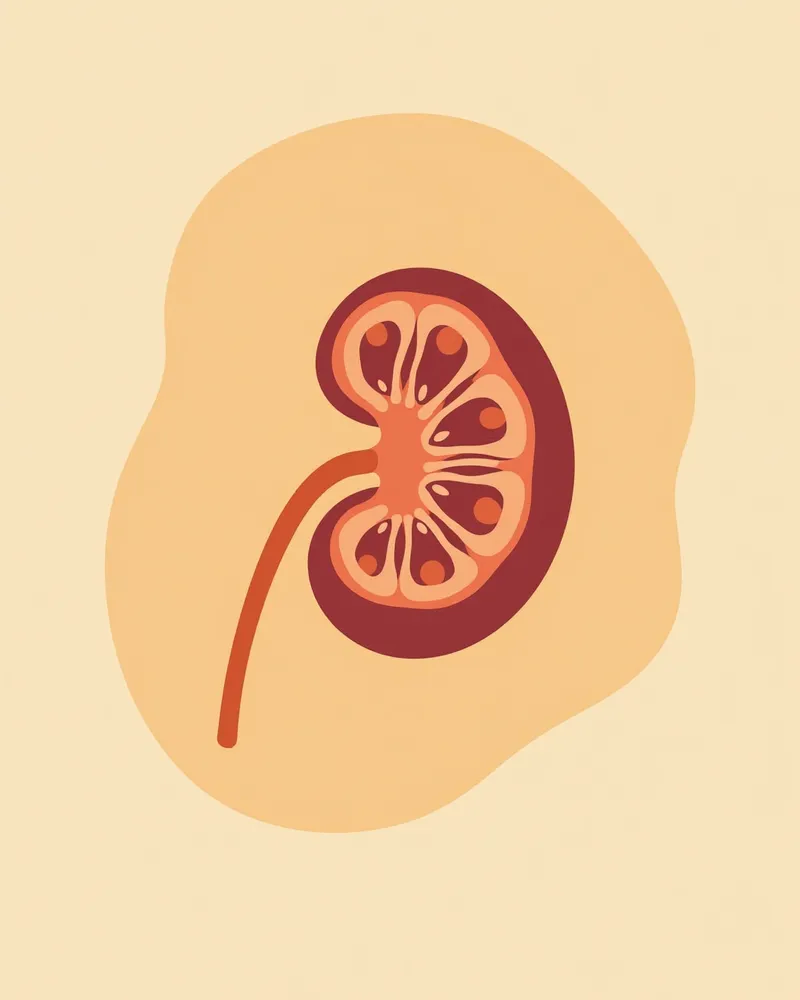
The most common kidney-related causes of proteinuria in dogs are glomerular diseases that damage the glomerular filtration barrier and renal conditions such as pyelonephritis. Systemic and localized diseases—including systemic hypertension, immune complex glomerulonephritis, infections, and tumors—can also cause proteinuria. Additionally, transient proteinuria may occur due to non-renal factors like fever or strenuous exercise. Breeds with a predisposition to hereditary nephropathies, such as Bull Terriers, Samoyeds, Dalmatians, and English Cocker Spaniels, are at higher risk. Proteinuria indicates that damage to the glomerular filtration barrier allows protein to leak from the blood into the urine, and early detection significantly impacts treatment outcomes.
Microscopic image of a damaged kidney filtration membrane

Identify Key Symptoms and Signs

Proteinuria in dogs often shows no obvious symptoms in its early stages. However, as the condition progresses, you may notice the following signs: - Decreased appetite: Your dog may eat less and show little interest in food. - Changes in urination: Increased frequency of urination, stronger odor, and darker urine color. - Edema: Fluid accumulation around the eyes, abdomen, or legs. - Increased fatigue: Reduced activity levels and more time spent resting. - Vomiting or diarrhea: These may occur repeatedly due to impaired gastrointestinal function. If you observe any of these symptoms, please visit a veterinary clinic promptly.
A puppy showing signs of swelling and fatigue

Emergency Signs Requiring Immediate Veterinary Care

If your dog suddenly loses its appetite, experiences repeated vomiting or diarrhea, shows signs of labored breathing, or collapses, you should seek veterinary care immediately. These symptoms may indicate a rapid decline in kidney function or a worsening of overall health. In particular, a urine protein-to-creatinine (UPC) ratio exceeding 2 is considered a serious form of proteinuria, likely glomerular in origin, and warrants immediate treatment without waiting to confirm persistence. Prompt medical attention in such emergency situations significantly impacts prognosis, so do not delay seeking care.

Diagnosis Is Performed Through Urine and Blood Tests

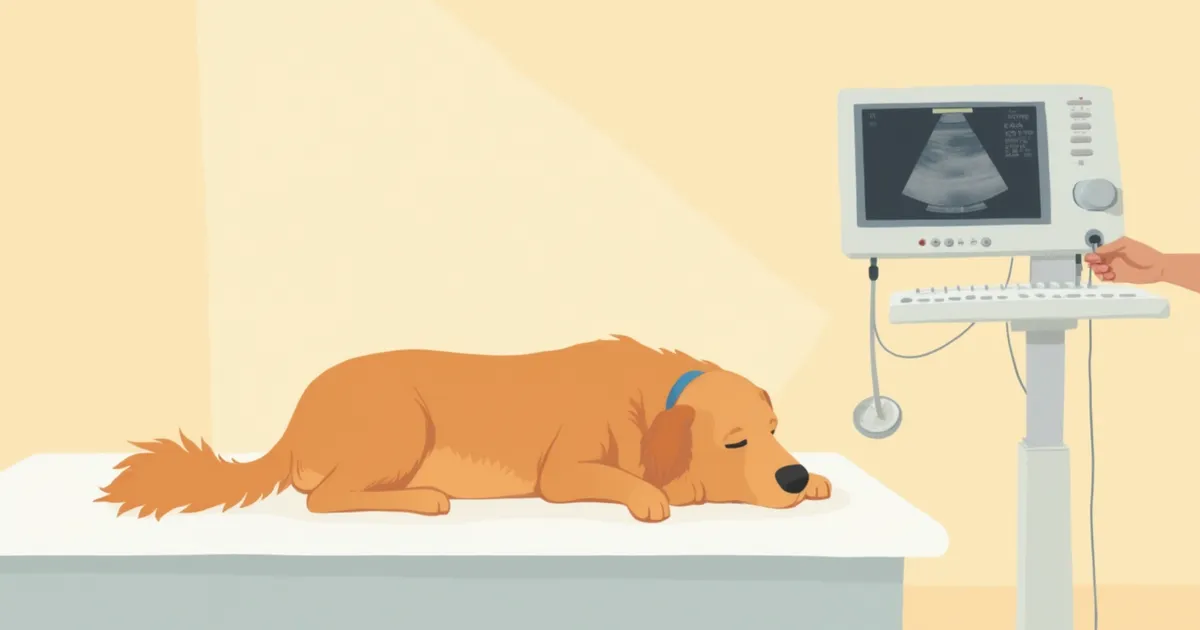
Diagnosing proteinuria hinges on measuring the urine protein-to-creatinine (UPC) ratio, which quantifies the severity of protein loss in the urine. Blood tests are also performed to check BUN, creatinine, and SDMA levels, while ultrasound imaging evaluates kidney size and structure. In some cases, a kidney biopsy may be recommended to pinpoint the underlying cause. Accurate diagnosis typically requires a combination of these tests.
A veterinarian analyzing a urine test strip.

Treatment Varies by Cause, with Dietary Management as the Core

Treatment for proteinuria depends on the underlying cause. If the proteinuria stems from glomerular disease within the kidneys themselves, management focuses on reducing protein loss and slowing the progression of kidney damage. When systemic hypertension is present, controlling blood pressure helps alleviate glomerular proteinuria. Additionally, feeding a diet low in protein can reduce glomerular proteinuria in some cases, and supplementing with omega-3 fatty acids (PUFAs) may help mitigate it in certain dogs and cats. If the proteinuria is caused by a systemic disease, that underlying condition must be treated concurrently, and your veterinarian will recommend a customized diet and treatment plan based on your pet’s weight and overall health status.
Kidney-support dog food

Home Care Involves Regular Check-ups and Lifestyle Management

Managing proteinuria in dogs requires consistent home care in addition to regular veterinary visits.
Regular check-ups: Monitor your dog’s condition with urine and blood tests every 1 to 3 months.
Diet management: Consistently provide the diet recommended by your veterinarian.
Hydration: Encourage your dog to drink plenty of water.
Stress reduction: Maintain a calm environment for a comfortable lifestyle.
Medication adherence: Use a schedule to ensure you never miss a dose.
These habits can significantly help slow the progression of the disease.
A dog drinking water in a quiet environment

Certain Breeds Are at Higher Risk for Proteinuria

Certain breeds, such as the Bull Terrier, Samoyed, Dalmatian, and English Cocker Spaniel, are more susceptible to proteinuria and chronic kidney disease due to a hereditary nephropathy caused by a defect in the glomerular basement membrane collagen. In these hereditary conditions, progressive renal proteinuria is often the first clinical abnormality to appear, making regular screening essential. Pet owners should plan for early screening based on their dog’s breed characteristics and consult with their veterinarian to develop a preventive strategy. For some breeds, genetic testing can also be used to identify carriers.

Reviewed by a veterinarian

Dr. Tony — Punnawat Phongkittirak

Dr. Tony — Punnawat Phongkittirak

Veterinarian

A veterinarian who majored in veterinary medicine at Khon Kaen University, Thailand, and completed the IVSA program at North Carolina State University in the United States. Drawing on clinical experience at animal hospitals, he works in the pet healthcare field and is dedicated to building a digital care environment that connects pet parents with veterinarians.

Frequently Asked Questions

Is a UPC ratio of 1.0 considered serious?
In dogs, a urine protein-to-creatinine (UPC) ratio exceeding 0.2 is considered indicative of proteinuria, and a value above 0.5 signifies clear proteinuria. A UPC ratio of 1.0 already represents significant proteinuria and can be viewed as a sign of impaired kidney function. Particularly when the ratio exceeds 2, it is judged to be a serious condition with a high likelihood of glomerular proteinuria, so you should consult your veterinarian for further diagnostic testing.
Can proteinuria be cured?
It depends on the underlying cause. Proteinuria resulting from systemic diseases can often improve with treatment of the primary condition, whereas in cases of chronic kidney disease, the focus is on management rather than a cure. Early detection and consistent care can help slow the progression of the disease.
Will dietary management alone reduce proteinuria?
Dietary management is highly effective in reducing proteinuria. In particular, a low-protein diet can lessen the burden on the kidneys, often leading to a decrease in the UPC ratio. However, diet alone may not be sufficient, so concurrent treatment under a veterinarian’s guidance is necessary.
Can dogs with proteinuria still go for walks?
Walking is possible. However, if your pet is experiencing significant fatigue or swelling, avoid strenuous exercise and opt for calm, gentle walks. The appropriate level of activity will be adjusted by your veterinarian based on your pet's condition.
Is proteinuria hereditary?
Certain breeds have a genetic predisposition. In particular, Bull Terriers, Samoyeds, Dalmatians, and English Cocker Spaniels are more susceptible to proteinuria and chronic kidney disease due to hereditary nephropathy caused by defects in the collagen of the glomerular basement membrane. If there is a family history, early screening is important, and genetic testing can identify carriers in some breeds.

Comparison of Diets for Proteinuria Management: Ingredients, Effects, and Recommended Timing

ItemDiet typeProtein contentPhosphorus contentRecommended timing
Low-protein dietLowLowLowImmediately after proteinuria diagnosis
Low-phosphorus dietModerateLowLowWhen kidney function declines
Dedicated renal dietLowLowLowDuring chronic kidney disease management

A veterinarian recommends choosing based on the patient's weight and condition. It is safest to have all diets prescribed at the hospital.

Share

Related Guides

References

[1] Notes on Canine Internal Medicine, 4th Ed, 2023

[2] Urinalysis in the Dog and Cat, 2022

[3] 수의내과학 교과서, 2021

This information is based on veterinary literature and does not replace diagnosis or treatment. Please consult a veterinarian for specific health concerns.

Metapet Co., Ltd. | CEO: Park Sung-yong | Business Reg. No. 417-88-02562 | Seoul, South Korea | Customer Center

Proteinuria in Dogs: UPC Ratio Causes & When to See a Vet | Meongsiljang