
Retained Deciduous Teeth in Puppies: Symptoms, Causes, Diagnosis, Treatment, and Care Essentials
Retained deciduous teeth in puppies occur when baby teeth fail to fall out as they should, which can lead to bite misalignment and increase the risk of infection. Early diagnosis and appropriate treatment are essential.
Retained Deciduous Teeth in Puppies Occur When Baby Teeth Fail to Fall Out Normally
The Main Causes of Retained Deciduous Teeth Are Genetics, Tooth Size Mismatch, and Delayed Development
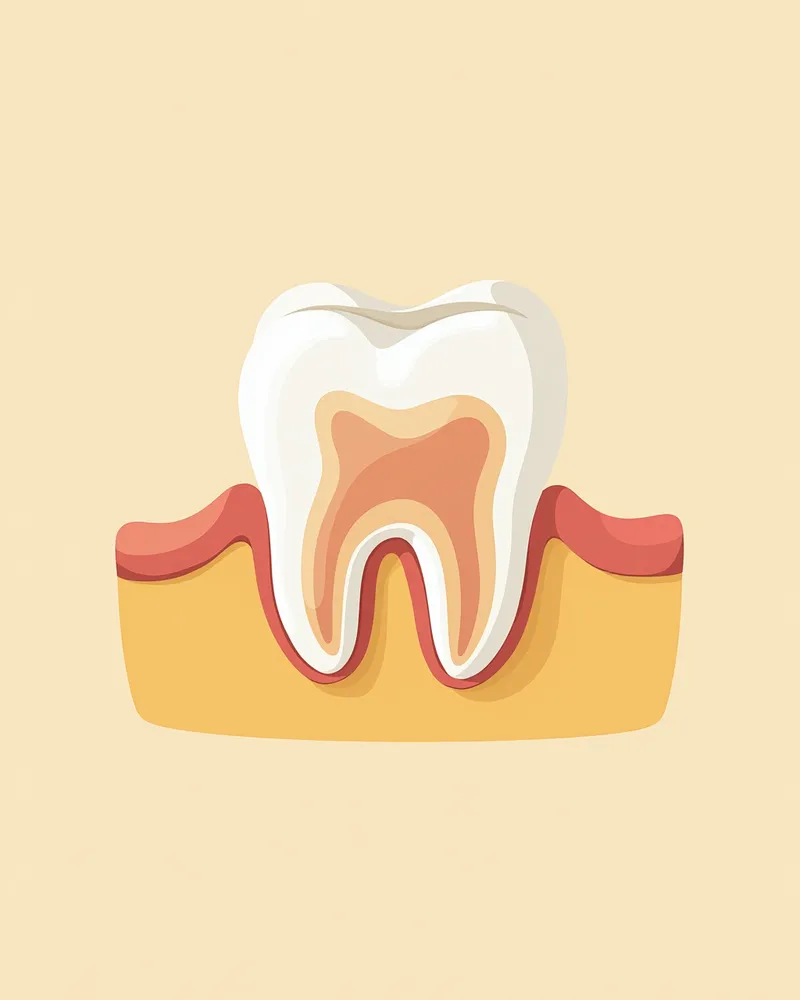
Main Symptoms of Retained Deciduous Teeth Include Overlapping Teeth, Bad Breath, and Decreased Appetite

Retained Deciduous Teeth Can Lead to Bite Abnormalities and Increased Risk of Infection
Retained baby teeth can significantly disrupt proper tooth alignment. As permanent teeth grow in crooked or overlapping, it can lead to bite abnormalities, while food debris trapped between teeth may cause periodontal disease or infections around the teeth. In fact, periodontal disease is one of the most commonly diagnosed conditions in veterinary medicine. If left untreated for too long, this condition can result in tooth loss or chronic pain. Certain breeds are genetically predisposed to this issue, so it’s important to seek veterinary care as soon as possible to begin treatment.
Diagnosis of Retained Deciduous Teeth Is Confirmed Through Oral Examination and X-rays
Treatment Involves Extraction of Deciduous Teeth, Performed Immediately After Anesthesia

Home Care Focuses on Tooth Cleaning and Regular Check-ups

Small Breeds Are at Higher Risk for Retained Deciduous Teeth and Require Attention
Retained baby teeth are more common in certain breeds due to genetics. When permanent teeth start coming in but the baby teeth don’t fall out on time, both sets of teeth remain in the same space, leading to a retained tooth condition. This can cause misalignment and increase the risk of gum and periodontal infections. Early diagnosis and treatment are crucial. Regular dental check-ups with your veterinarian are important, along with closely monitoring whether permanent teeth are erupting properly and baby teeth are falling out as expected.
Reviewed by a veterinarian

Dr. Tony — Punnawat Phongkittirak
VeterinarianA veterinarian who majored in veterinary medicine at Khon Kaen University, Thailand, and completed the IVSA program at North Carolina State University in the United States. Drawing on clinical experience at animal hospitals, he works in the pet healthcare field and is dedicated to building a digital care environment that connects pet parents with veterinarians.
Reviewed 2026-06-29
Frequently Asked Questions
How long should I wait for baby teeth to fall out?
Is the surgery to remove baby teeth very painful?
What problems can occur if baby teeth are not removed?
Is there a genetic component to retained baby teeth?
Will the teeth automatically align properly after the baby teeth are removed?
Share
Related Guides

7 Best Cat Dental Chews for Tartar Prevention Recommended by Veterinarians and Selection Criteria
Top 5 Recommended Dental Treats for Dogs in 2026 — VOHC Certification Criteria
7 Criteria for Choosing Dog Tartar Prevention Dental Chews Recommended by Veterinarians
Comprehensive Guide to Symptoms, Causes, Diagnosis, Treatment, and Management of Bordetella Respiratory Infection in Dogs
Complete Guide to Monitoring Your Cat’s Respiratory Rate (RR) During Sleep: Heart Symptoms, Causes, Diagnosis, Treatment, and Management
Cat Oxygen Therapy: Symptoms, Causes, Diagnosis, Treatment, and Management Essentials

Feline Nasal Polyps: A Comprehensive Guide to Symptoms, Causes, Diagnosis, Treatment, and Management
Comprehensive Guide to Feline Lung Auscultation Findings: Symptoms, Causes, Diagnosis, Treatment, and Management

Cat Inhaled Steroid Therapy: Symptoms, Causes, Diagnosis, Treatment, and Management Essentials

Feline Fungal Respiratory Infections (Aspergillus): Symptoms, Causes, Diagnosis, Treatment, and Management Essentials
References
[1] Collins BK, Collier LL, Johnson GS, et al. Familial cataracts and concurrent ocular anomalies in chow chows. J Am Vet Med Assoc. 1992;200(10):1485–1491.
[2] Saraiva IQ and Delgado E. Congenital ocular malformations in dogs and cats: 123 cases. Vet Clin North Am Small Anim Pract. 2006;36(1):107–121.
[3] Plumb's Veterinary Drug Handbook, 9th ed. Wiley-Blackwell, 2021.