Like
Share
멍실장
강아지 비염부비동염 증상과 원인, 진단·치료와 관리 포인트 총정리

If Your Dog Keeps Sniffling — Causes and Treatment Timing for Rhinitis and Rhinosinusitis

RespiratoryDiseasesMeongsiljang Veterinary Advisory Board

Canine rhinosinusitis is a respiratory condition in which inflammation occurs simultaneously in the nasal mucosa and the sinuses, with diverse causes including bacterial and fungal infections, allergies, and dental infections. We’ve compiled a symptom checklist by cause, along with diagnostic and treatment methods, plus home care tips you can follow.

What Is Canine Rhinosinusitis?
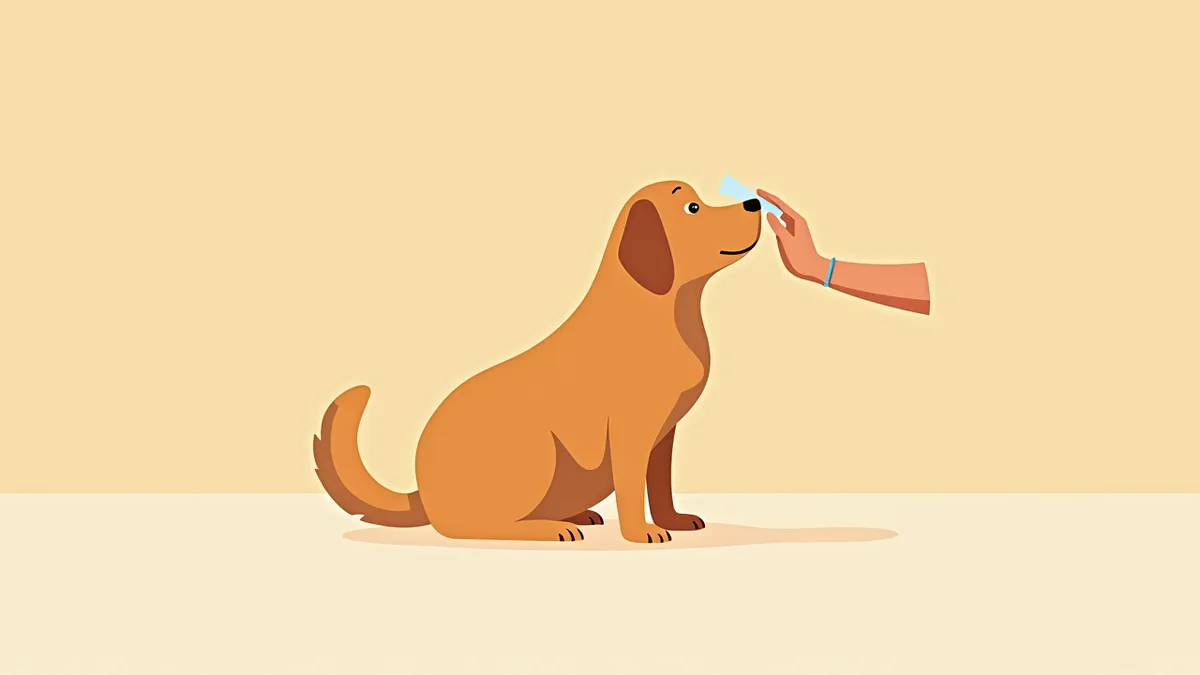
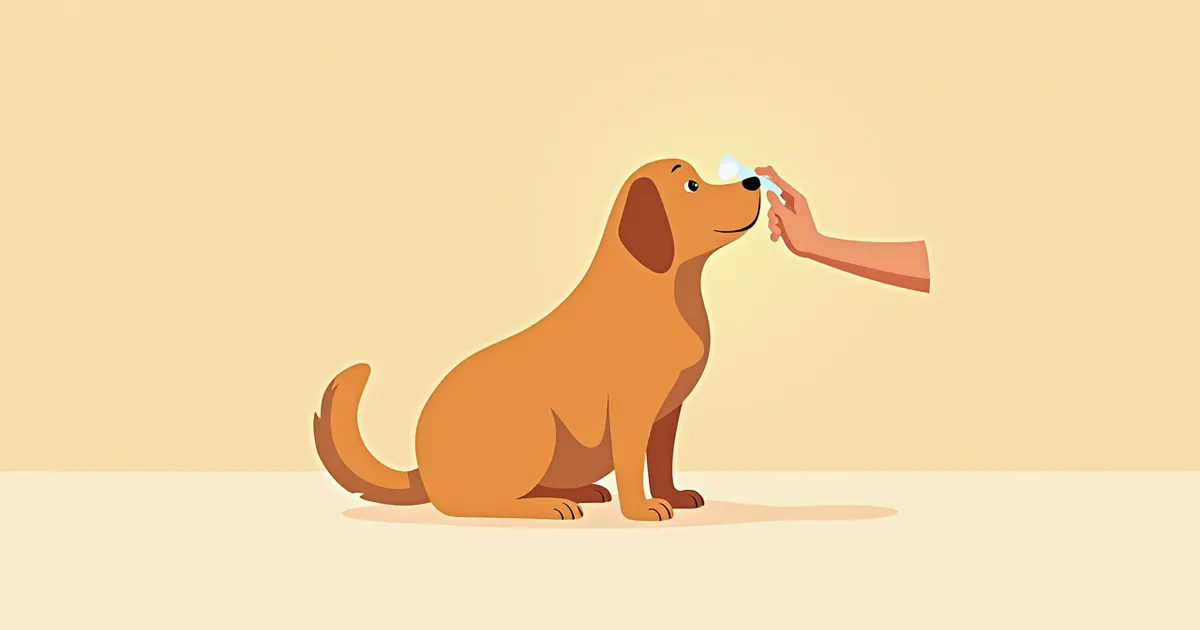
A puppy getting its nose examined by a veterinarian
Canine rhinosinusitis is a respiratory condition in which inflammation occurs simultaneously in the nasal mucosa (nasal cavity) and the adjacent air-filled spaces known as the sinuses. The key to management is identifying the underlying cause. Because the etiology can vary widely—ranging from bacterial, viral, or fungal infections to allergies or dental disease—treatment plans differ significantly even when the symptom is simply nasal discharge. If symptoms persist for more than two weeks or if discharge is observed from only one nostril, prompt diagnosis is essential to expedite recovery.

Main Causes of Rhinosinusitis

There are five main causes of rhinosinusitis. Infection (bacterial, viral, or fungal): Pathogens invade the nasal mucosa, triggering inflammation. In particular, Aspergillus fungal infections can destroy the turbinate tissues within the nasal cavity and sinuses. These cases tend to recur frequently, require prolonged treatment, and some do not respond well to therapy. Dental infection: Because the roots of the upper molars are close to the nasal cavity and sinuses, a periapical abscess (infection at the tooth root) can spread into the sinuses. Allergies and chronic inflammation: Inhaled irritants such as house dust and pollen can stimulate the nasal mucosa. Chronic inflammatory conditions, such as lymphoplasmacytic rhinitis, can also cause nasal discharge. Foreign bodies: If foreign objects like grass seeds or sand enter the nose, discharge typically occurs from only one nostril. Tumors and polyps: Nasal tumors or polyps can be the underlying cause, particularly in middle-aged and senior dogs.

Symptom Checklist — Suspect It If You See These

Runny or Stuffy Nose: Symptoms often begin with clear discharge that may turn yellow or green, indicating a possible secondary bacterial infection. However, bloody nasal discharge is more commonly associated with fungal infections (Aspergillus), tumors, or bleeding disorders rather than bacterial infections, so prompt veterinary examination is essential.
Sneezing: Frequent or paroxysmal sneezing can signal the presence of a foreign body or severe inflammation. Reverse sneezing may also occur alongside these episodes.
Unilateral Symptoms: Discharge from only one nostril is typically indicative of a foreign body, tumor, or dental disease.
Pain and Swelling Around the Nose: If inflammation spreads to the sinuses, your pet may show signs of pain, such as reluctance to move their head and general lethargy.
Decreased Appetite: A stuffy nose can impair the sense of smell, and pain in the nasal passages or sinuses may cause your pet to eat less.
Increased Eye Discharge: Because the nose and eyes are connected by the nasolacrimal duct, nasal issues can lead to discharge from the eyes as well.
A close-up of a dog’s nose with a runny nose

Go to the Vet Immediately If You See These Symptoms

If your pet is experiencing significant nosebleeds, facial swelling that causes asymmetry, open-mouth breathing, or a complete refusal to eat or drink, these may be signs of a serious infection or tumor rather than simple rhinitis. If these symptoms persist for more than 24 hours, emergency veterinary care is required.

How Is the Diagnosis Performed?

The veterinarian will first assess the color, amount, and odor of the nasal discharge, as well as the duration of the symptoms. Diagnostic tests are then conducted step by step.
Physical Examination: The vet checks the nasal mucosa, dental condition, and facial symmetry.
X-ray: This can reveal sinus opacities and dental issues.
CT Scan: This advanced imaging test provides detailed, three-dimensional views of areas that are difficult to assess with standard X-rays.
Nasal Endoscopy: This allows direct visualization inside the nasal cavity to check for foreign bodies, tumors, or polyps.
Bacterial and Fungal Culture Tests: These identify the specific infectious agents to help select the most appropriate treatment.

Treatment Methods Vary by Underlying Cause
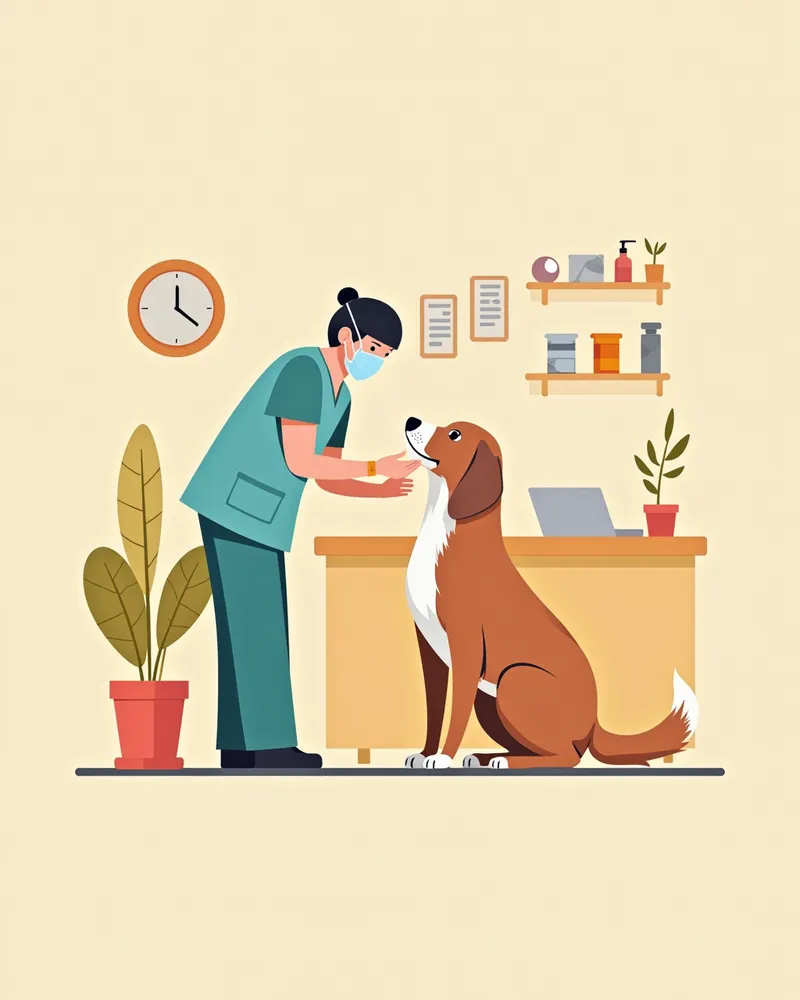
Treatment for rhinosinusitis varies depending on the underlying cause.
Bacterial infection: Bacterial rhinitis in dogs is usually a secondary infection accompanying another condition, so antibiotics are used alongside treatment of the primary cause. For secondary infections, potentiated penicillin or clindamycin-class antibiotics are typically administered for about 7 to 10 days, with the veterinarian determining the specific medication and duration based on culture results and the dog’s body weight.
Fungal infection: Antifungal agents are administered either directly into the nasal cavity and sinuses or orally. Because recurrence is common and some cases respond poorly to treatment, follow-up examinations are necessary even after therapy.
Allergic/inflammatory: Irritants and allergens are minimized, and symptoms are managed with medications such as steroids (prednisolone) as determined by the veterinarian.
Dental causes: In many cases, sinus inflammation resolves once the problematic teeth and roots are completely removed (extracted).
Foreign bodies: These are removed via endoscopy or surgery.
A veterinarian preparing to treat a dog at an animal hospital

Home Care Tips

If your pet has been prescribed medication, it’s most important to continue giving it for the full prescribed duration, even if symptoms appear to improve. Stopping early can lead to antibiotic resistance.
Use a humidifier: Dry air can irritate nasal membranes. Keep indoor humidity between 50% and 60%.
Clean around the nose: Gently wipe the area with warm gauze to prevent discharge from drying and crusting.
Warm the food: Since your pet may have a reduced sense of smell, slightly warming the food can help stimulate appetite.
Remove irritants: Cigarette smoke and air fresheners can worsen symptoms.
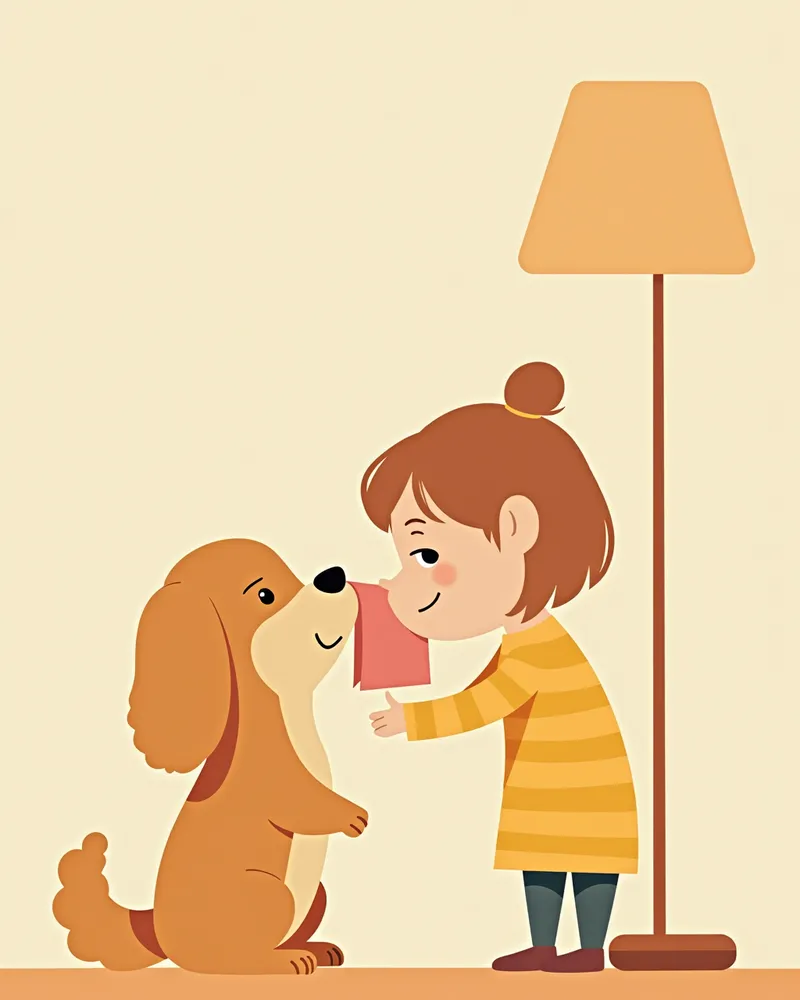
A pet owner gently cleaning around their dog’s nose at home

Brachycephalic Breeds Require Extra Attention

Brachycephalic breeds such as French Bulldogs, Pugs, Shih Tzus, and English Bulldogs are predisposed to Brachycephalic Airway Obstruction Syndrome (BAOS) due to their congenitally narrow nasal passages and airways, which can lead to symptoms like snoring and difficulty breathing. Additionally, their narrow nostrils, known as stenotic nares, can cause respiratory symptoms to worsen rapidly. However, please also keep in mind that Aspergillus infection, a representative fungal rhinosinusitis, actually occurs more frequently in dolichocephalic (long-nosed) breeds. For brachycephalic dogs, it is advisable to have their nasal and respiratory health checked during regular wellness exams, and to seek veterinary care immediately if symptoms such as nasal discharge, sneezing, or difficulty breathing persist for more than a week.

Reviewed by a veterinarian

Dr. Tony — Punnawat Phongkittirak

Dr. Tony — Punnawat Phongkittirak

Veterinarian

A veterinarian who majored in veterinary medicine at Khon Kaen University, Thailand, and completed the IVSA program at North Carolina State University in the United States. Drawing on clinical experience at animal hospitals, he works in the pet healthcare field and is dedicated to building a digital care environment that connects pet parents with veterinarians.

Frequently Asked Questions

Can a dog’s rhinosinusitis be transmitted to humans?
It is extremely rare for a dog’s rhinosinusitis to be transmitted to humans. Common causes, such as the fungus Aspergillus, are widespread in the environment in soil and fallen leaves, so exposure typically occurs from the environment rather than through direct transmission from the dog. However, it is still a good idea to wash your hands thoroughly after handling any nasal discharge.
My pet has a runny nose. Is it okay to wait and see at home for now?
If clear nasal discharge subsides within three days, you can monitor the situation briefly. However, if the discharge turns yellow, green, or bloody, persists from only one nostril, or is accompanied by a loss of appetite, your pet should be seen by a veterinarian promptly.
Is it common for the condition to recur even after treatment?
Fungal infections and allergic rhinitis tend to have high recurrence rates. If the underlying cause isn't completely eliminated, they can come back, so regular follow-up exams and environmental management are important even after treatment.
Can I use human nasal rinses or nasal sprays?
Absolutely not. Human nasal sprays may contain ingredients that are toxic to dogs. Using them without a veterinarian’s prescription can actually worsen your dog’s symptoms.
Can dental problems cause sinusitis?
That’s right. The roots of the fourth upper premolar (the fourth maxillary premolar) sit directly against the floor of the maxillary sinus, so a periapical abscess can allow the infection to spread directly into the sinus. In such cases, the cornerstone of treatment is complete extraction of the affected tooth and its roots.

Share

Related Guides

References

[1] Ettinger SJ, Feldman EC, Côté E. Textbook of Veterinary Internal Medicine: Diseases of the Dog and the Cat, 8th ed. Elsevier, 2017.

[2] Nelson RW, Couto CG. Small Animal Internal Medicine, 6th ed. Elsevier, 2019.

[3] Hawkins EC. Disorders of the Nasal Cavity. In: Nelson RW, Couto CG (eds), Small Animal Internal Medicine, 6th ed. Chapter 18. Elsevier, 2019.

This information is based on veterinary literature and does not replace diagnosis or treatment. Please consult a veterinarian for specific health concerns.

Metapet Co., Ltd. | CEO: Park Sung-yong | Business Reg. No. 417-88-02562 | Seoul, South Korea | Customer Center

Dog Always Sniffling? Rhinitis & Rhinosinusitis Timing | Meongsiljang