Like
Share
멍실장
강아지 니코틴중독 증상과 응급 대처법, 위험 섭취량과 예방까지 총정리

Dog Nicotine Poisoning: Symptoms, Emergency Response, Dangerous Dosage, and Prevention Guide

Emergency/ToxicityDiseasesMeongsiljang Veterinary Advisory Board

We’ve compiled a comprehensive guide based on veterinary resources, covering the signs of nicotine poisoning in dogs after ingesting cigarettes, e-cigarettes, or nicotine patches, along with emergency first aid, hospital treatment procedures, and prevention tips.

What Is Dog Nicotine Poisoning?

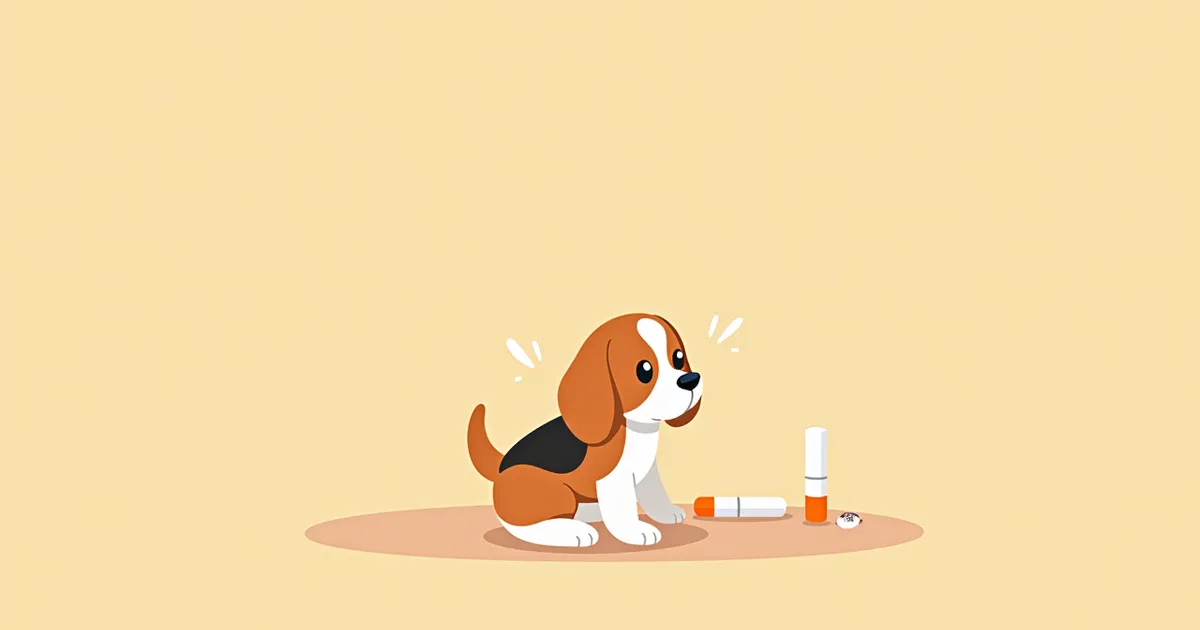
A puppy sitting next to a cigarette and an e-cigarette — a risky situation for nicotine poisoning
Nicotine poisoning in dogs occurs when nicotine from cigarettes, e-cigarettes, nicotine patches, and similar products is absorbed into the body, causing a toxic reaction that initially stimulates and then depresses the nervous and cardiovascular systems. Because nicotine acts rapidly, symptoms can appear within minutes of ingestion, and typically within four hours. Therefore, a "wait-and-see" approach can be fatal. Veterinary textbooks report that symptoms can occur at doses as low as approximately 1 mg per kilogram of body weight, meaning even small amounts of cigarette material or e-liquid can pose a serious risk to small dogs. Immediate contact with a veterinary clinic is essential.

How Dogs Are Exposed to Nicotine

Dogs can ingest nicotine in more ways than you might expect.
Cigarettes and butts: Nicotine remains in cigarette butts after they’ve been smoked. Accidents often occur when dogs sneak into ashtrays and eat the butts.
E-cigarette liquid: Many e-liquids are highly concentrated, and because they’re liquid, nicotine is absorbed much faster—meaning even small amounts can be dangerous.
Nicotine patches, gum, and lozenges: Human smoking cessation aids are toxic to dogs. Used patches, in particular, can still contain 8.3 to 114 mg of nicotine per patch.
Snuff (chewing tobacco): If ingested directly, it’s absorbed rapidly.
Dogs frequently sneak nicotine patches from bags or pockets, or pick up cigarette butts dropped on the floor.

Nicotine Content and Risk Level by Product (Based on a 5kg Dog)

Item1 Cigarette1mL of E-cigarette Liquid1 Nicotine Patch1 Piece of Nicotine Gum
Nicotine ContentVaries by productHigh concentration (dangerous even in small amounts)8.3–114mg (including used patches)Varies by product
Risk Level (for 5kg)⚠️ Dangerous🚨 Very dangerous⚠️ Dangerous⚠️ Caution
Time to Symptom OnsetMinutes to 4 hoursWithin minutesMinutes to hoursMinutes to hours

Based on veterinary toxicology textbooks. Nicotine can cause symptoms at about 1mg per kg of body weight (about 5mg for a 5kg dog), and the minimum lethal dose for dogs is reported as 9.2mg/kg or a total of 20–100mg. Even used patches can contain 8.3–114mg of residual nicotine, so even a small amount is within the dangerous range for small dogs.

Nicotine Poisoning Symptom Checklist
If your pet shows any of the following symptoms after ingesting nicotine, contact a veterinary clinic immediately.
Vomiting and diarrhea: These are typically the first signs to appear shortly after ingestion.
Excessive drooling: You may notice wetness around the mouth and an increase in saliva production.
Tremors and muscle spasms: The nervous system becomes overstimulated, causing full-body shaking.
Rapid breathing or panting: The respiratory rate increases suddenly.
Pale or blue gums: This indicates a disruption in circulation.
Staggering and weakness: Your pet may lose strength in their hind legs or be unable to walk.
Seizures: This is a dangerous sign associated with severe poisoning.
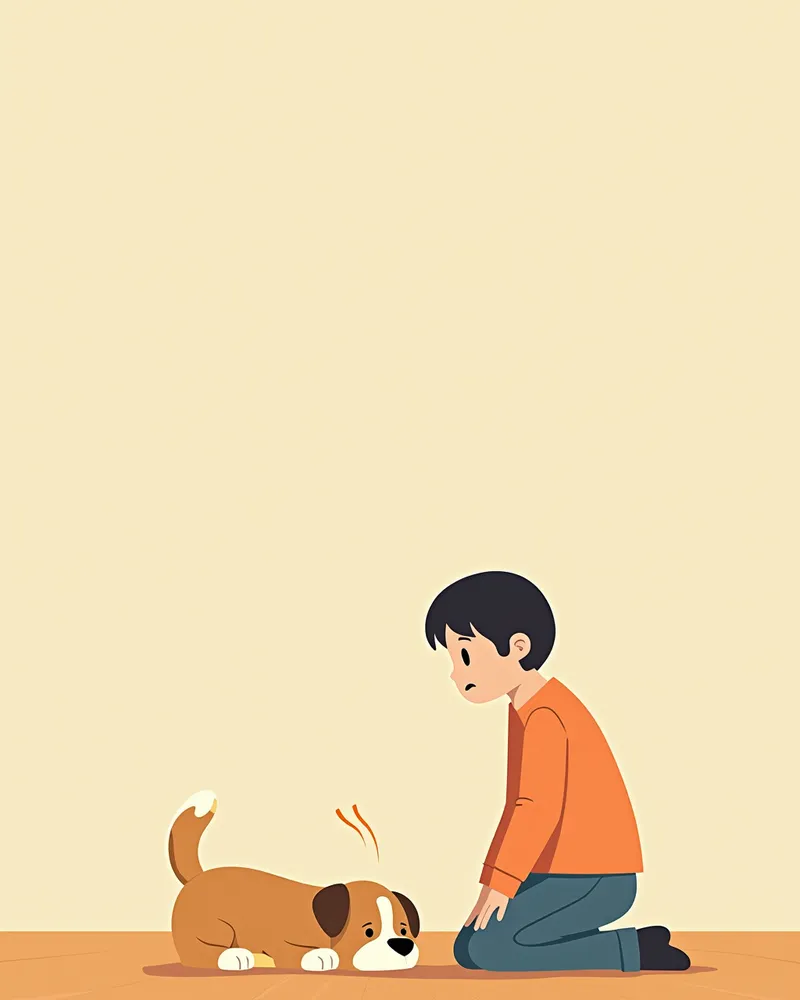
A dog suffering from nicotine poisoning, showing weakness and trembling.

Go to an Emergency Veterinary Clinic Immediately If These Symptoms Appear

Seizures or convulsions, decreased consciousness or collapse, bluish or pale gums, difficulty breathing, and sudden changes in heart rate — these symptoms can worsen rapidly within minutes. Do not attempt to induce vomiting at home; seek immediate veterinary care. For safety, call your veterinarian while en route to the clinic to receive guidance.

Tests and Diagnosis Performed at the Veterinary Clinic

At the veterinary clinic, the first step is to determine the type, amount, and time of ingestion of the product. Next, blood tests are performed to assess liver and kidney function and electrolyte levels, while an electrocardiogram (ECG) checks for any abnormalities in heart rhythm. Although direct measurement of nicotine in the blood is difficult at most general clinics, a diagnosis can be confidently made based on clinical symptoms and exposure history alone. Bringing the ingested product (such as cigarettes, patches, or e-liquid) to the clinic will significantly speed up the diagnostic process.

Treatment Process Performed by the Veterinarian
According to veterinary toxicology textbooks, the key to treating nicotine poisoning is rapid gastrointestinal decontamination and supportive care.
Inducing vomiting: This is safely performed at the clinic only if the dog has ingested a solid product and is not yet showing symptoms. It is less effective for liquid products due to their rapid absorption, and dogs often vomit spontaneously shortly after ingestion.
Activated charcoal administration: This is used to reduce the absorption of any remaining nicotine.
Fluid and supportive therapy: This corrects dehydration and stabilizes the patient based on symptoms. Electrolyte levels should also be monitored when activated charcoal is administered.
Cardiac and respiratory monitoring: The patient is observed until heart rate and respiration return to normal.
Mild cases typically stabilize within 1–2 hours, while severe cases may take 18–24 hours. The prognosis is generally good if the dog survives the first four hours, although high-dose ingestions may require intensive care.
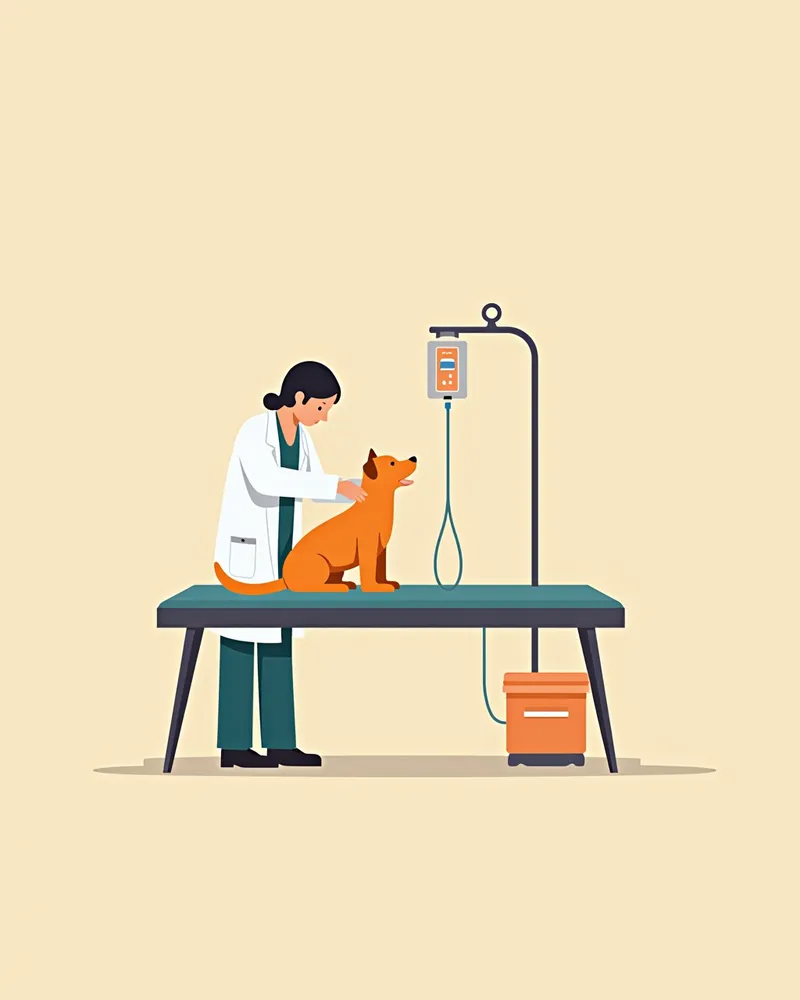
A puppy receiving intravenous fluid therapy at the animal hospital

Emergency Measures Owners Should Take Before Going to the Clinic
Before heading to the clinic, be sure to check these points.
Call your veterinarian first: Inducing vomiting at home without professional guidance can be dangerous. Do not attempt this unless instructed.
Identify the ingested product: Determine exactly what your pet consumed and estimate the amount.
Record the time of ingestion: Knowing the precise time helps expedite the treatment plan.
Save any vomit: If your pet has already vomited, bring the sample to the clinic, as it can aid in diagnosis.
Never force your pet to drink water or attempt home remedies such as salt water or hydrogen peroxide.
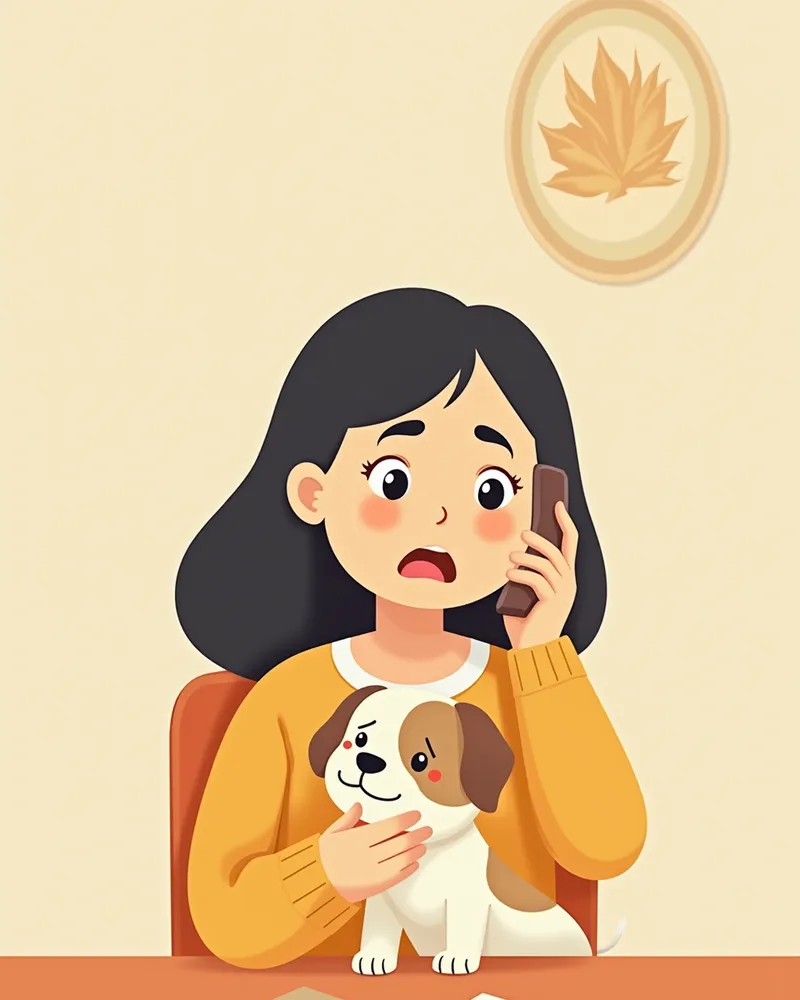
A pet owner calling a veterinarian in an emergency situation involving nicotine poisoning in a dog

How to Prevent Nicotine Poisoning

- Cigarettes and butts in a lockable trash can: Keep ashtrays and cigarette butts completely out of your dog’s reach. - E-cigarette liquids and devices: Don’t leave them in bags or pockets—store them in a locked drawer. - Used nicotine patches: Even after use, they still contain significant amounts of nicotine, so dispose of them in a secure, lockable container. - Be cautious during walks: Pay extra attention to cigarette butts on park grounds and near roadside ashtrays.

Reviewed by a veterinarian

Dr. Tony — Punnawat Phongkittirak

Dr. Tony — Punnawat Phongkittirak

Veterinarian

A veterinarian who majored in veterinary medicine at Khon Kaen University, Thailand, and completed the IVSA program at North Carolina State University in the United States. Drawing on clinical experience at animal hospitals, he works in the pet healthcare field and is dedicated to building a digital care environment that connects pet parents with veterinarians.

Frequently Asked Questions

My dog ate a cigarette butt. Should I take it to the vet immediately?
Yes, it’s best to contact your veterinarian right away. Even cigarette butts contain residual nicotine, and textbooks note that symptoms can appear at doses as low as approximately 1 mg per kilogram of body weight (about 5 mg for a 5 kg dog). For small dogs weighing 5 kg or less, even small amounts can fall within the toxic range. Therefore, even if your dog shows no symptoms, please call your vet and provide the estimated amount ingested and your dog’s weight first.
Is it safe to induce vomiting at home?
It’s always best to call your veterinarian first and follow their instructions. If your dog is already showing symptoms like seizures or lethargy, never induce vomiting. Home remedies like salt water or hydrogen peroxide can be even more dangerous for dogs.
Are e-cigarettes more dangerous than regular cigarettes?
E-liquid often contains high concentrations of nicotine, and because it’s in liquid form, it’s absorbed very quickly. Even a small amount can cause severe poisoning, making it potentially more dangerous than regular cigarettes. If your dog has licked even a tiny amount of e-liquid, seek veterinary care immediately.
Will there be any aftereffects following treatment?
With prompt treatment, most pets recover fully without any lasting effects. However, in cases of severe poisoning or delayed treatment, there may be residual impacts on the heart or nervous system. After discharge, your veterinarian may recommend follow-up examinations to monitor your pet’s health.
Are used nicotine patches also dangerous?
Yes, a significant amount of nicotine remains in the patch after use. Accidents where dogs retrieve and ingest used patches from trash cans are actually quite common. Always dispose of used patches in a locked trash bin or a dedicated container to prevent access.

Share

Related Guides

References

[1] Osweiler GD et al., Blackwell's Five-Minute Veterinary Consult Clinical Companion: Small Animal Toxicology, 3rd Edition, Wiley-Blackwell, 2016

[2] Schaer M et al., Clinical Medicine of the Dog and Cat, 4th Edition, CRC Press, 2022

[3] Plumb DC, Plumb's Veterinary Drug Handbook, 10th Edition, Wiley-Blackwell, 2023

This information is based on veterinary literature and does not replace diagnosis or treatment. Please consult a veterinarian for specific health concerns.

Metapet Co., Ltd. | CEO: Park Sung-yong | Business Reg. No. 417-88-02562 | Seoul, South Korea | Customer Center

Dog Nicotine Poisoning: Symptoms, First Aid & Prevention | Meongsiljang