Like
Share
멍실장
강아지 구취(할리토시스) 증상과 원인, 진단·치료와 관리 포인트 총정리

Dog Bad Breath (Halitosis): Symptoms, Causes, Diagnosis, Treatment, and Management Tips

Oral HealthDiseasesMeongsiljang Veterinary Advisory Board

Dog breath can be a sign of not only oral issues but also systemic diseases. Accurately identifying the cause and providing appropriate care are essential.

Dog Bad Breath Can Be a Sign of Not Only Oral Issues but Also Systemic Diseases

A photo of a dog with bad breath, focusing on the area around its face.
Dog bad breath can be more than just a simple odor; it may be an early sign of systemic diseases such as diabetes, decreased kidney function, or liver disease. If the bad breath suddenly worsens and is accompanied by symptoms like decreased appetite, weight loss, or lethargy, immediate examination is necessary. While bacterial overgrowth in the mouth or tartar buildup can also be causes, internal medical issues cannot be ruled out. - Inadequate dental hygiene: Tartar buildup allows bacteria to multiply, causing odor. - Potential internal diseases: Diabetes, kidney dysfunction, and liver disease may present with bad breath along with other systemic symptoms. - Importance of regular check-ups: If bad breath persists, consult a veterinarian to accurately identify the cause. Early detection increases the success rate of treatment.

The Main Causes of Bad Breath Are Poor Dental Hygiene and Disease
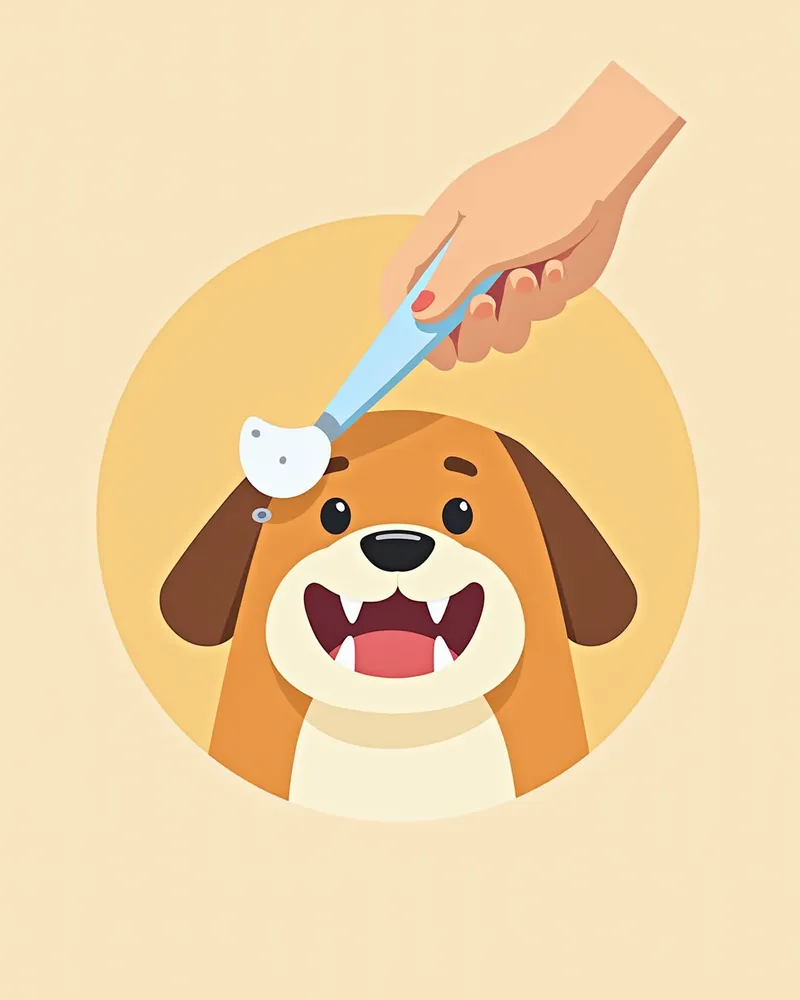
The most common cause of bad breath in dogs is periodontal disease, which affects the tissues surrounding the teeth and gums. When dental hygiene is neglected, plaque and tartar accumulate, allowing bacteria to multiply and produce odor. Other oral conditions, such as gingivitis, periodontitis, and oral ulcers, can also worsen bad breath. In some cases, bad breath may stem from issues outside the mouth, such as gastrointestinal obstruction, liver disease, or metabolic disorders (e.g., ketones from diabetic ketoacidosis or uremia from kidney disease). - Cause of tartar formation: Minerals deposit on plaque and food debris, hardening into a solid mass. - Association with internal diseases: If bad breath occurs alongside systemic symptoms, it may be linked to diabetes, kidney dysfunction, or liver disease. - Need for preventive care: Regular tooth brushing and appropriate treat selection are essential for maintaining oral health.
A veterinarian cleaning a puppy's teeth

Checklist of Key Symptoms Related to Bad Breath
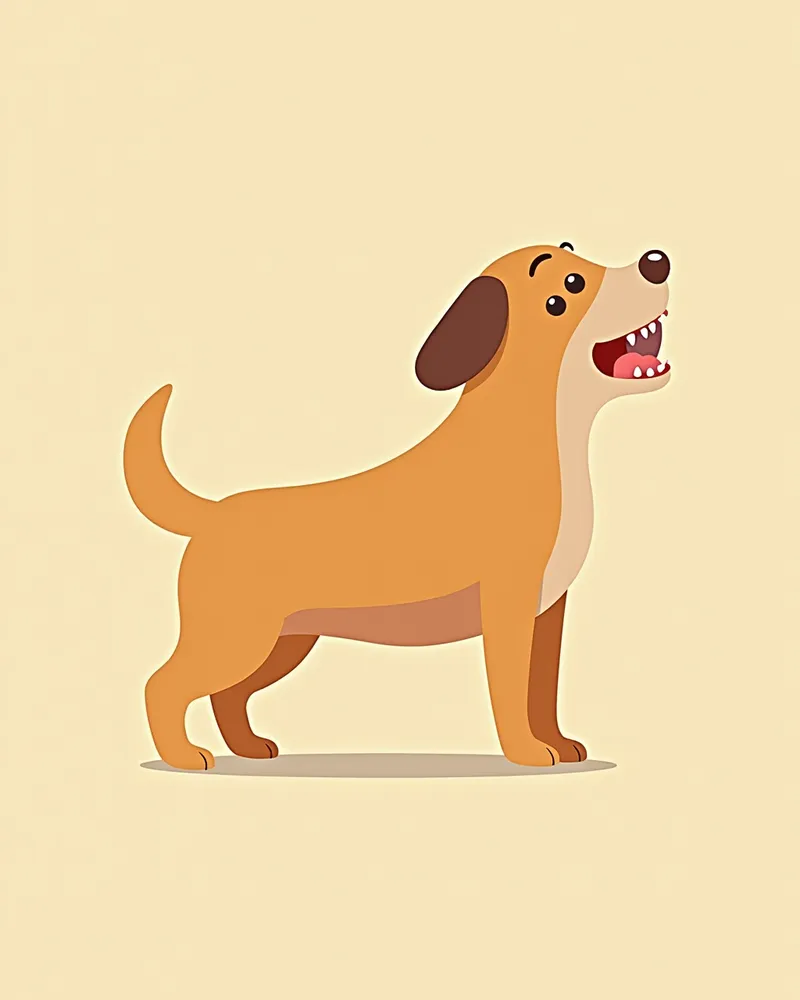
Tartar buildup: You may notice yellow or brown hard deposits in the mouth.
Gum bleeding: Bleeding occurs from the gums during brushing or while eating treats.
Severe bad breath: The odor is persistent and noticeable even from a close distance.
Refusal to eat: The pet avoids eating due to mouth pain.
Irritation around the mouth: Increased licking or sucking motions around the mouth.
Weight loss: Reduced food intake due to discomfort leads to weight loss.
A side view of a dog with swollen gums and significant tartar buildup.

When to Visit the Vet Immediately

If your pet has severe bad breath, sudden weight loss, loss of appetite, lethargy, or repeated vomiting and diarrhea, an urgent veterinary visit is necessary. These symptoms may indicate serious systemic conditions such as diabetes, kidney disease, or liver disease. Since internal medical issues are possible, immediate professional examination is required.

Tests Performed by the Veterinarian for Accurate Diagnosis
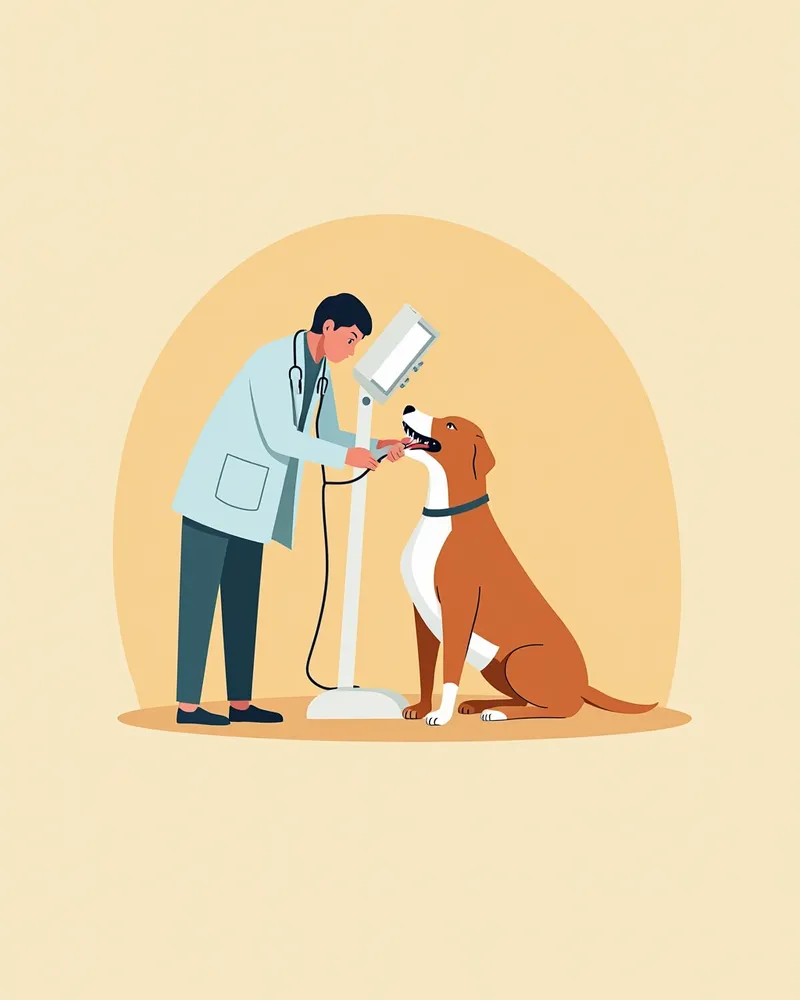
To pinpoint the exact cause of bad breath, your veterinarian will perform a range of diagnostic tests. Blood and urine tests help identify internal medical conditions such as kidney disease, liver dysfunction, or diabetes. Dental health is assessed in detail through dental X-rays or endoscopy. Cardiac ultrasound and chest X-rays are used to check for heart disease. - Blood test: A foundational test to evaluate overall systemic health. - Dental X-ray: Identifies issues in the tooth roots and deep within the gums. - Urine test: Assesses kidney function and screens for diabetes. Without a clear diagnosis, treatment is unlikely to be effective.
A veterinarian taking an X-ray of a puppy's teeth

Treatment Is Carried Out Step by Step Depending on the Cause

Treating bad breath requires identifying the underlying cause and proceeding step by step. Tartar removal is performed through scaling under general anesthesia, while gingivitis is managed with a combination of antibiotics and antiseptic treatments. Internal medical conditions require medication tailored to the specific disease. - Scaling Treatment: Removes tartar to reduce the environment in which bacteria thrive. - Medication: Prescribed medications are administered depending on whether the issue is gingivitis or a systemic condition. - Regular Maintenance: Consistent oral care remains essential even after treatment. If the root cause is not addressed, bad breath may return. It is important to develop a treatment plan together with your veterinarian.
A photo of a puppy recovering after dental surgery

Bad Breath Management Tips You Can Do at Home

- Regular Brushing: Brush your dog’s teeth 3 to 5 times a week using a toothbrush and toothpaste specifically designed for dogs. - Dental Treats: Choose treats that help prevent tartar buildup. However, treats alone are unlikely to provide sufficient benefits. - Adequate Water Supply: Ensure your dog drinks plenty of water to help keep their mouth clean. - Post-Meal Care: Take care to prevent food debris from remaining in the mouth after eating. - Regular Check-ups: Have your dog’s oral health examined by a veterinarian every six months. - Lifestyle Adjustments: Maintain oral health by managing treat and meal habits. Consistent care is the key to preventing bad breath.
A puppy chewing on a dental health treat

Precautions for Senior Dogs and by Breed

Dental diseases, including periodontal disease, are very common in dogs but are often diagnosed late because early-stage symptoms are rarely visible. Therefore, regular oral examinations that also assess overall health are especially important for older dogs. Consistent oral care is essential for all dogs, regardless of breed.

Reviewed by a veterinarian

Dr. Tony — Punnawat Phongkittirak

Dr. Tony — Punnawat Phongkittirak

Veterinarian

A veterinarian who majored in veterinary medicine at Khon Kaen University, Thailand, and completed the IVSA program at North Carolina State University in the United States. Drawing on clinical experience at animal hospitals, he works in the pet healthcare field and is dedicated to building a digital care environment that connects pet parents with veterinarians.

Frequently Asked Questions

Could my dog's bad breath just be a habit?
No. It may not be a simple habit, but rather a sign of dental issues or systemic diseases. If it persists, it is essential to have your pet examined by a veterinarian.
Can treats alone reduce bad breath?
While some dental treats can be helpful, relying on treats alone without brushing and regular check-ups is unlikely to provide sufficient benefits. Their effectiveness may be limited.
Does a dog with severe bad breath need surgery?
If your pet has severe bad breath, they may need tartar removal (scaling) under general anesthesia. The veterinarian will assess their dental condition and make the final decision.
When should you start cleaning your pet’s mouth?
It’s a good idea to gradually get your puppy used to brushing its teeth from an early age. You can start as early as three months old.
Is it safe to give my pet medication for bad breath?
Bad breath medications may only provide temporary relief. Since addressing the underlying cause is crucial, do not administer any medication without your veterinarian’s guidance.

Share

Related Guides

References

This information is based on veterinary literature and does not replace diagnosis or treatment. Please consult a veterinarian for specific health concerns.

Metapet Co., Ltd. | CEO: Park Sung-yong | Business Reg. No. 417-88-02562 | Seoul, South Korea | Customer Center

Dog Bad Breath (Halitosis): Causes, Treatments, and Management Tips | Meongsiljang