
Sudden Weight Gain and Hair Loss in Cats — Causes and Treatment Timing for Ectopic ACTH Syndrome
Feline ectopic ACTH syndrome is an endocrine disorder in which abnormal tissues secrete ACTH, leading to excessive production of adrenal cortex hormones. Symptoms include increased urination and thirst, increased appetite, weight gain, and skin changes.
What is Feline Ectopic ACTH Syndrome?
What are the Main Causes of This Condition?
What are the Main Symptoms and Signs?
Signs Requiring Immediate Veterinary Visit
If your cat suddenly shows severe muscle weakness, lethargy, or difficulty breathing, you should take them to the vet immediately. Cats are at risk of developing heart failure or diabetes (which may be temporary) due to excess glucocorticoids. Additionally, if their appetite completely disappears and they stop drinking water, the risk of dehydration increases significantly. These symptoms can be life-threatening, so it is important to consult with a veterinarian right away.
Diagnostic Tests for Accurate Diagnosis
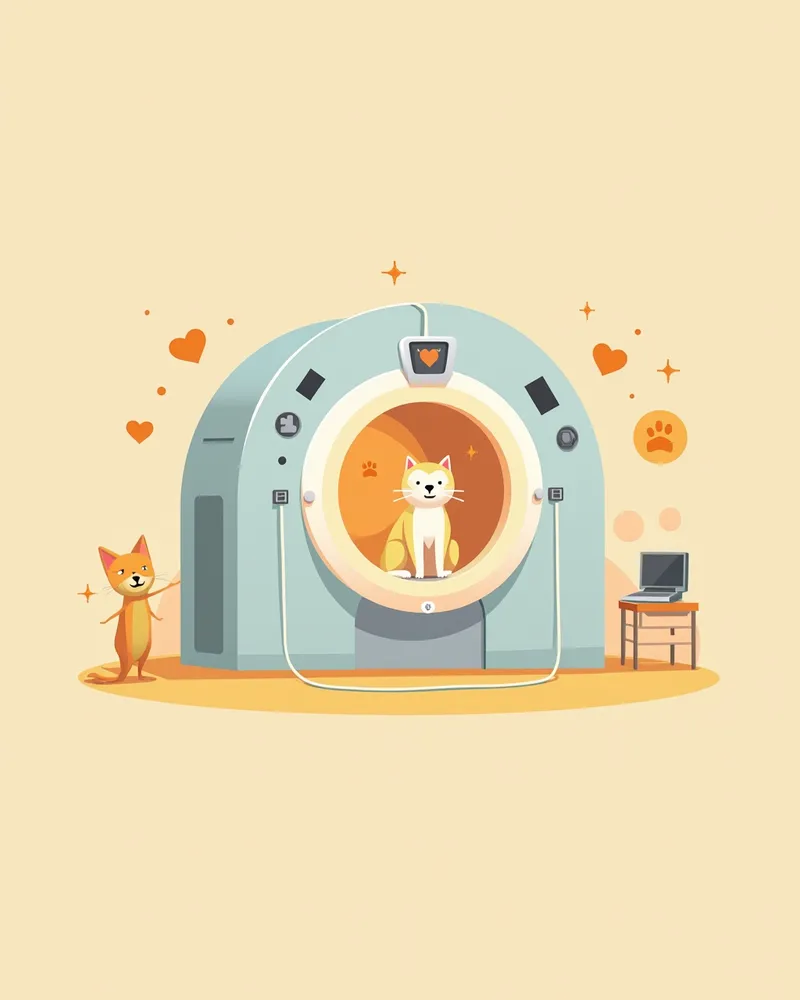
Treatment Methods and Step-by-Step Approach
Management Points at Home

Breed-Specific Precautions and Prevention of Recurrence
Feline ectopic ACTH syndrome is more common in older cats than in specific breeds, so extra vigilance is needed for cats over 10 years of age. Regular health check-ups and blood tests are essential to prevent recurrence. While on medication, closely monitor for side effects and consult your veterinarian for any necessary adjustments. Early detection helps reduce the risk of recurrence.
Reviewed by a veterinarian

Dr. Tony — Punnawat Phongkittirak
VeterinarianA veterinarian who majored in veterinary medicine at Khon Kaen University, Thailand, and completed the IVSA program at North Carolina State University in the United States. Drawing on clinical experience at animal hospitals, he works in the pet healthcare field and is dedicated to building a digital care environment that connects pet parents with veterinarians.
Reviewed 2026-06-01
Frequently Asked Questions
Is ectopic ACTH syndrome in cats treatable?
Is this condition genetic?
What side effects can occur during medication treatment?
Polyuria and polydipsia can mimic symptoms of other conditions. How can we tell them apart?
How long is the expected survival period after treatment?
Share
Related Guides

Top 5 Prescription Dog Foods for Diabetes Recommended by Veterinarians — Blood Sugar-Stabilizing Food Comparison
7 Key Products for Managing Feline Hypercalcemia Recommended by Veterinarians and Selection Criteria
7 Key Points for Canine Thyroid T4 Testing by Veterinarians — From Timing to Result Interpretation
When to Start Oral Check-ups for Your Cat? — Signs Not to Miss and Recommended Frequency
Is Feline Anesthesia for Dental Procedures Safe? — Warning Signs and Safety Management Checklist

Canine Squamous Cell Carcinoma: Causes, Symptoms, Diagnosis, Treatment, and Management Tips
When Is Radiation Therapy Needed for Cats? — A Complete Guide to Indications and Timing
Cat Cancer Screening: A Complete Guide to Early Detection Warning Signs and Timing
Worried About Your Cat’s Cancer-Related Loss of Appetite? Key Dietary Management for Tumor Nutritional Support
My Dog Is Constantly Lethargic and Weak — Symptoms of Portosystemic Shunt and Surgical Timing
References
[1] Feldman, E.C. et al. (2020) Textbook of Veterinary Internal Medicine, 9th ed. Elsevier.
[2] Lloyd, D.H. et al. (2019) Endocrinology of the Cat. Veterinary Clinics of North America: Small Animal Practice, 49(4), 675–692.
[3] Hoskins, J.D. et al. (2021) Diagnostic Imaging in Feline Endocrinology. Journal of Feline Medicine and Surgery, 23(5), 456–468.