Like
Share
멍실장
고양이 달팽이약중독 증상과 응급 대처법, 위험 섭취량과 예방까지 총정리

If Your Cat Ingested Slug Bait — Metaldehyde Poisoning Symptoms and Emergency Response

Emergency/ToxicityDiseasesMeongsiljang Veterinary Advisory Board

If a cat ingests slug bait containing metaldehyde, neurotoxic signs such as seizures and hyperthermia may appear within 1–2 hours of ingestion. Regardless of whether symptoms are present, you should take your cat to an emergency veterinary clinic immediately if ingestion is suspected.

What Is Metaldehyde Poisoning in Cats?

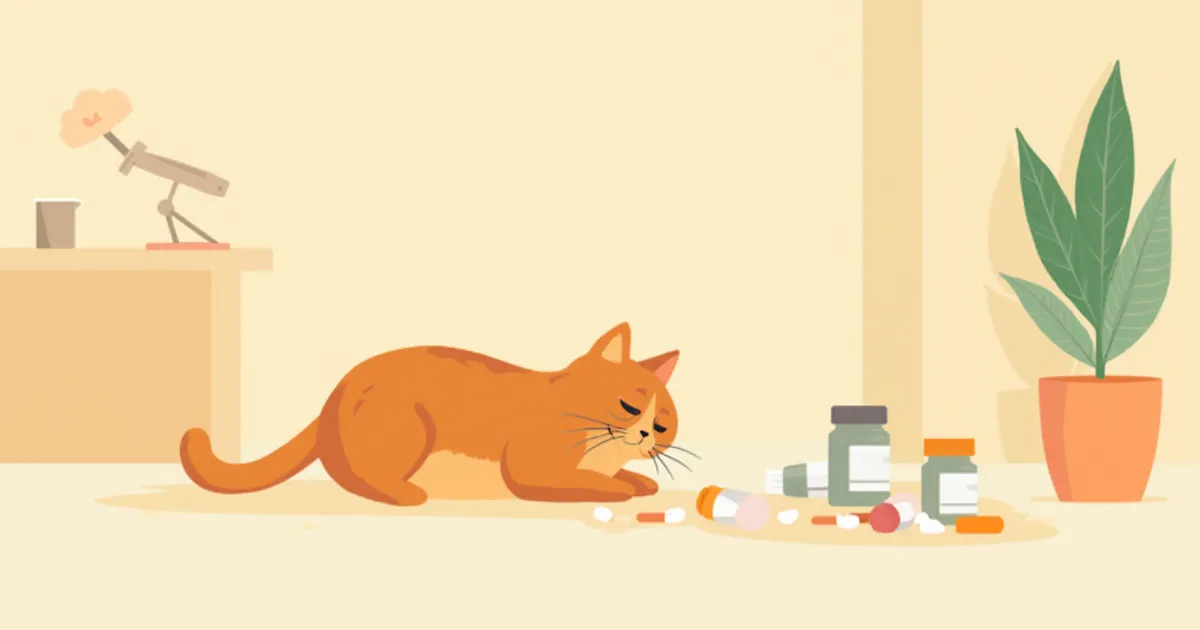
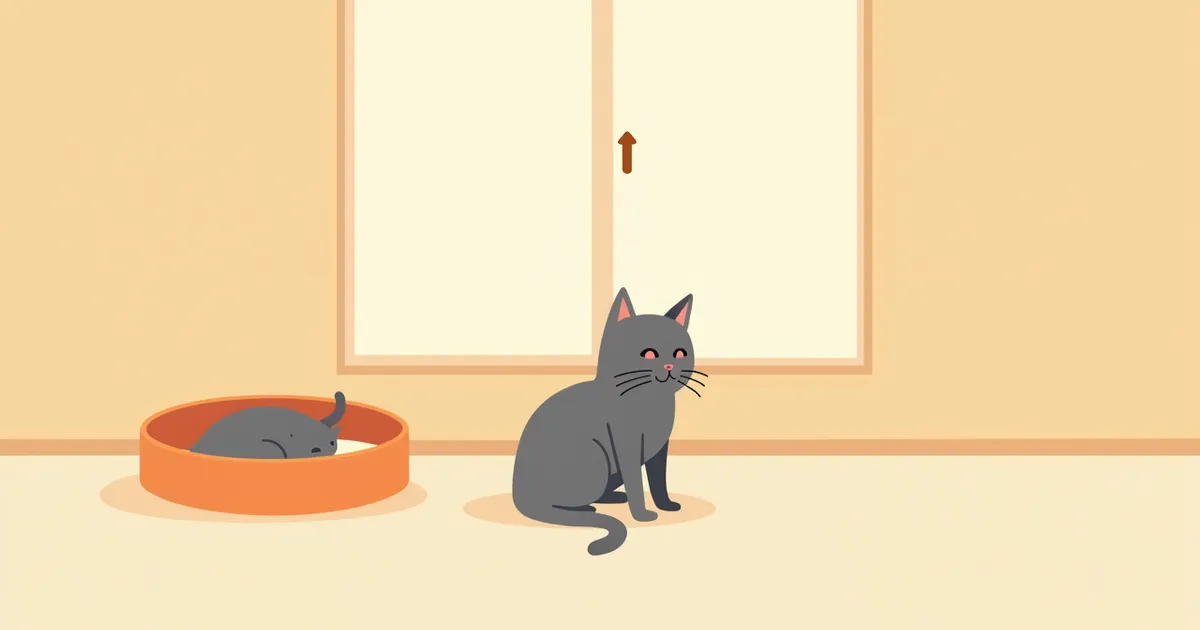
A cat near the snail pesticide granules scattered in the garden
Metaldehyde poisoning in cats is a neurotoxic condition caused by ingestion of metaldehyde, the active ingredient in garden slug and snail baits. It overstimulates the nervous system, leading to muscle tremors, seizures, and hyperthermia. Without treatment, persistent seizures and elevated body temperature can become life-threatening. Although symptoms may not be immediately apparent after ingestion, the condition can deteriorate rapidly within a short period. If you suspect your cat has ingested slug bait, seek emergency veterinary care immediately.

Effects of Metaldehyde on the Cat’s Body

Metaldehyde is the active ingredient in granular and pellet-form slug and snail baits sold commercially. Cats can become poisoned if they are attracted to the scent and ingest the product directly, or if they lick soil in a garden where the bait has been applied. Once absorbed into the body, metaldehyde acts as a neurotoxin that overstimulates the nervous system. This leads to a cascade of symptoms, including muscle tremors, seizures, and hyperthermia. The condition is particularly dangerous because prolonged seizures and uncontrolled hyperthermia can cause delayed liver or kidney dysfunction, which may appear several days after the initial exposure.

Main Symptoms of Metaldehyde Poisoning in Cats
Symptoms typically begin within 30 minutes to 2 hours after ingestion. If you notice any of the following signs, seek immediate veterinary care.
Muscle tremors: Persistent shaking of the entire body or specific areas.
Seizures or convulsions: Loss of consciousness or violent, uncontrolled body movements.
Ataxia: Staggering, loss of coordination, or inability to walk properly.
Excessive drooling: Salivating significantly more than usual.
Rapid breathing: Labored, fast breathing accompanied by a rapid heartbeat.
Hyperthermia: Body temperature rising above 40°C.
Vomiting: Hunching the abdomen or vomiting.
A cat being examined for signs of snail bait poisoning

Go to the Emergency Clinic Immediately If You See These Symptoms

If you witness your pet ingesting snail bait, or if they exhibit seizures, loss of consciousness, or a body temperature exceeding 40°C, seek emergency veterinary care immediately without delay. Do not attempt to induce vomiting at home, as this poses a risk of airway obstruction during seizures. Even if the ingested amount appears small, do not assume it is safe; always bring the snail bait packaging to the clinic.

Dangerous Ingestion Amounts of Metaldehyde for Cats

Veterinary textbooks do not provide a precise, quantified threshold for the amount of metaldehyde that is dangerous for cats. This means there is no specific quantity that can be definitively considered "safe." Furthermore, kittens or cats with lower body weight may experience more severe reactions even when exposed to the same amount. Therefore, what truly matters is not "how much was ingested," but rather "whether any was ingested at all." Even small amounts can cause symptoms, so if ingestion is suspected, immediate veterinary care is necessary regardless of the quantity. Bringing the remaining packaging or product with you can greatly assist in diagnosis and treatment.

Diagnostic Methods at the Veterinary Clinic

There is no single routine blood test that can definitively diagnose metaldehyde poisoning. Instead, veterinarians make a diagnosis by combining several approaches:
Review of exposure history: We ask the owner whether the pet ingested slug bait, and if so, when and how much.
Physical examination: We assess body temperature, heart rate, muscle rigidity, and level of consciousness.
Blood tests: We check liver enzymes, kidney function, electrolytes, and blood glucose to evaluate for organ damage.
Imaging and chemical analysis: Some slug bait pellets may be visible on X-rays. If needed, we can test vomit, stomach contents, serum, or urine for the presence of metaldehyde.
Bringing the slug bait packaging or knowing the ingredient name in advance can greatly assist in diagnosis and guide treatment decisions.

Treatment for Metaldehyde Poisoning

Treatment depends on whether symptoms have appeared and how much time has passed since ingestion.
Inducing vomiting: A veterinarian will only induce vomiting if it is within 1–2 hours of ingestion and the pet shows no symptoms. It is strictly prohibited if the pet is experiencing seizures.
Activated charcoal administration: This prevents the intestines from absorbing toxins and is used when vomiting has not been sufficient.
Anticonvulsants: A veterinarian will administer medications to suppress muscle tremors and seizures, dosed according to the pet’s body weight.
Fluid therapy: This corrects dehydration and helps eliminate toxins from the body.
Temperature regulation: If hyperthermia is detected, cooling measures will be implemented alongside other treatments.
Liver function monitoring: Liver enzyme levels will be monitored for several days after discharge.
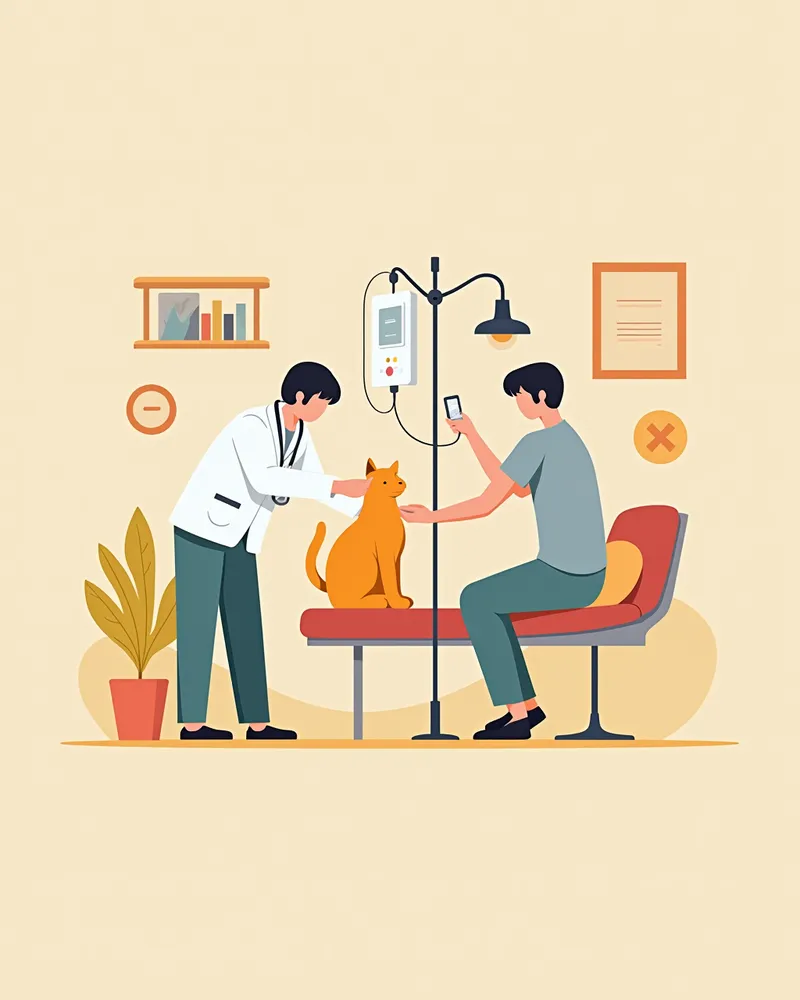
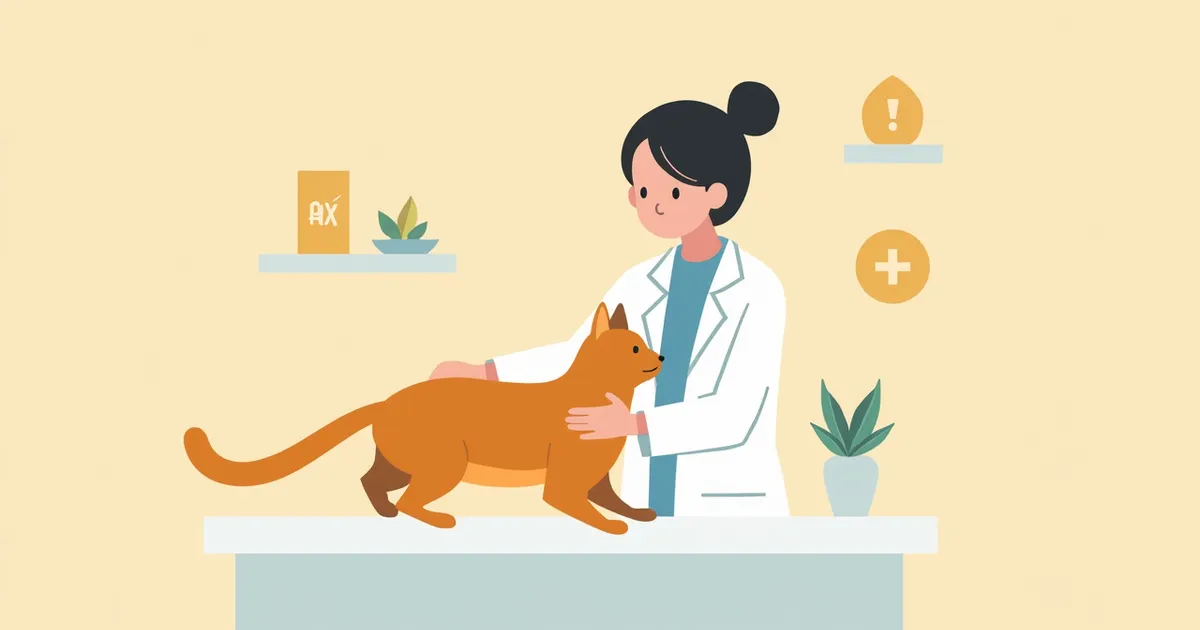
A cat receiving intravenous fluid therapy for treatment of snail bait poisoning

Preventing Metaldehyde Poisoning in Cats

The most effective way to prevent poisoning is to completely remove slug and snail baits from any areas your cat can access.
Secure storage: Keep unused slug and snail baits in a locked container or cabinet that your cat cannot open.
Manage outdoor access: Prevent your cat from entering gardens or flower beds where slug and snail baits have been applied.
Choose safer alternatives: Opt for less toxic slug and snail controls, such as those containing iron phosphate or iron EDTA, instead of metaldehyde.
Monitor outdoor cats: If it’s difficult to prevent exposure to slug and snail baits in neighboring gardens, restricting your cat’s outdoor access is the safest option.
An eco-friendly snail-control garden using copper tape safe for pets

Check These Situations as Well

Indoor cats can also be exposed to slug and snail baits used in balcony planters or indoor gardens. Even after rain, when the granules mix with soil and become invisible, the danger remains. Cats may ingest metaldehyde by hunting and eating slugs or snails that have come into contact with the bait, so caution is essential. Additionally, a cat that has suffered metaldehyde poisoning may experience worsening liver and kidney values several days after recovery. Therefore, it is crucial to monitor the cat closely after discharge and strictly prevent any re-exposure.

Reviewed by a veterinarian

Dr. Tony — Punnawat Phongkittirak

Dr. Tony — Punnawat Phongkittirak

Veterinarian

A veterinarian who majored in veterinary medicine at Khon Kaen University, Thailand, and completed the IVSA program at North Carolina State University in the United States. Drawing on clinical experience at animal hospitals, he works in the pet healthcare field and is dedicated to building a digital care environment that connects pet parents with veterinarians.

Frequently Asked Questions

My pet took the dewormer and is showing no symptoms now. Is it okay to just wait and see?
No, you should never wait. Symptoms may not appear immediately after ingestion but can suddenly manifest later. Head to an emergency animal hospital right away. Bring the slug bait packaging with you, as it will help the veterinarian make an accurate diagnosis.
Should I induce vomiting at home?
Do not induce vomiting at home for slug bait poisoning. If vomiting occurs while the pet is already having seizures, the vomit can be aspirated into the airway, leading to life-threatening complications such as aspiration pneumonia. Vomiting should only be induced by a veterinarian during the early, asymptomatic stage, and only if deemed appropriate.
Are snail medications dangerous even in small amounts?
Even small amounts can be dangerous. Kittens and lightweight cats may react severely to even smaller quantities than adult cats. Don’t assume that “just a little bit” is safe. If you suspect your cat has ingested something harmful, take them to the vet immediately.
Can my pet make a full recovery after treatment?
With prompt veterinary care and appropriate treatment, most pets make a full recovery. However, if seizures persist for an extended period or if elevated body temperature is maintained for a long time, liver or kidney dysfunction may develop several days after recovery. Therefore, it is important to monitor liver enzyme levels and neurological symptoms for several days to one or two weeks following treatment.
Are there safe alternatives to slug and snail bait for pets?
Yes. Veterinary textbooks recommend using slug and snail baits with lower toxicity, such as iron phosphate or iron EDTA, instead of metaldehyde. You can also combine these with non-chemical methods like copper tape or physical barriers. If you have pets at home, it’s best to choose products that do not contain metaldehyde.

Share

Related Guides

References

[1] Hovda, L.R. et al., Blackwell's Five-Minute Veterinary Consult Clinical Companion: Small Animal Toxicology, 3rd Edition, Wiley-Blackwell, 2022

[2] Schaer, M. (ed.), Clinical Medicine of the Dog and Cat, 4th Ed, CRC Press, 2022

[3] Plumb, D.C., Plumb's Veterinary Drug Handbook, 10th Ed, Wiley-Blackwell, 2023

[4] Drobatz, K.J. et al., Feline Emergency and Critical Care Medicine, 2nd Ed, Wiley-Blackwell, 2020

This information is based on veterinary literature and does not replace diagnosis or treatment. Please consult a veterinarian for specific health concerns.

Metapet Co., Ltd. | CEO: Park Sung-yong | Business Reg. No. 417-88-02562 | Seoul, South Korea | Customer Center

Cat Ate Slug Bait? Metaldehyde Poisoning Signs & Response | Meongsiljang