Like
Share
멍실장
고양이 세균성 폐렴 증상과 원인, 진단·치료와 관리 포인트 총정리

Feline Bacterial Pneumonia: Symptoms, Causes, Diagnosis, Treatment, and Management Essentials

RespiratoryDiseasesMeongsiljang Veterinary Advisory Board

Feline bacterial pneumonia is a condition in which the lungs become inflamed due to a bacterial infection, with main symptoms including difficulty breathing, coughing, and fever. Early diagnosis and appropriate treatment are essential.

What is Feline Bacterial Pneumonia?
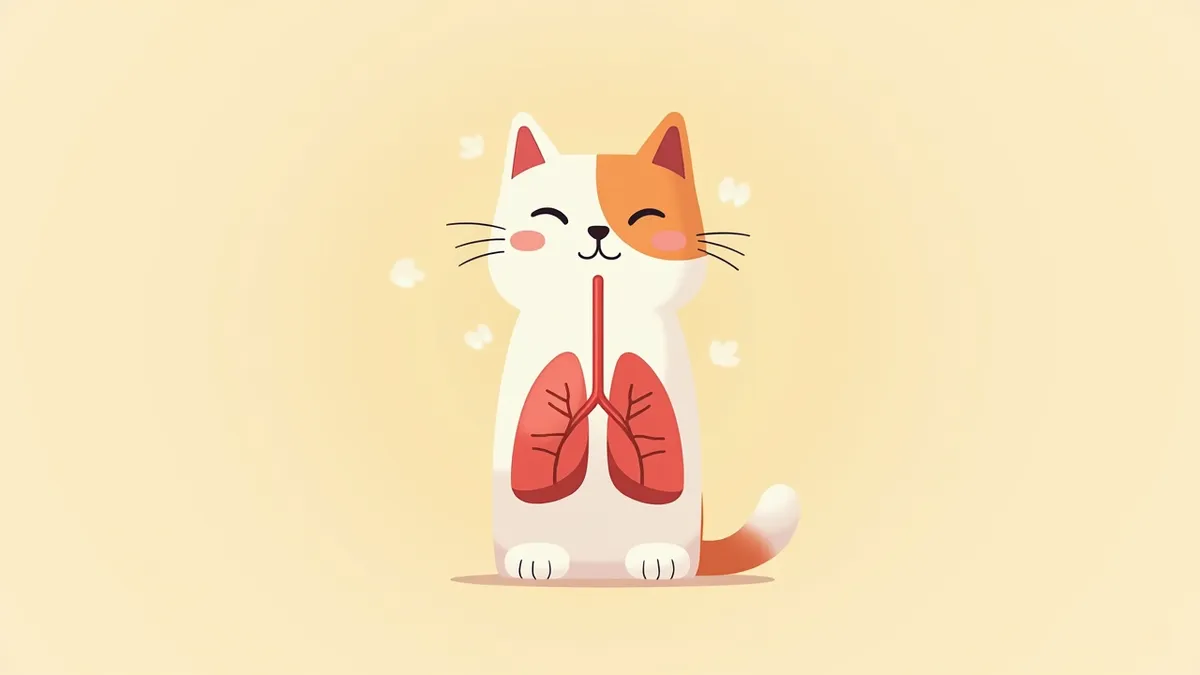
An anatomical illustration highlighting the inflamed areas of a cat's lungs
Feline bacterial pneumonia is a respiratory disease characterized by inflammation of the lung tissue due to bacterial infection. Cats with weakened immune systems or those exposed to pathogenic bacteria are at higher risk. Kittens and cats with chronic conditions are particularly vulnerable. Because the disease can progress rapidly even with mild initial symptoms, early detection is key to successful treatment. Inflammation in the lungs impairs oxygen supply, which can lead to severe difficulty breathing. Therefore, it is important to consult a veterinarian immediately if early signs appear.

Main Causes and Pathogenesis

The primary causes of bacterial pneumonia in cats include pathogenic bacteria such as Streptococcus, Pasteurella, intestinal bacteria like Escherichia coli, and Stenotrophomonas. Bacteria such as Mycoplasma and Bordetella can also be responsible. These bacteria invade the lower respiratory tract through the airways, colonize the tissue, and trigger inflammation. When the immune system is compromised, resistance to bacteria decreases, making infection more likely. Stress, nutritional deficiencies, and underlying diseases can further facilitate the spread of pathogens. Additionally, existing upper respiratory infections or viral respiratory diseases can make it easier for bacterial infections to take hold. Therefore, maintaining immune health and managing the environment are key to prevention.
Microscopic image of bacterial colonies within lung tissue

Main Symptoms and Signs

The main symptoms of bacterial pneumonia in cats include coughing, difficulty breathing, fever, loss of appetite, and lethargy. If you notice your cat breathing rapidly or panting with its mouth open, seek veterinary care immediately.
Coughing: Repeated dry coughing or attempts to clear mucus.
Difficulty breathing: Labored breathing, sometimes with the mouth open.
Fever: Elevated body temperature. However, many cats with bacterial pneumonia do not develop a fever, so do not assume your cat is fine just because there is no fever.
Loss of appetite: A noticeable decrease in food intake.
Lethargy: Remaining inactive and staying in one place all day.
A cat experiencing difficulty breathing

When to Seek Immediate Veterinary Care

If your pet is having severe difficulty breathing, breathing with its mouth open, experiencing a significant rise in body temperature, or coughing up blood-tinged or purulent mucus, consult a veterinarian immediately.

Accurate Diagnostic Methods
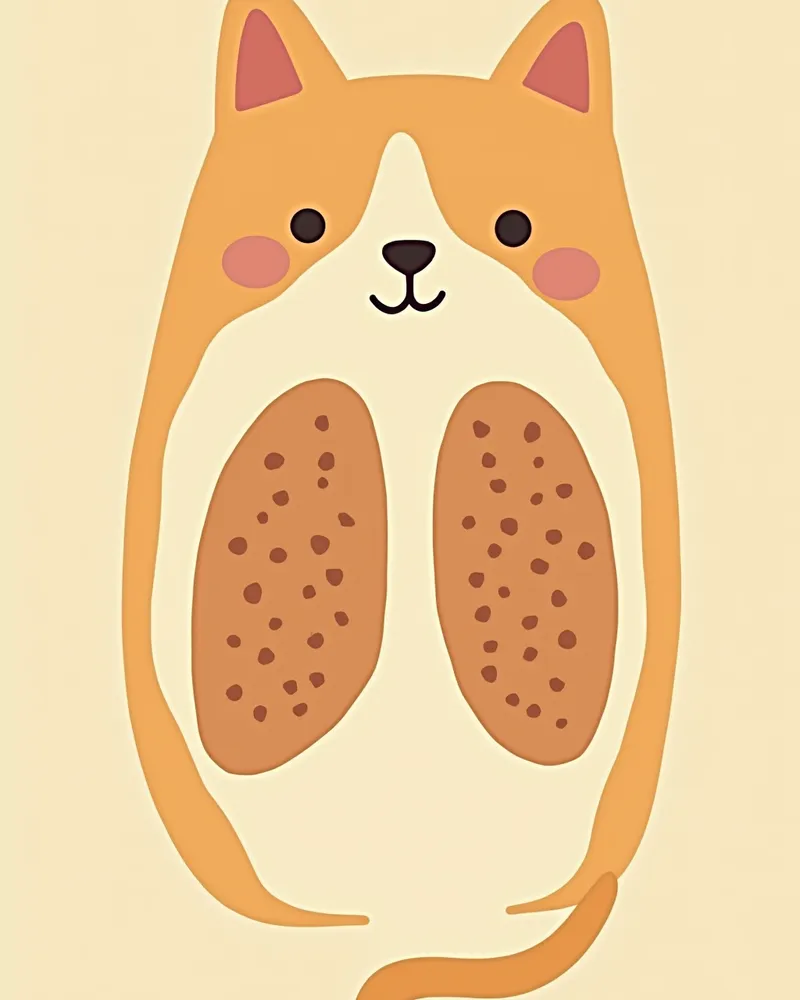
Feline bacterial pneumonia is diagnosed through chest X-rays and blood tests. On an X-ray, hazy shadows or areas of increased density in the lungs suggest inflammation. Blood tests can reveal signs of an inflammatory response, such as an elevated white blood cell count. However, abnormalities are not always detected during a physical examination. If necessary, samples of tracheal or bronchial washings are collected for bacterial culture and antibiotic susceptibility testing. This process helps identify the specific bacteria causing the infection and determine the most effective medication. Additionally, testing for FeLV and FIV is recommended in cats. Since bacterial pneumonia can be life-threatening, empirical antibiotic therapy is often started immediately while waiting for culture results.
An image showing inflammatory spots in the lungs on a cat's chest X-ray

Treatment Methods and Step-by-Step Management

Treating bacterial pneumonia in cats centers on administering antibiotics. Your veterinarian will prescribe an antibiotic tailored to the specific bacteria causing the infection, and it’s crucial to give it consistently for the full recommended duration. While a treatment course of 4 to 6 weeks is often suggested, there is limited evidence firmly supporting this timeframe, so your vet will determine the actual duration based on follow-up test results. Even if your cat’s symptoms improve, do not stop the medication prematurely. Additionally, cats may respond less favorably to antibiotic therapy than dogs, making close monitoring of their progress especially important. Supportive care for accompanying symptoms may include cough suppressants, bronchodilators, and oxygen therapy.
Antibiotic Therapy: It is essential to administer the correct antibiotic targeted at the infecting bacteria.
Cough Suppression: Helps reduce fatigue caused by persistent coughing.
Oxygen Therapy: Necessary in cases of severe respiratory distress.
Hydration: Encourages fluid intake to prevent dehydration.
Rest: Provides a quiet environment to help conserve energy.
A veterinarian administering antibiotics to a cat

Home Care Points

During recovery from bacterial pneumonia, cats should rest in a quiet, warm environment. Avoid airborne irritants such as dust, perfumes, and cigarette smoke, which can inflame the airways. Regular ventilation and maintaining appropriate humidity support respiratory health. If appetite decreases, offer small, frequent meals and encourage fluid intake. Administer antibiotics at consistent intervals, and do not stop treatment prematurely even if symptoms improve. Regular check-ups and follow-up examinations with your veterinarian throughout the treatment period ensure safe and effective recovery.
An indoor environment where cats can rest comfortably

Preventing Recurrence and Breed Considerations

Cats with long-term immune suppression or chronic respiratory diseases are at higher risk of recurrence. In some cats, pneumonia may recur repeatedly, so it’s important to monitor symptoms and schedule regular check-ups.

Reviewed by a veterinarian

Dr. Tony — Punnawat Phongkittirak

Dr. Tony — Punnawat Phongkittirak

Veterinarian

A veterinarian who majored in veterinary medicine at Khon Kaen University, Thailand, and completed the IVSA program at North Carolina State University in the United States. Drawing on clinical experience at animal hospitals, he works in the pet healthcare field and is dedicated to building a digital care environment that connects pet parents with veterinarians.

Frequently Asked Questions

Can bacterial pneumonia in cats be transmitted to humans?
In general, these infections are not easily transmitted to humans. However, certain bacteria, such as Pasteurella, can rarely be passed to people through bites or exposure to saliva, so it’s important to wash your hands thoroughly after coming into contact with an infected cat.
Will the illness return if I stop the antibiotics?
Stopping antibiotics too early can allow bacteria to survive and cause a relapse. It’s important to continue the medication for the full duration prescribed by your veterinarian.
Can a cough alone be a sign of pneumonia?
Coughing can be an early sign of pneumonia. If your pet’s cough persists for several days or worsens over time, it’s wise to suspect pneumonia and have them examined by a veterinarian.
If a cat has had pneumonia, can it be prevented from happening again?
You can reduce the risk of recurrence by boosting your pet’s immune system, managing their environment, and scheduling regular check-ups. It’s important to minimize stress and overcrowding, as well as block potential sources of infection.
Can recovery occur without supplemental oxygen?
In mild cases, recovery is possible without supplemental oxygen. However, if respiratory distress is severe, providing oxygen is essential.

How to Handle Symptoms of Bacterial Pneumonia by Severity

ItemMain symptomsResponse methodWhether a hospital visit is needed
MildSlight cough, slight breathing difficultyTake antibiotics, rest, environmental managementOutpatient management possible after veterinary examination
ModeratePersistent cough, fever, decreased appetiteAdminister antibiotics, provide oxygen, provide hydrationImmediate hospital visit needed
SevereOpen-mouth breathing, phlegm from the mouth, lethargyInpatient treatment, intravenous injection, oxygen therapyEmergency hospital visit essential

Since the treatment strategy varies depending on the severity of symptoms, accurate assessment is important.

Share

Related Guides

References

[1] The Cat, Clinical Medicine and Management, 2nd Edition, 2020

[2] Textbook of Respiratory Disease in Dogs and Cats, 2018

[3] Small Animal Critical Care Medicine, 3rd Ed, 2021

This information is based on veterinary literature and does not replace diagnosis or treatment. Please consult a veterinarian for specific health concerns.

Metapet Co., Ltd. | CEO: Park Sung-yong | Business Reg. No. 417-88-02562 | Seoul, South Korea | Customer Center

Feline Bacterial Pneumonia: Symptoms, Causes, and Treatment Guide | Meongsiljang