Like
Share
멍실장
강아지 사회화 적기(생후 3~14주) 증상과 원인, 진단·치료와 관리 포인트 총정리

Comprehensive Guide to Puppy Socialization Critical Period (3–14 Weeks): Symptoms, Causes, Diagnosis, Treatment, and Management

Lifestyle & Age CareDiseasesMeongsiljang Veterinary Advisory Board

The critical socialization window for puppies is a vital developmental stage that occurs between 3 and 14 weeks of age. Without proper stimulation during this period, your puppy may develop long-term anxiety and aggression issues.

The Critical Socialization Window for Puppies Is a Key Developmental Stage Between 3 and 14 Weeks of Age
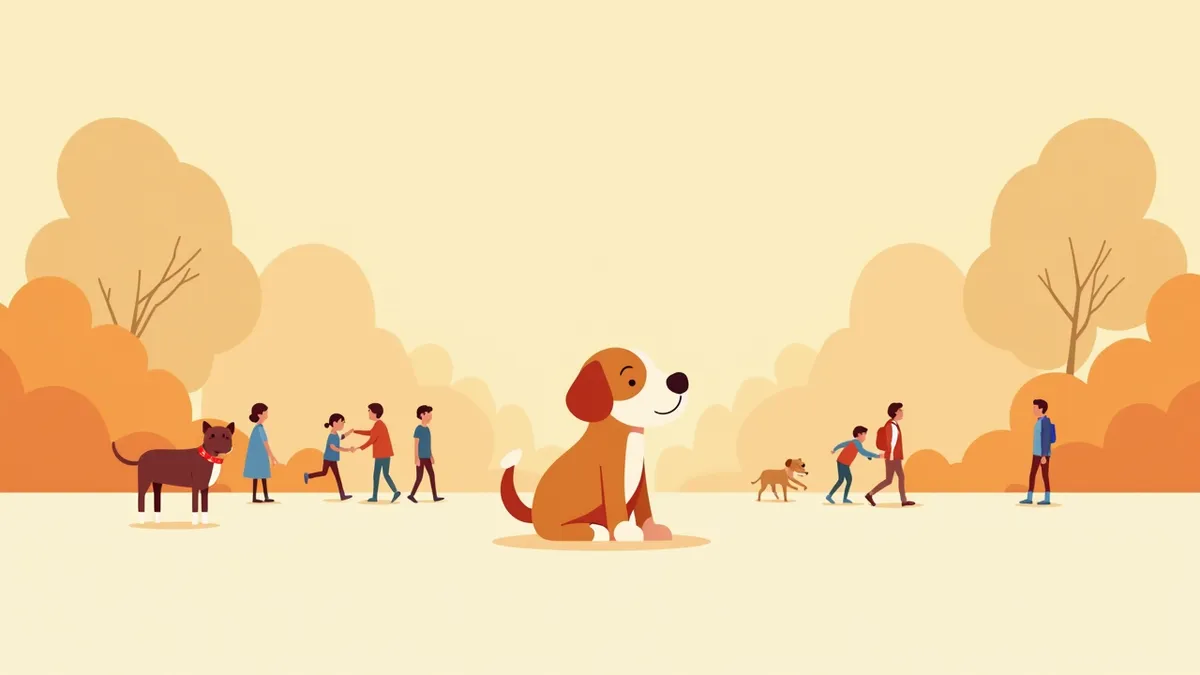
A puppy calmly enjoying a park filled with various people and animals.
The critical socialization window for puppies is a key developmental stage occurring between 3 and 14 weeks of age, when they are most receptive to external stimuli. If puppies do not receive appropriately leveled positive exposure to various people, animals, sounds, and environments during this period, they may develop fear and avoidance behaviors toward unfamiliar people or situations. During this time, the quality of experiences matters more than the frequency of stimuli in shaping behavior. - Critical Socialization Period: Between 3 and 14 weeks of age, puppies are highly sensitive to external stimuli and easily form preferences. Without appropriate stimulation, anxiety-related behaviors may persist. - Insufficient Environmental Stimulation: Inadequate exposure to novel stimuli can lead to entrenched fear of unfamiliar people or situations, which becomes harder to correct after the socialization period ends. - Importance of Positive Experiences: Positive reinforcement, such as treats and praise, helps create positive associations with new stimuli. The quality of these experiences is more important than the quantity of stimuli. - Role of the Owner: Gradually introduce stimuli in a safe environment and respect the puppy’s pace, allowing them to approach and explore at their own comfort level. Forcing a puppy to confront something they find frightening can intensify their fear. Proper management during this period can help ensure a stable temperament into adulthood.

The Core Causes of the Critical Socialization Window Are Physiological Sensitivity and Lack of Environmental Stimulation

The critical window for puppy socialization is driven by specific brain development patterns and the need for environmental stimulation between 3 and 14 weeks of age. - Physiological Sensitivity: During this period, the brain is highly receptive to external stimuli, allowing positive experiences to shape a stable temperament. - Lack of Environmental Stimulation: Without exposure to unfamiliar people, sounds, and objects, fear responses can become ingrained. - Opportunity for Personality Development: Repeated, appropriate stimulation can help reduce avoidance and aggressive behaviors. - The Owner’s Role: Carefully observe your puppy’s stress signals and introduce stimuli gradually. Missing this window makes correcting behavioral issues significantly more difficult later on.
A puppy intently focusing on a new sound

The Main Signs of Missed Socialization Windows in Puppies Are as Follows

The main signs of missed socialization windows in puppies include the following. It is crucial to identify these behaviors early and intervene promptly.
Excessive fear: The puppy may cower or flee in response to unfamiliar people or sounds. Some puppies may exhibit sudden avoidance behaviors without showing obvious signs of anxiety.
Increased aggression: This includes sudden biting or barking at their owner or other dogs. Such aggression often stems from a defensive reaction driven by fear.
Avoidance behaviors: The puppy repeatedly avoids or hides from people. This may be caused by insufficient stimulation during the critical socialization period.
Anxiety-related repetitive behaviors: Signs may include excessive self-licking or chewing. If you notice these signals, it is advisable to assess the environment and seek guidance from a behavior specialist.
These symptoms may indicate inadequate socialization, so it is important for owners to observe their puppy closely and seek professional help at the appropriate time.
A puppy hiding when a stranger approaches

Cases Requiring Immediate Veterinary Visit

If your dog shows extreme panic reactions to unfamiliar people or sounds, or repeatedly exhibits aggressive behaviors such as biting or scratching, consult a veterinarian or a veterinary behavior specialist immediately. This may indicate behavioral issues stemming from inadequate socialization during the critical socialization period, and early detection followed by constructive intervention is essential.

Socialization Issues Are Diagnosed Through Behavioral Assessment and Environmental Analysis
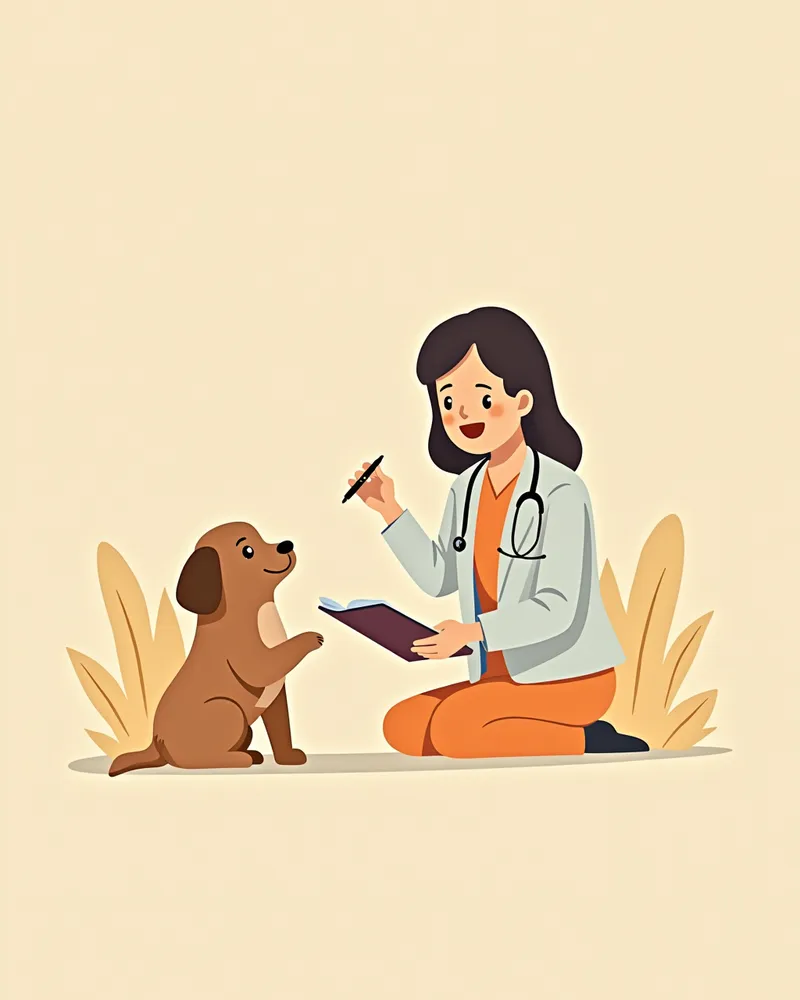
The critical window for socialization is determined through a professional behavioral assessment and environmental analysis. - Behavioral Assessment: We record your dog’s reactions to unfamiliar people, sounds, and objects to gauge the severity of their fear. - Environmental Analysis: We examine your home layout, family members’ behaviors, and the frequency of outdoor exposure to identify underlying causes. - Individualized Diagnosis: The diagnostic approach is tailored to each dog’s unique personality and past experiences. - The Role of Experts: Accurate diagnosis is achieved under the guidance of a veterinary behaviorist. Early diagnosis allows us to prevent or mitigate behavioral issues.
A veterinarian observing a puppy's behavior

Step-by-Step Approach Is Key to Treating Socialization Issues
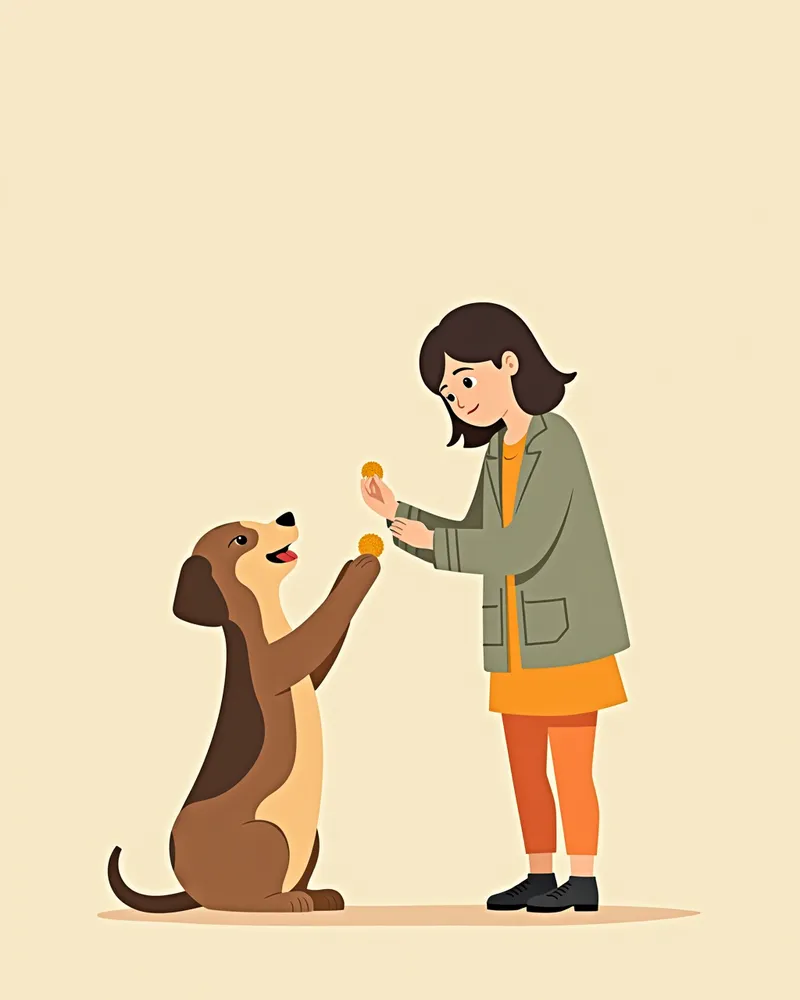
Treating socialization issues requires a step-by-step approach. First, start with low-intensity stimuli in an environment where your puppy feels safe. Second, use positive reinforcement to create positive associations with new stimuli. Third, gradually increase the intensity of the stimuli while closely monitoring your puppy’s reactions. Fourth, address and correct the owner’s behavior as well. Fifth, maintain a sustainable routine under the guidance of a professional. - Gradual Approach: Increasing stimulus intensity too quickly can heighten stress and reinforce fear. It is important to begin at the lowest possible intensity. - Positive Reinforcement: Strengthen positive experiences through treats, praise, and play. For higher-intensity stimuli, it is especially important to appropriately combine treats or play. - Observing Reactions: Carefully watch for stress signals in your puppy, such as ear position, tail movement, body language, and breathing patterns. - Owner Involvement: Since owners’ tension can be transmitted to their dogs, it is essential to remain calm and serve as a positive role model. - Consistent Effort: Rather than short-term interventions, consistent repetition and gradual adjustment of intensity are necessary. It is important to continue this process patiently for a sufficient duration, tailored to each individual puppy.
A trainer using treats to encourage a dog to approach a stranger.

Daily Exposure and Positive Reinforcement Are Key to At-Home Management
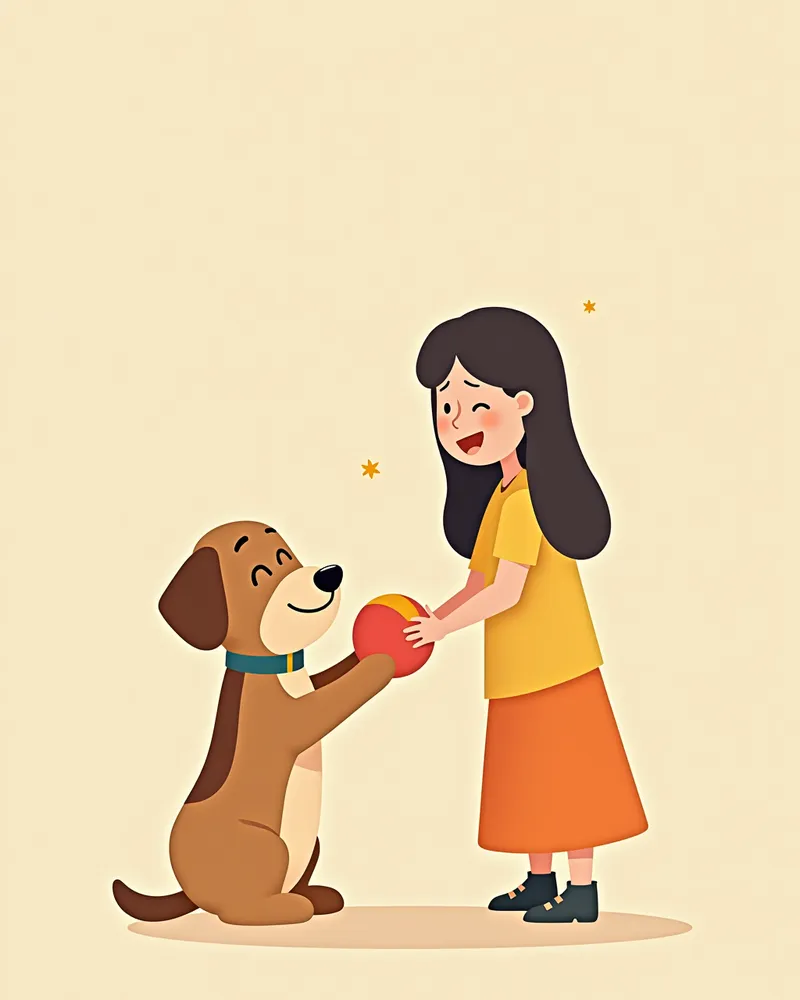
At-home management hinges on daily exposure and positive reinforcement. Aim to introduce your dog to a variety of people, sounds, and objects for short periods each day, carefully adjusting the intensity to ensure they do not feel stressed. Stimuli should be increased gradually, following your dog’s pace; if external stimuli are intensified too quickly, it can actually worsen their fear. - Daily Exposure: Naturally provide various stimuli within a consistent routine. Give your dog the space and freedom to choose whether to approach on their own. - Positive Reinforcement: Strengthen positive experiences using treats, praise, and play. It is crucial to maintain a positive response even when the stimulus is strong. - Observing Reactions: Closely watch for signs of stress, such as pinned-back ears or a tucked tail. These signals serve as your guide for adjusting the level of stimulation. - Gradual Increase in Intensity: Start from a distance and gradually move closer. Respecting your dog’s reactions and pace is key. - The Owner’s Role: Since your dog can pick up on your tension, it is important to maintain a calm demeanor. A positive tone and expression are essential. - Consistent Repetition: Consistent daily repetition, even if just once a day, is the most effective approach. One high-quality experience is more valuable than several low-quality ones.
A family member introducing a new toy to their puppy

Preventing Relapse and Breed-Specific Precautions

Socialization setbacks can recur. In particular, if owners neglect their dog or overstimulate it, anxiety-related behaviors may reappear. Additionally, certain breeds or temperaments may be more sensitive to socialization, so management should account for environmental factors and individual differences. Repeated positive experiences and consistent monitoring help prevent relapse.

Reviewed by a veterinarian

Dr. Tony — Punnawat Phongkittirak

Dr. Tony — Punnawat Phongkittirak

Veterinarian

A veterinarian who majored in veterinary medicine at Khon Kaen University, Thailand, and completed the IVSA program at North Carolina State University in the United States. Drawing on clinical experience at animal hospitals, he works in the pet healthcare field and is dedicated to building a digital care environment that connects pet parents with veterinarians.

Frequently Asked Questions

Is it still possible to correct behavioral issues even after the socialization period has passed?
Yes, it is possible. While the most effective window for intervention is between 3 and 14 weeks of age, improvement can still be achieved afterward through systematic behavioral therapy and professional guidance. However, defensive behaviors stemming from fear typically do not resolve quickly; they gradually improve with consistent treatment and time.
Can you over-socialize a pet?
Yes, excessive stimulation can cause stress. Carefully monitor your dog’s reactions, and if you notice any signs of overstimulation, stop the activity immediately and move to a calm, stable environment. The key is repetition at an appropriate intensity and frequency that doesn’t overwhelm your dog.
Is it okay to take my puppy out before the socialization period is over?
While it’s important for puppies to experience new people and environments during their socialization period, young puppies can be vulnerable to infections. Therefore, it’s essential to consult with your veterinarian to determine the appropriate timing for vaccinations and outdoor exposure, and only expose your puppy in safe, controlled environments. As a pet owner, you should proactively assess potential risks and closely monitor your puppy’s reactions.
Can socialization failure be completely corrected?
In most cases, behavior can be improved with systematic behavioral therapy and professional guidance. However, it takes time and patience to see significant progress, and it’s essential to combine this with environmental adjustments and consistent positive experiences.
What sounds should I expose my puppy to during the critical socialization period?
It’s helpful to gradually expose your dog to everyday sounds like city noise, car traffic, doors opening and closing, and children laughing. Start with a low volume and slowly increase the intensity while observing your dog’s reactions. This approach helps them become accustomed to common environmental noises.

Share

Related Guides

References

[1] Houpt, K.A. (2018). Canine Behavior: A Guide for Veterinarians. Elsevier.

[2] Serpell, J. (2017). The Domestic Dog: Its Evolution, Behavior, and Interactions with People. Cambridge University Press.

[3] Veterinary Guide to Preventing Behavior Problems in Dogs and Cats (2023). American Veterinary Medical Association.

This information is based on veterinary literature and does not replace diagnosis or treatment. Please consult a veterinarian for specific health concerns.

Metapet Co., Ltd. | CEO: Park Sung-yong | Business Reg. No. 417-88-02562 | Seoul, South Korea | Customer Center

Puppy Socialization Window (3–14 Weeks): A Complete Guide | Meongsiljang