
Like
Share
멍실장
강아지 기관허탈 증상과 원인, 진단·치료와 관리 포인트 총정리

Tracheal Collapse in Dogs: Symptoms, Causes, Diagnosis, Treatment, and Management Essentials

RespiratoryDiseasesMeongsiljang Veterinary Advisory Board

Tracheal collapse in dogs is a condition in which the trachea weakens structurally and collapses during breathing, commonly affecting small breeds. Early diagnosis and proper management are essential.

Tracheal Collapse in Dogs Is a Breathing Disorder Caused by Structural Weakness of the Trachea
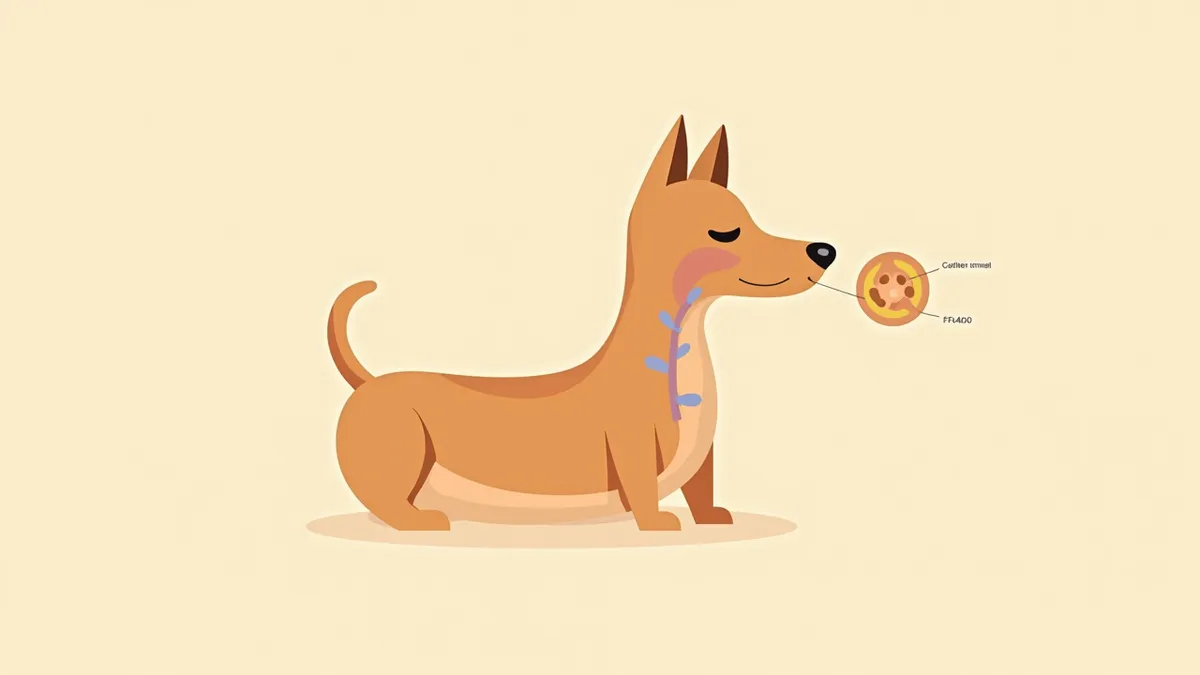
A diagram comparing normal airways with those affected by tracheal collapse.
Tracheal collapse in dogs is a progressive condition in which the airway narrows during breathing due to the gradual degeneration and weakening of the tracheal cartilage rings. It is most commonly seen in small and toy breeds. - Coughing: A characteristic "goose honk" cough often occurs repeatedly after eating, walking, or exercise, when the dog is excited, or in hot and humid environments. - Difficulty breathing: You may notice your dog panting or struggling to breathe. - Cyanosis (bluish discoloration of the mouth): In severe cases, a blue or purplish tint to the gums or mouth indicates a lack of oxygen and is a dangerous sign requiring immediate veterinary attention. - Progressive nature: Because tracheal collapse is a degenerative disease that worsens over time, early detection and proper management are key to preventing progression. Please consult your veterinarian promptly if you notice any symptoms.

The Main Causes of Tracheal Collapse Are Genetic Predisposition in Small Breeds and Age

While the exact cause of tracheal collapse remains unclear, it is known to result from a combination of factors that lead to the degeneration and weakening of the tracheal cartilage. - Breed predisposition: It is particularly common in small and toy breeds such as Yorkshire Terriers and Cocker Spaniels, and can also occur in brachycephalic breeds like Bulldogs. - Age: It typically develops in middle-aged dogs and is more frequently reported in seniors aged eight years and older. - Obesity: Excess body weight places additional strain on the trachea and can worsen coughing. - Environmental triggers: Noise, excitement, stress, heat, and humidity can induce or exacerbate coughing episodes. - Multifactorial progression: Symptoms progress as acquired factors such as obesity, inflammation, and infection compound the underlying structural weakness of the tracheal cartilage.
An image highlighting the tracheal cartilage structure of small dogs.

The Main Symptoms of Tracheal Collapse Are Coughing and Difficulty Breathing

The hallmark sign of tracheal collapse is a persistent, chronic cough. - Cough characteristics: It often occurs after eating, walking, or during excitement or stress, as well as in hot or humid conditions. The cough may produce a distinctive sound resembling a goose honk. - Difficulty breathing: You may notice your pet panting or struggling to breathe. - Cyanosis (bluish discoloration of the mouth or gums): In severe cases, this indicates insufficient oxygen supply and is a medical emergency requiring immediate veterinary attention. - Frequency and intensity of coughing: The cough may gradually worsen and become more frequent with activity or excitement. - Progressive nature: As symptoms worsen, they can limit daily activities, making early diagnosis crucial.
A small dog showing signs of breathing difficulties

Immediate Veterinary Visit Is Required If Coughing Worsens, the Mouth Turns Blue, or Fainting Occurs

If your pet’s coughing worsens, or if they faint or lose consciousness accompanied by cyanosis—a bluish or purplish discoloration of the mouth—this is a life-threatening emergency. Severe coughing fits can lead to syncope (cough-induced fainting), and cyanosis is a dangerous sign of insufficient oxygen supply, so immediate veterinary care is essential.

Diagnosis Is Made Through X-ray, Fluoroscopy, and Endoscopy
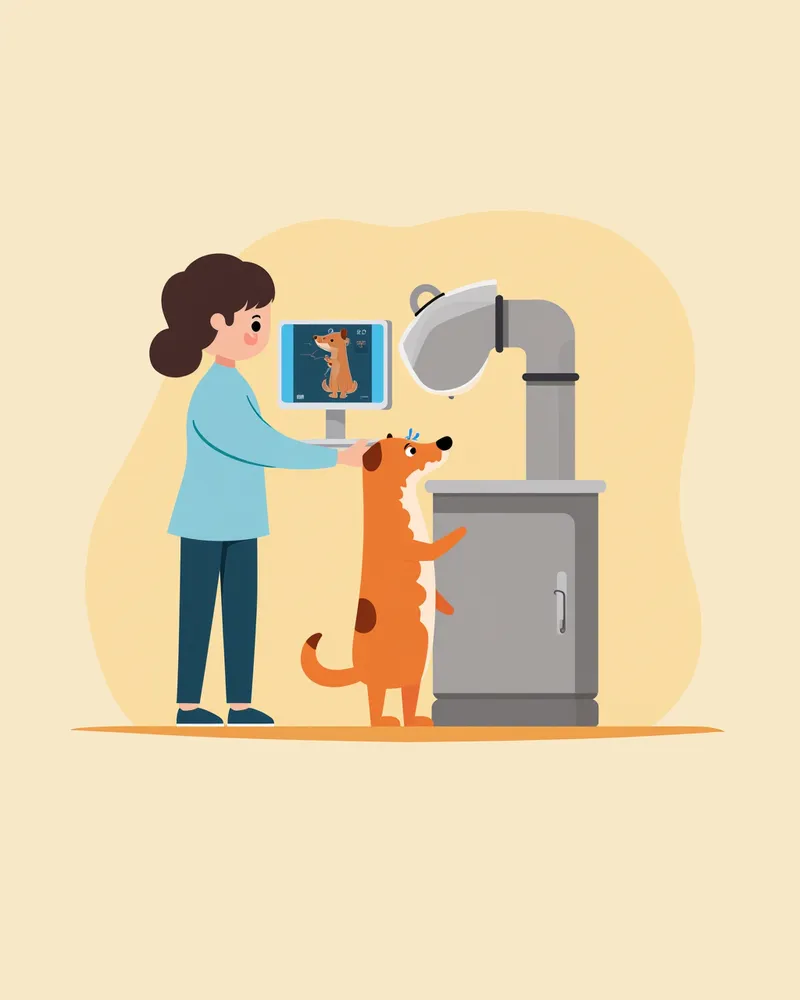
Diagnosis of tracheal collapse is confirmed through thoracic imaging studies. - Standard X-ray (radiography): This is the most useful initial test, allowing visualization of narrowed tracheal lumen on lateral views of the neck and chest. - Fluoroscopy: This enables dynamic, real-time observation of how the trachea collapses during respiration. - Tracheoscopy: This allows direct visualization of the tracheal interior to assess structural abnormalities. While not strictly required for a definitive diagnosis, it aids in detailed evaluation. - Purpose of testing: These tests are essential for determining the severity of symptoms and establishing a treatment plan. - Comprehensive assessment: A precise diagnosis is reached by integrating the results from multiple tests.
A scene showing a probe examination for tracheal and thoracic imaging in a small dog

Treatment Is Staged, Including Medication, Weight Management, and Surgery

Treatment for tracheal collapse is staged according to symptom severity, with medical management using medications as the foundation. - Medication: Cough suppressants such as butorphanol and codeine, along with steroids (anti-inflammatories) like prednisolone, are used to alleviate symptoms. - Weight management: Obesity places significant strain on the trachea, making weight loss essential. - Tracheal stent placement: For severe cases, a stent is inserted to support the trachea from within and relieve symptoms. - Reinforcement surgery: This procedure strengthens the tracheal rings from the outside, offering the potential for long-term improvement in breathing. - Treatment goals: The aim is to relieve symptoms, improve quality of life, and slow disease progression. In many cases, symptoms can be well-managed for over a year with medication alone.
Footage of a stent insertion surgery in the airway of a small dog

Home Care Focuses on Weight Management and Removing Irritants

Home care plays a vital role in slowing disease progression and reducing symptoms. - Weight management: Obesity places strain on the trachea, so appropriate dietary control and exercise are essential. - Use a harness: Leashes can directly compress the trachea and trigger coughing, so use a harness that fits around the chest instead of the neck. - Minimize triggers: Avoid other dogs, loud noises, excitement, and crowded environments, as these can provoke coughing. - Adjust walk times: Walk slowly during cool, quiet times of day to avoid heat and humidity. - Environmental control: Maintain good indoor air quality and protect your pet from excessive heat or cold.
A small dog being walked on a short leash in a quiet park.

Toy Breeds Such as Yorkshire Terriers and Cocker Spaniels Are at High Risk for Tracheal Collapse

Yorkshire Terriers, Cocker Spaniels, and certain brachycephalic breeds (such as Bulldogs and Boston Terriers) are at a higher risk for tracheal collapse. Dogs over the age of eight are particularly prone to developing symptoms, making regular health check-ups essential. Early detection and proper management can help slow the progression of the disease.

Reviewed by a veterinarian

Dr. Tony — Punnawat Phongkittirak

Dr. Tony — Punnawat Phongkittirak

Veterinarian

A veterinarian who majored in veterinary medicine at Khon Kaen University, Thailand, and completed the IVSA program at North Carolina State University in the United States. Drawing on clinical experience at animal hospitals, he works in the pet healthcare field and is dedicated to building a digital care environment that connects pet parents with veterinarians.

Frequently Asked Questions

Can tracheal collapse be completely cured?
While a complete cure is generally difficult, proper management and treatment can stabilize symptoms and maintain your pet’s quality of life. In severe cases, procedures such as tracheal stenting or surgical reinforcement can alleviate symptoms and offer hope for long-term improvement.
Should I take my pet to the vet even if it’s only coughing?
Coughing can be an early sign of tracheal collapse. Early diagnosis is especially important for toy breeds, so it’s a good idea to consult your veterinarian if your pet has a persistent cough.
Will using a collar and leash worsen tracheal issues?
Placing a leash around your pet’s neck can put direct pressure on the trachea, potentially worsening symptoms. For safety, use a harness that fits around the chest instead of a neck collar.
Is it okay to just give my pet cough medicine?
Cough suppressants can help ease symptoms, but they don’t address the underlying cause of tracheal collapse. It’s important to have your veterinarian diagnose the condition and develop a comprehensive management plan.
Does tracheal collapse mean I can’t let my dog go for walks?
Walks are possible, but you should avoid stimulating environments and high-intensity walks. It's best to take short, slow walks during quiet times of the day.

Share

Related Guides

References

[1] Lynelle R. Johnson, DVM, MS, PhD, Dipl ACVIM (SAIM). Small Animal Critical Care Medicine, 3rd Ed. Elsevier, 2023.

[2] Canine and Feline Respiratory Medicine, 3rd Edition. Elsevier, 2021.

[3] Clinical Medicine of the Dog and Cat, 4th Ed. Elsevier, 2020.

This information is based on veterinary literature and does not replace diagnosis or treatment. Please consult a veterinarian for specific health concerns.

Metapet Co., Ltd. | CEO: Park Sung-yong | Business Reg. No. 417-88-02562 | Seoul, South Korea | Customer Center

Tracheal Collapse in Dogs: Symptoms, Causes, and Treatment | Meongsiljang