

Canine Viral Upper Respiratory Infection: Symptoms, Causes, Diagnosis, Treatment, and Care Essentials
Viral upper respiratory infections in dogs are caused by a combination of viruses that lead to inflammation in the nose and throat. Early recognition and proper care are essential.
What Is Canine Viral Upper Respiratory Infection?

What Are the Main Causes?

What Are the Main Symptoms?

Symptoms Requiring Immediate Veterinary Visit
If your dog is having trouble breathing, panting with its mouth open, has blue-tinged lips or gums, or has a fever lasting more than three days, you should take it to the vet immediately. These could be signs of pneumonia or other serious complications. Puppies, senior dogs, and dogs with weakened immune systems are at higher risk.
How Is It Diagnosed?
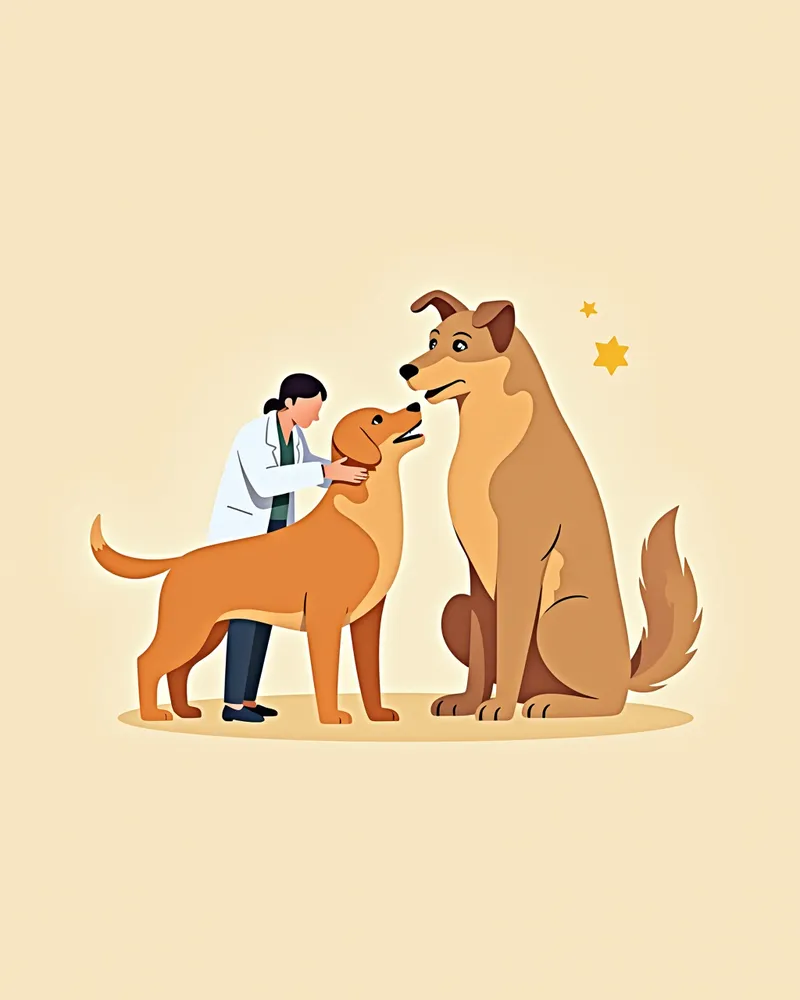
How Is It Treated?

Home Care Essentials
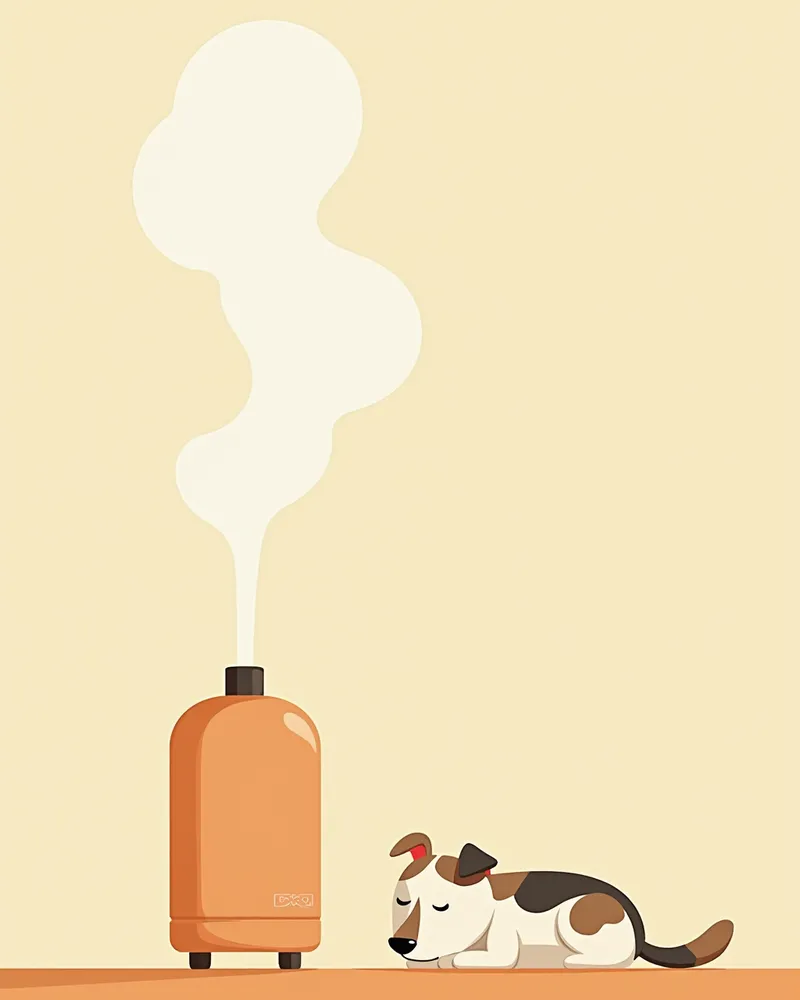
Breed-Specific Precautions and Prevention of Recurrence
Brachycephalic breeds (e.g., Bulldogs, Pekingese) are more susceptible to respiratory issues due to structural traits such as narrowed nostrils. Even after an infection, breathing may remain labored, so careful monitoring is essential. Because overall condition can decline following an infection, it is ideal to wait until your pet has fully recovered and then consult your veterinarian to determine the appropriate timing for vaccination. To help prevent recurrence, it is important to minimize stress and maintain a consistent routine with adequate nutrition.
Reviewed by a veterinarian

Dr. Tony — Punnawat Phongkittirak
VeterinarianA veterinarian who majored in veterinary medicine at Khon Kaen University, Thailand, and completed the IVSA program at North Carolina State University in the United States. Drawing on clinical experience at animal hospitals, he works in the pet healthcare field and is dedicated to building a digital care environment that connects pet parents with veterinarians.
Reviewed 2026-06-29
Frequently Asked Questions
If my dog is only sneezing, could it be an infection?
Can I give my pet cold medicine at home?
Is it okay for my dog to play with other dogs?
Does getting vaccinated mean my pet won’t get infected?
Is nasal discharge still occurring even after the cold has passed?
Share
Related Guides

Top Recommended Feline Bronchodilators and Selection Criteria: A Complete Guide

Best Recommendations and Selection Criteria for Monitoring Your Cat’s Respiratory Rate (RR) During Sleep for Heart Care
Best Recommendations and Selection Criteria for Monitoring Your Dog’s Respiratory Rate (RR) During Sleep for Heart Care

When to Use Feline Liver Protectants — Effects of SAMe and Milk Thistle and Selection Points

If Your Cat Has an Enlarged Liver — A Complete Guide to Causes and Treatment of Hepatic Enlargement

How Dangerous Is Feline Liver Disease? — Interpreting Prognostic Indicators and Treatment Directions
Feline Liver Cysts: Symptoms, Causes, Diagnosis, Treatment, and Management Essentials

Complete Guide to Cat Liver Enzymes (ALT & ALP) — Why They Rise and When to See a Vet

If You Accidentally Gave Your Cat Medication — Causes of Drug- and Toxin-Induced Liver Injury and When to Act

If Your Cat Keeps Vomiting and Has Jaundice — Causes and Treatment Points for Cholangiohepatitis
References
[1] Canine and Feline Respiratory Medicine, 3rd Edition, 2023
[2] Textbook of Respiratory Disease in Dogs and Cats, 2021
[3] Clinical Medicine of the Dog and Cat, 4th Ed, 2020