

Dog Lung Percussion and Thoracentesis: Symptoms, Causes, Diagnosis, Treatment, and Management Essentials
Percussion of the lungs and thoracentesis are treatments used to relieve respiratory distress caused by pleural effusion in dogs. To ensure safe management, it’s essential to accurately understand the causes, symptoms, diagnostic methods, and treatment procedures.
Dog Lung Percussion and Thoracentesis Are Treatments for Removing Pleural Effusion

The Main Causes of Pleural Effusion Include Heart Disease, Pneumonia, and Tumors

Main Symptoms Include Difficulty Breathing, Coughing, and Lethargy

Emergency Situations Requiring Immediate Veterinary Visit
If your dog is panting with its mouth open and its mouth appears blue or bluish, seek veterinary care immediately. This indicates severe hypoxia, which can be life-threatening. Thoracentesis may be urgently required, so prompt evaluation upon arrival at the clinic is essential.
Diagnosis Is Performed Using Chest X-rays, Ultrasound, and Blood Tests
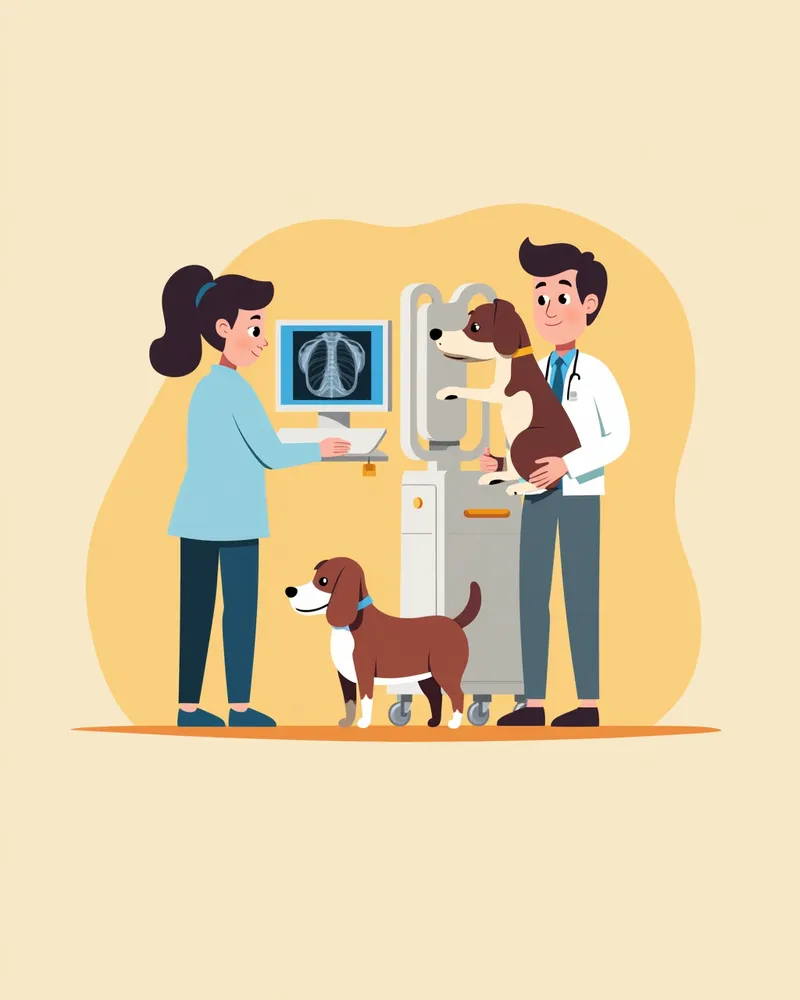
Treatment Consists of Thoracentesis, Treating the Underlying Cause, and Medication

Home Management Centers on Monitoring Breathing and Controlling the Environment

Preventing Recurrence and Breed Precautions
Certain breeds are at higher risk for recurrent pleural effusion due to underlying heart disease. Breeds such as Labrador Retrievers, Boxers, Miniature Schnauzers, and Mastiffs are particularly prone to congenital heart defects that can lead to right-sided heart failure and subsequent pleural effusion, so extra vigilance is essential. Regular check-ups and consistent medication are crucial. To prevent recurrence, work with your veterinarian to establish a long-term management plan.
Reviewed by a veterinarian

Dr. Tony — Punnawat Phongkittirak
VeterinarianA veterinarian who majored in veterinary medicine at Khon Kaen University, Thailand, and completed the IVSA program at North Carolina State University in the United States. Drawing on clinical experience at animal hospitals, he works in the pet healthcare field and is dedicated to building a digital care environment that connects pet parents with veterinarians.
Reviewed 2026-06-29
Frequently Asked Questions
Does thoracentesis hurt?
Is it okay to go home after thoracentesis?
Why can pleural effusion recur?
How many times can thoracentesis be performed?
What should I watch out for after thoracentesis?
Share
Related Guides

Top Recommended Feline Bronchodilators and Selection Criteria: A Complete Guide

Best Recommendations and Selection Criteria for Monitoring Your Cat’s Respiratory Rate (RR) During Sleep for Heart Care

Best Recommendations and Selection Criteria for Monitoring Your Dog’s Respiratory Rate (RR) During Sleep for Heart Care

If Your Cat’s Vision Is Blurring — A Complete Guide to Retinal Degeneration, Age-Related Retinal Changes, and Management

If Your Cat’s Eye Suddenly Becomes Cloudy — Symptoms of Lens Luxation and When to Seek Emergency Treatment

If Your Puppy Suddenly Stumbles or Has Seizures — Warning Signs of Tumor-Induced Hypoglycemia

If Your Dog Is Gaining Weight and Losing Hair — Warning Signs of Hypothyroidism and When to Get Diagnosed
If Your Dog Is Frequently Seeking Water and Urinating More — Checking for Hyperglycemia Causes and Diabetes Risk

If Your Dog Has Diabetes and Cloudy Eyes — Cataracts, Neuropathy Symptoms, and Management

When Your Cat Is Lethargic and Only Drinks Water — Causes and Treatment of Feline Primary Hyperparathyroidism
References
[1] Plumb's Veterinary Drug Handbook, 9th Edition, 2022
[2] Textbook of Respiratory Disease in Dogs and Cats, 2019
[3] Veterinary Surgical Oncology, 2nd Edition, 2005