Like
Share
멍실장
고양이 비타민D중독 증상과 응급 대처법, 위험 섭취량과 예방까지 총정리

The Danger of a Single Supplement — Cat Vitamin D Toxicity Symptoms and Emergency Response

Emergency/ToxicityDiseasesMeongsiljang Veterinary Advisory Board

Vitamin D toxicity in cats is an emergency toxic condition that leads to hypercalcemia after ingestion of rat poison or human supplements. We’ve summarized the key symptoms, dangerous ingestion levels, emergency response steps, and prevention methods.

What Is Cat Vitamin D Toxicity?
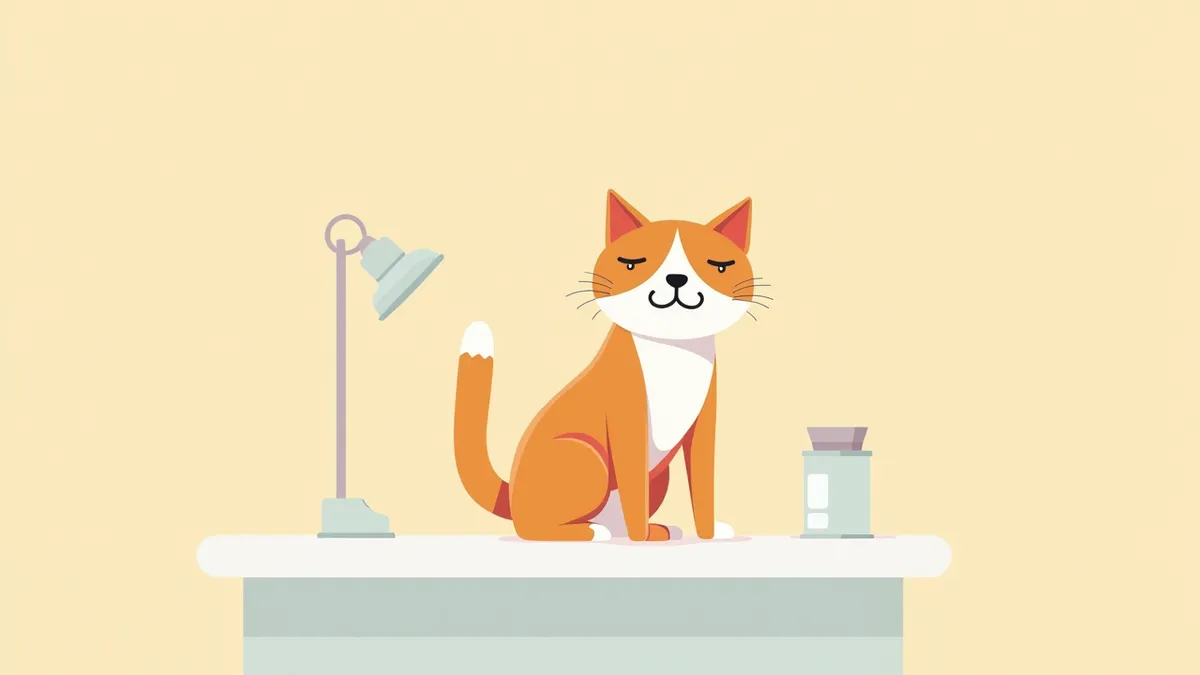
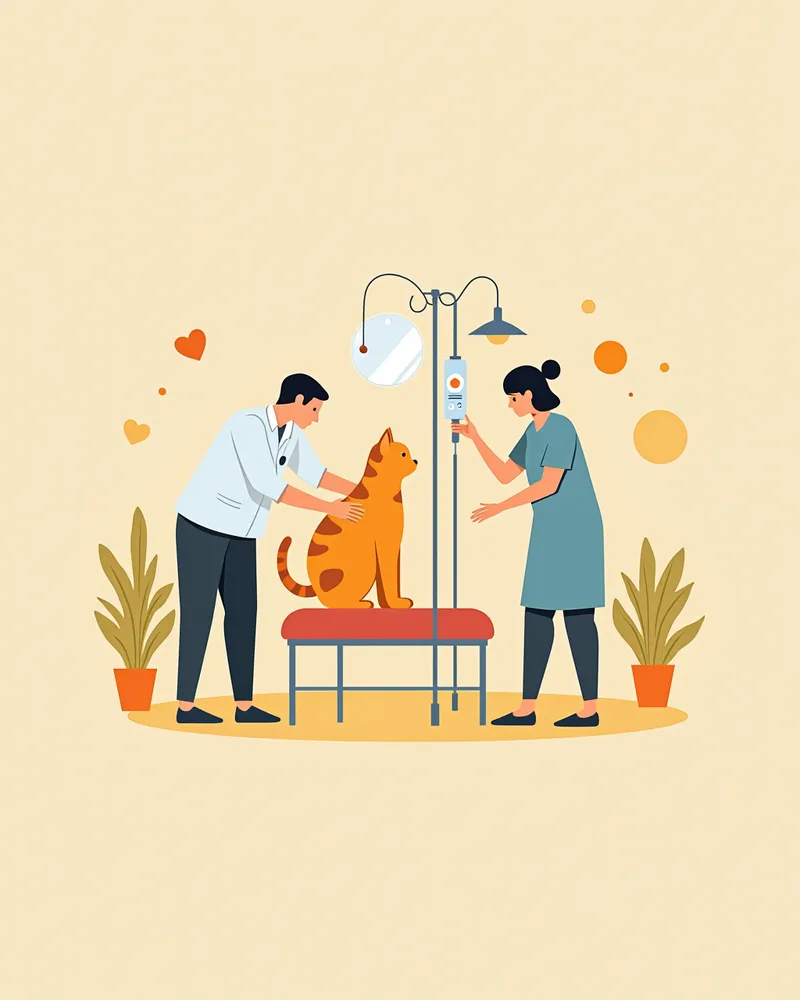
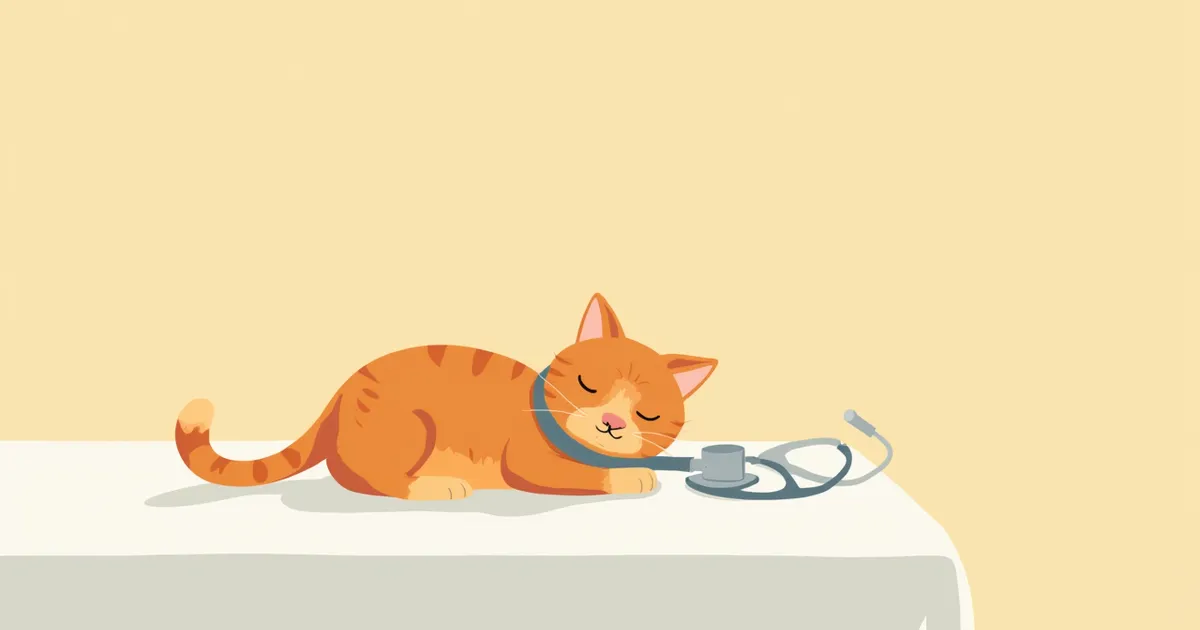
A cat receiving a check-up at the veterinary clinic
Vitamin D toxicity in cats is an emergency condition that occurs when excessive intake of vitamin D3 (cholecalciferol) causes abnormally high blood calcium levels. Cats can be exposed to cholecalciferol through rat poison, high-dose vitamin D supplements, or improperly formulated or excessively vitamin D-fortified pet food. Because cats cannot synthesize sufficient vitamin D from sunlight alone and must obtain it through their diet, their required intake is relatively low, making them prone to hypercalcemia if they consume too much. Therefore, it is safest to contact a veterinarian immediately upon confirming ingestion, even if no symptoms are present. Vitamin D3 toxicity can lead to acute kidney injury (AKI), so prompt treatment is essential to protect kidney function.

When Does Vitamin D Toxicity Occur?

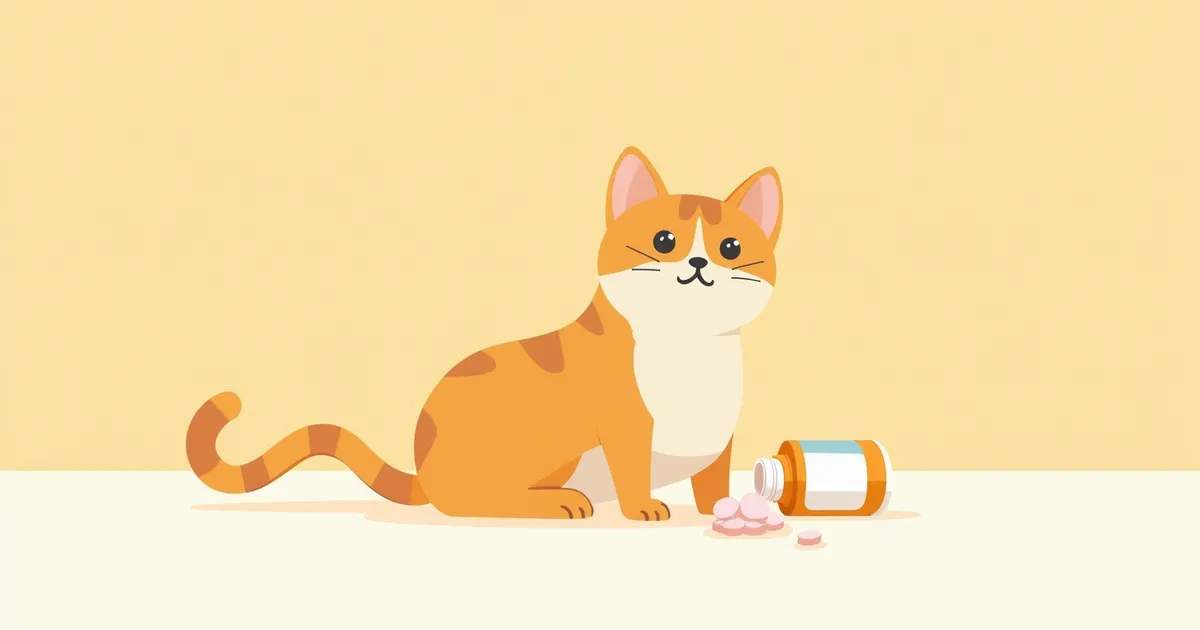
There are three main ways cats can become vitamin D toxic. First, rat poisons that use cholecalciferol (vitamin D3) as their active ingredient have been reported to cause poisoning when ingested directly by cats. Second, high-dose human vitamin D supplements pose a risk; because the concentration varies significantly between products, any ingestion should be considered dangerous if the exact dosage is unknown. Third, diets consisting of improperly formulated or excessively fortified pet food, or those heavily reliant on fish—especially fish organs—can lead to toxicity. Additionally, long-term over-supplementation with cat-specific vitamin D products without veterinary prescription can cause gradual accumulation in the body, leading to slow-onset toxicity.

Checklist of Main Symptoms of Cat Vitamin D Toxicity
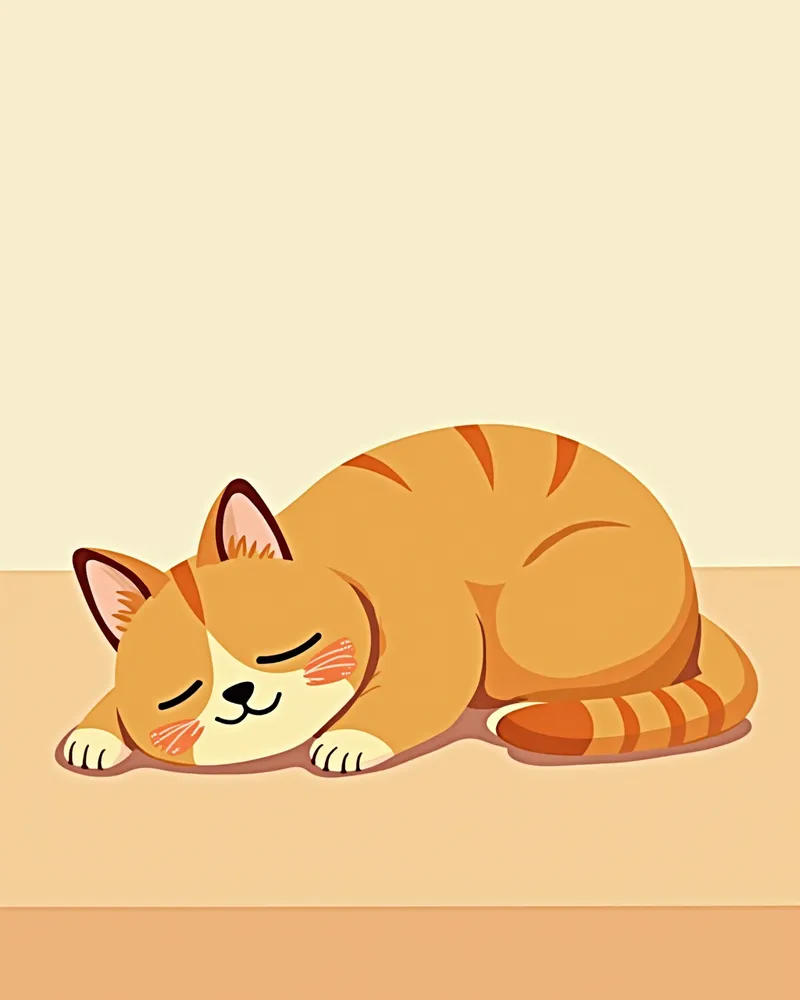
Symptoms typically begin to appear 12 to 36 hours after ingestion. If you notice any of the following signs, please seek veterinary care immediately.
Lethargy and weakness: This is often the first sign, frequently accompanied by depression, fatigue, and a decreased appetite.
Vomiting and loss of appetite: Vomiting usually follows the initial drop in energy, along with a significant reduction in appetite.
Excessive thirst and increased urination: High blood calcium levels can lead to excessive thirst and frequent urination.
Constipation or diarrhea: Changes in gastrointestinal motility may result in constipation or, in some cases, bloody diarrhea.
Dehydration and weight loss: Persistent loss of appetite and vomiting can lead to dehydration and weight loss.
Muscle tremors and seizures: In severe cases, neurological symptoms such as tremors and seizures may occur.
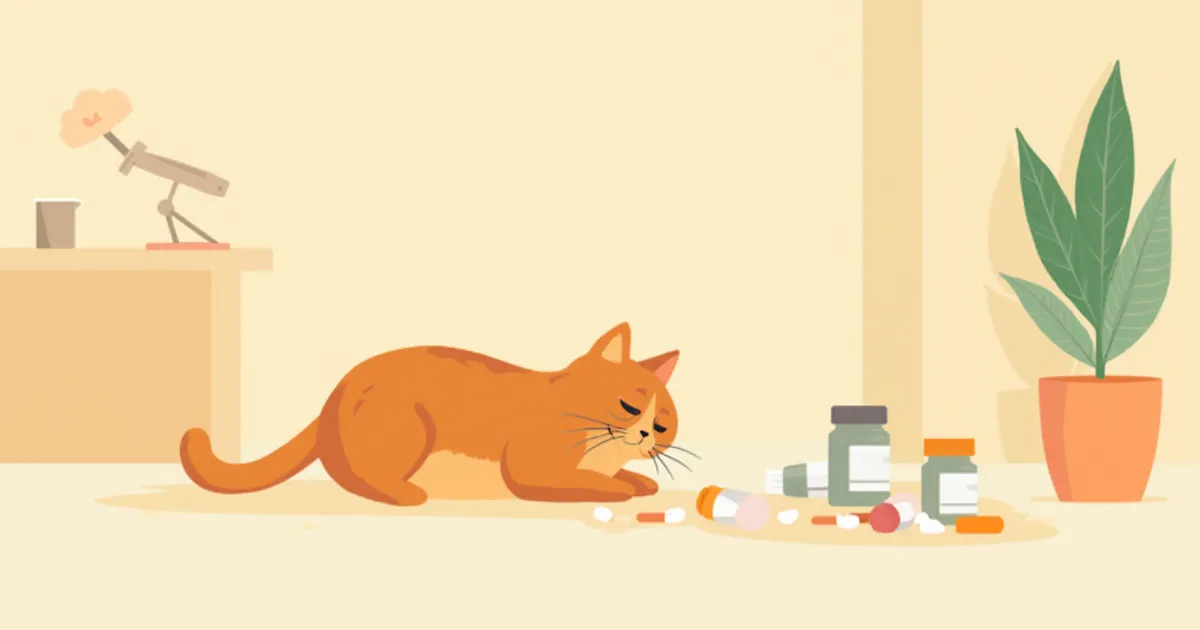
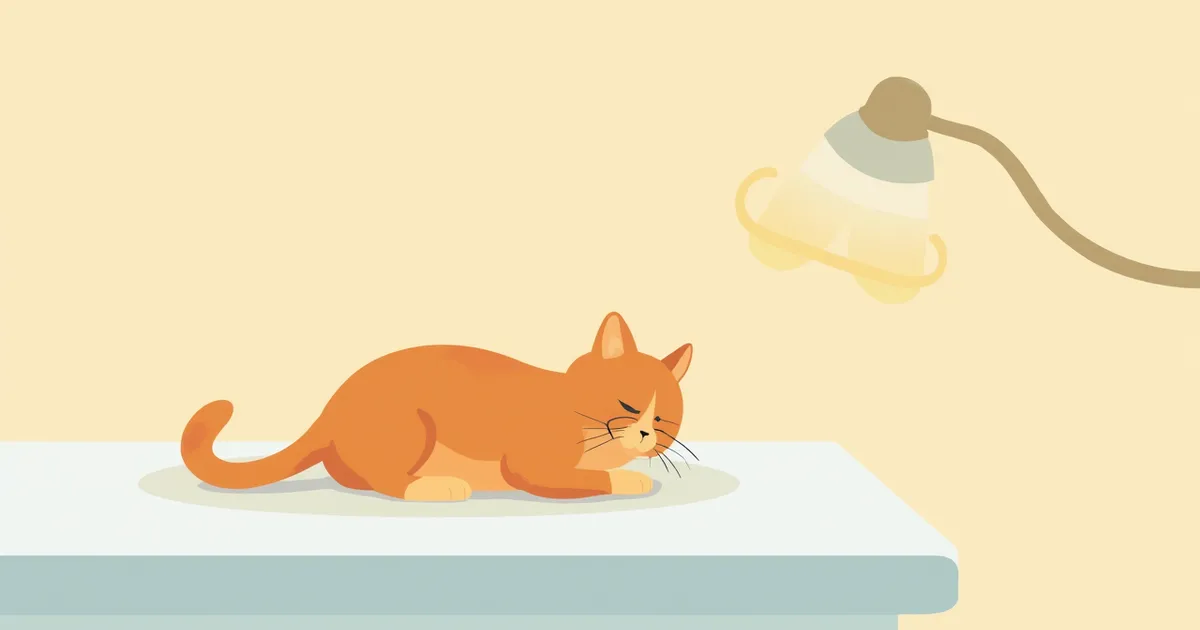
A sick cat lying listlessly

If You See These Symptoms, Go to an Emergency Vet Immediately

Once you’ve confirmed ingestion, contact your veterinarian as soon as possible to discuss when to bring your pet in, even if no symptoms are present. Seek immediate emergency veterinary care if you observe seizures, convulsions, difficulty breathing, complete refusal of food and water for more than 24 hours, or an inability to stand. Time is critical in vitamin D toxicity, as hypercalcemia and kidney damage (hypercalcemic nephropathy) can develop within 18 to 72 hours after ingestion. Bring a photo of the product’s packaging or name to help speed up diagnosis.

How Is It Diagnosed at the Veterinary Hospital?

The veterinarian will first determine what product was ingested, how much, and when, then proceed with blood and urine tests. The key indicators are serum calcium and phosphorus levels. If calcium exceeds the normal range, hypercalcemia is confirmed. Elevated kidney function markers—blood urea nitrogen and creatinine—signal that kidney damage is already underway. An abdominal ultrasound may also be performed to further assess kidney status, if needed.

How Is It Treated at the Hospital?

Inducing vomiting and gastric lavage: If a small amount of time has passed since ingestion and the pet shows no symptoms, inducing vomiting may be considered. However, attempting to induce vomiting at home can be dangerous, so it is essential to follow your veterinarian’s instructions.
Activated charcoal administration: To reduce the intestinal absorption of toxins, activated charcoal is typically administered repeatedly at 8-hour intervals (up to six doses) rather than as a single dose.
Intravenous fluid therapy: This is the most critical treatment for diluting calcium, protecting the kidneys, and increasing its excretion through urine. Hospitalization is often required.
Prescription of steroids (prednisolone): Steroids lower blood calcium levels by simultaneously reducing calcium release from bones (bone resorption) and calcium absorption in the intestines.
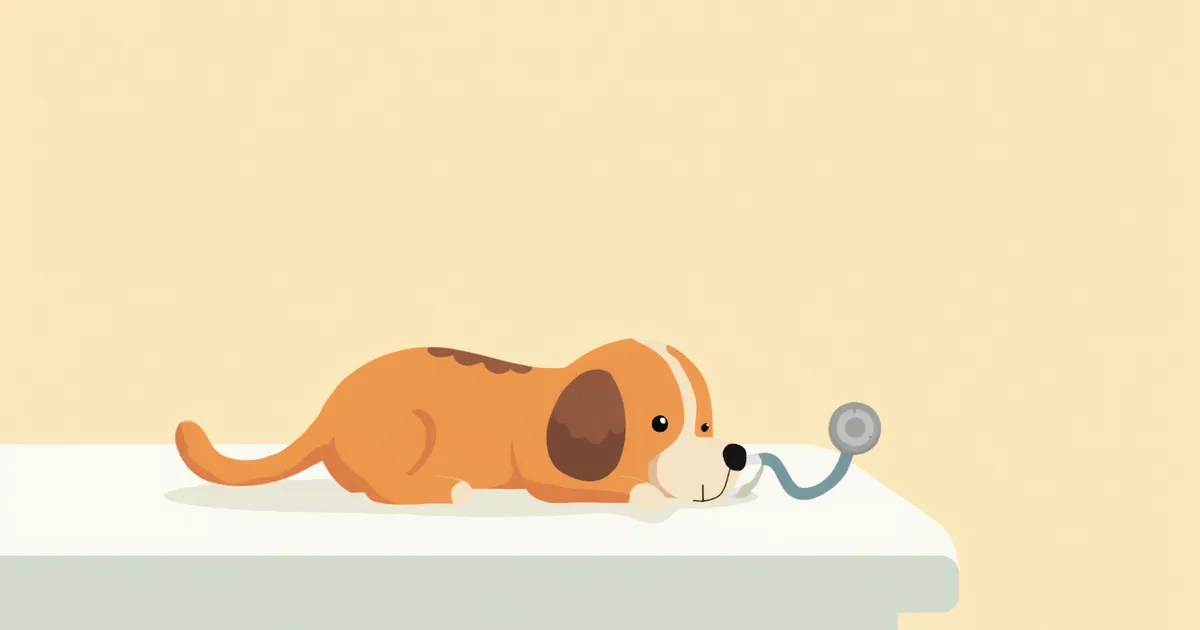
A cat receiving intravenous fluid therapy at a veterinary clinic

How to Manage at Home After Discharge
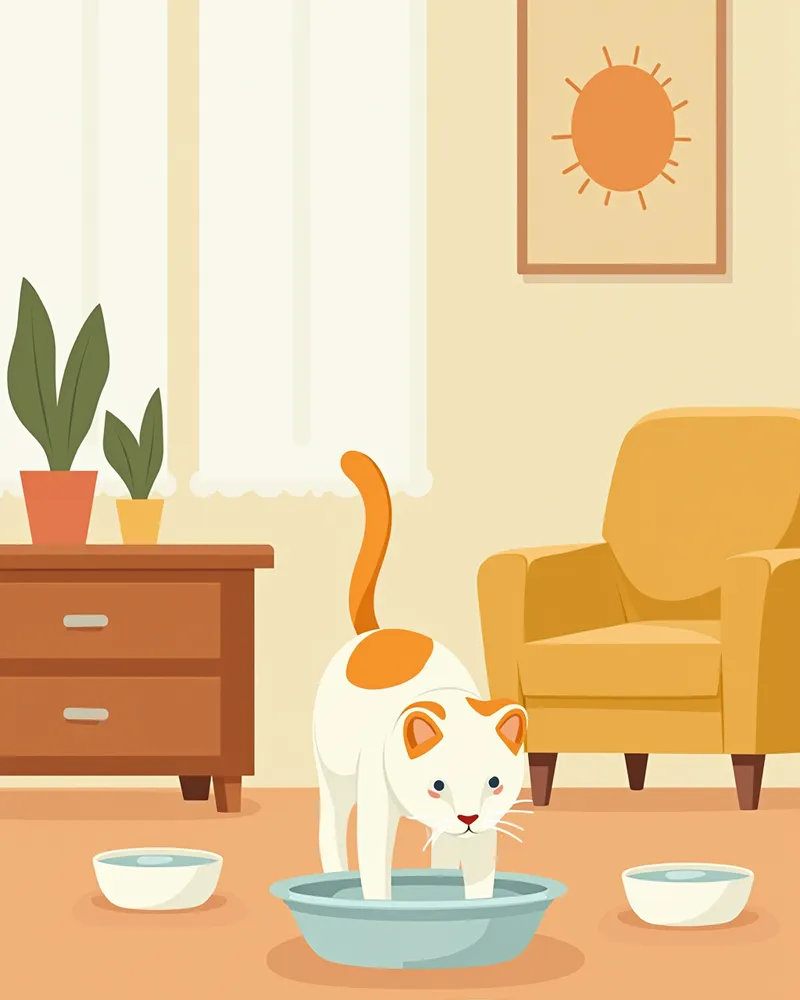
Blood tests will need to be monitored for several weeks to months after discharge. Continue the low-calcium, low-phosphorus diet recommended by your veterinarian until calcium levels return to normal. During this period, it is best to avoid foods high in calcium, such as dairy products and canned sardines. Place water bowls in multiple locations to encourage adequate hydration, and contact the clinic immediately if you notice a sudden decrease in urine output or a return of severe lethargy.
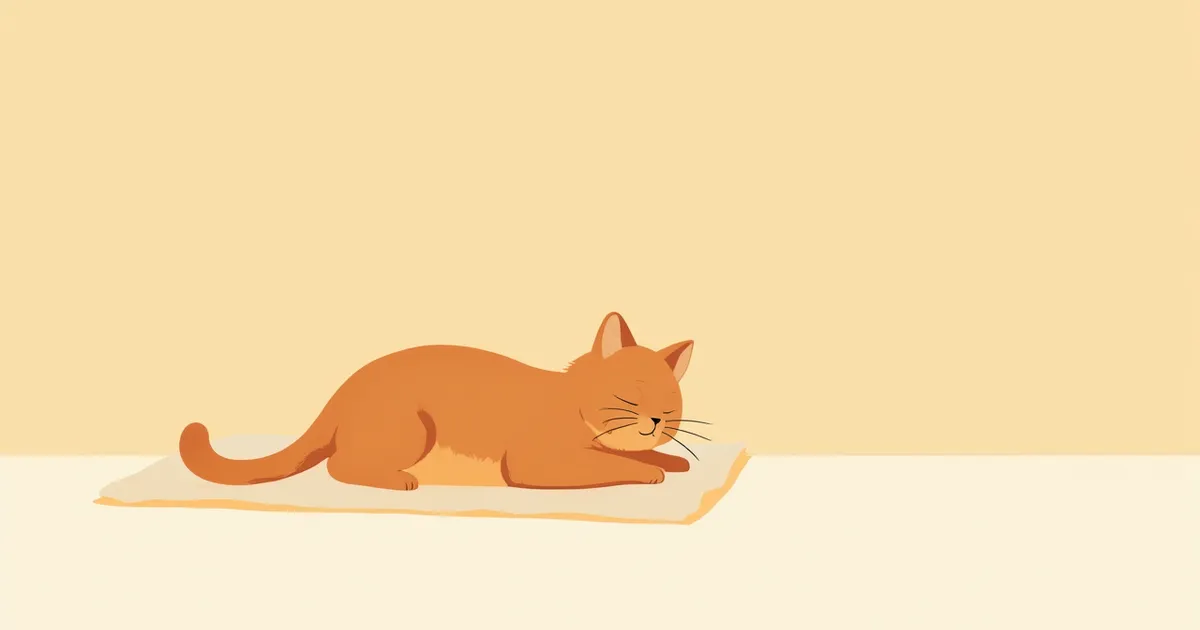
A cat recovering at home while drinking water

How to Prevent Vitamin D Toxicity

Keep human vitamin D supplements, topical skin creams, and multivitamins out of reach of cats. When using rodenticides, always check the active ingredients and avoid products containing cholecalciferol (vitamin D3) in households with cats. As a general rule, do not administer vitamin D supplements formulated for cats without a veterinarian’s prescription. Most cats eating a complete and balanced diet do not require additional supplementation.

Reviewed by a veterinarian

Dr. Tony — Punnawat Phongkittirak

Dr. Tony — Punnawat Phongkittirak

Veterinarian

A veterinarian who majored in veterinary medicine at Khon Kaen University, Thailand, and completed the IVSA program at North Carolina State University in the United States. Drawing on clinical experience at animal hospitals, he works in the pet healthcare field and is dedicated to building a digital care environment that connects pet parents with veterinarians.

Frequently Asked Questions

My cat ate one human vitamin D capsule. Is this an emergency?
This could be an emergency. Human vitamin D supplements vary widely in concentration, and cats require only small amounts of vitamin D, so ingesting an unknown dose can be dangerous. Even if your cat shows no symptoms, contact your veterinarian immediately and provide the product’s ingredient list and dosage information.
Can vitamin D poisoning be completely cured with treatment?
With prompt treatment, recovery is possible. However, if treatment is delayed and acute kidney injury progresses, it can lead to chronic kidney disease. Early intervention significantly influences the prognosis.
How long after ingestion do symptoms typically appear?
Initial symptoms such as lethargy, loss of appetite, and vomiting typically appear within 12 to 36 hours of ingestion. Over the next 18 to 72 hours, hypercalcemia and kidney damage can progress, potentially leading to severe polyuria and polydipsia. Do not be reassured if symptoms appear later than expected.
Can vitamin D poisoning occur if a pet eats a mouse that has ingested poison?
If a cat directly ingests cholecalciferol-based rat poison, it can lead to poisoning. While there is limited evidence for secondary poisoning from consuming poisoned rats, it’s safer to prevent outdoor cats from being exposed to both rat poison and dead rats.
Are cat-specific vitamin D products also at risk of causing toxicity?
When given in the appropriate amount as prescribed by a veterinarian, it is safe. However, arbitrarily increasing the dosage or providing excessive amounts over a long period can lead to toxic accumulation. In most cases, if your pet is already consuming a complete and balanced diet, additional supplementation is unnecessary.

Share

Related Guides

References

[1] Hovda LR et al., Blackwell's Five-Minute Veterinary Consult Clinical Companion: Small Animal Toxicology, 3rd Edition, Wiley-Blackwell, 2016

[2] Schaer M (Ed.), Clinical Medicine of the Dog and Cat, 4th Ed, CRC Press, 2021

[3] Plumb DC, Plumb's Veterinary Drug Handbook, 10th Ed, Wiley-Blackwell, 2023

[4] Drobatz KJ, Costello MF (Eds.), Feline Emergency and Critical Care Medicine, 2nd Ed, Wiley-Blackwell, 2010

This information is based on veterinary literature and does not replace diagnosis or treatment. Please consult a veterinarian for specific health concerns.

Metapet Co., Ltd. | CEO: Park Sung-yong | Business Reg. No. 417-88-02562 | Seoul, South Korea | Customer Center

Cat Vitamin D Toxicity — Symptoms and Emergency Response | Meongsiljang