Like
Share
멍실장
고양이 퍼메트린중독 증상과 응급 대처법, 위험 섭취량과 예방까지 총정리

If You Applied Dog Medication to a Cat — Permethrin Toxicity Symptoms and Emergency Response Timing

Emergency/ToxicityDiseasesMeongsiljang Veterinary Advisory Board

Permethrin products formulated for dogs can cause fatal poisoning in cats. We’ve compiled everything pet owners need to know, from a symptom checklist and first aid steps to treatment options and prevention strategies.

What Is Feline Permethrin Toxicity?

A pet owner transporting a cat suffering from permethrin poisoning to an emergency animal hospital
Feline permethrin toxicity is an acute poisoning condition caused by the absorption of permethrin, an insecticide found in dog-specific flea and tick control products, which leads to neurotoxicity in cats. Permethrin is a synthetic pyrethroid insecticide; symptoms such as muscle tremors, ataxia (loss of coordination), and seizures can appear within minutes to hours after exposure, and delayed treatment can be fatal. Cats are particularly sensitive to concentrated permethrin formulations, such as those at 45% concentration, meaning that concentrations generally considered safe for dogs can be dangerous for cats. This toxicity can occur if a dog-specific spot-on product is accidentally applied to a cat, or if a cat comes into contact with or licks a dog that has just been treated. Therefore, extra caution is essential in households where both dogs and cats are kept.

Why Permethrin Is Especially Dangerous for Cats

Permethrin is a synthetic pyrethroid insecticide that can be present at concentrations as high as 45% in spot-on products formulated for dogs. Cats are especially sensitive to concentrated permethrin (for example, 45%), so even concentrations considered safe for dogs can cause severe neurotoxicity in cats. Additionally, using two or more pyrethroid products simultaneously can have additive toxic effects, increasing the risk—this is primarily a concern with concentrated products exceeding 5%. - Direct application: Accidentally applying a dog product to a cat is the most dangerous scenario. - Contact with cohabiting dogs: Exposure can also occur if a cat comes into contact with a dog immediately after application or grooms the treated area. - Environmental exposure: This occurs when a cat is exposed to an environment containing permethrin-based products.

Dangerous Exposure Levels and Criteria

Even a single application of a dog-specific spot-on treatment can cause fatal poisoning in cats. Cats are particularly sensitive to concentrated permethrin (e.g., 45%), so mere contact with a product formulated for dogs can lead to severe symptoms. In contrast, human-use lotions or creams with low concentrations (approximately 5% or less) typically result only in mild gastrointestinal upset or drooling upon minor exposure. However, the risk increases significantly with concentrated products exceeding 5% or with repeated exposure to multiple products. Because the precise toxic dose varies depending on the product and circumstances, it is difficult to make a definitive assessment. Please provide your veterinarian with as accurate details as possible regarding the specific product involved, the time of exposure, and the estimated amount ingested or contacted.
High-concentration permethrin spot-on products for dogs

Permethrin Toxicity Major Symptom Checklist

Symptoms typically begin within minutes to a few hours after exposure, though in some cases they may appear as late as 24 hours afterward. If you notice any of the following signs, seek emergency veterinary care immediately.
Muscle twitching: This is often the first sign, characterized by fine tremors in the skin and muscles.
Ataxia: Your pet may stumble or be unable to stand.
Excessive drooling: Noticeably more saliva production than usual.
Seizures or convulsions: Repetitive, full-body convulsions may occur.
Hyperthermia: Body temperature can rise rapidly due to sustained muscle activity and seizures.
Lethargy and weakness: Your pet may appear limp, respond sluggishly to stimuli, and in severe cases, experience difficulty breathing.
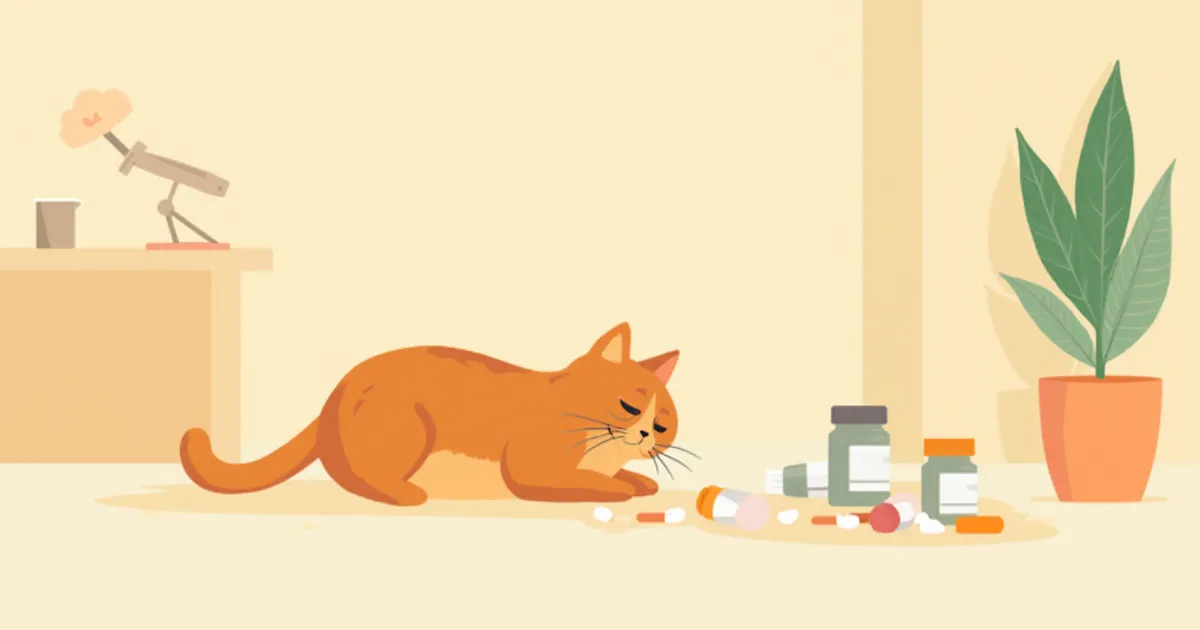
A cat showing symptoms of permethrin toxicity

Situations Requiring Immediate Visit to an Emergency Animal Hospital

If you suspect your cat has come into contact with a dog-specific spot-on treatment, or if you notice any of the following symptoms—muscle tremors, seizures, difficulty breathing, or loss of consciousness—seek immediate care at a 24-hour emergency animal hospital. Never assume that the absence of symptoms means it’s safe to wait. Even if no symptoms are present, contact a veterinarian right away as soon as exposure is confirmed.

Diagnostic Methods at the Animal Hospital

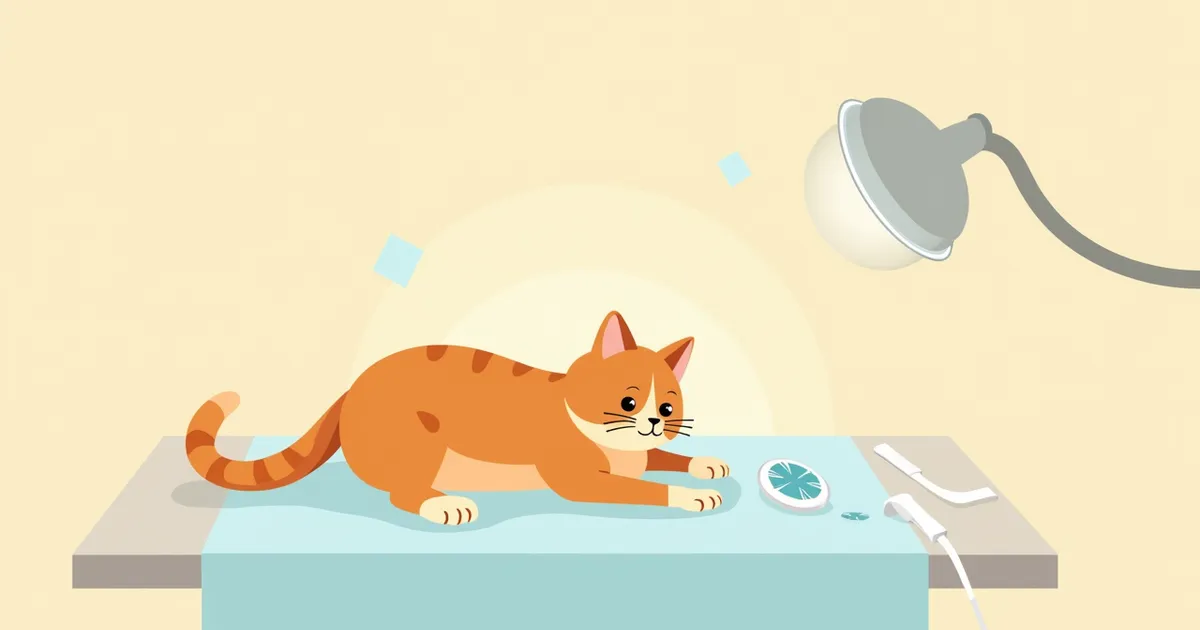
Diagnosing permethrin toxicity relies primarily on the exposure history provided by the pet owner and the observed clinical signs. Please share as accurate details as possible about which product was used, when it was applied, and how much was used. Bringing the product packaging or a photo of it can be very helpful. At the clinic, we will perform a neurological assessment (checking for tremors, seizures, and reflexes), measure body temperature, and conduct blood and biochemical tests. If tremors or seizures persist, they can cause muscle damage that places strain on the kidneys, so we will also monitor kidney-related values. Since there is no specific rapid test for permethrin, the diagnosis is typically made clinically by combining the symptoms with the exposure history.

Emergency First Aid and Hospital Treatment
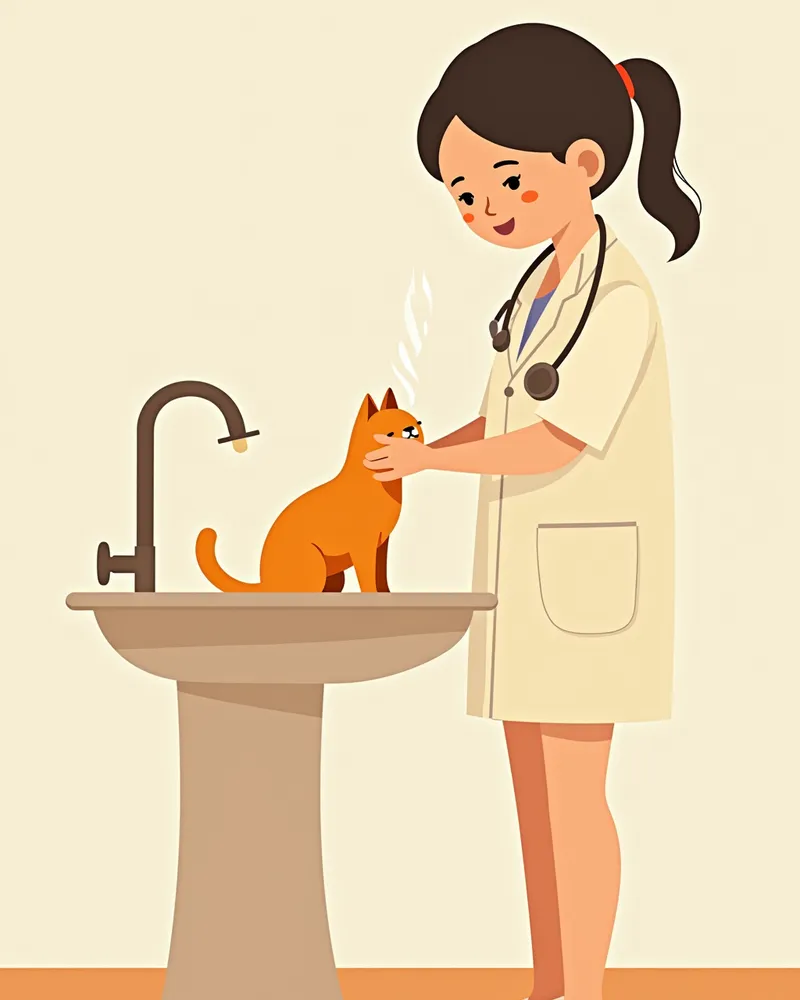
The first aid you can do at home before going to the hospital is to wash off the permethrin. Thoroughly wash your pet's fur with dish soap and lukewarm water, wrap them in a towel to maintain body temperature, and head to the hospital immediately. Do not induce vomiting or administer activated charcoal at home. Gastrointestinal decontamination can be dangerous when neurological symptoms are present. At the hospital, intravenous fluids will be administered to protect the kidneys, muscle tremors will be managed with methocarbamol, and seizures will be controlled with anticonvulsants such as diazepam. If hyperthermia occurs, cooling measures will be taken, and severe tremors or seizures may require intravenous lipid emulsion therapy or intensive inpatient care.
A cat receiving a flushing treatment at the veterinary clinic

Post-Discharge Home Care Points

Even after hospital treatment, careful monitoring at home is essential. Some cats may experience symptoms that persist or recur for 48 to 72 hours after discharge, so provide them with a quiet, warm space to rest. Once their appetite returns, offer small amounts of easily digestible food or prescription diet. Continue administering prescribed medications exactly as directed by your veterinarian until the full course is completed, even if symptoms improve. Contact your clinic immediately if you notice signs of recurrence, such as tremors, drooling, or unsteadiness. For cats that experienced prolonged tremors or seizures, follow your veterinarian’s recommended schedule for follow-up examinations to reassess organ function, including kidney health.
A cat recovering at home after treatment

Permethrin Toxicity Prevention Guidelines — For Homes with Both Dogs and Cats

If you share your home with both dogs and cats, please follow these guidelines carefully. Keep your cat separated from your dog for at least 24 to 48 hours after applying a permethrin spot-on treatment to the dog. When purchasing products for your dog, always check the ingredient list for "permethrin" or "pyrethroid." Use only products specifically approved for cats on your feline companion, and store any dog-specific flea and tick treatments out of your cat's reach.

Reviewed by a veterinarian

Dr. Tony — Punnawat Phongkittirak

Dr. Tony — Punnawat Phongkittirak

Veterinarian

A veterinarian who majored in veterinary medicine at Khon Kaen University, Thailand, and completed the IVSA program at North Carolina State University in the United States. Drawing on clinical experience at animal hospitals, he works in the pet healthcare field and is dedicated to building a digital care environment that connects pet parents with veterinarians.

Frequently Asked Questions

Are spot-on products designed for dogs safe to use on cats?
No. Dog spot-on products contain high concentrations of permethrin, which is absolutely toxic to cats and must never be used on them. If you have both dogs and cats, keep them separated for at least 24 to 48 hours after application.
Is it safe to induce vomiting at home?
No. Permethrin toxicity primarily occurs through skin absorption, so inducing vomiting is not helpful, and gastrointestinal decontamination in a patient showing neurological signs can actually be dangerous. The only thing you can do at home is wash your pet’s body with a neutral detergent and then head to the clinic immediately.
If there are no symptoms, is it okay to just monitor the situation for a while?
No, that’s not correct. If exposure has been confirmed, it’s important to contact your veterinarian immediately, even if there are no symptoms. It can take time for symptoms to appear, and treatment becomes much more difficult once seizures have started.
How long does it take to recover?
Most severe symptoms subside within 24 hours, though some pets may experience them for 48 to 72 hours. With prompt and aggressive treatment, the prognosis is generally favorable. If tremors or seizures persist for an extended period, it is advisable to follow your veterinarian’s recommended schedule for follow-up examinations to monitor the health of vital organs, such as the kidneys.
Are flea medications specifically formulated for cats safe?
Products selected in consultation with a veterinarian are generally safe for cats. However, because cats are highly sensitive to insecticides, even products approved for feline use can occasionally cause adverse reactions at recommended doses, so please monitor your cat after application. Before purchasing, always check the ingredient list to ensure it does not contain permethrin or pyrethroid-based ingredients. If you are unsure, obtaining a prescription from a veterinary clinic is the safest option.

Share

Related Guides

References

[1] Hovda LR, Brutlag AG, Poppenga RH, Peterson KL. Blackwell's Five-Minute Veterinary Consult Clinical Companion: Small Animal Toxicology, 3rd Ed. Wiley-Blackwell, 2022.

[2] Schaer M, Gaschen FP. Clinical Medicine of the Dog and Cat, 4th Ed. CRC Press, 2022.

[3] Plumb DC. Plumb's Veterinary Drug Handbook, 10th Ed. Wiley-Blackwell, 2023.

[4] Silverstein DC, Hopper K. Feline Emergency and Critical Care Medicine, 2nd Ed. Wiley-Blackwell, 2015.

This information is based on veterinary literature and does not replace diagnosis or treatment. Please consult a veterinarian for specific health concerns.

Metapet Co., Ltd. | CEO: Park Sung-yong | Business Reg. No. 417-88-02562 | Seoul, South Korea | Customer Center

Used Dog Flea Meds on a Cat? Permethrin Toxicity Symptoms | Meongsiljang