Like
Share
멍실장
고양이 문맥 고혈압 증상과 원인, 진단·치료와 관리 포인트 총정리

If Your Cat’s Abdomen Is Distended — Causes of Portal Hypertension and When to Seek Treatment

Liver HealthDiseasesMeongsiljang Veterinary Advisory Board

Feline portal hypertension is a condition of elevated blood pressure in the portal vein, often associated with liver dysfunction, and can cause damage to the eyes, heart, and kidneys. Early detection and management are crucial.

Feline Portal Hypertension Is a Systemic Hypertensive Condition Linked to Liver Dysfunction
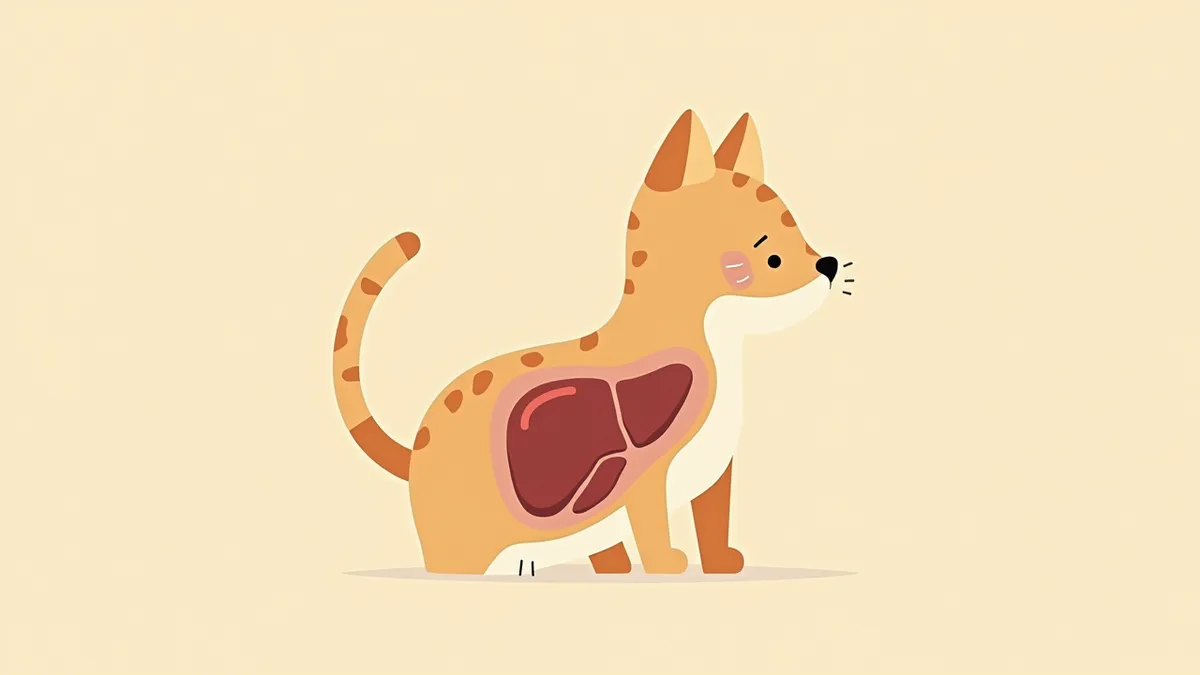
A diagram of the feline liver and portal vein anatomy illustrating portal hypertension
Feline portal hypertension is a condition in which blood pressure within the portal venous system—the veins carrying blood from abdominal organs to the liver—is elevated. This is distinct from systemic hypertension, which involves high blood pressure in the body’s arteries. Portal pressure rises when portal blood flow increases or, more commonly, when resistance to portal blood flow grows. - Intrahepatic causes: Structural changes in liver tissue, such as those seen in cirrhosis, can increase resistance to portal blood flow within the liver, raising pressure. - Prehepatic causes (portal blood flow obstruction): Blockages of the portal vein itself, such as portal vein thrombosis, can also elevate portal pressure. - Posthepatic (cardiac) causes: Conditions like right-sided heart failure, where blood cannot exit the heart efficiently, can cause pressure to build up behind the liver. Because persistent portal hypertension often leads to ascites (fluid accumulation in the abdominal cavity), accurately identifying the underlying cause is crucial for effective management.

Major Causes Include Liver Disease, Blood Flow Disorders, and Heart Failure

The causes of portal hypertension in cats can be categorized based on where the issue occurs: before the liver (prehepatic), within the liver (intrahepatic), or after the liver (posthepatic). - Intrahepatic diseases: When liver tissue is altered, as in cirrhosis, resistance to blood flow within the liver increases, leading to elevated pressure. - Portal blood flow obstruction (prehepatic causes): If blood vessels are blocked, such as by a portal vein thrombus, portal blood flow is obstructed, causing pressure to rise. - Cardiac causes (posthepatic): If blood cannot drain properly from the heart due to right-sided heart failure, pressure behind the liver increases, potentially resulting in portal hypertension. - The need for accurate diagnosis: Since treatment approaches vary depending on the location of the cause, it is essential to conduct various tests at the clinic, including physical examinations and imaging studies, to identify the exact cause.
A cat showing ascites and venous dilation due to portal hypertension

Check for Major Symptoms and Signs

Feline portal hypertension may not present obvious symptoms in its early stages. The most characteristic sign is ascites, the accumulation of fluid in the abdominal cavity, which leads to abdominal distension. This is because portal hypertension is a common cause of the transudate or exudate (ascites) that forms within the abdomen. Since the condition can remain asymptomatic until symptoms become apparent, regular veterinary check-ups are essential.
Ascites: The abdomen appears swollen and feels fluid-filled or sloshing when gently pressed.
Abdominal distension: The belly gradually enlarges, and its circumference increases.
Decreased appetite and lethargy: Your cat may show a decline in overall condition and eat less.
Risk of hepatic encephalopathy: If portal hypertension occurs alongside acquired portosystemic shunts, neurological symptoms may develop.
General changes in condition: If you notice any behavior that differs from your cat’s normal routine, it is advisable to have them evaluated at a veterinary clinic.
An eye showing retinal hemorrhage caused by feline portal hypertension

Symptoms Requiring Immediate Veterinary Visit

If your cat’s abdomen swells rapidly, or if they repeatedly vomit, become lethargic, and appear weak and listless, you should take them to a veterinary clinic immediately. Severe portal hypertension can lead to rapid accumulation of fluid in the abdominal cavity, or neurological symptoms may arise due to hepatic encephalopathy caused by acquired portosystemic shunts. If you notice any unusual signs that differ from your cat’s normal behavior, seek veterinary care without delay.

Comprehensive Testing Is Required for Accurate Diagnosis
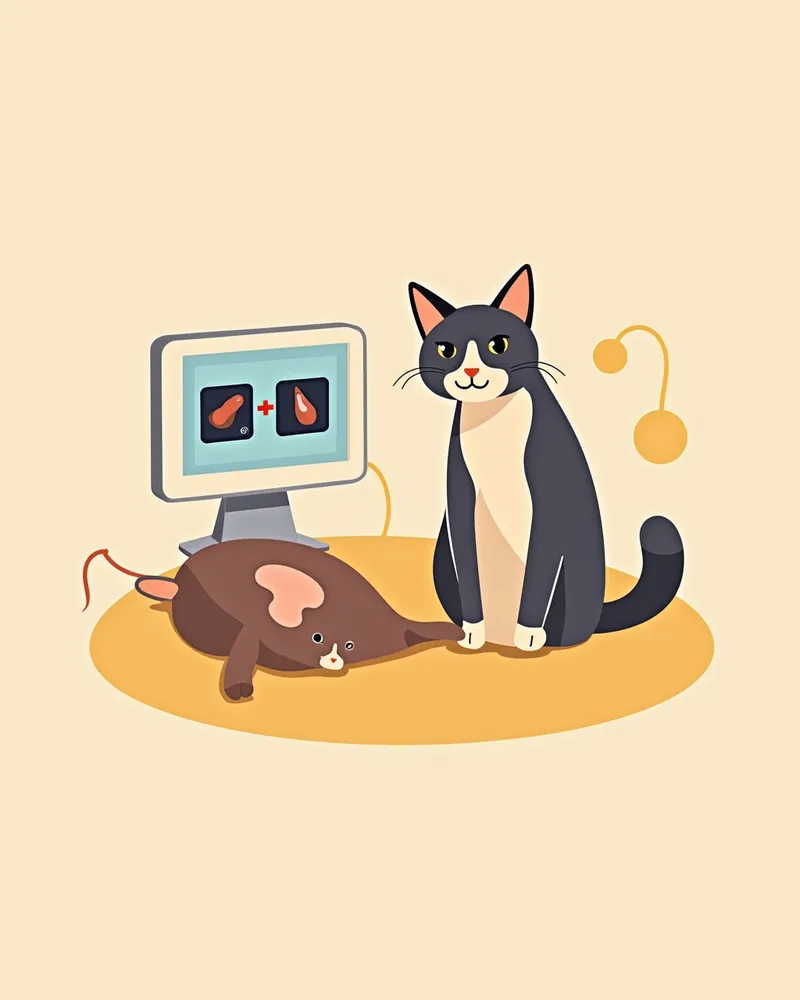
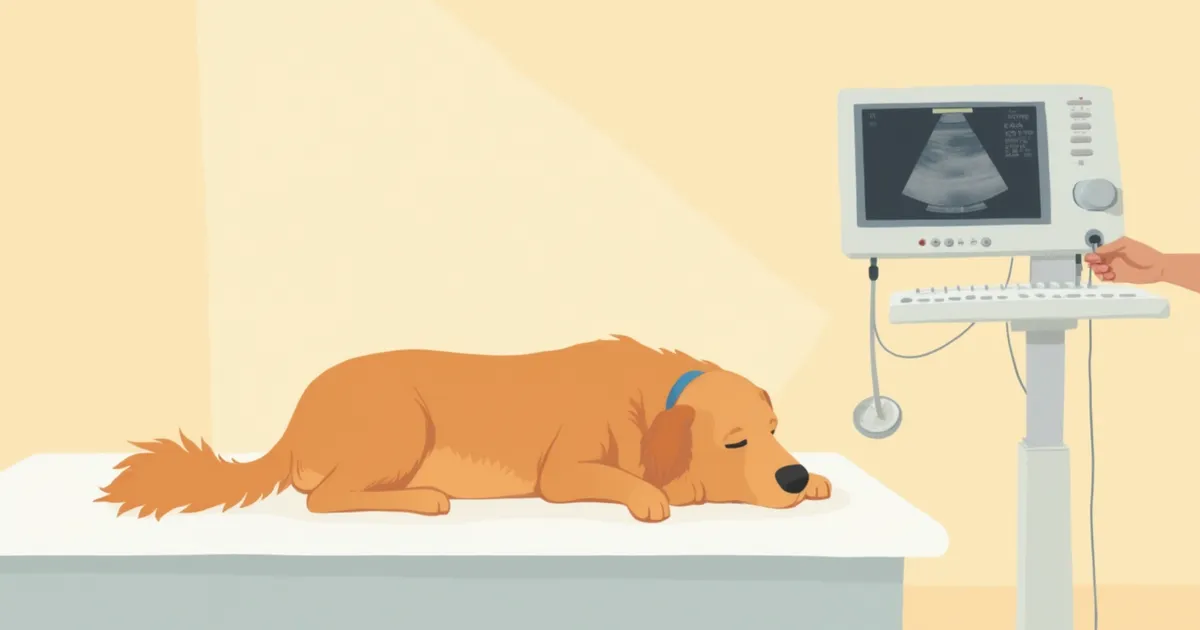
Diagnosing feline portal hypertension is challenging because no single test can confirm it on its own. Veterinarians typically combine physical examination findings with imaging studies, while the gold standard for accurate diagnosis involves directly or indirectly measuring portal venous pressure. - Physical examination: We assess clinical signs such as ascites (fluid accumulation in the abdomen) and abdominal distension. - Abdominal ultrasound: This imaging modality evaluates structural changes in the liver, portal blood flow, and the presence of fluid within the abdominal cavity. - Portal pressure measurement: Direct or indirect measurement of portal pressure serves as the diagnostic standard to confirm elevated pressure levels. - Blood tests: These evaluate liver function indicators, including liver enzymes such as ALT. - Ascitic fluid analysis: Analyzing the characteristics of abdominal fluid—such as whether it is a transudate or exudate and its protein content—helps determine the underlying cause. A comprehensive evaluation at the veterinary clinic is essential to accurately identify both the cause and severity of the condition.
An abdominal ultrasound examination for diagnosing feline portal hypertension

Treatment Is Divided into Addressing the Underlying Cause and Managing Symptoms
Because there are limited medication options to directly lower blood pressure, treatment for feline portal hypertension primarily focuses on addressing the underlying cause and managing complications. - Treating underlying conditions: We assess and manage root causes such as liver disease, blood clots, and heart disease. - Managing ascites: If fluid accumulation in the abdomen is severe, we reduce discomfort by controlling fluid levels through drainage or diuretics. - Managing hepatic encephalopathy: When necessary, we use lactulose or enemas to reduce the production of toxins in the intestines. - Limitations of medication: Since drugs that directly lower portal pressure have limited efficacy, they are used cautiously based on the veterinarian’s judgment. - Regular check-ups: Continuous monitoring for changes in your cat’s condition is essential. It is important to work with your veterinarian to establish a tailored treatment plan and maintain consistent care.
A scene showing the administration of medication to treat portal hypertension in cats.

Be Sure to Follow Key Management Points at Home

Feline portal hypertension requires ongoing, consistent management. The cornerstones of care are dietary management, strict medication adherence, and regular veterinary check-ups. For diet, it is safest to follow the specific plan recommended by your veterinarian based on your cat’s condition, rather than making changes on your own. Medications must be given exactly as prescribed, at the correct times, without missing any doses. Additionally, providing a calm, stable environment to minimize stress is highly beneficial.
Dietary Management: Follow the diet recommended by your veterinarian and avoid making unauthorized changes.
Medication Administration: Administer medications precisely at the scheduled times and ensure no doses are missed.
Regular Check-ups: Monitor your cat’s condition and liver function according to the schedule set by your veterinarian.
Stress Reduction: Maintain a quiet environment and a consistent daily routine.
Creating a Stress-Reducing Environment for Managing Feline Portal Hypertension

Feline Portal Hypertension Carries a High Risk of Recurrence

If the underlying liver disease doesn’t recover, portal hypertension can persist or recur. Neglecting regular check-ups or prescribed care can worsen the condition. Work with your veterinarian to establish a long-term management plan and monitor your pet’s condition regularly.

Reviewed by a veterinarian

Dr. Tony — Punnawat Phongkittirak

Dr. Tony — Punnawat Phongkittirak

Veterinarian

A veterinarian who majored in veterinary medicine at Khon Kaen University, Thailand, and completed the IVSA program at North Carolina State University in the United States. Drawing on clinical experience at animal hospitals, he works in the pet healthcare field and is dedicated to building a digital care environment that connects pet parents with veterinarians.

Frequently Asked Questions

Can feline portal hypertension be cured?
It depends on the underlying cause. If the primary liver disease improves, portal pressure may also decrease, but chronic cases require ongoing management.
My cat has developed ascites. Could it be due to portal hypertension?
Yes, ascites (fluid accumulation in the abdominal cavity) is a common sign of portal hypertension. An abdominal ultrasound can help assess both the fluid and the condition of the liver.
How long should the medication be given?
Medications that directly lower pulmonary pressure have limited effectiveness, so treatment focuses on managing the underlying disease and its complications. Always follow your veterinarian’s instructions regarding whether to use medications and for how long, and do not discontinue them without professional guidance.
What kind of dietary management should I follow?
It’s safer to follow a diet recommended by your veterinarian based on your pet’s condition rather than relying on your own judgment.
My cat’s vision has worsened. Should I take it to the vet?
Yes, vision loss can be a sign of retinal damage caused by systemic hypertension. Although this is a different issue from portal hypertension, it requires prompt veterinary care, so please have your pet’s eyes and blood pressure checked at a clinic right away.

Stage-by-Stage Symptoms and Management Strategies for Feline Portal Hypertension

ItemStageMain SymptomsResponse MeasuresEmergency Status
MildReduced appetite, slight abdominal distensionCause assessment, regular checkupsNoNo
ModerateAscites, abdominal distension, reduced energyAscites management, complication treatmentYesYes
SevereMassive ascites, lethargy, neurological signs suggestive of hepatic encephalopathyEmergency treatment, intensive management of the underlying diseaseYesYes

If symptoms worsen, an immediate hospital visit is needed.

Share

Related Guides
References

[1] Beate Egner et al. (2023) The Cat, Clinical Medicine and Management, 2nd Edition. Elsevier.

[2] Taylor SS et al. (2017) ISFM consensus guidelines on the diagnosis and management of hypertension in cats. Journal of Feline Medicine and Surgery.

[3] Brown SA, Henik RA. (1998) Diagnosis and treatment of systemic hypertension in cats. Veterinary Clinics of North America: Small Animal Practice.

This information is based on veterinary literature and does not replace diagnosis or treatment. Please consult a veterinarian for specific health concerns.

Metapet Co., Ltd. | CEO: Park Sung-yong | Business Reg. No. 417-88-02562 | Seoul, South Korea | Customer Center

Cat's Belly Distended? Portal Hypertension Causes & Timing | Meongsiljang