Like
Share
멍실장
고양이 간 생검 증상과 원인, 진단·치료와 관리 포인트 총정리

Comprehensive Guide to Feline Liver Biopsy: Symptoms, Causes, Diagnosis, Treatment, and Management

Liver HealthDiseasesMeongsiljang Veterinary Advisory Board

A liver biopsy is a diagnostic test performed to accurately diagnose liver disease in cats. If symptoms appear, you should consult your veterinarian immediately.

A Liver Biopsy Is a Key Diagnostic Test for Feline Liver Disease
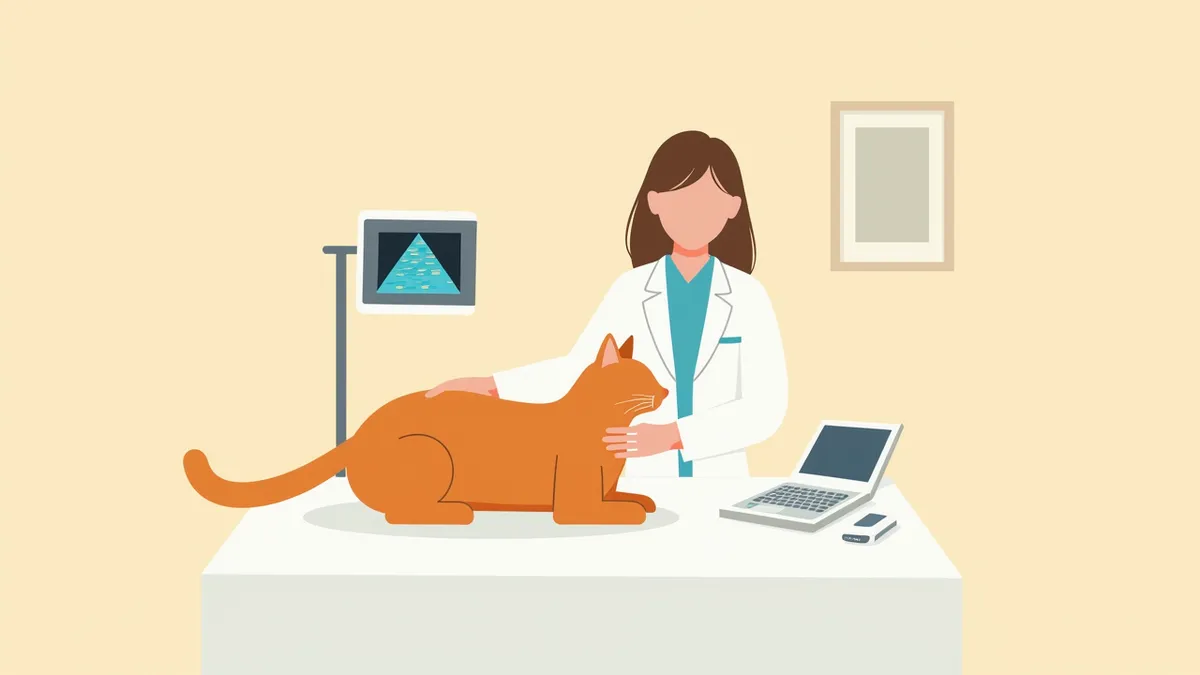
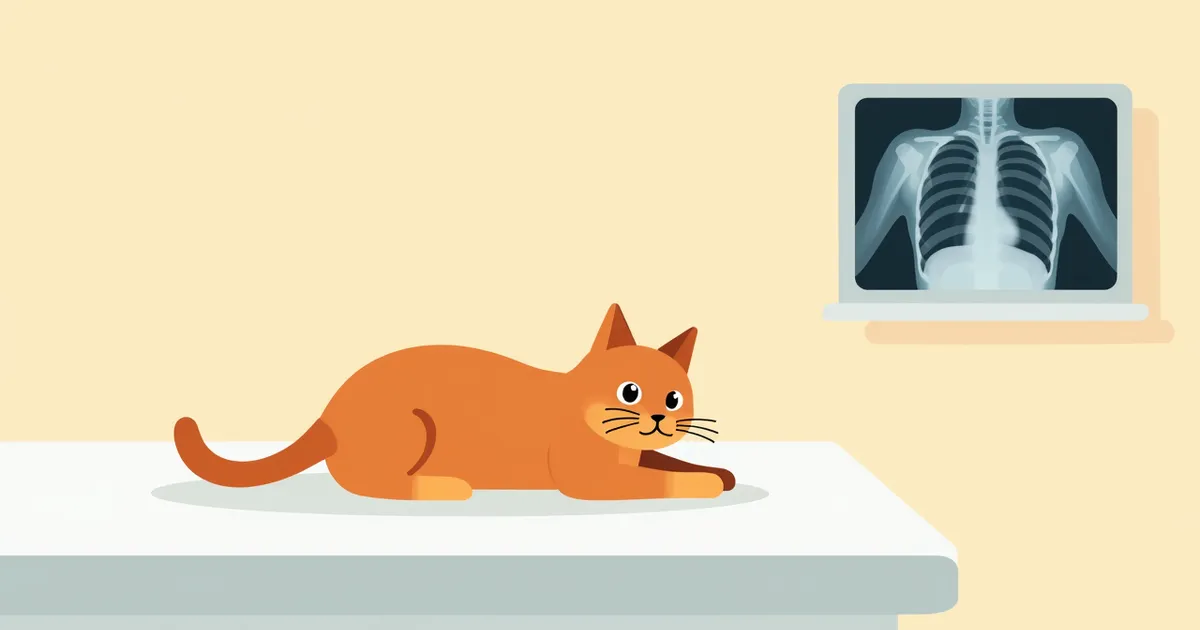
A veterinarian performing a liver biopsy on a cat under ultrasound guidance.
A liver biopsy involves directly sampling liver tissue to determine the nature and severity of lesions. This procedure is considered when blood tests for liver enzymes or ultrasound imaging alone cannot confirm the cause, or when further evaluation of abnormalities detected on ultrasound is needed. Liver parenchymal diseases such as hepatitis (cholangitis), hepatic fibrosis, and tumors are often definitively diagnosed through histopathological examination. However, hepatic lipidosis (fatty liver disease) is typically diagnosed via fine-needle aspiration (FNA) cytology, and a biopsy is recommended only when other hepatobiliary diseases are also suspected. Your veterinarian will determine the appropriate diagnostic approach after comprehensively evaluating your cat’s overall condition. Because biopsy results directly inform the development of a treatment plan, they play a crucial role in achieving an accurate diagnosis.

The Main Indications for a Liver Biopsy Are Abnormal Liver Function and the Need to Detect Lesions

A liver biopsy in cats is performed when blood tests reveal abnormal liver enzymes or when abdominal ultrasound suggests structural changes in the liver. It is particularly considered for definitive diagnosis when parenchymal liver diseases such as hepatitis (cholangitis), hepatic fibrosis, or tumors are suspected. However, hepatic lipidosis (fatty liver disease) can often be diagnosed via fine-needle aspiration cytology if most hepatocytes show fatty degeneration; therefore, a biopsy is recommended only if other hepatobiliary diseases are also suspected. A biopsy allows veterinarians to determine the nature of the lesion (e.g., inflammation, abnormal cell proliferation) and its stage of progression. The decision to perform a biopsy is made by the veterinarian after considering the patient’s overall health status and risk factors. The results serve as a crucial foundation for determining the treatment approach and long-term management plan.
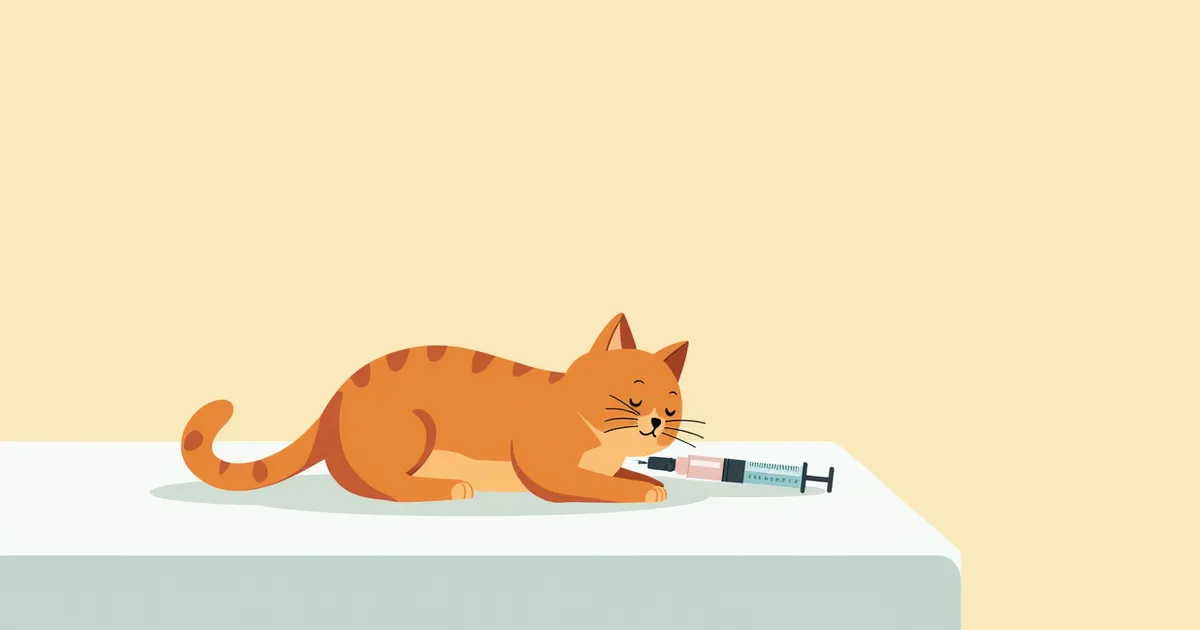
A veterinarian makes a small incision on a cat’s abdomen to prepare for a biopsy.

Key Symptoms Include Loss of Appetite, Vomiting, Weight Loss, and Jaundice

Common symptoms of feline liver disease include loss of appetite, lethargy, and weight loss, which may be accompanied by vomiting and jaundice (yellowing of the skin, eyes, or gums) as the condition progresses. Loss of appetite and lethargy are the most frequent and earliest warning signs, while jaundice and vomiting often appear only after the disease has advanced significantly. Because cats are at high risk of developing hepatic lipidosis (fatty liver disease) from just a few days of anorexia, close monitoring is essential. Darkening of the urine may also occur. Jaundice is a sign that the disease is already quite advanced, as it typically becomes visible only when blood bilirubin levels rise to more than two to three times the normal range; therefore, immediate veterinary attention is required if it appears. Early detection and diagnosis greatly improve treatment outcomes, so it is important to consult your veterinarian promptly.
A photo taken near the face of a cat showing symptoms of jaundice.

Immediate Veterinary Visit Is Required If Jaundice Is Severe or Persistent

Jaundice, especially if it becomes more pronounced, can signal that liver damage has already progressed significantly. Jaundice typically becomes visible only when blood bilirubin levels rise to at least two to three times the normal range, and if accompanied by loss of appetite, it indicates a more serious condition. In such cases, seek immediate veterinary care for urgent diagnosis, and consider cytology or biopsy if recommended. Delaying treatment can be life-threatening.

Diagnosis Is Comprehensively Made Through Liver Function Tests, Ultrasound, and Biopsy

Diagnosing liver disease in cats involves liver enzyme tests, abdominal ultrasound, and cellular or tissue examinations. Liver enzyme tests are blood tests that measure levels of liver enzymes (such as ALT and ALP) to assess functional abnormalities. Abdominal ultrasound visually evaluates the liver’s size, texture, and presence of lesions to detect structural abnormalities. If lesions are identified on ultrasound, definitive diagnosis is achieved through fine-needle aspiration (FNA) cytology or liver biopsy. Some conditions, such as fatty liver disease, can be diagnosed via cytology, while others, like hepatitis or tumors, require a tissue biopsy. The veterinarian synthesizes all test results to make a final diagnosis, which serves as the foundation for developing a treatment plan.
A veterinarian examining a biopsy sample under a microscope

Treatment Involves Medication, Dietary Management, and Surgery Depending on the Underlying Cause
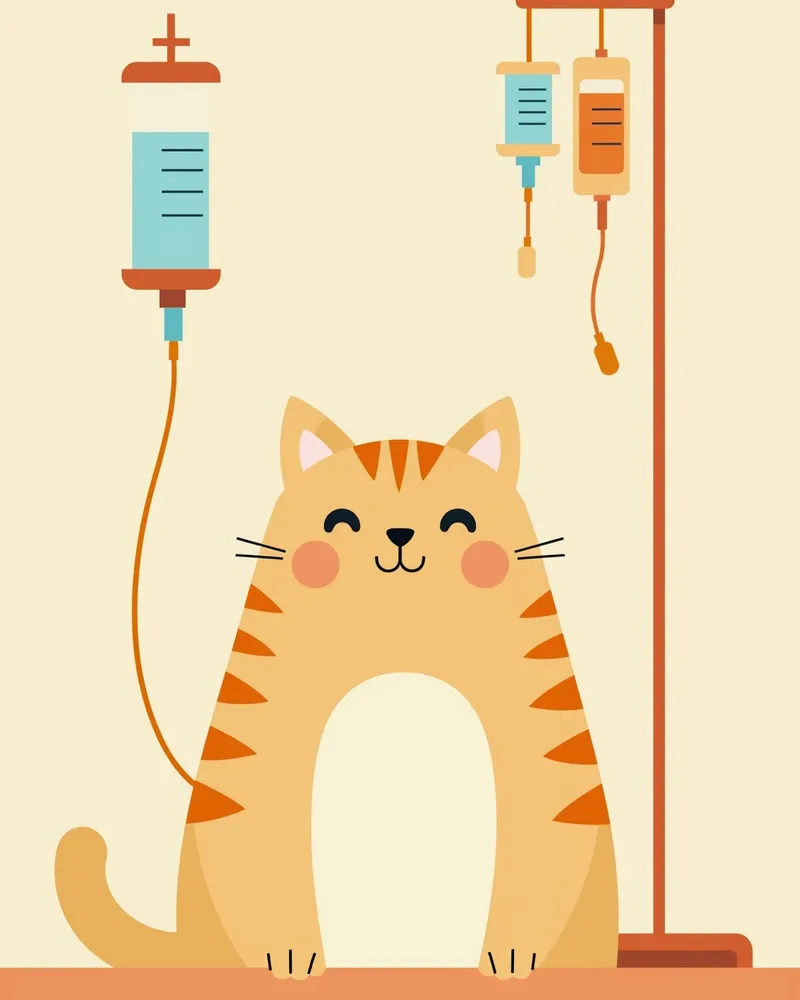
Treatment for feline liver disease varies depending on the underlying cause. For hepatic lipidosis (fatty liver disease), the cornerstone of therapy is nutritional support to reverse negative energy balance, alongside adequate hydration and electrolyte correction. In cases of hepatitis and cholangitis, inflammation is managed with anti-inflammatory or immunosuppressive agents such as glucocorticoids (prednisolone), often combined with choleretic and antioxidant supplements like ursodeoxycholic acid and vitamin E. If a tumor is suspected, further diagnostic testing is performed to determine the most appropriate treatment plan based on the patient’s condition. Medication and dietary management are used together, with the veterinarian creating a tailored treatment plan for each individual case. The duration of treatment depends on the severity of the lesions and the patient’s response, and consistent care plays a vital role in recovery.
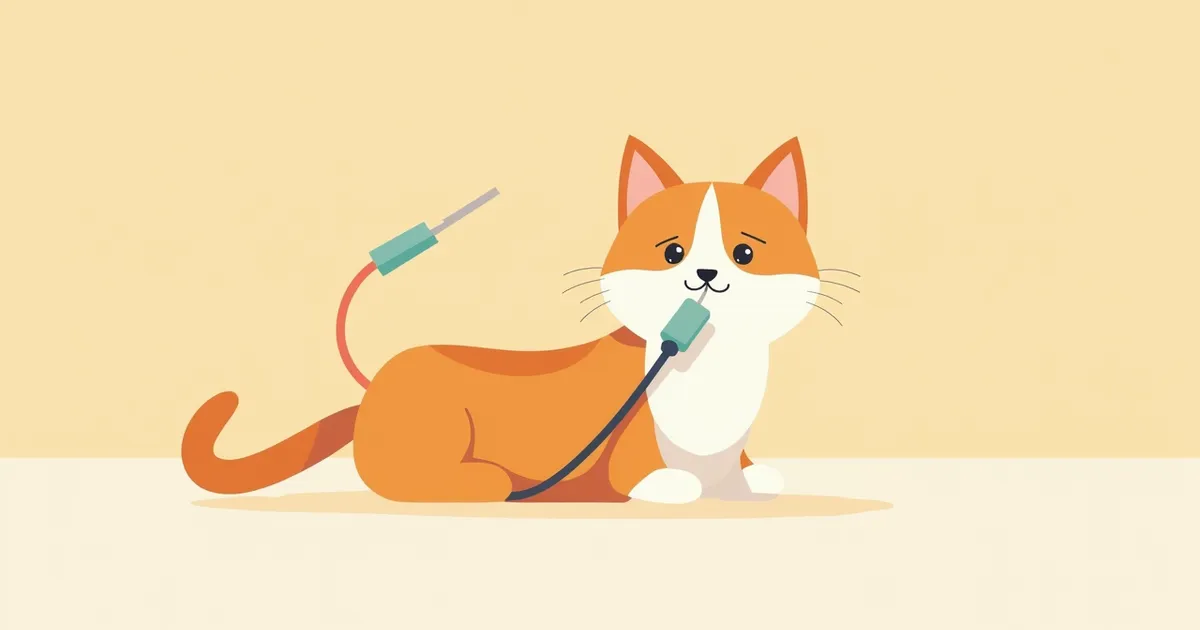
A cat receiving intravenous fluids and nutritional support at the hospital.

Home Management Centers on Dietary Management, Medication Adherence, and Regular Check-ups

Managing feline liver disease at home centers on three key pillars: dietary management, medication adherence, and regular check-ups. It is essential to maintain a diet that reduces the burden on the liver while providing adequate nutrition, and to administer prescribed medications exactly as directed. Additionally, you should monitor your cat’s recovery progress through regular liver enzyme tests and other assessments on the schedule set by your veterinarian. Maintaining sufficient food intake is particularly important, as a loss of appetite can trigger the recurrence of fatty liver disease. Help your cat by minimizing stress and maintaining a consistent daily routine, and contact your clinic immediately if you notice any changes in their condition. Consistent care plays a vital role in preventing relapse.
Specialized diet for feline liver health and regular check-up schedule

Caution Is Needed as Feline Liver Disease Has a High Risk of Recurrence

Some feline liver diseases can recur or progress even after the underlying cause has been managed. For example, lymphocytic cholangitis requires chronic treatment and monitoring, and even if long-term remission is achieved, it may relapse or progress to lymphoma. Additionally, repeated loss of appetite can lead to the recurrence of fatty liver disease. Ongoing veterinary care and regular check-ups are essential, and you should visit the clinic immediately if your cat suddenly loses its appetite or begins vomiting.

Reviewed by a veterinarian

Dr. Tony — Punnawat Phongkittirak

Dr. Tony — Punnawat Phongkittirak

Veterinarian

A veterinarian who majored in veterinary medicine at Khon Kaen University, Thailand, and completed the IVSA program at North Carolina State University in the United States. Drawing on clinical experience at animal hospitals, he works in the pet healthcare field and is dedicated to building a digital care environment that connects pet parents with veterinarians.

Frequently Asked Questions

Is a liver biopsy painful for cats?
The sample is collected under anesthesia, so your pet won’t feel any pain during the procedure. There may be some temporary discomfort after the biopsy, but the veterinarian will prescribe pain medication to keep your pet comfortable.
How long is the recovery period after a biopsy?
Be sure to follow the rest and recovery period recommended by your veterinarian, as the length of recovery will vary depending on the procedure performed and your pet’s individual condition.
When will the biopsy results be available?
Results are typically available within 5 to 7 days, and your veterinarian will provide a detailed explanation.
Is a biopsy absolutely necessary?
When liver dysfunction is suspected but the underlying cause remains unclear, your veterinarian may recommend cytology or a biopsy. In many cases, hepatic lipidosis can be diagnosed through fine-needle aspiration cytology alone, so your vet will determine the most appropriate diagnostic approach based on your pet’s specific situation.
What should I watch out for after a biopsy?
Be sure to give your pet the medications prescribed by your veterinarian, restrict their activity, and closely monitor any changes in appetite.

Share

Related Guides

References

[1] Feldman EC, Nelson RW. Canine and Feline Nephrology and Urology. 3rd ed. Philadelphia: Elsevier; 2014.

[2] Patterson-Kane EG, et al. Liver disease in cats: a review of clinical signs, diagnosis, and management. J Feline Med Surg. 2021;23(4):301-312.

[3] Lloyd DH, et al. Feline hepatic lipidosis: a retrospective study of 100 cases. Vet Rec. 2019;184(12):398.

This information is based on veterinary literature and does not replace diagnosis or treatment. Please consult a veterinarian for specific health concerns.

Metapet Co., Ltd. | CEO: Park Sung-yong | Business Reg. No. 417-88-02562 | Seoul, South Korea | Customer Center

Cat Liver Biopsy: Symptoms, Causes, Diagnosis, and Treatment Explained | Meongsiljang