Like
Share
멍실장
강아지 비타민D중독 증상과 응급 대처법, 위험 섭취량과 예방까지 총정리

Vitamin D Overdose in Dogs — From Kidney Toxicity Warning Signs to Emergency Response and Prevention

Emergency/ToxicityDiseasesMeongsiljang Veterinary Advisory Board

When dogs consume excessive amounts of vitamin D, their blood calcium levels can rise sharply, leading to a toxic condition where calcium deposits accumulate in the kidneys, heart, and blood vessels. Learn more about the early symptoms, emergency care, treatment process, and prevention methods.

What Is Vitamin D Toxicity in Dogs?
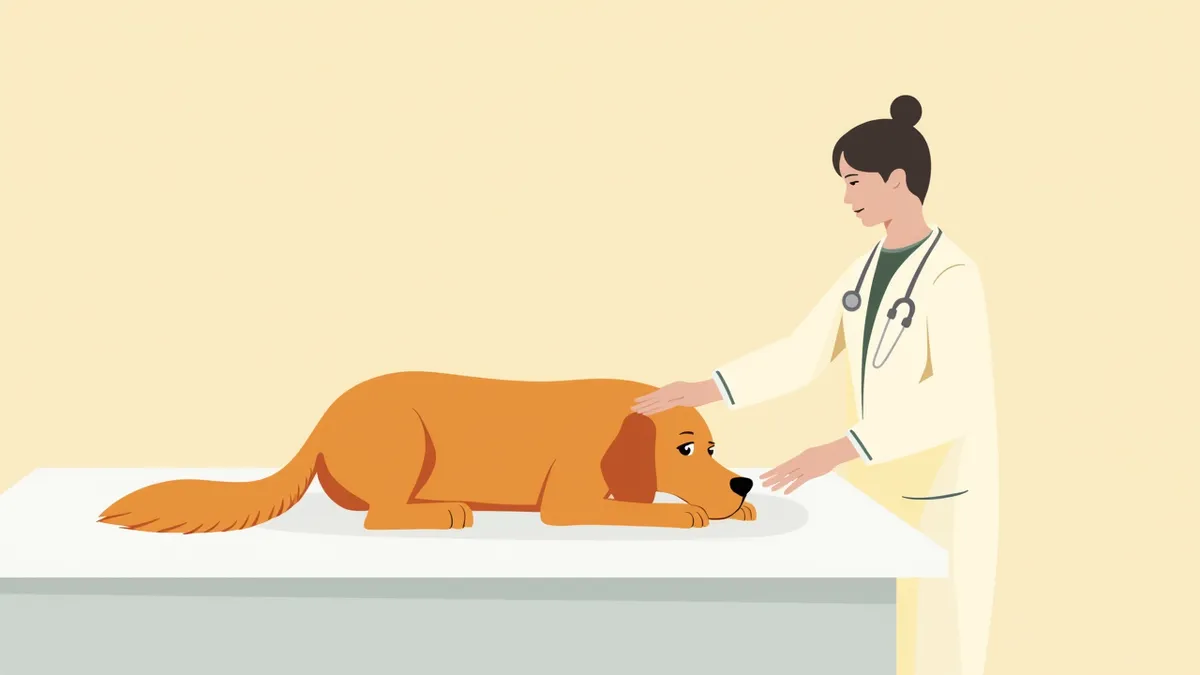
A veterinarian examining a dog with drooping symptoms due to vitamin D toxicity
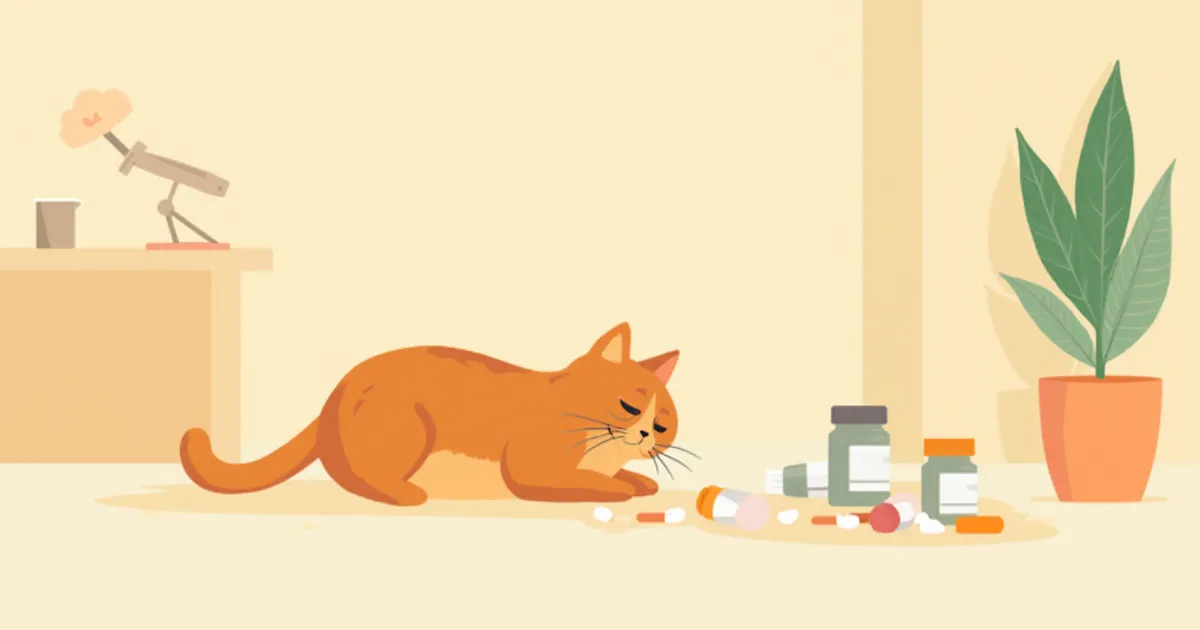
Vitamin D toxicity in dogs is a serious condition that occurs when excessive amounts of vitamin D3 (cholecalciferol) are ingested, leading to abnormally high levels of calcium and phosphorus in the blood. This causes calcium to deposit in various organs and tissues—including bones, soft tissues, the heart, and the kidneys—a process known as calcification. The real danger lies in the delayed onset of symptoms, which typically appear 12 to 36 hours after ingestion. Even if your dog seems perfectly fine on the outside, their blood calcium levels may already be rising. If you suspect exposure, please seek veterinary care immediately, even if no symptoms are present.

Main Causes of Vitamin D Toxicity in Dogs

Human vitamin D supplements and medications: This is most commonly caused by dogs licking or ingesting vitamin D3 supplements or psoriasis treatments containing calcipotriene. Just one or two high-dose capsules can be fatal for small-breed dogs.
Cholecalciferol-based rodenticides: Poisoning can occur from directly consuming these rodenticides or from secondary poisoning after eating a rodent that has ingested the bait.
Overfeeding pet food or supplements: Long-term feeding of products with excessive vitamin D due to manufacturing errors can lead to chronic toxicity.

Symptom Checklist by Time Stage

Early stage (12–36 hours after ingestion): Lethargy, weakness, and decreased appetite appear first, followed by vomiting. Seeking veterinary care at this stage has the greatest impact on the prognosis. Intermediate stage: The pet drinks abnormally large amounts of water and urinates frequently (polydipsia and polyuria). Dehydration and constipation may occur, along with black, tarry stools (melena) or hemorrhagic diarrhea. Late stage: As acute kidney damage progresses, urine output may actually decrease. Cardiac abnormalities such as bradycardia and ventricular arrhythmias can develop, accompanied by severe weakness and decreased consciousness. Treatment becomes significantly more difficult once this stage is reached.
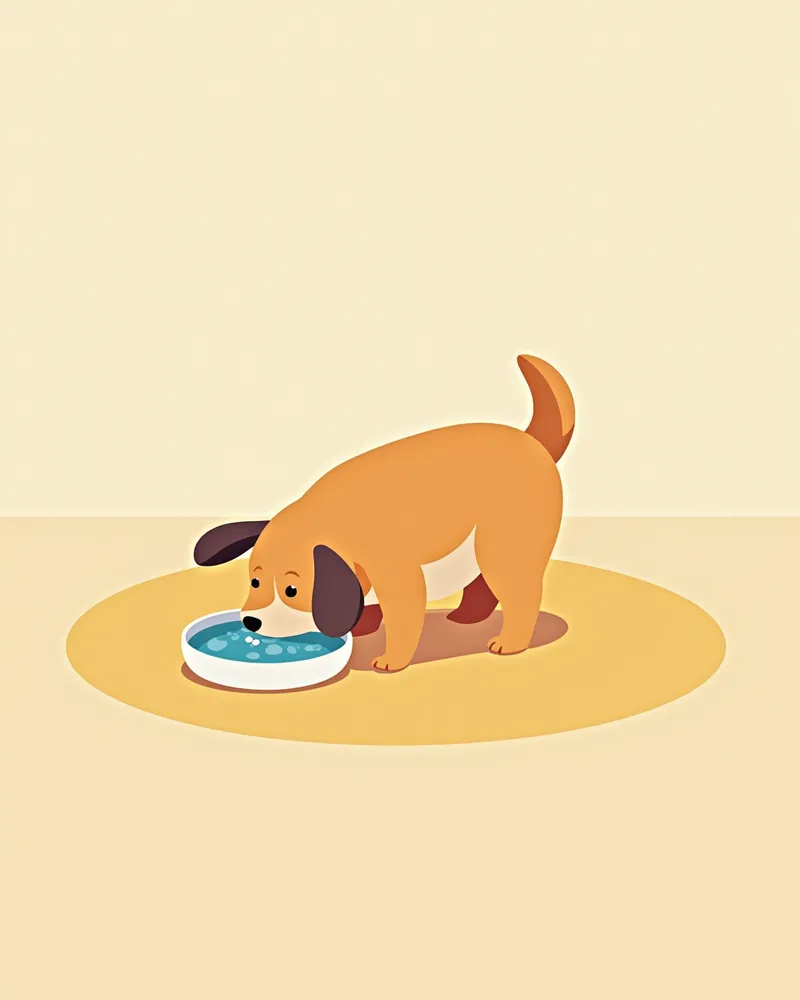
A dog drinking excessive amounts of water as a symptom of vitamin D toxicity

When to Go to the Emergency Room Immediately

If your pet has consumed anything containing vitamin D within the past two hours, take them to a veterinarian immediately, even if they show no symptoms. The appearance of vomiting, seizures, decreased urination, or muscle tremors indicates a medical emergency. Waiting under the assumption that "they only ate a little" can allow kidney failure to progress.

Dangerous Dosage — How Much Is Too Much?

Based on vitamin D3 (cholecalciferol), an intake of 0.1 mg or more per kilogram of body weight (approximately 4,000 IU) can lead to hypercalcemia and acute kidney injury. Even small amounts below 0.1 mg/kg may cause mild gastrointestinal symptoms, and the risk increases significantly when intake exceeds 0.5 mg/kg. For a 5 kg dog, danger can begin at approximately 0.5 mg (based on the 0.1 mg/kg threshold). Since 1 IU of vitamin D3 is approximately 0.025 mcg, just one or two capsules of high-dose human supplements can reach dangerous levels for small dogs. Psoriasis ointments containing calcipotriene are extremely hazardous, as toxicity can occur with much smaller amounts—roughly 10 mcg per kilogram of body weight. Rat poisons vary in concentration depending on the product, so it is essential to bring the packaging to the clinic.

How Diagnosis Is Performed at the Clinic

After reviewing your pet’s ingestion history, the veterinarian will proceed with the following tests.
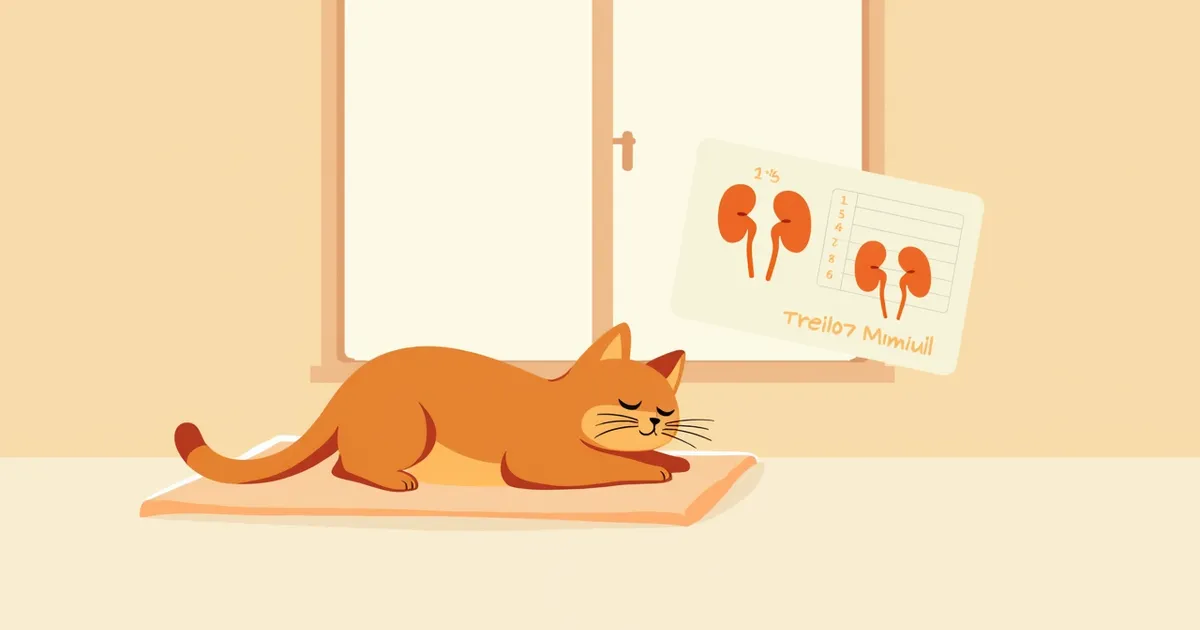
Blood tests: These check blood calcium and phosphorus levels, as well as kidney function markers (blood urea nitrogen and creatinine). The key indicators of vitamin D toxicity are hypercalcemia and hyperphosphatemia.
Urinalysis: This assesses whether the kidneys are properly filtering out calcium.
X-rays and ultrasound: These imaging tests check for calcium deposits in the kidneys, gastrointestinal tract, and soft tissues.
If blood calcium and phosphorus levels fall outside the normal range, treatment begins immediately. Typically, these values are monitored daily for the first 5–7 days, then about three times a week for the following two weeks.

How Is Treatment Conducted?

Vitamin D is a fat-soluble vitamin that is stored in body fat, so it remains in the system for an extended period. Consequently, treatment may take two to four weeks or longer.
Gastric decontamination (immediately after ingestion): We induce vomiting to remove toxins from the stomach. Activated charcoal may also be administered to reduce absorption.
Fluid therapy: Intravenous saline fluids help dilute calcium levels and promote its excretion through urine.
Medication: Diuretics (furosemide) are used to increase calcium excretion by the kidneys, while steroids and bisphosphonates prevent further calcium release from the bones. After discharge, it is essential to continue feeding a prescription low-calcium diet.
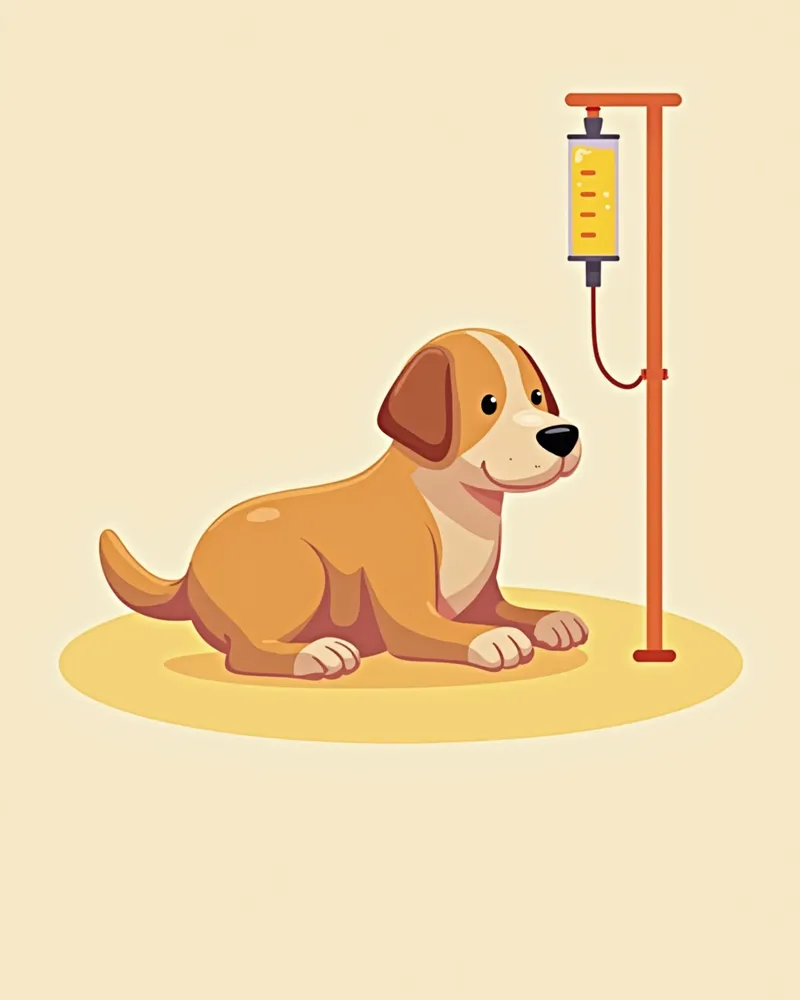
A puppy receiving intravenous fluid therapy for vitamin D toxicity

Emergency Steps You Can Take at Home

If you suspect your pet has ingested something harmful, take these steps immediately: 1. Contact your veterinarian first. Do not attempt to induce vomiting on your own, as this can damage the airway. Always follow your vet’s instructions. 2. Bring the packaging or container. Having the product name, ingredients, and dosage information on hand helps your vet quickly determine the best treatment plan. 3. Offer water freely. Do not restrict your pet’s access to water. 4. Avoid dairy products. Never give milk or cheese, as the calcium they contain can worsen certain toxicities. Do not rely solely on online information and wait at home. Seek professional veterinary care right away.
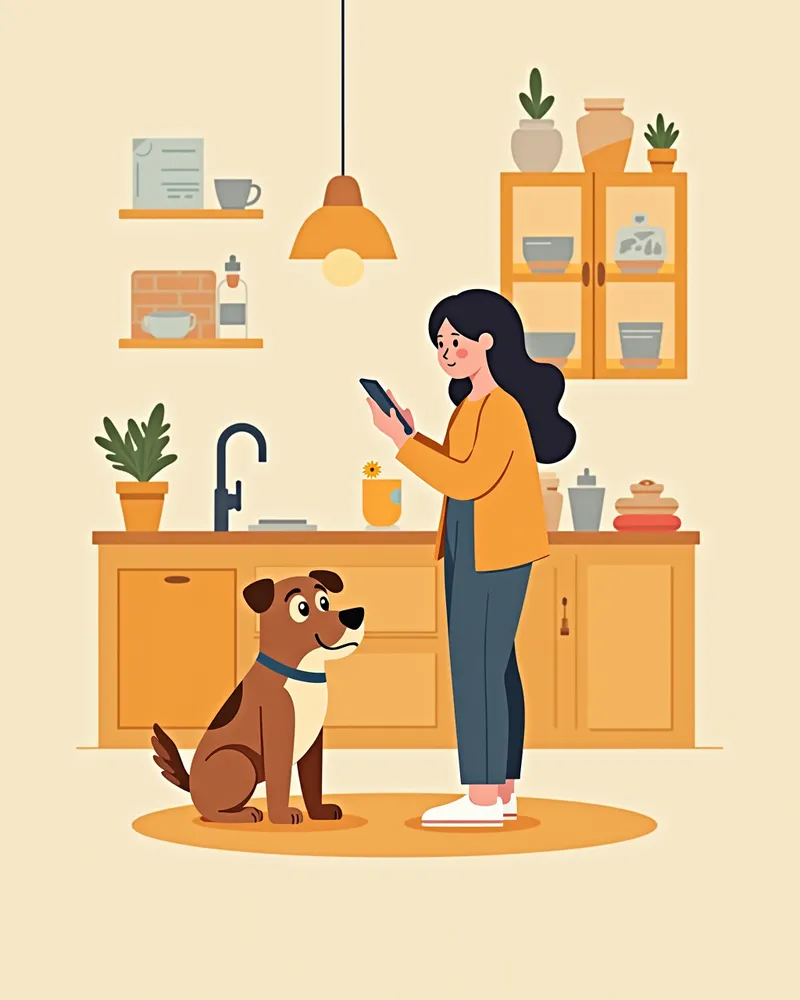
A pet owner calling a veterinary clinic when their dog has been poisoned

Regular Blood Tests Are Essential After Discharge

Vitamin D is stored in fat for a long time, so blood calcium levels can rise again even after discharge. Even after blood calcium levels return to normal, it is generally recommended to continue a low-calcium prescription diet for 2 to 4 weeks and repeat blood tests as directed by your veterinarian. Stopping the diet or medication on your own increases the risk of recurrence.

Preventing Vitamin D Toxicity — What Owners Must Do

Storing human supplements and medications: Keep vitamin D supplements, multivitamins, and psoriasis ointments out of your dog’s reach. If a capsule falls on the floor, pick it up immediately.
Checking rodenticide ingredients: Use rodenticides containing cholecalciferol only in areas where dogs are completely prevented from accessing them.
Beware of overlapping supplement dosages: If your dog’s comprehensive supplement already contains vitamin D, be sure to check the combined dosage with any other supplements. Giving multiple products at once can lead to unexpectedly high total intake.

Reviewed by a veterinarian

Dr. Tony — Punnawat Phongkittirak

Dr. Tony — Punnawat Phongkittirak

Veterinarian

A veterinarian who majored in veterinary medicine at Khon Kaen University, Thailand, and completed the IVSA program at North Carolina State University in the United States. Drawing on clinical experience at animal hospitals, he works in the pet healthcare field and is dedicated to building a digital care environment that connects pet parents with veterinarians.

Frequently Asked Questions

My dog only ate a small amount of vitamin D supplement. Do I need to take him to the vet?
Yes, you should go to the vet right away, even if there are no symptoms. Vitamin D toxicity often doesn't show symptoms until 12 to 36 hours later. In the meantime, blood calcium levels may already be rising. The safest approach is to have an early blood test at the clinic to confirm.
Is it safe to induce vomiting at home?
Inducing vomiting without a veterinarian’s guidance can be dangerous. If your dog is already lethargic or disoriented, or if they’ve ingested a liquid product, there’s a risk of aspiration into the airway. Always call your clinic first to get professional instructions before taking any action.
How long does the treatment take?
Vitamin D is a fat-soluble vitamin that is stored in body fat, so it remains in the system for a long time. Hospitalization typically lasts 2 to 5 days, and after discharge, a low-calcium prescription diet and regular blood tests may continue for 2 to 4 weeks or longer. Since individual needs vary, it is important to follow your veterinarian’s instructions.
My dog ate a mouse that had consumed rat poison. Is this a cause for concern?
If your dog eats a mouse that has consumed cholecalciferol-based rat poison, it can lead to secondary poisoning. The level of risk depends on the size of the mouse and your dog’s body weight, but for safety, contact your veterinarian immediately and explain the situation.
Can I resume giving vitamin D supplements after recovery?
For dogs with a history of toxicity, vitamin D supplementation should only be decided after consulting with a veterinarian. Most dogs eating balanced prescription or regular commercial diets do not require additional supplementation.

Share

Related Guides

References

[1] Means C., Cholecalciferol, in: Blackwell's Five-Minute Veterinary Consult Clinical Companion: Small Animal Toxicology, 3rd Ed., Wiley-Blackwell, 2016

[2] Schaer M. (ed.), Clinical Medicine of the Dog and Cat, 4th Ed., CRC Press, 2022, Decontamination and Toxicology chapter

[3] Plumb D.C., Plumb's Veterinary Drug Handbook, 10th Ed., Wiley-Blackwell, 2023

[4] Murphy L.A., Cholecalciferol Toxicosis in Dogs and Cats, Veterinary Clinics of North America: Small Animal Practice, 2018

This information is based on veterinary literature and does not replace diagnosis or treatment. Please consult a veterinarian for specific health concerns.

Metapet Co., Ltd. | CEO: Park Sung-yong | Business Reg. No. 417-88-02562 | Seoul, South Korea | Customer Center

Vitamin D Overdose in Dogs — Warning Signs & Emergency Care | Meongsiljang