

Complete Guide to Heartworm Disease in Dogs: Prevention, Treatment, Symptoms, Causes, Diagnosis, and Management
Heartworm disease in dogs is a fatal parasitic infection transmitted by mosquitoes, making early detection and prevention crucial. Regular administration of preventive medication and routine testing can help prevent complications.
Heartworm disease in dogs is a fatal parasitic infection transmitted by mosquitoes.

The cause of heartworm disease is mosquito-borne infection.

The main symptoms of heartworm disease are as follows.

If you suspect heartworm symptoms, immediate veterinary visit is required.
If your pet experiences persistent coughing, fatigue after exercise, or difficulty breathing, there’s a high chance they may be infected with heartworms. Delaying treatment can lead to severe and irreversible damage to heart function. It’s crucial to get them tested right away.
Heartworm diagnosis is confirmed through blood tests and ultrasound.
Heartworm treatment is conducted in stages.
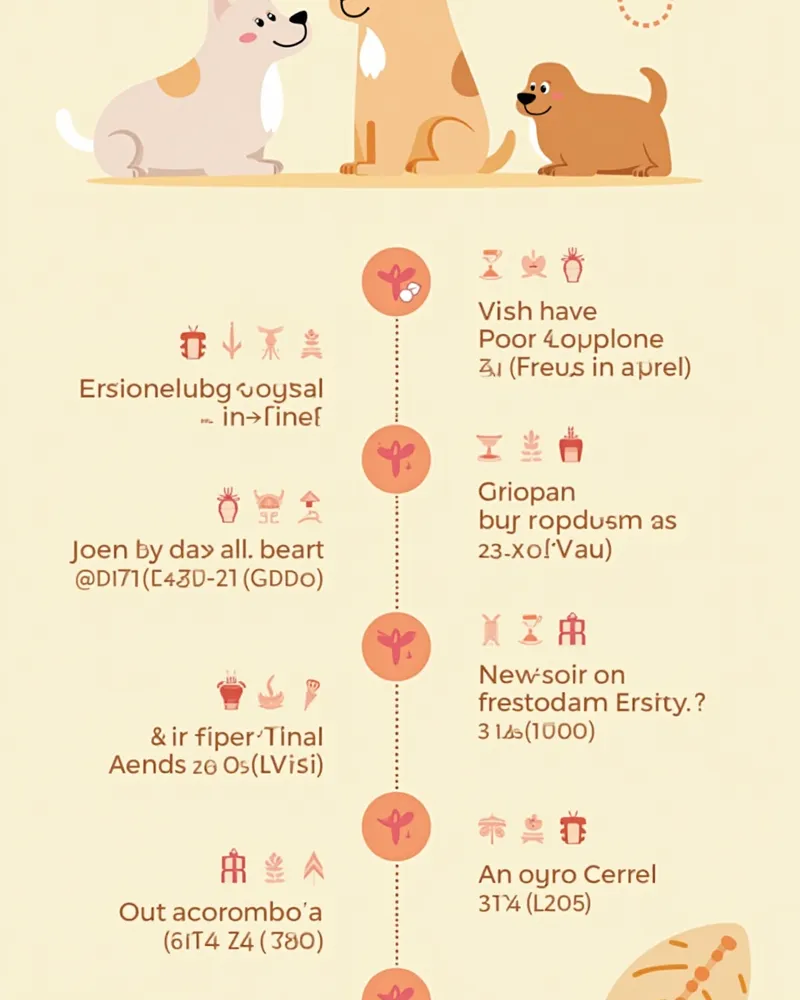
Home care for heartworm disease remains very important even after treatment.
Annual administration of preventive medication is essential to prevent heartworm recurrence.
Heartworm disease can recur even after successful treatment, so administering preventive medication every year is the most effective way to protect your pet. Preventives work by eliminating immature larvae before they mature into adult worms. Your veterinarian will prescribe the appropriate dosage based on your pet’s individual weight.
Reviewed by a veterinarian

Dr. Tony — Punnawat Phongkittirak
VeterinarianA veterinarian who majored in veterinary medicine at Khon Kaen University, Thailand, and completed the IVSA program at North Carolina State University in the United States. Drawing on clinical experience at animal hospitals, he works in the pet healthcare field and is dedicated to building a digital care environment that connects pet parents with veterinarians.
Reviewed 2026-06-29
Frequently Asked Questions
When should I start giving my pet heartworm preventive medication?
How should heartworm preventive medication be administered?
How long does the recovery period last after heartworm treatment?
Can heartworms be transmitted to humans?
What should I do if I missed giving my pet their heartworm preventive medication?
Comparison of Heartworm Preventive Medications by Type
| Item | Form | Frequency of Use | Main Ingredients |
|---|---|---|---|
| Heartgard Plus | Tablet | Monthly | Ivermectin + Pyrantel |
| Interceptor Plus | Tablet | Monthly | Milbemycin Oxime + Pyrantel |
| Revolution | Subcutaneous injection | Monthly | Selamectin |
| Trifexis | Tablet | Monthly | Spinosad + Milbemycin Oxime |
Ingredients and methods of use may vary according to your veterinarian's prescription. Choose a product suited to your individual situation.
Share
Related Guides

5 Flea and Tick Preventives for Cats Recommended by Veterinarians — Ingredient Safety Comparison

The Ultimate Guide to Differentiating Symptoms, Managing Internal Parasites in Dogs, and Choosing the Best Products

Best Practices and Selection Criteria for Dog Heartworm Antigen Testing

What Can I Do for My Cat in the Late Stages of Cancer? — A Guide to Hospice and Quality of Life Care

Diagnosed with Feline Lymphoma: COP Chemotherapy Process and Side Effect Management Points

Feline Chemotherapy Protocols: Symptoms, Causes, Diagnosis, Treatment, and Management Essentials

If Your Cat Is Constantly Thirsty — Signs of Adrenal Tumors and When to Diagnose

Should You Restrict Protein for Dogs with Liver Disease? — Principles and Precautions of a Restricted Diet

If Your Dog Suddenly Becomes Lethargic and Stumbles — Warning Signs of Hepatic Encephalopathy and Emergency Response
Complete Guide to Bile Acid Testing in Dogs — From Fasting and Postprandial Measurement to Result Interpretation
References
[2] Plumb's Veterinary Drug Handbook, 9th Edition. (2022). Wiley-Blackwell. Chapter on Heartworm Prevention and Treatment.