
Like
Share
멍실장
고양이 보르데텔라 호흡기감염 증상과 원인, 진단·치료와 관리 포인트 총정리

Feline Bordetella Respiratory Infection: Symptoms, Causes, Diagnosis, Treatment, and Management Essentials

RespiratoryDiseasesMeongsiljang Veterinary Advisory Board

Feline bordetella respiratory infection is a contagious respiratory disease caused by Bordetella bronchiseptica, with coughing, sneezing, and watery eyes as the main symptoms. Early diagnosis and proper management are essential.

What is Feline Bordetella Respiratory Infection?

A cat sitting quietly in a room, showing mild symptoms of a runny nose and coughing.
Feline bordetella respiratory infection is a contagious respiratory disease caused by the bacterium Bordetella bronchiseptica. It spreads easily in crowded environments where multiple cats live together or in situations with frequent outdoor contact. Coughing is the most common and characteristic symptom of infection, and upper respiratory signs such as sneezing, ocular discharge, and nasal discharge may also occur. Kittens under 10 weeks of age are at high risk of developing serious pulmonary complications, such as bronchopneumonia. Early detection and appropriate treatment are essential. The risk is even greater for kittens with low immunity or those co-infected with other respiratory pathogens like calicivirus or herpesvirus. If symptoms persist, veterinary care is essential.

Main Causes and Transmission Routes of Infection
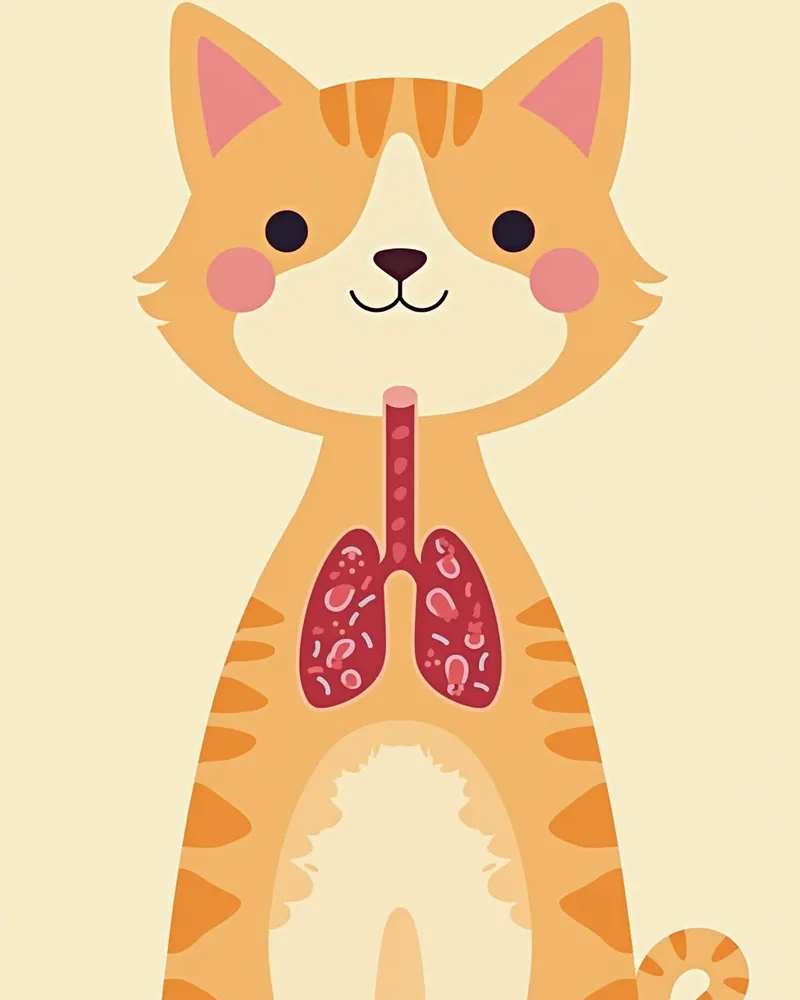
Feline bordetella respiratory infection is caused by the bacterium Bordetella bronchiseptica. It spreads primarily through airborne droplets released when infected cats cough or sneeze, and can also be transmitted indirectly via contaminated items such as food bowls, water dishes, and toys. The disease spreads rapidly in high-density housing environments, and cats with weakened immune systems are at greater risk of infection. Although symptoms may appear mild in the early stages, untreated cases can progress to pneumonia. Early intervention is key to improving survival rates.
A scientific illustration showing the appearance of bacteria in a cat's respiratory tract

Key Symptoms and Sign Checklist

The main symptoms of Bordetella respiratory infection in cats include coughing, sneezing, tearing, nasal discharge, difficulty breathing, and decreased appetite. Among these, coughing is the most common hallmark sign; however, unlike in dogs, a cat’s cough is typically not particularly distinctive or loud. Sneezing and nasal discharge often occur together as upper respiratory signs and may become more pronounced after activity or stimulation. Tearing can flow continuously from one or both eyes and may be accompanied by conjunctivitis. Nasal discharge often starts as clear fluid and may gradually become purulent. Difficulty breathing manifests as rapid breathing or open-mouthed respiration. Decreased appetite appears as a sudden refusal to eat or significantly reduced food intake. Because symptoms can progress to pneumonia, early detection is crucial.
A cat exhibiting symptoms such as coughing, sneezing, tearing, and nasal discharge.

Signs Requiring Immediate Veterinary Visit

If your cat is breathing rapidly, repeatedly panting with its mouth open, or if its lips or the inside of its mouth turn blue, seek veterinary care immediately. These are signs of hypoxia, which can be life-threatening. Additionally, persistent coughing, yellow or green nasal discharge, or worsening symptoms indicate that the infection has progressed.

Diagnostic Methods and Testing Procedures

Diagnosing Bordetella respiratory infections in cats involves a comprehensive review of medical history and clinical signs, along with advanced testing. If coughing, sneezing, or nasal discharge persists, imaging studies such as chest X-rays are typically required. For a definitive diagnosis, samples are collected from the lower respiratory tract via bronchoalveolar lavage (BAL) or tracheal wash, followed by PCR testing and bacterial culture. The detection of Bordetella bronchiseptica in these tests confirms the diagnosis. Cytological examination of the lavage fluid may also reveal neutrophils, macrophages, and bacteria. Carefully assessing details such as the symmetry, color, and consistency of secretions, as well as the duration of symptoms, further aids in diagnosis. Early detection improves treatment outcomes, making a professional veterinary evaluation essential.
A veterinarian collecting nasal discharge from a cat

Treatment Methods and Step-by-Step Management
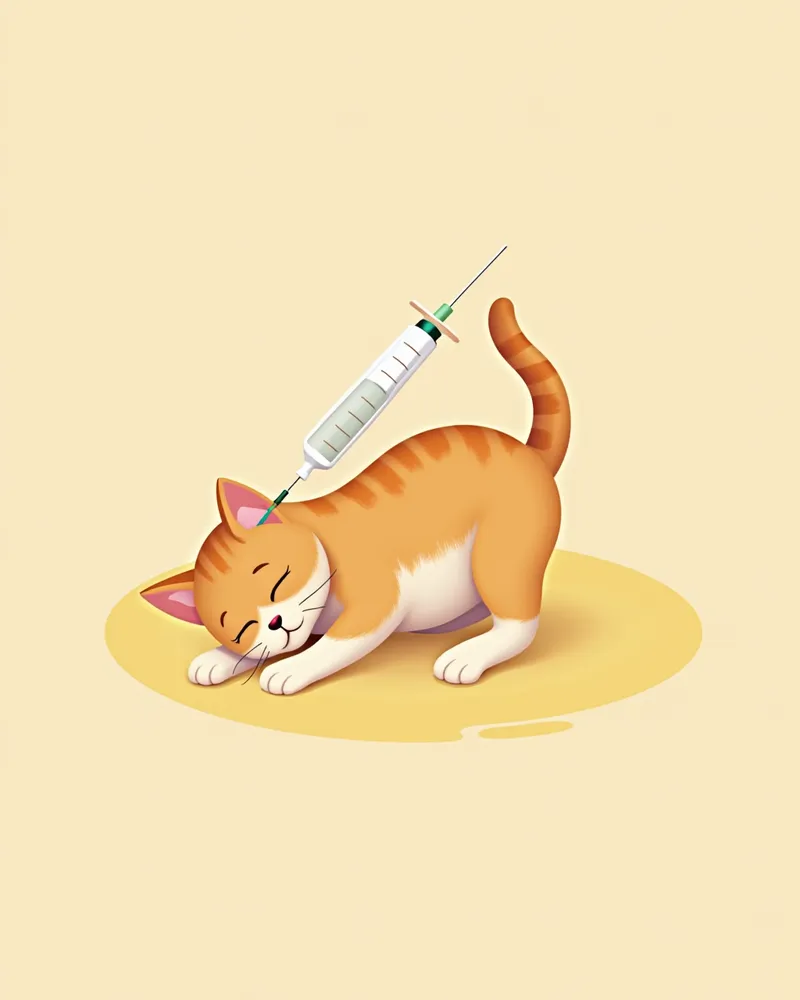
Treatment focuses on appropriate antibiotic use and supportive care. Several antibiotics are effective against Bordetella bronchiseptica, with veterinarians often prescribing medications like doxycycline, which must be administered consistently for the full prescribed duration. Antibiotic therapy is especially recommended in kittens to prevent progression to bronchopneumonia. In the absence of concurrent infections or complications such as pneumonia, clinical signs typically improve within 10 days. Adequate rest and proper nutrition are essential for recovery. To prevent the spread of infection, contact with other cats should be minimized throughout the treatment period.
A veterinarian administering medication to a cat

Home Care Points

When caring for an infected cat at home, preventing the spread of infection is key. Keep contaminated food bowls, water dishes, and toys separate, and clean and disinfect them regularly. Offer small, frequent meals and always provide fresh, clean water. Minimize contact with other cats, and continue isolation measures even after veterinary visits. Since reinfection is possible, maintaining a strong immune system and scheduling regular check-ups are essential.
A humidity-controlled space designed specifically for cats, providing a comfortable environment.

Breed-Specific Precautions and Prevention of Reinfection

Bordetella respiratory infections can occur in cats of all breeds, but young kittens and those with weakened immune systems are at higher risk for severe symptoms. Because reinfection is possible even after recovery, boosting immunity and scheduling regular veterinary check-ups are essential. If you have multiple cats in your home, isolate the infected cat in a separate area and provide dedicated food bowls, water dishes, and litter boxes to prevent spread.

Reviewed by a veterinarian

Dr. Tony — Punnawat Phongkittirak

Dr. Tony — Punnawat Phongkittirak

Veterinarian

A veterinarian who majored in veterinary medicine at Khon Kaen University, Thailand, and completed the IVSA program at North Carolina State University in the United States. Drawing on clinical experience at animal hospitals, he works in the pet healthcare field and is dedicated to building a digital care environment that connects pet parents with veterinarians.

Frequently Asked Questions

Can feline Bordetella respiratory infection be transmitted to humans?
Bordetella bronchiseptica is primarily found in cats and dogs. There are very limited reports of infection in humans, and there is no confirmed evidence of direct transmission from cats to people. However, individuals with weakened immune systems should take extra care with hygiene.
Is there a preventive vaccine?
The most important aspect of prevention is environmental management. Reducing stocking density, minimizing stress, and thoroughly cleaning and disinfecting to prevent transmission via objects can be helpful. Specific preventive measures, including vaccination, vary depending on the cat’s living environment and risk level, so it’s best to consult with your veterinarian to determine the appropriate approach.
Should I take my pet to the vet if the cough lasts for 3 days?
If your pet's cough persists or worsens, a visit to the vet is necessary. In particular, if the cough becomes recurrent or the nasal discharge turns purulent, it may be a sign that the infection is worsening.
Should I keep giving the antibiotic even if the symptoms have disappeared before finishing the course?
Yes, antibiotics should be taken consistently for the full duration prescribed by your veterinarian. Stopping them early, even if symptoms have disappeared, can lead to relapse or the development of antibiotic-resistant bacteria.
I have multiple cats in my home. Can the infection spread to the others?
Yes, Bordetella bronchiseptica spreads through airborne droplets or contaminated objects, and transmission between cats has also been reported. It is important to isolate infected cats in a separate area and use dedicated items for them.

Comparison of Symptoms and Response Methods by Infection Stage

ItemMain symptomsManagementWhether a vet visit is needed
MildMild cough, occasional sneezingClean and disinfect the environment, provide restNeeded
ModerateRecurring cough, nasal discharge, watery eyesAdminister antibiotics, environmental managementNeeded
SevereDifficulty breathing, blue lips, loss of appetiteVisit the hospital immediately, oxygen therapy requiredEssential

If symptoms worsen or persist, consult a veterinarian immediately.

Share

Related Guides

References

[1] Ellis JA, Haines DM, West KH et al. Effect of vaccination on experimental infection with Bordetella bronchiseptica in dogs, JAVMA 218:367-375, 2001.

[2] Hurley K. Canine infectious respiratory disease complex: management and prevention in canine populations, DVM 2010;360.

[3] Joffe DJ, Lelewski R, Weese JS, et al. Factors associated with development of Canine Infectious Respiratory Disease Complex (CIRDC) in dogs in 5 Canadian small animal clinics, Can Vet J 2016;57(1):46–51.

This information is based on veterinary literature and does not replace diagnosis or treatment. Please consult a veterinarian for specific health concerns.

Metapet Co., Ltd. | CEO: Park Sung-yong | Business Reg. No. 417-88-02562 | Seoul, South Korea | Customer Center

Feline Bordetella Respiratory Infection: Symptoms & Care | Meongsiljang