

Feline Bronchiectasis: Symptoms, Causes, Diagnosis, Treatment, and Management Essentials
Feline bronchiectasis is a chronic respiratory condition in which the bronchi become permanently dilated, leading to coughing and difficulty breathing. Early diagnosis and management are essential.
What is Feline Bronchiectasis?
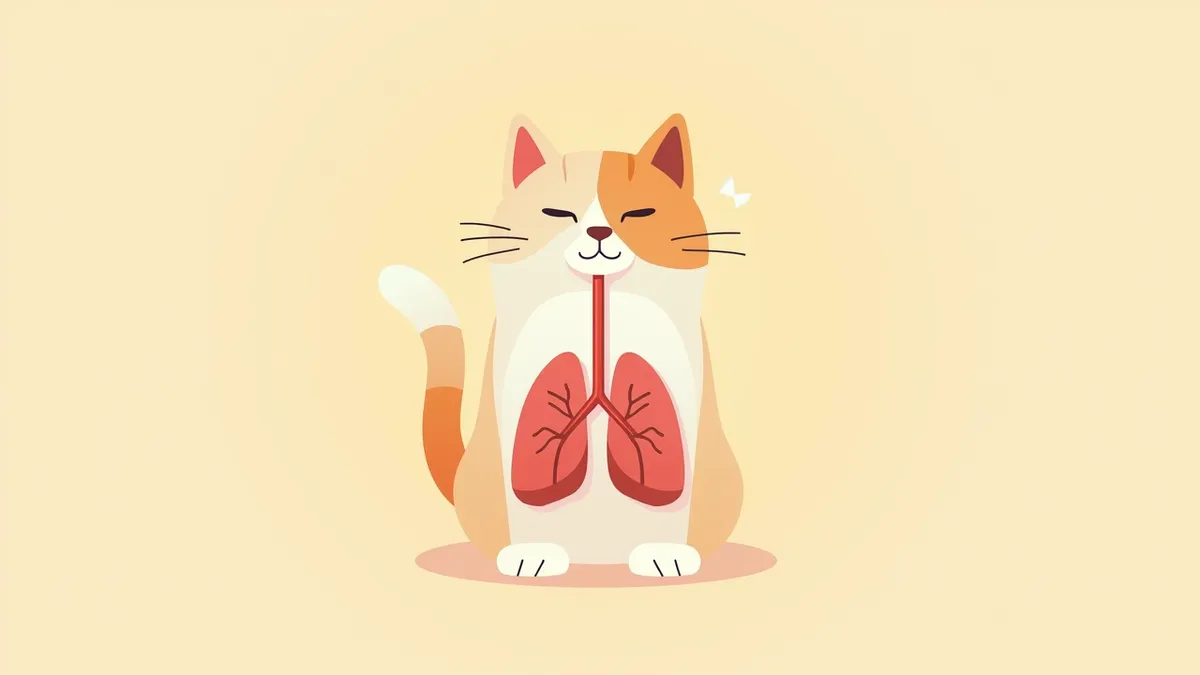
Basic Causes and Pathogenesis

Main Symptoms and Signs

Symptoms Requiring Immediate Veterinary Care
If your pet’s cough suddenly worsens, their breathing becomes rapid, or their mouth or lips turn blue, seek veterinary care immediately. These are signs of hypoxia or acute respiratory deterioration. In particular, if your pet faints or collapses after coughing, it is a medical emergency.
Accurate Diagnostic Methods

Treatment Methods and Step-by-Step Management
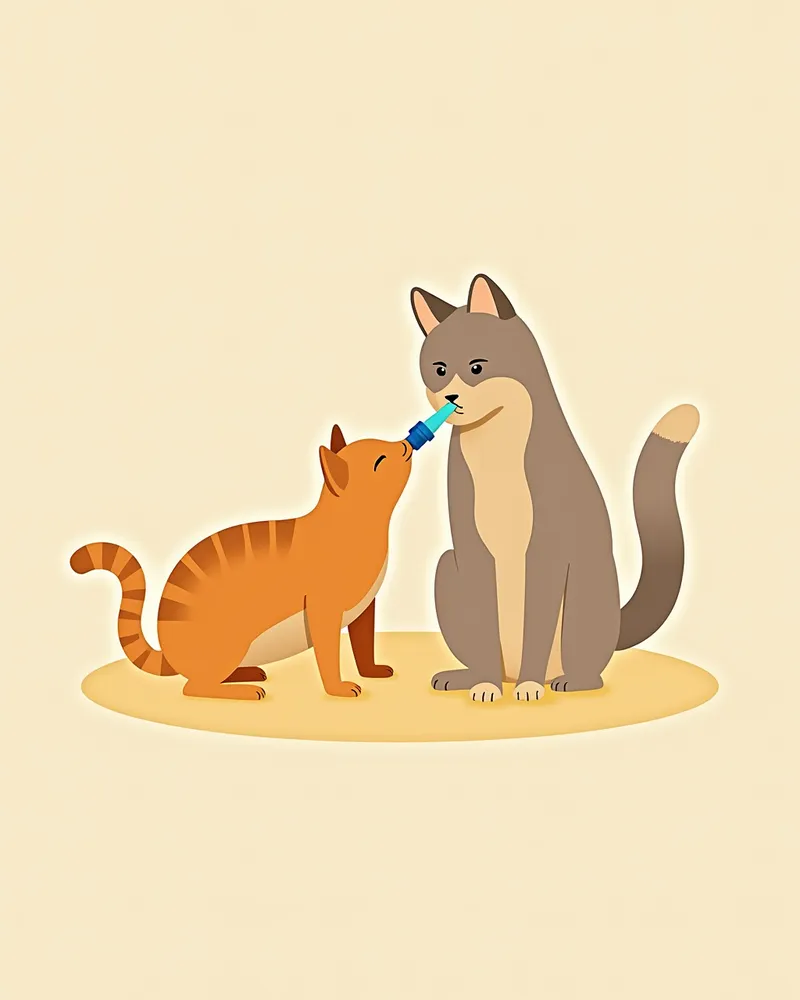
Home Management Points

Breed-Specific Precautions and Prevention of Recurrence
Feline bronchiectasis is typically acquired secondary to other respiratory conditions, so the risk of onset and progression can vary depending on the underlying disease. Some cats may have impaired mucociliary clearance, making it difficult for them to effectively expel airway secretions. To prevent recurrence and disease progression, it is essential to manage the underlying condition, treat recurrent infections, and implement regular inhalation therapy, humidification, environmental control, and routine veterinary check-ups.
Reviewed by a veterinarian

Dr. Tony — Punnawat Phongkittirak
VeterinarianA veterinarian who majored in veterinary medicine at Khon Kaen University, Thailand, and completed the IVSA program at North Carolina State University in the United States. Drawing on clinical experience at animal hospitals, he works in the pet healthcare field and is dedicated to building a digital care environment that connects pet parents with veterinarians.
Reviewed 2026-06-29
Frequently Asked Questions
Is feline bronchiectasis treatable?
Should I definitely take my pet to the vet if the coughing persists?
Is it enough to just give cough medicine?
Can I perform inhalation therapy at home?
What should I do if the coughing gets worse?
Share
Related Guides

Top Recommended Feline Bronchodilators and Selection Criteria: A Complete Guide

Best Recommendations and Selection Criteria for Monitoring Your Cat’s Respiratory Rate (RR) During Sleep for Heart Care

Best Recommendations and Selection Criteria for Monitoring Your Dog’s Respiratory Rate (RR) During Sleep for Heart Care

Antifreeze (Ethylene Glycol) Poisoning Emergency

Xylitol Poisoning Emergency Response (Caution with Gum and Toothpaste)
Complete Guide to Dog Urine pH Management: Symptoms, Causes, Diagnosis, Treatment, and Care Tips
Complete Guide to Canine Urethral Catheter Management: Symptoms, Causes, Diagnosis, Treatment, and Care Points

Struvite Stones in Dogs: Symptoms, Causes, Diagnosis, Treatment, and Management Essentials

Complete Guide to Canine Urinary Incontinence After Neutering: Symptoms, Causes, Diagnosis, Treatment, and Management

Cat Urethral Catheter Insertion Management: Symptoms, Causes, Diagnosis, Treatment, and Key Care Points
References
[1] Lynelle R. Johnson et al. (2023) Small Animal Critical Care Medicine, 3rd Edition. Elsevier.
[2] Canine and Feline Respiratory Medicine, 3rd Edition (2022). Wiley-Blackwell.
[3] Textbook of Respiratory Disease in Dogs and Cats (2021). Academic Press.