
Like
Share
멍실장
고양이 기관지 확장제 증상과 원인, 진단·치료와 관리 포인트 총정리

Feline Bronchodilators: Symptoms, Causes, Diagnosis, Treatment, and Management Essentials

RespiratoryDiseasesMeongsiljang Veterinary Advisory Board

Feline bronchodilators are used in the treatment of chronic bronchial disease and help alleviate coughing and difficulty breathing. Accurate diagnosis and proper management are essential.

What Are Feline Bronchodilators?
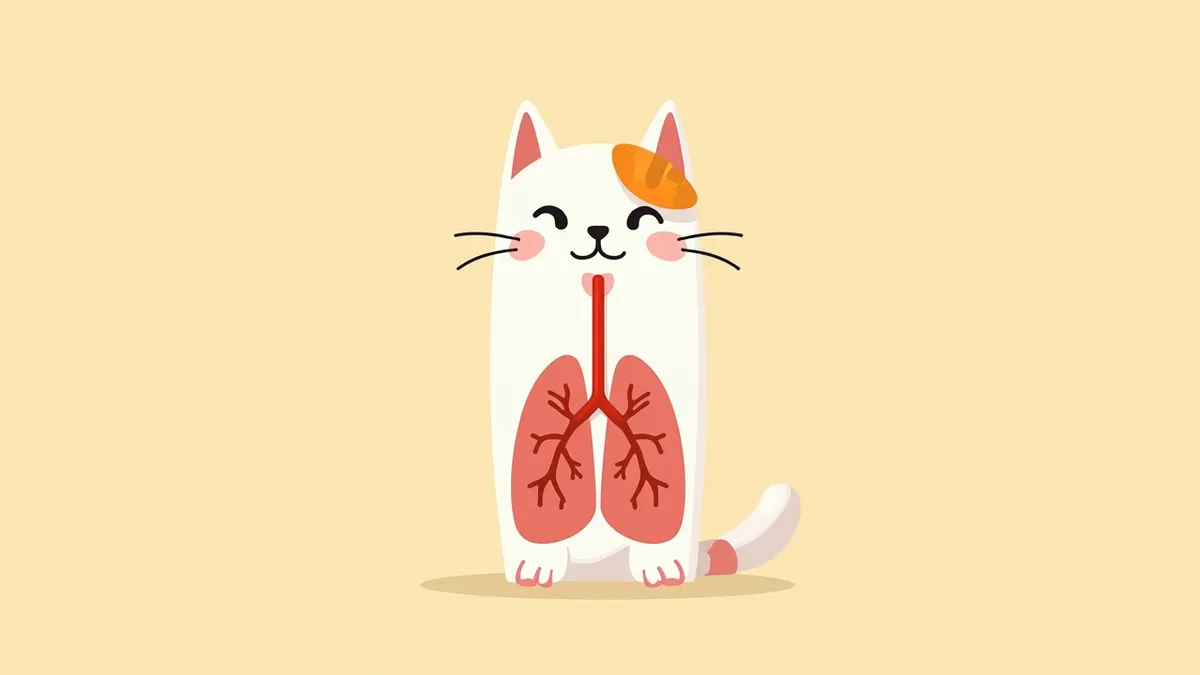
An anatomical image highlighting the cat's trachea and airways, showing an expanded trachea.
Feline bronchodilators are medications that relax the muscles in the airways, making it easier for your cat to breathe. They are used to relieve coughing and difficulty breathing caused by chronic bronchitis or bronchiectasis. However, bronchodilators are primarily helpful during acute exacerbations when symptoms suddenly worsen. Prolonged use can actually worsen airway inflammation, so caution is necessary. Therefore, medications that reduce inflammation, such as glucocorticoids (steroids), often form the cornerstone of treatment. These medications are prescribed by your veterinarian based on your cat’s age and the severity of symptoms, so it is crucial to follow the prescribed dosing instructions exactly. Individual responses to these medications vary widely, and treatment outcomes may differ depending on the observation period.

What Are the Main Causes of Functional Decline?

In cats, respiratory conditions requiring bronchodilators are primarily caused by chronic airway inflammation and recurrent infections. Bronchiectasis, in particular, involves the abnormal dilation of the airways due to the destruction of elastic fibers and muscle tissue in the bronchial walls. This condition is more commonly acquired as a consequence of other diseases rather than being congenital. It often develops as a sequela of prior respiratory illnesses such as chronic bronchitis or pneumonia, which damage the airways. Additionally, frequent exposure to irritants like fine particulate matter, cigarette smoke, and chemicals can exacerbate airway inflammation. Early diagnosis is crucial if your cat exhibits persistent coughing or difficulty breathing.
A veterinarian listens to a cat’s lungs with a stethoscope.

What Are the Main Symptoms and Signs?

When a cat requires bronchodilators, it typically exhibits recurrent coughing, especially worsening at night or after exertion. You may also notice the cat breathing with its mouth open or flaring its nostrils. These signs can be accompanied by difficulty breathing, dry hacking coughs, reduced activity levels, and even decreased appetite. If these symptoms persist for more than two weeks, it is essential to consult a veterinarian. While it may seem like a simple cough, it could actually be a sign of a chronic respiratory condition. Early detection and management are crucial to prevent the disease from worsening.
A cat sitting by the window, coughing, bathed in soft sunlight.

Signs Requiring Immediate Veterinary Visit

If your pet is panting with its mouth open or if its lips or paw pads turn blue, seek veterinary care immediately. These are signs of hypoxia, which can be life-threatening.

Diagnostic Tests for Accurate Diagnosis

Before administering bronchodilators to cats, we confirm any structural abnormalities in the lungs through chest X-rays. Bronchoscopy allows direct visualization of the airway interior, helping to accurately identify the cause of coughing. Blood tests assess for inflammatory responses or infections. If necessary, pulmonary function tests or chest CT scans provide a precise evaluation of the degree of bronchial dilation. Using medication without an accurate diagnosis can reduce treatment efficacy and increase the risk of side effects.
A veterinarian taking a chest X-ray of a cat

Treatment Methods and Step-by-Step Management
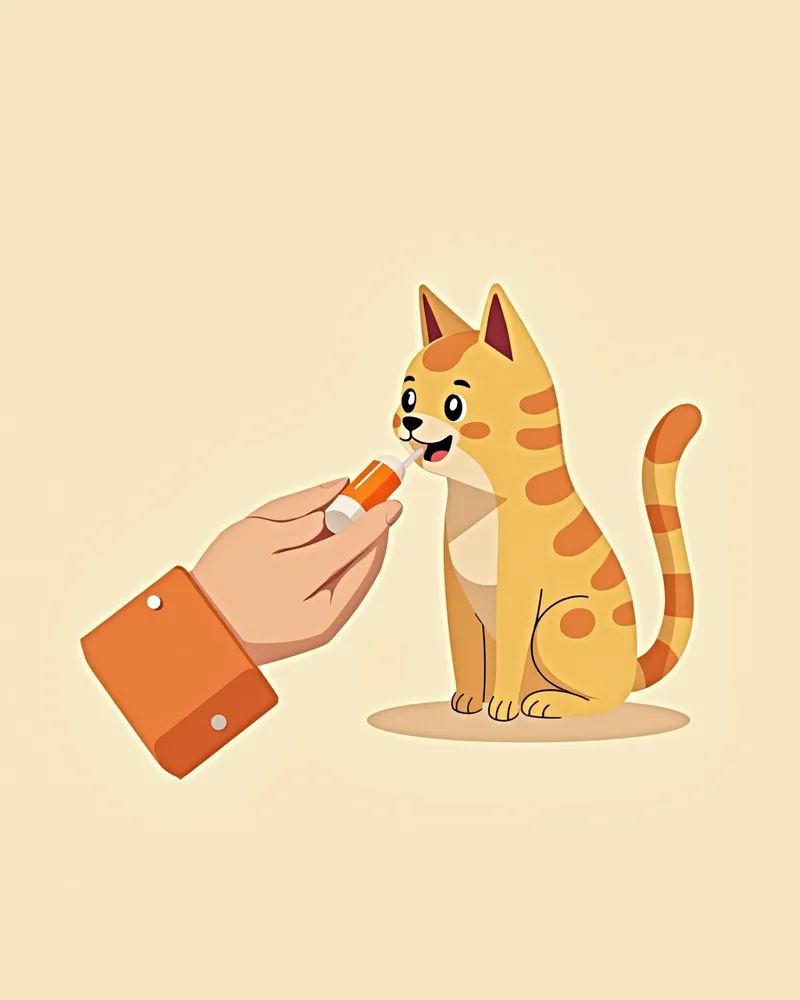
Treatment typically involves medication, environmental management, and lifestyle adjustments. Bronchodilators help ease breathing during flare-ups, but glucocorticoids (steroids) that reduce inflammation are often the cornerstone of therapy. If a bacterial infection is present, antibiotics may be added based on culture results. It’s important to follow your veterinarian’s prescribed dosage and schedule, and regular rechecks are necessary to monitor effectiveness. - Minimize irritants: Removing lung irritants from the environment, such as cigarette smoke and fine particulate matter, is the most important step. - Use an air purifier: This helps reduce fine dust and allergens, easing airway irritation. - Manage humidity: Maintaining proper humidity keeps the airways moist, which aids in clearing secretions. - Consistent care: Regular management and follow-up visits are key to preventing symptom worsening.
A veterinarian administering a bronchodilator to a cat

Management Points at Home

- Use an air purifier: Reducing fine dust and allergens helps soothe airway irritation. - Control humidity: Maintaining humidity between 40% and 60% can alleviate coughing and difficulty breathing. - Limit walks: Excessive exercise increases the burden on the respiratory system. - Dietary management: Choose food rich in anti-inflammatory ingredients. - Regular check-ups: Frequent examinations allow for quick detection of symptom changes and timely adjustments to treatment. - Environmental management: Avoid irritants such as cigarette smoke, perfumes, and cleaning agents. Consistent care improves your cat’s quality of life.
A humidifier installed in the room where a cat is sleeping soundly.

Preventing Recurrence and Breed Considerations

While feline bronchiectasis may appear more frequently in certain breeds, current evidence does not support a definitive breed predisposition. Regular veterinary check-ups, minimizing exposure to potential irritants, and maintaining a controlled environment are all helpful for supporting overall respiratory health.

Reviewed by a veterinarian

Dr. Tony — Punnawat Phongkittirak

Dr. Tony — Punnawat Phongkittirak

Veterinarian

A veterinarian who majored in veterinary medicine at Khon Kaen University, Thailand, and completed the IVSA program at North Carolina State University in the United States. Drawing on clinical experience at animal hospitals, he works in the pet healthcare field and is dedicated to building a digital care environment that connects pet parents with veterinarians.

Frequently Asked Questions

Are bronchodilators always safe for cats?
Bronchodilators don’t work the same way for every cat. In fact, prolonged use can sometimes worsen airway inflammation, so they’re typically reserved for acute flare-ups. Your veterinarian will prescribe them and closely monitor your cat’s response.
The coughing has stopped, but should I continue giving the medication?
Even if symptoms improve, stopping the medication immediately can lead to a relapse. It’s important to gradually reduce the dosage under your veterinarian’s guidance.
Can bronchodilators be taken together with other medications?
This medication may interact with other drugs. Be sure to inform your veterinarian and confirm whether it’s safe to use. Consultation is essential to prevent side effects or reduced treatment efficacy.
Is it okay to just use an air purifier at home?
Using an air purifier to reduce irritants can help, but it’s not enough on its own. You’ll also need to combine it with medical management, such as controlling clinical symptoms and treating infections.
What tests should be done if the coughing persists?
It’s important to accurately determine the cause of the cough and the condition of the airways through chest X-rays, bronchoscopy, chest CT scans, and other diagnostic tools. Early diagnosis is key.

Share

Related Guides

References

[1] Lynelle R. Johnson, DVM, MS, PhD, Dipl ACVIM (SAIM). Small Animal Critical Care Medicine, 3rd Ed. Elsevier, 2023.

[2] Canine and Feline Respiratory Medicine, 3rd Edition. Elsevier, 2022.

[3] Textbook of Respiratory Disease in Dogs and Cats. Wiley-Blackwell, 2021.

This information is based on veterinary literature and does not replace diagnosis or treatment. Please consult a veterinarian for specific health concerns.

Metapet Co., Ltd. | CEO: Park Sung-yong | Business Reg. No. 417-88-02562 | Seoul, South Korea | Customer Center

Feline Bronchodilators: Uses, Effects, Side Effects & Care | Meongsiljang