Like
Share
멍실장
고양이 기관지경 검사 증상과 원인, 진단·치료와 관리 포인트 총정리

Feline Bronchoscopy: Symptoms, Causes, Diagnosis, Treatment, and Management Essentials

RespiratoryDiseasesMeongsiljang Veterinary Advisory Board

A feline bronchoscopy is an endoscopic procedure used to accurately identify the cause of chronic coughing or difficulty breathing. The veterinarian directly visualizes the interior of the trachea and bronchi to diagnose the condition.

What is Feline Bronchoscopy?
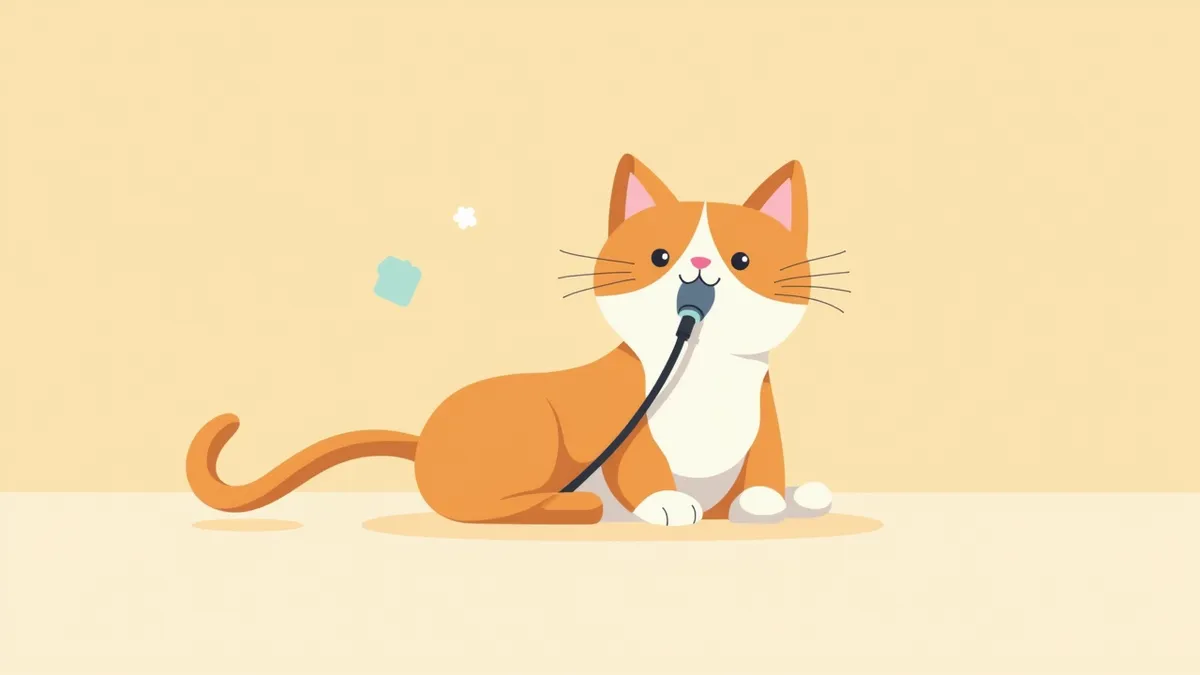
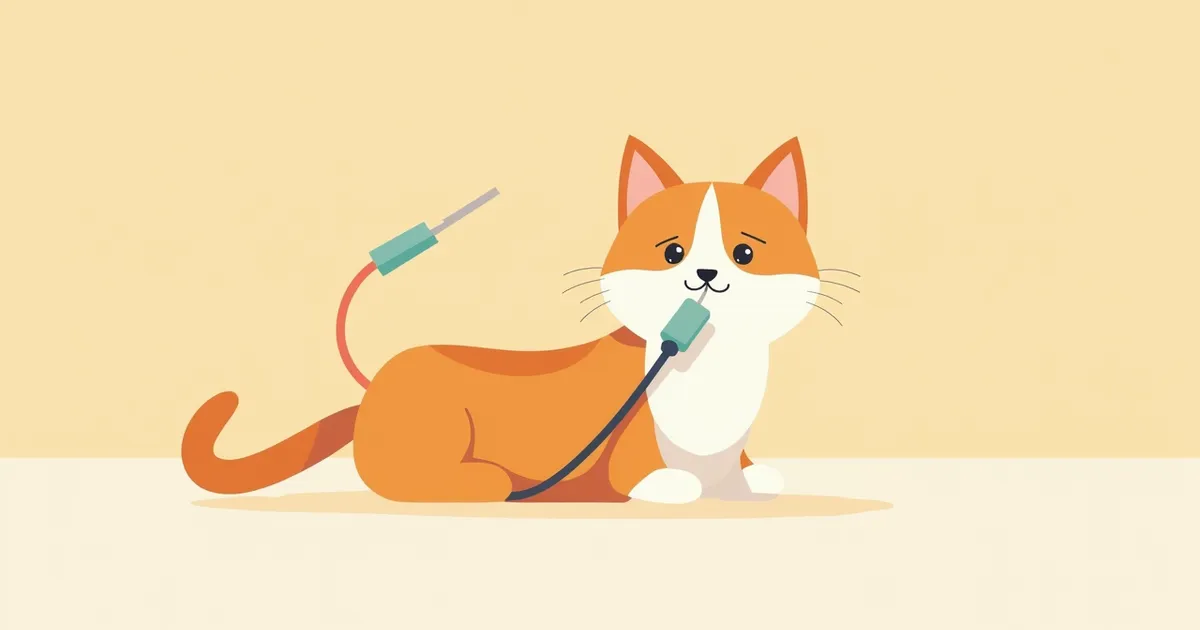
A view of an endoscope being inserted into a cat's trachea
Feline bronchoscopy is an important diagnostic procedure that allows direct visualization of the trachea and bronchi to identify underlying diseases. - Bronchoscopy: This procedure uses an endoscope to provide a detailed assessment of the bronchial condition. It plays a crucial role in determining the cause of chronic coughing or difficulty breathing. - Diagnostic Purpose: It accurately identifies various causes, including bronchitis, bronchiectasis, parasitic infections, and allergic reactions. - Procedure: The endoscope is inserted under anesthesia to examine the airways. If necessary, bronchoalveolar lavage is performed to collect mucus or cells for pathological analysis. - Significance: This test provides veterinarians with critical information to develop an effective treatment plan. It helps identify the root cause of the problem, going beyond simply alleviating symptoms.

Main Causes and Pathogenesis

The main reasons a cat may need a bronchoscopy include bronchitis, bronchiectasis, parasitic infections, allergic reactions, and bronchoconstriction. - Bronchitis: Repeated inflammation inside the bronchi can lead to coughing and difficulty breathing. Feline lower airway disease (asthma and bronchitis) is one of the most common respiratory conditions in cats, characterized by inflammation of the lower airways without a clearly identifiable cause. - Bronchiectasis: The bronchi become abnormally widened, making it difficult to clear mucus. This condition can be diagnosed using chest radiographs, high-resolution CT scans, or bronchoscopy. - Parasitic Infections: Parasites such as lungworms can inhabit the bronchi, causing coughing and breathing difficulties. Fecal examinations and Baermann tests are used to confirm lungworm infections. - Allergic Reactions: Cats sensitive to environmental irritants may exhibit hypersensitive bronchial responses, leading to recurrent coughing accompanied by reversible bronchoconstriction. - Bronchoconstriction: The bronchi narrow abnormally, making breathing difficult and causing coughing or shortness of breath. Cats are prone to sympathetic-mediated bronchoconstriction triggered by inflammatory or infectious stimuli. All of these underlying causes can be precisely evaluated through bronchoscopy.
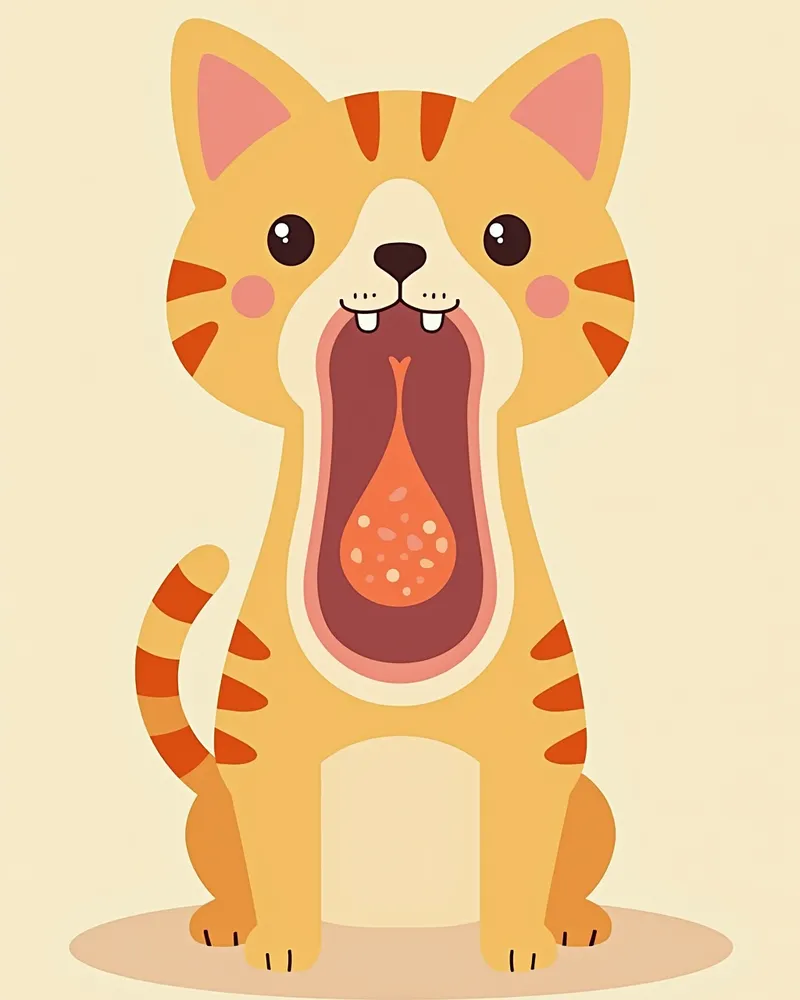
Cross-section of a cat's bronchus showing inflammation and mucus

Main Symptoms and Signs

The main symptoms that indicate a cat needs a bronchoscopy include persistent coughing, difficulty breathing, shortness of breath, and shaking the head during coughing. These symptoms often worsen at night or after physical activity. Other signs may include vomiting after coughing, decreased activity levels, and foaming at the mouth.
Persistent Coughing: Repeated coughing at regular intervals.
Difficulty Breathing: Excessive chest movement while breathing.
Vomiting After Coughing: Severe coughing that leads to the expulsion of stomach contents.
Decreased Activity: Remaining inactive and staying in one place throughout the day.
Head Shaking: Shaking the head to reduce irritation causing the cough.
A cat coughing and shaking its head

Criteria for Immediate Veterinary Visit

If your cat has a persistent cough or is having trouble breathing, you should visit the vet immediately. In particular, if your cat vomits after coughing, has red mucus coming out of its mouth, or is breathing rapidly, this is an emergency situation.

Diagnostic Methods and Procedures

Bronchoscopy is performed under anesthesia, with an endoscope inserted into the airway to directly visualize the interior. - Preparation: The veterinarian assesses your pet’s overall health before anesthesia to ensure safety. - Endoscope insertion: The interior of the airways is carefully examined to detect any abnormalities. - Sample collection: If needed, bronchoalveolar lavage is performed to collect mucus or cells for pathological analysis. - Imaging documentation: Images are captured during the procedure to accurately record any structural abnormalities. - Result interpretation: The veterinarian combines the visual findings and analytical data to make a diagnosis. This process is essential for clearly identifying the cause of chronic coughing.
A veterinarian performing a bronchoscopy on a cat under anesthesia

Treatment Methods and Step-by-Step Management
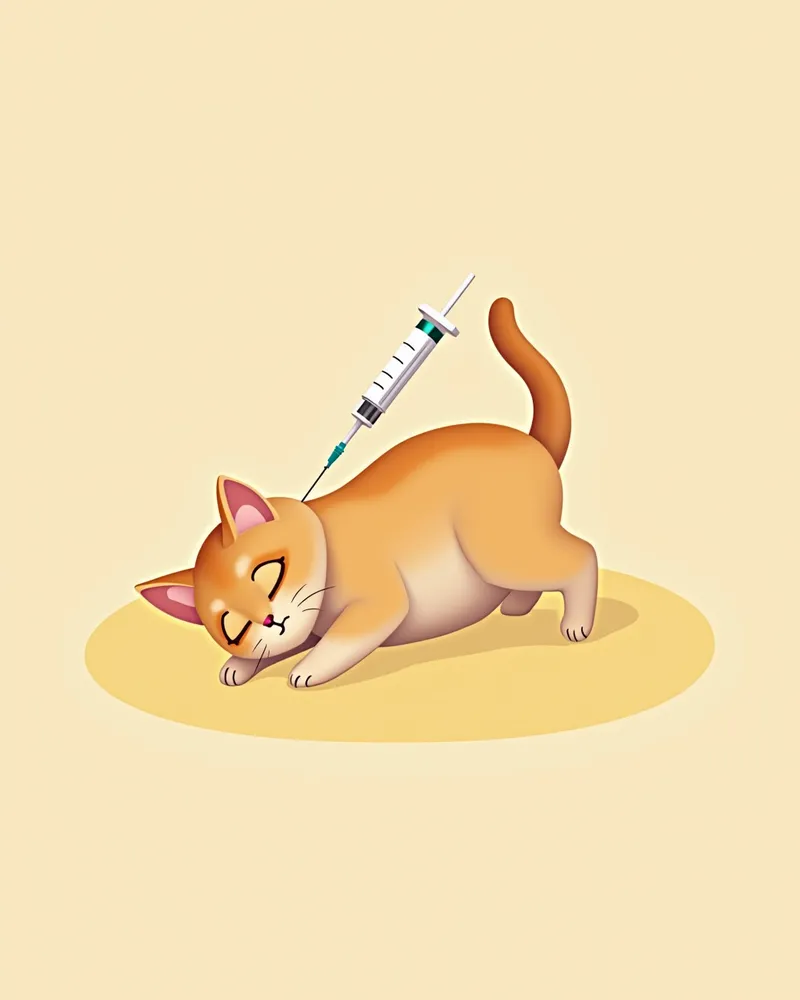
Treatment depends on the underlying cause. If inflammation is present, glucocorticoid (steroid) medications are administered; if parasitic infection is suspected, deworming agents are used. Bronchiectasis is managed with a combination of bronchodilators and antibiotics, while allergic responses are improved through environmental control and steroid therapy. The veterinarian determines the appropriate medication dosage based on the pet’s weight and condition.
Anti-inflammatory treatment: Glucocorticoid (steroid) medications are used to reduce inflammation. Inhaled or oral steroids are central to treating feline bronchial diseases.
Bronchodilators: These medications help ease breathing by relieving bronchial constriction. Albuterol is a representative example; in cases of acute symptom exacerbation, it can be administered as one puff (90 μg) at a time, up to three times daily. However, prolonged overuse may worsen airway inflammation.
Deworming administration: If parasitic infection is suspected, deworming medication is administered regularly. The veterinarian determines the dosage and frequency.
Environmental control: Symptoms are alleviated by removing irritants such as dust, cigarette smoke, and perfumes, and by managing air quality.
Administering medication to a cat

Management Points at Home

To maintain your cat’s bronchial health, it is essential to keep the living environment clean and avoid irritants. Using an air purifier, cleaning regularly, and strictly prohibiting smoking are key measures. Additionally, supporting regular meals and adequate hydration can be beneficial. Medications recommended by your veterinarian, such as anti-inflammatory drugs or bronchodilators, may effectively help manage symptoms.
Use an air purifier: Reduces fine dust and allergens to minimize bronchial irritation.
Regular cleaning: Removes dust and hair to improve the respiratory environment.
No smoking: Cigarette smoke can cause severe damage to a cat’s bronchi.
Hydration: Frequent access to water helps thin mucus and reduce coughing.
A cat in a clean environment next to an air purifier

Breed-Specific Considerations and Recurrence Prevention

Feline bronchial diseases are influenced more by age and environment than by breed. Chronic lower airway conditions such as chronic bronchitis and bronchiectasis are particularly common in cats from kittenhood through middle age. Although one report noted a relatively higher incidence in Siamese cats, most affected cats are mixed-breed. In these cases, regular veterinary check-ups and environmental management are essential. To prevent relapse, do not discontinue prescribed medications without veterinary guidance, and seek immediate veterinary care if symptoms recur.

Reviewed by a veterinarian

Dr. Tony — Punnawat Phongkittirak

Dr. Tony — Punnawat Phongkittirak

Veterinarian

A veterinarian who majored in veterinary medicine at Khon Kaen University, Thailand, and completed the IVSA program at North Carolina State University in the United States. Drawing on clinical experience at animal hospitals, he works in the pet healthcare field and is dedicated to building a digital care environment that connects pet parents with veterinarians.

Frequently Asked Questions

Is a bronchoscopy painful?
Since the procedure is performed under anesthesia, your cat won’t feel any pain. After the examination, there may be temporary coughing or drowsiness, but most cats recover within a day.
What should I do after bringing my pet home following the examination?
Keep your pet in a quiet environment until the anesthesia wears off, and offer small amounts of water and food. Restrict activity for 24 hours, and contact the clinic immediately if any unusual symptoms appear.
If the coughing persists, is it necessary to have it checked?
If the cough persists for more than two weeks or worsens, a bronchoscopy is necessary. Early diagnosis is crucial because treatment becomes difficult without identifying the underlying cause.
How much does a bronchoscopy cost?
The cost of the examination varies depending on the clinic and location. Typically, it ranges from $100 to $200, including anesthesia and post-examination care costs.
What should I do if my pet’s cough worsens after the examination?
It’s normal for your pet’s cough to worsen slightly within 1–2 days after the examination. However, if the cough persists for more than three days or becomes more severe, please contact your veterinarian immediately.

Share

Related Guides

References

[1] Lynelle R. Johnson, DVM, MS, PhD, Dipl ACVIM (SAIM). Small Animal Critical Care Medicine, 3rd Ed. Elsevier, 2023.

[2] Canine and Feline Respiratory Medicine, 3rd Edition. Elsevier, 2022.

[3] Textbook of Respiratory Disease in Dogs and Cats. Wiley-Blackwell, 2021.

This information is based on veterinary literature and does not replace diagnosis or treatment. Please consult a veterinarian for specific health concerns.

Metapet Co., Ltd. | CEO: Park Sung-yong | Business Reg. No. 417-88-02562 | Seoul, South Korea | Customer Center

Cat Bronchoscopy: Symptoms, Causes, Diagnosis, and Treatment | Meongsiljang