Like
Share
멍실장
강아지 내부기생충 증상 감별 증상과 원인, 진단·치료와 관리 포인트 총정리

Comprehensive Guide to Canine Internal Parasite Symptoms: Differential Diagnosis, Causes, Diagnosis, Treatment, and Management

Infection/ParasitesDiseasesMeongsiljang Veterinary Advisory Board

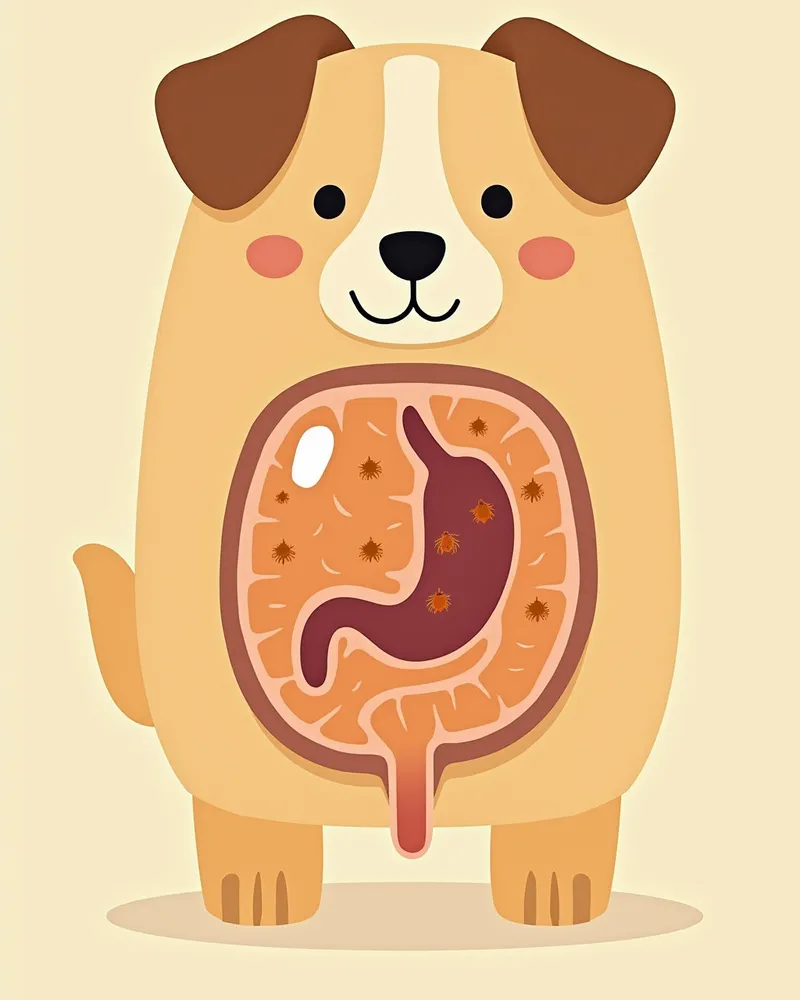
Internal parasites in dogs affect the digestive system and can cause a variety of symptoms, including diarrhea, weight loss, and fatigue. Accurate differential diagnosis and early treatment are essential.

Differential Diagnosis of Canine Internal Parasite Symptoms
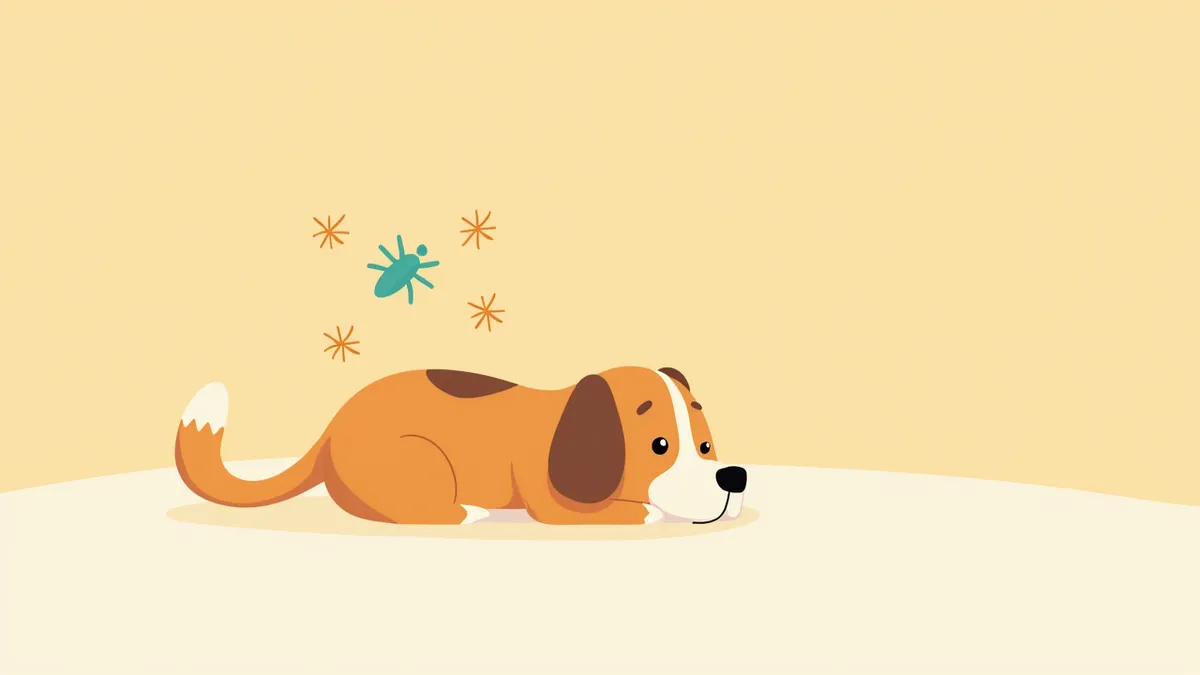
A puppy showing signs of discomfort due to internal parasites.
Internal parasite infections in dogs can present with a variety of symptoms, making accurate differential diagnosis essential. - Persistent diarrhea: Loose stools or bloody feces may recur repeatedly. If parasites invade the intestinal mucosa, the condition can manifest as hemorrhagic enteritis or dysentery. - Weight loss: Even with a normal appetite, impaired nutrient absorption can lead to weight loss. - Fatigue and reduced activity: Loss of appetite or anemia may cause lethargy and decreased energy levels. - Abdominal distension: A heavy parasite burden in the intestines can cause the abdomen to swell. - Signs of anemia: Certain parasites consume blood, potentially causing anemia. If symptoms persist, consult your veterinarian immediately.

Main Causes and Pathogenesis

Puppies can contract internal parasites through contaminated soil, water, meat, or the feces of other dogs. Young puppies are especially vulnerable due to their underdeveloped immune systems, and when parasites breach the intestinal lining, it can lead to inflammation and malabsorption. - Ingestion of eggs or larvae: Swallowing parasite eggs from contaminated soil or water allows them to grow inside the intestines. - Maternal transmission: Larvae can be passed from the mother to her puppies through her milk. - External exposure: Puppies may come into contact with parasites in the soil or grass while walking outdoors. - Compromised immunity: Stress or illness can weaken the immune system, increasing the risk of infection. Understanding these transmission routes is essential for effective prevention.
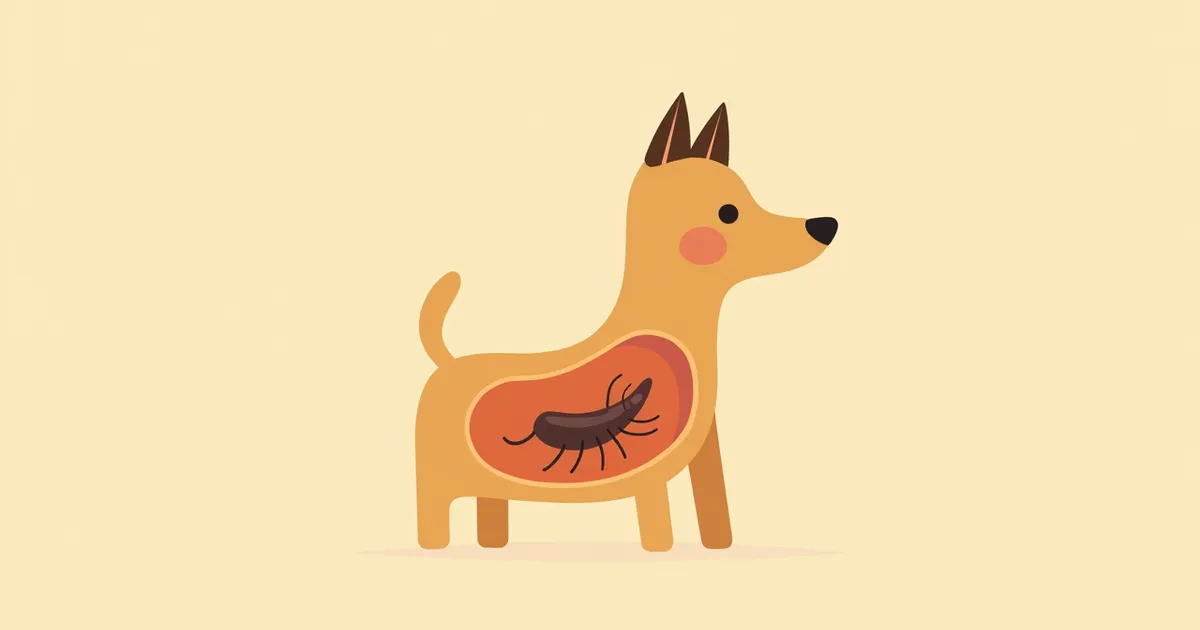
Appearance of parasites living in a dog's intestines

Main Symptoms and Signs

The main symptoms that may appear when a puppy is infected with internal parasites are as follows. If the symptoms persist, consult a veterinarian immediately.
Persistent diarrhea: Diarrhea may recur, sometimes including loose stools or blood in the stool.
Weight loss: Weight loss may occur even if the puppy has a good appetite.
Fatigue and lethargy: If accompanied by loss of appetite or anemia, the puppy may lack energy all day and appear listless.
Bloating and abdominal distension: The abdomen may swell, resulting in a "pot belly" appearance.
Coarse fur: Due to impaired nutrient absorption, the overall condition may deteriorate, making the coat look dull and unhealthy.
Parasites found in feces: White, thread-like worms or segmented pieces may be visible in the stool or vomit.
When parasites are found in your dog’s stool

When to Seek Immediate Veterinary Care

If your dog experiences severe diarrhea, bloody stools, vomiting, or decreased consciousness, seek veterinary care immediately. Severe parasitic infections can lead to dehydration or toxicity.

Accurate Diagnostic Methods
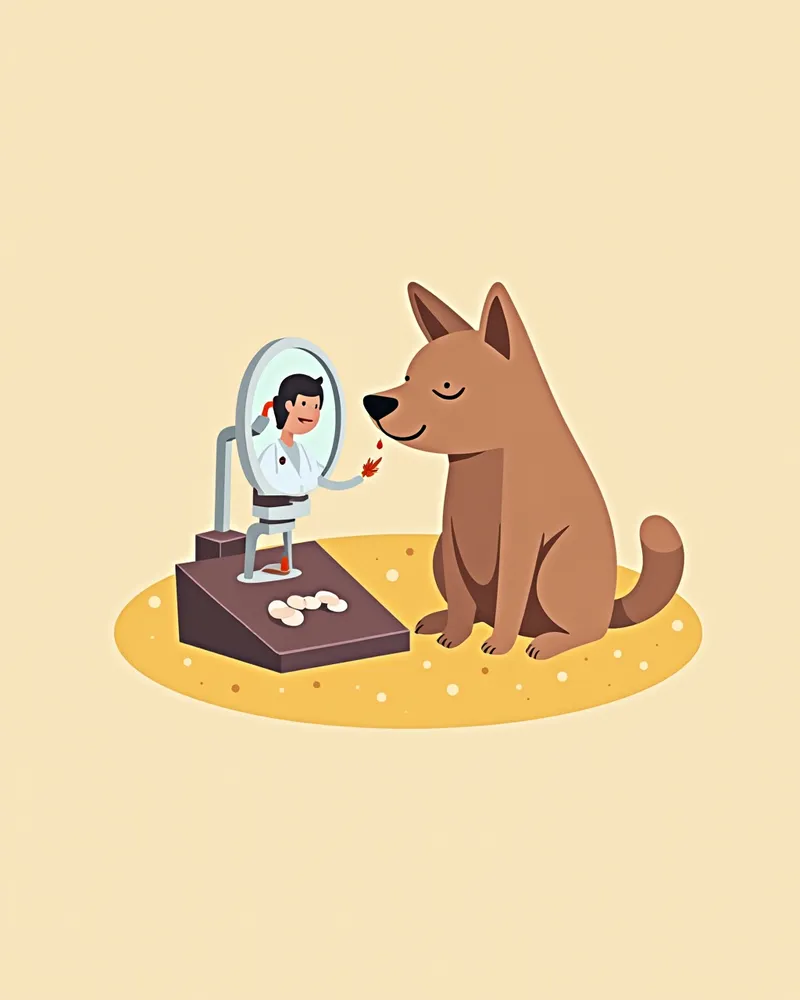
To accurately diagnose internal parasite infections in dogs, a fecal exam is the most fundamental step. Your veterinarian will analyze a stool sample under a microscope to check for parasite eggs or larvae. - Fecal Exam: This should be performed regularly every 3 to 6 months. - Blood Test: Conducted to assess for anemia or inflammatory responses. - Ultrasound: Used to check for thickening of the intestines or abnormal lesions. - Repeat Testing: Since it can be difficult to detect all parasites in a single test, multiple examinations may be necessary. Work closely with your veterinarian to ensure an accurate diagnosis.
A veterinarian examining a stool sample under a microscope

Treatment Methods and Step-by-Step Management

Parasitic infections are treated with antiparasitic medications. Your veterinarian will prescribe the appropriate medication based on your pet’s weight, and you should carefully collect and dispose of feces throughout the treatment period. - Medication administration: Follow the prescribed dosage and duration exactly. - Follow-up testing: Recheck treatment efficacy with a fecal exam 2–4 weeks after completing therapy. - Environmental cleaning: Clean indoor and outdoor areas to prevent reinfection. - Companion management: It is important to test and treat all other pets in the household as well. Closely monitor your dog’s condition during treatment.
A veterinarian administering antiparasitic medication to a puppy

Home Care and Prevention Points

To prevent internal parasite infections in dogs, consistent management is essential. Regular care is the most important factor.
Regular parasite screening: Have your dog’s stool tested every 3 to 6 months.
Handwashing after outdoor activities: Always wash your hands if they come into contact with soil or water where your dog has played.
Waste disposal: Clean up feces immediately after walks, and regularly disinfect toys and play areas.
Food hygiene: Never feed raw meat or food contaminated with soil.
Parasite preventive medication: Administer preventive medication regularly as directed by your veterinarian.
A family regularly disinfecting their dog’s play area.

Breed-Specific Considerations and Prevention of Recurrence

Certain breeds may be more susceptible to parasitic infections. However, there is limited medical evidence clearly linking infection risk to specific breeds, as immune responses can vary significantly from one individual to another. Since the risk of infection is influenced by a variety of factors such as age, environment, and hygiene practices, it is essential for all puppies to receive regular check-ups and preventive care. Consistent prevention and routine examinations are key to avoiding recurrence.

Reviewed by a veterinarian

Dr. Tony — Punnawat Phongkittirak

Dr. Tony — Punnawat Phongkittirak

Veterinarian

A veterinarian who majored in veterinary medicine at Khon Kaen University, Thailand, and completed the IVSA program at North Carolina State University in the United States. Drawing on clinical experience at animal hospitals, he works in the pet healthcare field and is dedicated to building a digital care environment that connects pet parents with veterinarians.

Frequently Asked Questions

Can my dog’s diarrhea be caused by parasites?
Yes, diarrhea is the most common symptom of a parasitic infection. If the stool contains blood or the diarrhea persists, it strongly suggests a parasitic issue.
When should I start giving my pet parasite prevention medication?
The timing and schedule for starting preventive medications vary depending on your puppy's age, environment, and risk level. It is safest to begin at the time recommended by your veterinarian after a thorough risk assessment during a regular check-up.
Can my pet still be infected with parasites even if I don’t see them in the stool?
Yes, parasite eggs are so tiny that they can’t be seen with the naked eye. Regular fecal exams are essential.
Can my pet get reinfected with parasites after treatment?
Yes, if the environment is contaminated or preventive measures are neglected, reinfection is possible. Consistent prevention is important.
My dog is vomiting while undergoing parasite treatment. Is this normal?
Side effects may occur depending on the medication. However, if they persist or become severe, consult your veterinarian.

Share

Related Guides

References

[1] Notes on Canine Internal Medicine, 4th Ed, 2023

[2] American Veterinary Medical Association. Canine Parasite Control Guidelines, 2022

[3] Plumb's Veterinary Drug Handbook, 9th Ed, 2023

This information is based on veterinary literature and does not replace diagnosis or treatment. Please consult a veterinarian for specific health concerns.

Metapet Co., Ltd. | CEO: Park Sung-yong | Business Reg. No. 417-88-02562 | Seoul, South Korea | Customer Center

Internal Parasites in Dogs: Symptoms & Diagnosis | Meongsiljang