

Dog Diaphragmatic Hernia: Symptoms, Causes, Diagnosis, Treatment, and Management Essentials
A diaphragmatic hernia in dogs occurs when abdominal organs are pushed into the chest cavity due to trauma or a congenital defect, potentially leading to difficulty breathing and acute symptoms. Early diagnosis and appropriate treatment are essential.
What is a Diaphragmatic Hernia in Dogs?
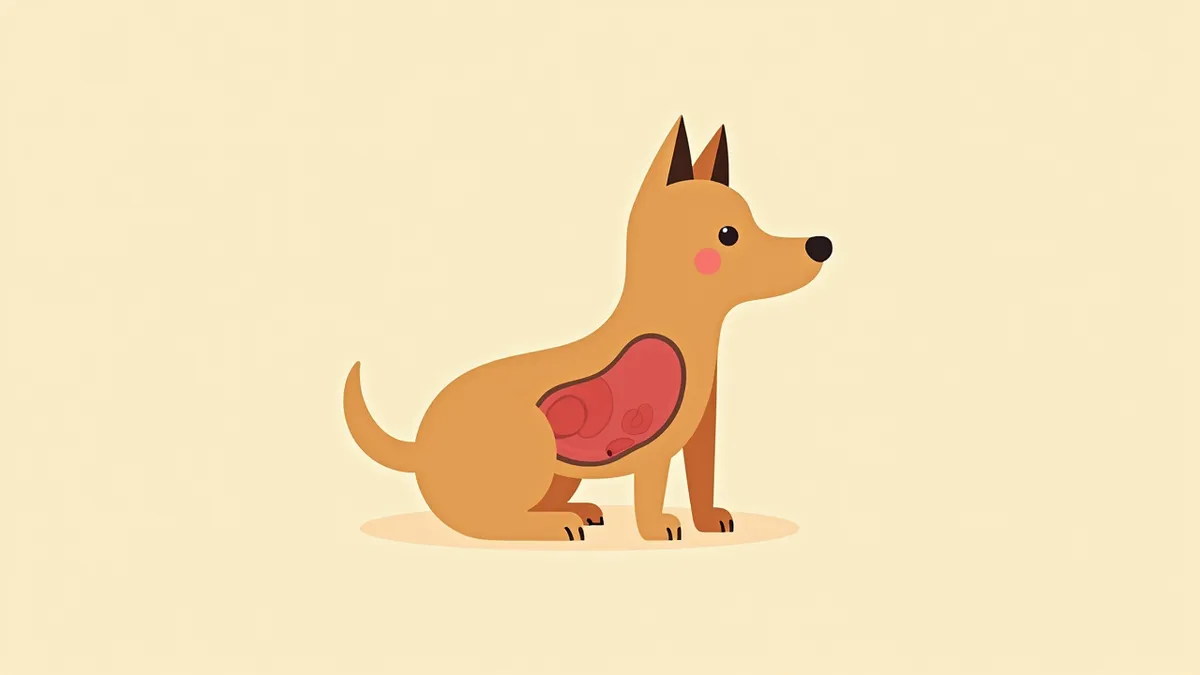
What are the Main Causes of Diaphragmatic Hernia?

Check for Key Symptoms and Signs

Emergency Situations Requiring Immediate Veterinary Visit
If your pet shows signs of difficulty breathing, cyanosis (bluish discoloration of the lips), decreased consciousness, or a sudden deterioration in overall condition, seek veterinary care immediately. These symptoms indicate a life-threatening acute condition that can become dangerous if treatment is delayed.
Diagnostic Tests for Accurate Diagnosis
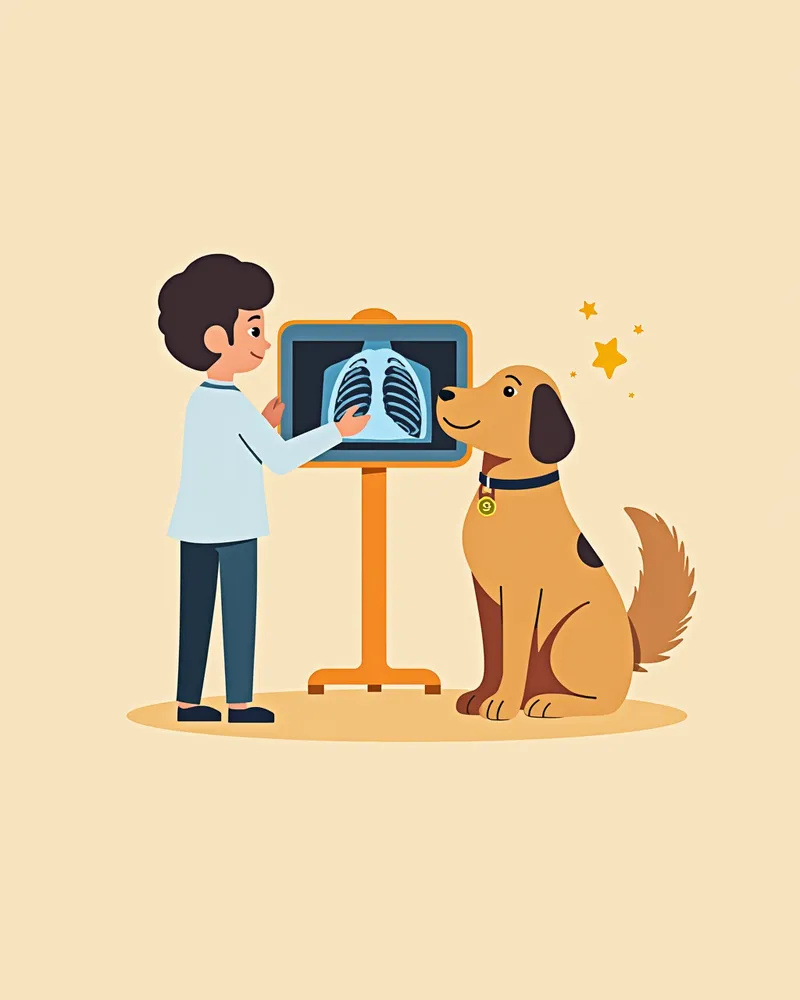
Treatment: Surgery and Adjunctive Therapy

Home Care and Recovery Points

Breed-Specific Precautions and Recurrence Prevention
Congenital diaphragmatic defects are relatively rare but can be present at birth. However, it is difficult to confirm whether they are more common in certain small breeds based on the evidence provided. Even after surgery, trauma can cause problems, so it is important to maintain a safe environment and prevent falls from heights.
Reviewed by a veterinarian

Dr. Tony — Punnawat Phongkittirak
VeterinarianA veterinarian who majored in veterinary medicine at Khon Kaen University, Thailand, and completed the IVSA program at North Carolina State University in the United States. Drawing on clinical experience at animal hospitals, he works in the pet healthcare field and is dedicated to building a digital care environment that connects pet parents with veterinarians.
Reviewed 2026-06-29
Frequently Asked Questions
Can a diaphragmatic hernia be completely cured?
Is there a chance the condition could return after surgery?
When is a congenital diaphragmatic hernia typically discovered?
How much will the surgery cost?
What should I do if I suspect symptoms at home?
Share
Related Guides

Top Recommended Feline Bronchodilators and Selection Criteria: A Complete Guide

Best Recommendations and Selection Criteria for Monitoring Your Cat’s Respiratory Rate (RR) During Sleep for Heart Care

Best Recommendations and Selection Criteria for Monitoring Your Dog’s Respiratory Rate (RR) During Sleep for Heart Care

Pyelonephritis in Dogs: Symptoms, Causes, Diagnosis, Treatment, and Management Essentials

If Your Dog Suddenly Develops a Limp — Lyme Disease Tick Infection Symptoms and Prevention

Canine Ehrlichiosis: The Complete Guide to This Tick-Borne Infectious Disease

Puppy Roundworm (Toxocara) Infection and Treatment

Ibuprofen Poisoning Symptoms and Treatment

Comprehensive Guide to Cat Indoor Environmental Enrichment: Symptoms, Causes, Diagnosis, Treatment, and Management

Feline Odontoclastic Resorptive Lesions (FORLs): Symptoms, Causes, Diagnosis, Treatment, and Management Essentials
References
[1] Plumb's Veterinary Drug Handbook, 9th Edition. 2021. Wiley-Blackwell.
[2] Fossum, T. W. (2013). Small Animal Surgery. 4th ed. Elsevier Mosby.
[3] Hosgood, G. (2018). Canine and Feline Internal Medicine. 2nd ed. Elsevier.