

Dog Lung Fluke Symptoms, Causes, Diagnosis, Treatment, and Management: A Complete Guide
Dog lungworms are parasites that live in the lungs and can cause symptoms such as coughing, difficulty breathing, and weight loss. Early diagnosis and appropriate treatment are essential.
What Are Canine Lung Flukes?
Causes of Infection and Transmission Routes

Main Symptoms and Signs

Symptoms Requiring Immediate Veterinary Attention
If your dog shows severe difficulty breathing, coughs up blood, has nosebleeds, a tendency to bleed, or a persistent cough, consult a veterinarian immediately. While lungworm infection rarely leads to death, severe cases can cause sudden onset of pulmonary hemorrhage, coagulopathy, or, rarely, neurological signs due to bleeding in the brain or spinal cord. Early diagnosis and treatment significantly impact recovery speed, so if you suspect symptoms, visit a veterinary clinic promptly.
Diagnostic Methods and Procedures

Treatment Methods and Step-by-Step Management

Home Care and Recovery Points

Preventing Reinfection and Breed-Specific Precautions
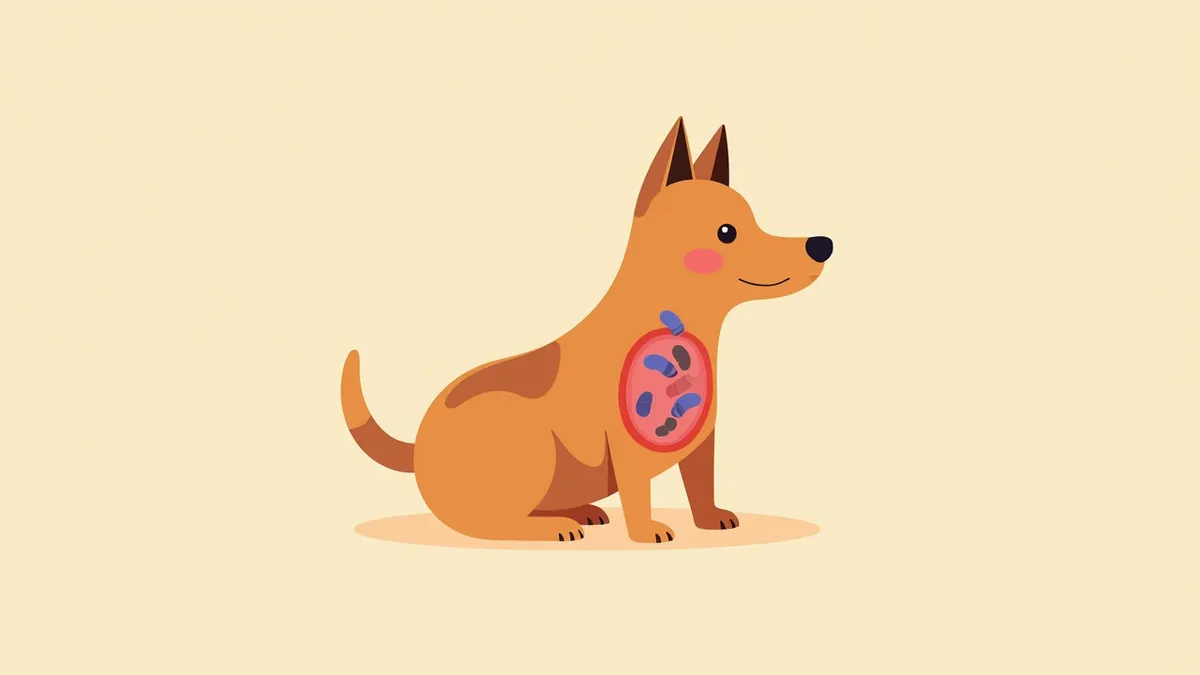
Since reinfection with lungworms is possible, it is crucial to prevent your dog from ingesting intermediate hosts such as slugs and snails. Dogs playing in environments where slugs are abundant, such as gardens, near water sources, or in grassy areas, are at higher risk of infection; therefore, promptly cleaning up feces and avoiding leaving food bowls outdoors is recommended. Lungworm infections are reported more frequently in puppies than in adult dogs, so preventive deworming during early life is often advised in endemic areas. Although some opinions suggest that certain breeds may respond differently to lung parasites, there is currently insufficient evidence to support this. Consequently, dogs at high risk require preventive screenings and consistent monitoring for early detection.
Reviewed by a veterinarian

Dr. Tony — Punnawat Phongkittirak
VeterinarianA veterinarian who majored in veterinary medicine at Khon Kaen University, Thailand, and completed the IVSA program at North Carolina State University in the United States. Drawing on clinical experience at animal hospitals, he works in the pet healthcare field and is dedicated to building a digital care environment that connects pet parents with veterinarians.
Reviewed 2026-06-29
Frequently Asked Questions
Can dog lungworms be transmitted to humans?
What should I do if my pet continues to cough after treatment?
I’ve fed my pet fish before—does that mean there’s a high risk of infection?
What should I be careful about to prevent it?
Can lungworm infections be completely cured after treatment?
Comparison of Step-by-Step Management for Lung Fluke Symptoms
| Item | Main Symptoms | Recommended Measures | Treatment Duration |
|---|---|---|---|
| Mild | Light cough, increased coughing after walks | Fecal examination and clinical observation, additional testing | Determined at the veterinarian's discretion |
| Moderate | Persistent cough, weight loss | Chest X-ray, fecal and bronchial lavage examinations, antiparasitic drugs and supportive care | May take several weeks |
| Severe | Difficulty breathing, hemoptysis, bleeding tendency | CT scan, antiparasitic drugs, hospitalization and supportive care | May take up to 8 weeks or more |
Because the treatment plan varies depending on the severity of symptoms, decide after consulting your veterinarian.
Share
Related Guides

5 Flea and Tick Preventives for Cats Recommended by Veterinarians — Ingredient Safety Comparison

The Ultimate Guide to Differentiating Symptoms, Managing Internal Parasites in Dogs, and Choosing the Best Products

Best Practices and Selection Criteria for Dog Heartworm Antigen Testing

The Ultimate Guide to Kidney Stones in Dogs by Type (Struvite & Calcium Oxalate)

Feline Injection-Site Sarcoma (FISS): Causes, Symptoms, and Treatment Overview
Treatment of Canine Mast Cell Tumors by Grade

Canine Demodicosis (Demodex) Skin Infection

The Complete Guide to Tick-Borne Canine SFTS (Severe Fever with Thrombocytopenia Syndrome)

Giardia Infection and Treatment

Canine Inner Ear Otitis and Balance Disorders
References
[1] Canine and Feline Respiratory Medicine, 3rd Edition, 2023
[2] Plumb's Veterinary Drug Handbook, 9th Edition, 2022
[3] American Veterinary Medical Association (AVMA) Parasite Control Guidelines, 2023