Like
Share
멍실장
강아지 십이지장충(앵킬로스토마) 감염

Dog Hookworm (Ancylostoma) Infection

DigestiveDiseasesMeongsiljang Veterinary Advisory Board

Dog hookworms are intestinal parasites that live in the small intestine and feed on blood, which can lead to anemia. They can be especially dangerous for puppies, so early detection and regular deworming are essential.

What Are Dog Hookworms?
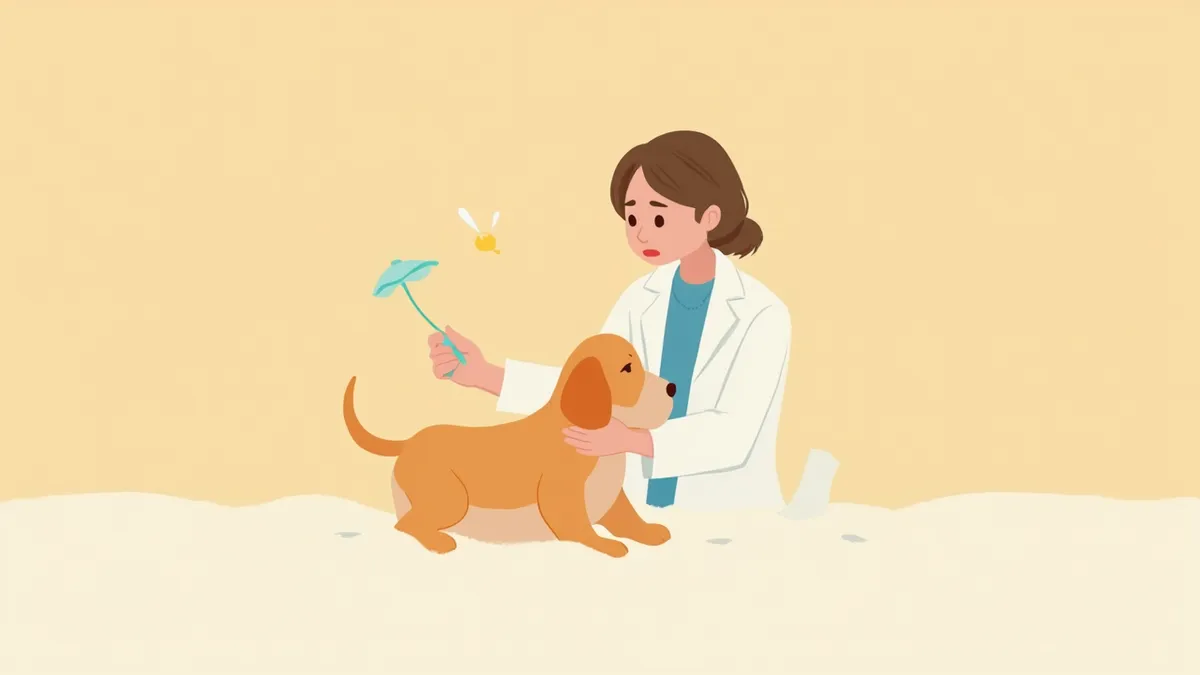
A veterinarian checks a puppy’s gum color to assess for anemia.
Hookworms (Ancylostoma) are blood-sucking parasites that inhabit the upper small intestine of dogs, where they bite into the intestinal lining and feed on blood. Early detection is crucial. If you notice pale gums or black, tarry stools, it indicates that bleeding has already progressed, and your dog needs to see a veterinarian within 24 hours. This condition is especially dangerous in puppies aged 2 to 6 months, as it can rapidly lead to anemia and, if left untreated, become life-threatening.

How Do Infections Occur? Main Causes

Hookworms can enter your dog’s body through a wider variety of routes than you might expect. Eggs shed in the feces of infected dogs develop into larvae in the soil, and infection begins when these larvae penetrate the skin or are ingested.
Cutaneous infection: Larvae penetrate the skin when dogs walk barefoot on contaminated soil or grass.
Oral infection: Infection occurs by licking or ingesting contaminated water or soil.
Vertical transmission: The infection is passed from the mother to her puppies through her milk.
Predatory infection: Infection occurs by consuming infected rodents or small animals.
Vertical transmission from mother to puppy is particularly dangerous.

Key Symptoms to Check For

Hookworm infections can be tricky to spot in the early stages. The key is not to miss the signs of anemia.
Black, tarry stools or small-intestinal diarrhea: You may notice stools that are sticky and black like tar, or loose, watery diarrhea.
Pale gums: Gums that should be pink appear white or grayish.
Lethargy: Your pet may lie down more often than usual and refuse walks.
Decreased appetite and weight loss: A reduced appetite leads to weight loss, and the coat loses its shine.
Skin inflammation: Itchy, red lesions may develop where larvae have burrowed, especially between the toes.
Coughing and respiratory issues: These can occur temporarily as larvae migrate through the lungs.
A lethargic dog lying down listlessly

Emergency Signs Requiring Immediate Veterinary Care

If you notice any of the following symptoms, seek veterinary care within 24 hours. Puppies can deteriorate rapidly, developing acute anemia and shock within just a few hours. - Gums appear pale or bluish - Black, tarry stools occur two or more times - Breathing becomes rapid and heavy panting occurs - Sudden collapse or clouded consciousness - Puppies under six months of age show lethargy accompanied by diarrhea

How Is It Diagnosed at the Clinic?

Diagnosing hookworm infection is relatively straightforward, with the primary step being the identification of eggs in the feces. We also assess the degree of anemia.
Fecal flotation: Stool is suspended in a special solution to identify oval-shaped eggs under a microscope. This is the most fundamental and important diagnostic method.
Repeated fecal examinations: In the early stages of infection, eggs may not yet be shed, so a single test might miss them. Therefore, we repeat fecal tests at intervals.
Complete blood count (CBC): We check red blood cell and hemoglobin levels to determine the severity of anemia.
Serum protein test: This helps determine whether protein (albumin) has been lost due to intestinal bleeding or mucosal damage.
In particular, young puppies may show symptoms like anemia even before eggs are detectable in the stool, so it is safer to perform both fecal and blood tests together.

Treatment Methods — Deworming Medication and Supportive Care
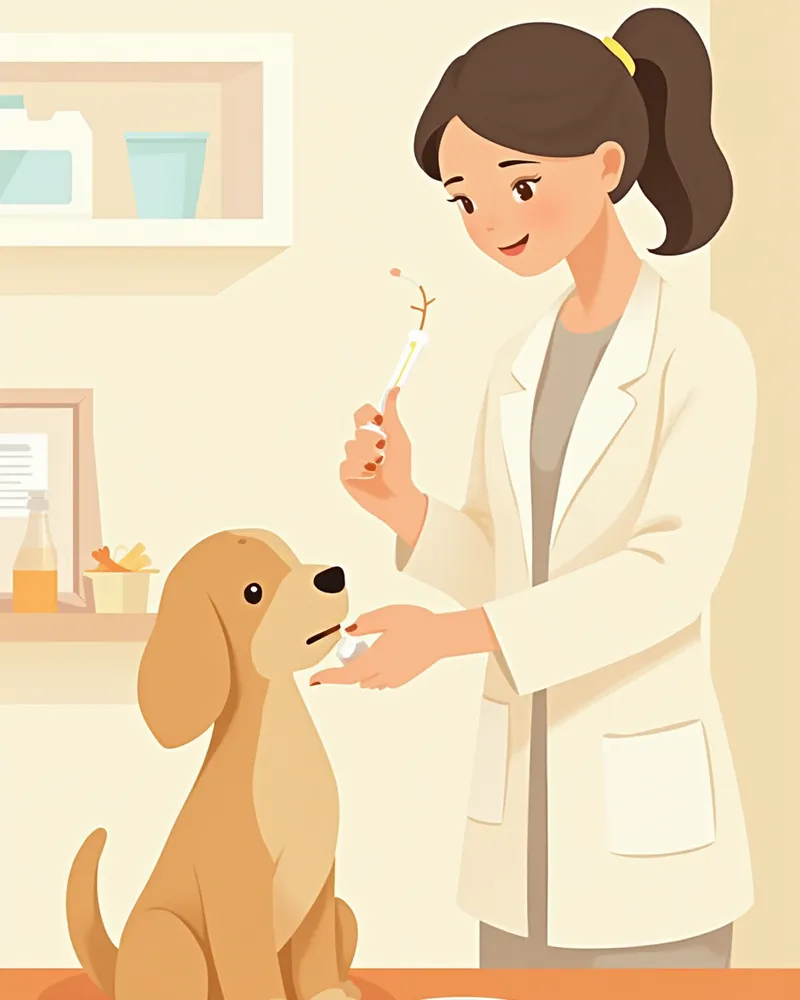
Treating hookworms centers on using deworming medication to eliminate both adult worms and larvae. While the prognosis is generally good, additional treatment may be needed depending on the severity of anemia.
Step 1: Initial Deworming: Medications from the fenbendazole, pyrantel, or milbemycin families are used. Your veterinarian will determine the correct dosage and schedule based on your pet’s weight.
Step 2: Follow-up Dose 2–3 Weeks Later: A second dose is essential because larvae that survived the first treatment will have matured into adult worms by then.
Step 3: Anemia Management: In severe cases, treatment may include blood transfusions, iron supplements, and protein supplementation.
Step 4: Environmental Sanitation: Remove and replace soil or sand in areas where your pet defecates.
A veterinarian administering deworming medication to a puppy.

Home Care Points to Keep in Mind

Even during treatment, there are many things for pet owners to keep in mind. Preventing reinfection is just as important as achieving a full cure.
Dispose of feces immediately: Clean up within 30 minutes of defecation and seal the waste in a plastic bag before discarding.
Separate the defecation area: Encourage your dog to defecate on concrete or stone surfaces rather than on soil or grass.
Wash paws after walks: Wipe the paw pads and belly with lukewarm water to remove any larvae.
Nutritional support: Aid recovery with a diet rich in protein and iron.
Test littermates simultaneously: Have all dogs living in the same household tested, even if they show no symptoms.
Caution for children: Humans can also become infected through skin contact, so ensure children wash their hands thoroughly after playing in sand.

Preventing Reinfection and Regular Deworming Guidelines

Even after a single treatment, hookworms can cause reinfection if larvae remain in the environment. Please follow these guidelines for regular deworming: - Deworm every two weeks from two weeks of age until twelve weeks of age. - Thereafter, deworm once a month; adult dogs should be dewormed at least once every three months. - Pregnant or nursing mother dogs should be dewormed according to your veterinarian’s instructions. - Monthly deworming is recommended for dogs that spend a lot of time outdoors or live in multi-dog households. - Perform fecal examinations at least twice a year.

Precautions for Puppies and Specific Environments

Puppies under six months of age, dogs in multi-dog households, and dogs that spend a lot of time outdoors are at significantly higher risk for hookworm infection. In particular, young puppies have a smaller total blood volume, so an infection that might be mild in an adult dog can be fatal in a puppy. If the dam has been infected, larvae may already be dormant in the puppies from birth, making it essential to deworm the dam before whelping and to administer the first deworming treatment to the puppies at two weeks of age. In environments where multiple dogs share the same space, such as shelters or dog cafés, regular environmental disinfection is essential.
The sight of young puppies living together in a clean environment

Reviewed by a veterinarian

Dr. Tony — Punnawat Phongkittirak

Dr. Tony — Punnawat Phongkittirak

Veterinarian

A veterinarian who majored in veterinary medicine at Khon Kaen University, Thailand, and completed the IVSA program at North Carolina State University in the United States. Drawing on clinical experience at animal hospitals, he works in the pet healthcare field and is dedicated to building a digital care environment that connects pet parents with veterinarians.

Frequently Asked Questions

Can hookworms be transmitted to humans?
Yes, it can be transmitted to humans. If larvae penetrate human skin, they can cause cutaneous larva migrans, resulting in itching and red, winding rashes. Always wash your hands thoroughly after handling pet waste, and avoid letting your child play in sand or walk barefoot.
Why did my pet get infected again even after taking deworming medication?
Dewormers effectively eliminate adult worms, but they don’t completely remove larvae that have embedded themselves in tissues. That’s why a follow-up dose 2 to 3 weeks later is essential, and managing eggs and larvae remaining in the environment is crucial to prevent reinfection.
Do I really need to deworm my pet even if they show no symptoms?
Yes, it is absolutely necessary. In the early stages of infection, hookworms often cause few or no symptoms, and they can sometimes be missed in fecal tests. For dogs that go on walks, using a monthly heartworm preventive that also includes deworming agents is the safest approach.
Can pregnant dogs take deworming medication?
It is possible, but you must consult with your veterinarian. Deworming with ingredients proven safe in the late stages of pregnancy can significantly reduce vertical transmission to the puppies. Using over-the-counter dewormers without professional guidance is dangerous.
My pet has a habit of digging. How can I stop this behavior?
While it’s difficult to completely prevent exposure, you can reduce it by sticking to paved paths during walks and keeping the potty area away from soil. Additionally, making it a habit to wash your pet’s paws and belly with lukewarm water—rather than using wet wipes—after walks can be very helpful.

Share

Related Guides

References

[1] Taylor, Coop & Wall, Veterinary Parasitology, 5th Edition, Chapter: Parasites of Dogs and Cats - Ancylostoma spp.

[2] Ettinger, Feldman & Cote, Textbook of Veterinary Internal Medicine, 8th Edition, Chapter: Gastrointestinal Parasites

[3] Companion Animal Parasite Council(CAPC) Hookworm Guidelines, 2023

This information is based on veterinary literature and does not replace diagnosis or treatment. Please consult a veterinarian for specific health concerns.

Metapet Co., Ltd. | CEO: Park Sung-yong | Business Reg. No. 417-88-02562 | Seoul, South Korea | Customer Center

Dog Hookworm (Ancylostoma): Symptoms, Treatment & Prevention | Meongsiljang