Like
Share
멍실장
강아지 임신·수유 중 기생충 관리 증상과 원인, 진단·치료와 관리 포인트 총정리

Complete Guide to Parasite Management in Pregnant and Nursing Puppies: Symptoms, Causes, Diagnosis, Treatment, and Care Points

Infection/ParasitesDiseasesMeongsiljang Veterinary Advisory Board

Parasite infections during pregnancy and lactation can pose serious risks to both the mother and her puppies, making proper management essential.

Parasite Management During Pregnancy and Lactation Is Key to Saving Lives
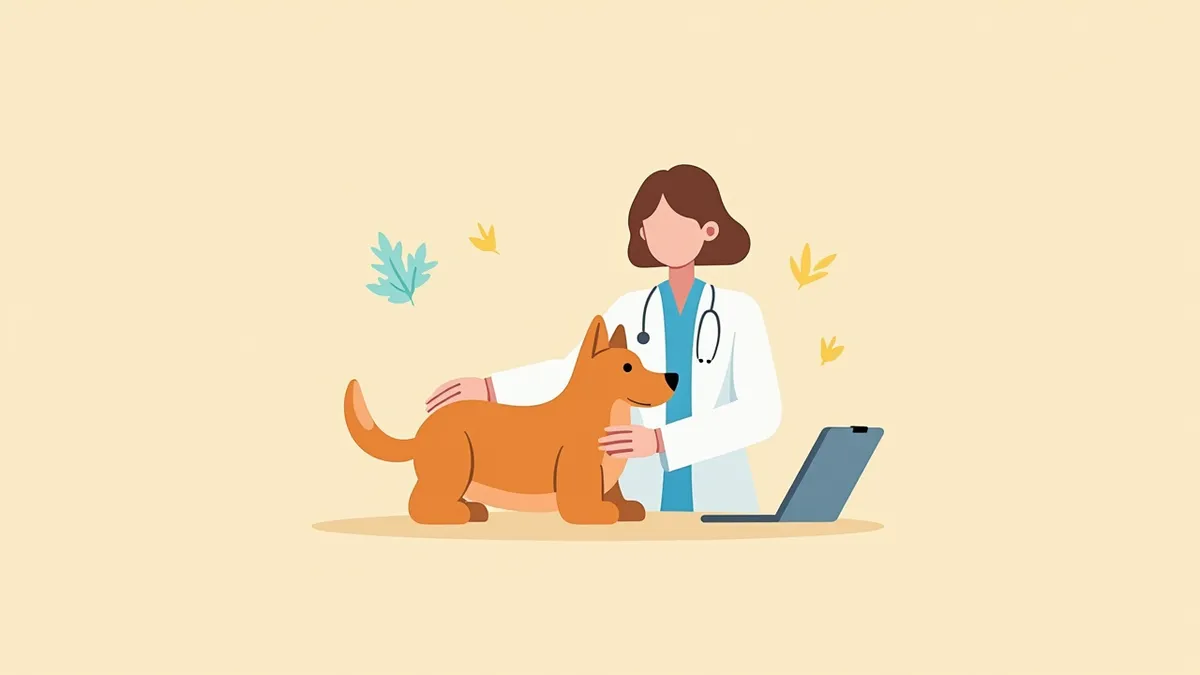
A veterinarian examining a pregnant dog
Pregnant and nursing puppies are at a significantly higher risk of parasitic infections due to weakened immune systems. Internal parasites such as roundworms and nematodes can be transmitted from the mother to the fetus through the placenta during pregnancy, and to the puppies through breast milk during nursing. - Symptoms of Parasitic Infection: Vomiting, diarrhea, weight loss, and loss of appetite may occur. Regular fecal examinations are essential for early detection. - Preventive Care: Administering deworming medication regularly from early pregnancy through the nursing period is crucial. During the nursing period, treating both the mother and the puppies together is particularly effective. - Risk Factors: Contaminated soil, water, and contact with other dogs are major transmission routes. Thorough management during this period is key to protecting the health of both the mother and the puppies.

Main Causes and Risks of Parasitic Infection

Pregnant and nursing puppies have weakened immune systems, making them more susceptible to parasitic infections. Parasites can spread through contact with soil, water, or other dogs, and can also be transmitted from the mother to her fetuses or puppies.
Internal parasite transmission: Roundworms and nematodes can be passed to the fetus through the placenta during pregnancy and to the puppies through the mother’s milk during nursing.
External parasite spread: Ticks and fleas can attach to the mother’s fur and be directly transferred to the puppies, but there are no reported cases of transmission through the mother’s blood or milk.
Nutritional deficiency: Parasites absorb nutrients, negatively impacting the growth and development of both the mother and her puppies.
A close-up image of a tick attached to a dog's paw

Don't Miss Key Symptoms and Signs

Parasitic infections during pregnancy and lactation can manifest in a variety of symptoms. Early detection significantly improves treatment success rates.
Weight loss: Impaired nutrient absorption leads to a decrease in body weight.
Diarrhea or constipation: Intestinal parasites interfere with digestive function.
Hair loss and skin rashes: Irritation from fleas and ticks causes itching.
Decreased appetite: General weakness reduces food intake.
Small spots or red marks on the skin: These are signs of flea or mite bites.
Weakness or shock symptoms: Severe infections can cause blood loss, leading to dizziness or shock.
A nursing puppy with a mild skin rash around its neck.

Emergency Signs Requiring Immediate Veterinary Visit

If your dog experiences severe diarrhea, vomiting, signs of shock (such as fainting or difficulty breathing), or severe skin peeling and bleeding, you should seek veterinary care immediately. These are signs of a serious parasitic infection that can be life-threatening.

Diagnostic Tests for Accurate Diagnosis

To confirm whether your pet has a parasitic infection, a veterinarian must perform accurate diagnostic tests.
Fecal flotation test: This test identifies parasite eggs in the stool and is the most commonly used method for diagnosing internal parasites such as roundworms and hookworms.
Skin scraping: This procedure involves scraping the skin to directly collect external parasites like mites, which are then examined under a microscope.
Blood test: Certain blood-borne parasites (protozoa), such as Babesia, can be diagnosed through blood smear examinations, serological tests (IFA or ELISA), or PCR.
Visual inspection: External parasites can often be seen with the naked eye. Pay special attention to areas behind the ears, the neck, and the belly when checking.
A veterinarian examining a stool sample under a microscope

Step-by-Step Guide to Safe Treatment During Pregnancy and Lactation
Standard parasite medications are not safe to use during pregnancy or lactation, so your veterinarian will select a treatment that is safe for your pet.
Step 1: Consult with your veterinarian to choose a safe medication. Some drugs are strictly prohibited during pregnancy.
Step 2: Begin the medication. Treatments typically come in the form of sprays, collars, or gels for external parasites. Treatment for internal parasites can begin after the second month of pregnancy, and there are certain products that are safe to use while nursing.
Step 3: Recheck your pet 2–3 weeks after treatment to confirm whether the infection has been cleared.
Step 4: Treat the puppies at the appropriate time when medication is safe for them. Puppies can be treated with medications that are safe to use during the nursing period.
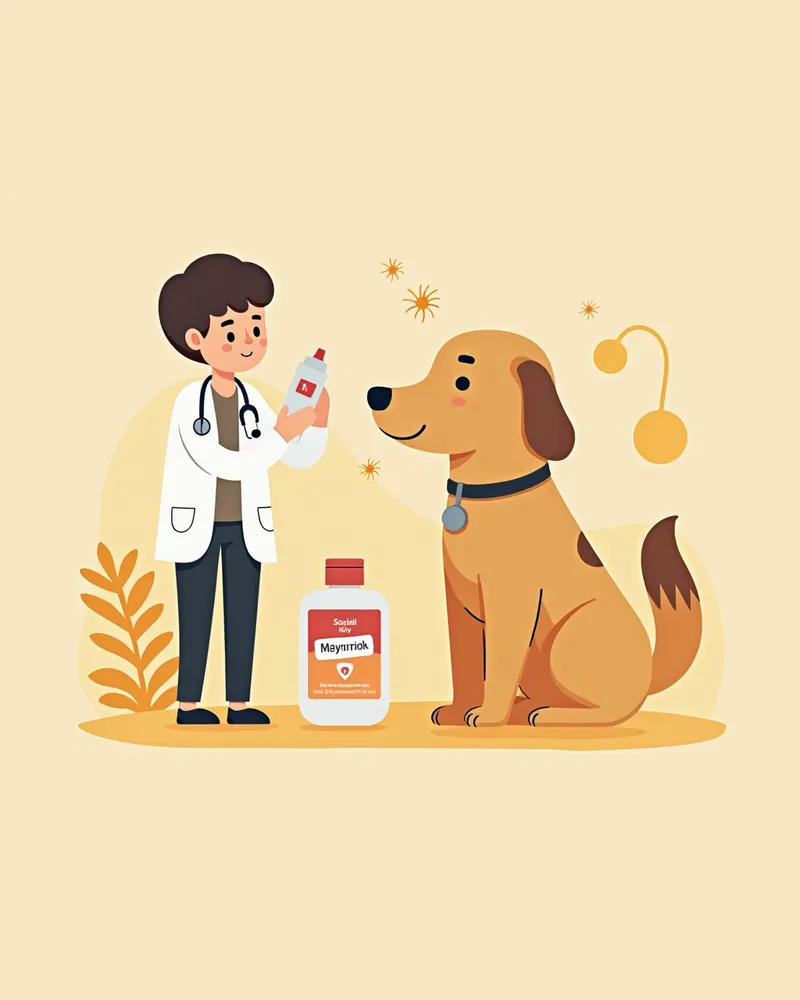
A veterinarian showing a safe flea and tick treatment product.

Home Care and Prevention Points

Parasite management for pregnant and nursing puppies requires consistent care at home.
Regular cleaning: Clean your home frequently and disinfect bedding and toys.
Post-outing checks: Carefully inspect your puppy’s paws, ears, and body after every outing.
Separation from the mother: If the puppies are very young, separate them from the mother to reduce the risk of infection.
Safe medication use: Use only products recommended by your veterinarian. Never administer medication on your own.
Nutritional support: Provide high-nutrient food to compensate for any nutrient loss caused by parasites.
A pregnant dog lying on a clean dog bed

Precautions for Parasite Treatment During Pregnancy and Lactation

Some parasiticides can be harmful to the fetus during pregnancy. Certain medications may also pass to nursing puppies through breast milk, so never administer any drugs without veterinary guidance. Always use only products deemed safe by your veterinarian. It is especially important to treat both the mother and her puppies together.

Reviewed by a veterinarian

Dr. Tony — Punnawat Phongkittirak

Dr. Tony — Punnawat Phongkittirak

Veterinarian

A veterinarian who majored in veterinary medicine at Khon Kaen University, Thailand, and completed the IVSA program at North Carolina State University in the United States. Drawing on clinical experience at animal hospitals, he works in the pet healthcare field and is dedicated to building a digital care environment that connects pet parents with veterinarians.

Frequently Asked Questions

Is it safe to give deworming medication during pregnancy?
Only medications deemed safe by a veterinarian should be used. Administering drugs without professional guidance can harm the fetus. In particular, certain medications are strictly prohibited during early pregnancy, so always follow your veterinarian’s instructions.
Is it safe to treat parasites while a dog is nursing?
Yes, if a veterinarian recommends a safe medication, treatment is possible even during lactation. Some medications have been confirmed to be safe for use while nursing, and it’s important to treat both the mother and her puppies together.
How are parasites transmitted to puppies?
Internal parasites can be passed to the fetus through the placenta during pregnancy or to the puppies through the mother's milk during nursing. External parasites can attach to the mother's fur and be directly transferred to the puppies.
How can I prevent parasitic infections?
The most effective preventive measures include regular check-ups (such as fecal exams), safe use of medications, maintaining a clean environment, checking your pet after outdoor activities, and treating both the mother and her puppies simultaneously during pregnancy and lactation.
How can parasites affect the mother?
Nutritional deficiencies, weight loss, and a weakened immune system can occur, and in severe cases, your pet may experience fatigue, diarrhea, loss of appetite, and cardiovascular issues. This is especially critical during pregnancy and lactation, as the mother’s health directly impacts the survival of her puppies or kittens.

Comparison of Safe Parasite Preventatives During Pregnancy and Lactation

ItemProduct NameFormWhen It Can Be UsedKey Features
Product ACollarExternal parasitesFrom the 2nd month of pregnancy onwardVeterinarian recommended, uses safe ingredients, can be used while nursing
Product BSprayExternal parasitesFrom the 3rd month of pregnancy onwardMinimizes skin irritation, fast-acting, can be used while nursing
Product CGel formInternal parasitesFrom the 2nd month of pregnancy onward and can be used while nursingSafe for both mother and puppies; some products are prohibited during early pregnancy

All products must be used under the direction of a veterinarian. Some products are prohibited during early pregnancy. Treatment for internal parasites is possible from the second month of pregnancy onward, and some medications are safe to use even while nursing.

Share

Related Guides

References

[1] Serrano et al. (1964) Nutrient Requirements of Dogs and Cats. National Academies Press.

[2] Applied Veterinary Clinical Nutrition, 2nd Ed. (2010). Blackwell Publishing.

[3] 100 Top Consultations in Small Animal General Practice. (2011). Blackwell Publishing.

This information is based on veterinary literature and does not replace diagnosis or treatment. Please consult a veterinarian for specific health concerns.

Metapet Co., Ltd. | CEO: Park Sung-yong | Business Reg. No. 417-88-02562 | Seoul, South Korea | Customer Center

Parasite Care in Pregnant & Nursing Dogs: Full Guide | Meongsiljang