Like
Share
멍실장
강아지 심장사상충 항원 검사 증상과 원인, 진단·치료와 관리 포인트 총정리

Dog Heartworm Antigen Test: Symptoms, Causes, Diagnosis, Treatment, and Management Essentials

Infection/ParasitesDiseasesMeongsiljang Veterinary Advisory Board

The heartworm antigen test is a key diagnostic tool for early detection of heartworm infection in dogs. Regular testing and prevention are essential to maintaining your pet’s health and well-being.

The Dog Heartworm Antigen Test Is Key to Early Detection of Infection
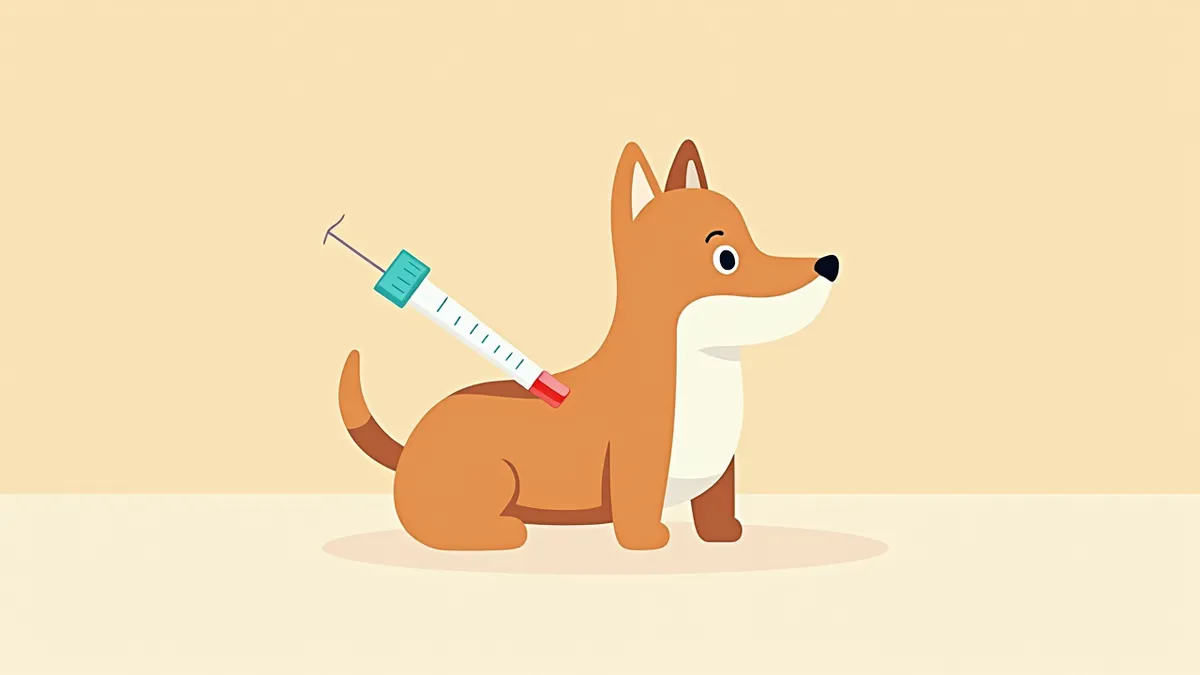
A veterinarian drawing blood from a puppy, holding a test strip
The canine heartworm antigen test is a diagnostic method that detects antigens secreted by adult worms, particularly adult females, in the blood. Infections involving only immature larvae or male worms alone rarely produce detectable levels of antigen, and it can take several months after infection for larvae to mature into adults and release sufficient antigen for detection. As a result, early-stage infections may yield negative results, making early detection challenging. Therefore, testing during high-risk periods is crucial.
Frequency of Antigen Testing: Testing is recommended at least once a year. The most appropriate time is around the peak mosquito activity season, typically in summer.
Testing Method: A small blood sample of 1–2 ml is collected, allowing for rapid result confirmation. Most veterinary clinics can provide results within 10–15 minutes.
Interpreting Test Results: A positive result confirms the presence of adult heartworms, requiring immediate consultation with a veterinarian to develop a treatment plan. If the test is positive, the presence of microfilariae (baby heartworms) in the blood is also checked.

The Main Cause of Heartworm Infection Is Mosquito-Borne Transmission
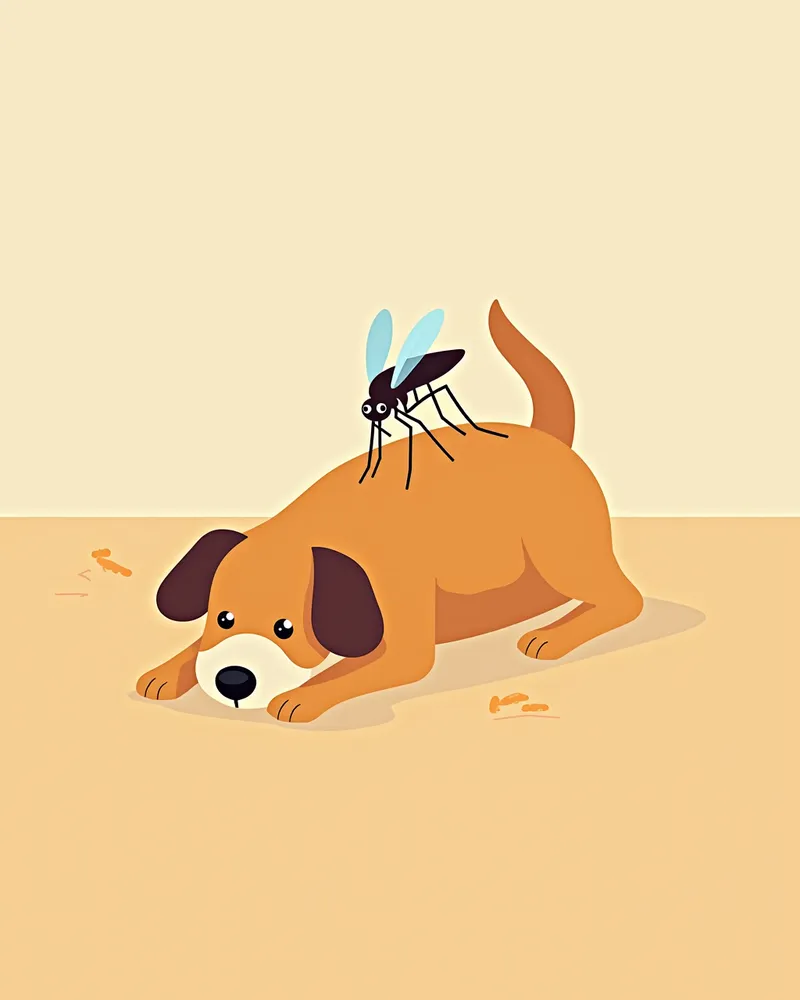
Heartworm disease in dogs is a parasitic infection transmitted through mosquito bites. When a mosquito feeds on the blood of an infected dog, the larvae develop inside the mosquito and are then transmitted to another dog during a subsequent bite.
Infection conditions: The risk of infection is higher in warm, humid areas where mosquito activity is intense, with summer and autumn being the most dangerous seasons.
Infection pathway: Larvae enter the dog’s skin via the mosquito’s saliva, migrate through the body, and eventually reach the heart and pulmonary arteries, where they mature into adult worms.
Spread of infection: In areas with infected dogs, the disease can spread rapidly as long as mosquito activity continues.
A mosquito biting a dog’s skin, with a microscopic view showing heartworm larvae inside the mosquito.

The Main Symptoms of Heartworm Infection Are Coughing and Respiratory Distress

In the early stages of heartworm infection, there may be few or no symptoms. However, as the infection progresses, it places strain on the heart and lungs, leading to a variety of clinical signs.
Coughing: A persistent cough, particularly one that worsens after exercise or at night, is common. This occurs because adult worms cause inflammation and changes in the pulmonary arteries and lung tissue, irritating the airways.
Difficulty breathing: Your pet may appear short of breath or struggle to catch its breath. This happens because impaired heart function disrupts normal blood circulation.
Fatigue: Pets may tire easily with minimal activity and show a sudden decrease in their usual activity levels. This is due to the heart’s inability to pump blood effectively.
Weight loss: A reduced appetite or inadequate nutrient absorption can lead to noticeable weight loss.
A puppy coughing while lying down, with the owner’s face showing concern.

Immediate Veterinary Visit Is Required for a Positive Heartworm Test

If the heartworm antigen test comes back positive, you should consult your veterinarian immediately to develop a treatment plan. Delaying treatment can lead to severe heart damage or blood clots in the pulmonary arteries.

Heartworm Diagnosis Is Performed Using Both Antigen Testing and Ultrasound

To accurately diagnose heartworm infection, multiple tests are used together. The antigen test is the key to confirming infection.
Antigen Test: This test detects antigens secreted by adult female worms in the blood to determine if an infection is present. Infections involving only immature larvae or male worms are rarely detected, and it takes several months for larvae to mature into adults before a positive result appears. Only after this period can the test results be considered reliable.
Ultrasound Examination: This allows visualization of the heart and pulmonary arteries to check for the presence of adult worms and any structural changes in the heart. It also helps assess heart function. However, in mild infections, adult worms may reside in the smaller branches of the lungs, making them difficult to detect via ultrasound.
Blood Tests: These provide an overview of the pet’s general blood condition, helping to evaluate liver function, kidney function, and the presence of anemia.
An ultrasound image showing the interior of the heart, with heartworms visible in the pulmonary artery.

Heartworm Treatment Is Conducted in Stages Under Veterinary Guidance
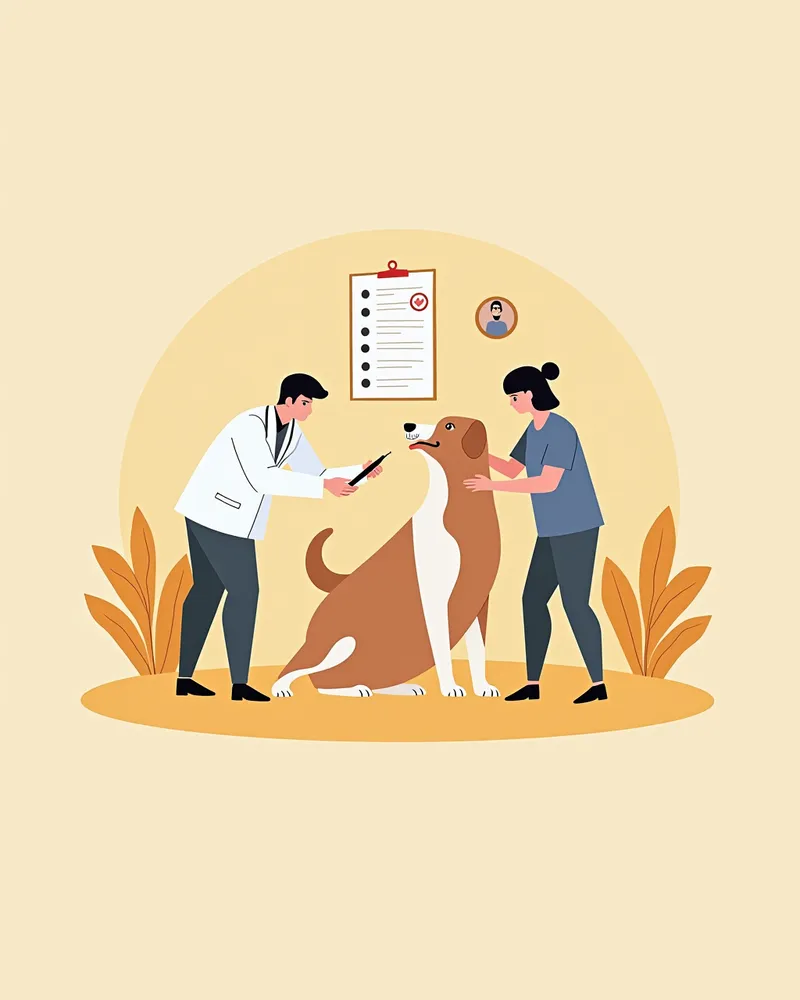
Treating heartworm disease is not simply a matter of administering medication; it is a multi-step process that typically takes several months.
Pre-treatment evaluation: We assess heart, liver, and kidney function to determine if the patient is a suitable candidate for treatment. If necessary, we may pre-administer medications such as steroids (anti-inflammatories), diuretics, or vasodilators.
Adult worm elimination: We inject adulticides, such as melarsomine, to eliminate adult worms. This is usually administered in multiple doses.
Larval elimination: Three to four weeks after adulticide treatment, we administer a microfilaricide to remove the larvae. Eliminating larvae helps prevent reinfection and reduces the risk of kidney issues, such as glomerulonephritis.
Rest and management: During treatment, we minimize exercise and monitor the patient’s condition through regular check-ups.
A veterinarian administering a Melarsomine injection to a dog, with the syringe and medical records visible in the scene.

Home Care for Heartworm Requires Special Precautions During Treatment

During heartworm treatment, it is essential to minimize your dog’s activity level and reduce stress. Exercise during treatment can place a significant burden on the heart.
Activity Restriction: Limit walks and keep your dog moving quietly indoors throughout the treatment period. Avoid sudden movements.
Dietary Management: Feed a nutritionally balanced diet and avoid excessive treats. Consider special diets to support liver function.
Regular Check-ups: Monitor your dog’s condition with periodic blood tests and cardiac ultrasounds during treatment.
Medication Management: Administer all medications exactly as prescribed by your veterinarian, adhering strictly to the scheduled times.
A puppy lying quietly on the bed, with its food bowl nearby.

Annual Testing and Prevention Are Essential to Prevent Heartworm Recurrence

Even after treatment for heartworm disease, your pet can become reinfected. Annual antigen testing and regular preventive medication are key to preventing recurrence.

Reviewed by a veterinarian

Dr. Tony — Punnawat Phongkittirak

Dr. Tony — Punnawat Phongkittirak

Veterinarian

A veterinarian who majored in veterinary medicine at Khon Kaen University, Thailand, and completed the IVSA program at North Carolina State University in the United States. Drawing on clinical experience at animal hospitals, he works in the pet healthcare field and is dedicated to building a digital care environment that connects pet parents with veterinarians.

Frequently Asked Questions

When is the best time to get a heartworm antigen test?
Testing once a year or more is recommended, with the most appropriate timing being just before and after the peak mosquito season in summer. Since it can take several months after infection for larvae to mature into adults and for a positive test result to appear, testing during high-risk periods is more meaningful.
If the antigen test is positive, does that mean treatment won’t work?
No, even if the test is positive, treatment is possible. After a veterinarian’s evaluation, a step-by-step treatment plan can be developed to eliminate adult worms. Delaying treatment may lead to complications.
Do heartworm preventatives need to be given daily?
Yes, most preventive medications are designed for monthly administration. Skipping doses increases the risk of infection, so please follow the specific product and schedule recommended by your veterinarian.
Is it okay to walk my dog while it’s being treated for heartworm disease?
During treatment, minimize walks. Exercise can strain the heart and lead to complications. Keep your pet resting quietly indoors throughout the treatment period.
Should I still give my pet heartworm preventive medication even if the test result is negative?
Yes, we still recommend preventive medication even if the test result is negative. Early-stage infections can sometimes yield false-negative results, and the risk of mosquito-borne transmission remains ongoing. Regular prevention is the safest approach.

Share

Related Guides

References

[1] American Heartworm Society. (2023). Canine Guidelines for the Prevention, Diagnosis, and Management of Heartworm (Dirofilaria immitis) Infection in Dogs. Retrieved from https://www.heartwormsociety.org

[2] Plumb's Veterinary Drug Handbook, 9th Edition. (2022). Wiley-Blackwell. Chapter on Heartworm Prevention and Treatment.

[3] Handbook of Veterinary Pharmacology. (2021). Section on Heartworm Therapy and Prevention. Elsevier.

This information is based on veterinary literature and does not replace diagnosis or treatment. Please consult a veterinarian for specific health concerns.

Metapet Co., Ltd. | CEO: Park Sung-yong | Business Reg. No. 417-88-02562 | Seoul, South Korea | Customer Center

Dog Heartworm Antigen Test: Diagnosis & Care Guide | Meongsiljang