Like
Share
멍실장
강아지 이(사면발이) 감염 증상과 원인, 진단·치료와 관리 포인트 총정리

Complete Guide to Canine Lice Infestation: Symptoms, Causes, Diagnosis, Treatment, and Management

Infection/ParasitesDiseasesMeongsiljang Veterinary Advisory Board

Lice infestations in dogs are skin conditions caused by parasites that live in the fur. The main symptoms include excessive itching, hair loss, and dermatitis.

Canine lice infestation is a skin condition caused by parasites in the fur

A puppy scratching its back vigorously due to intense itching
Lice infestations in dogs are skin conditions caused by wingless parasitic insects called lice that live on the fur and skin, causing irritation. Lice are insects, not mites, and the two species that infest dogs are the sucking louse (Linognathus setosus) and the biting louse (Trichodectes canis). These insects firmly attach their eggs (nits) to the hair shafts, and once the eggs hatch, the emerging lice continuously irritate the skin, leading to itching and inflammation. The risk of transmission through direct contact is particularly high in crowded environments such as animal shelters, pet shops, and walking trails. - Parasite Reproduction: Lice attach their eggs to the fur, and after hatching, the new lice further irritate the skin, creating a vicious cycle. - Transmission Routes: Transmission occurs primarily through direct contact with other dogs. Although lice do not survive long in the environment, indirect transmission via collars, combs, and bedding has been reported. - Vulnerable Groups: Puppies, senior dogs, and debilitated dogs with compromised immune systems are more susceptible to infection. In particular, heavy infestations of sucking lice can cause anemia in puppies and small-breed dogs, making early detection and treatment essential.

The main causes of lice infestation are parasite reproduction and transmission
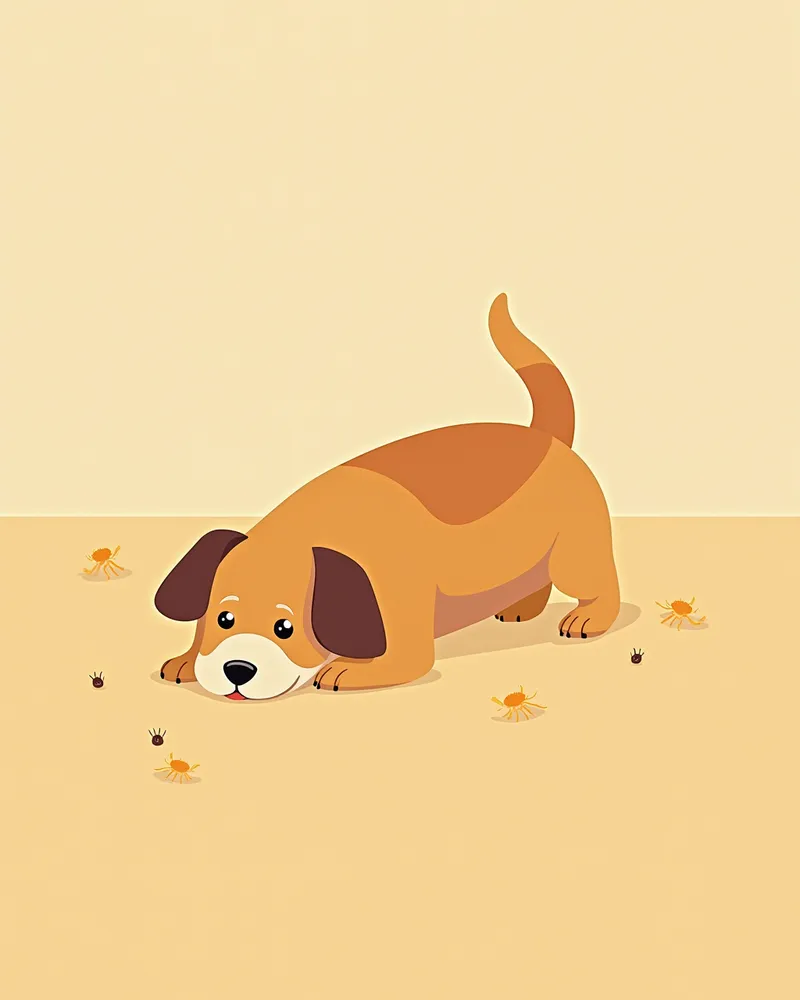
The primary cause of lice infestations in dogs is the presence of lice, parasitic insects that live on the hair, lay eggs, and reproduce. Lice are wingless insects, not ticks, and are mainly transmitted through direct contact with other dogs. The risk of infection is particularly high in crowded environments such as animal shelters, pet shops, and walking trails. - Parasite transmission: Lice eggs attached to fur can be transferred, or lice can move through direct contact with other dogs. Indirect transmission via leashes, combs, or bedding is also possible, but lice do not survive long in the environment. - Environmental factors: Poor hygiene and frequent outdoor exposure can increase the risk of infection. - Vulnerable individuals: Puppies, senior dogs, and weakened dogs have lower immunity and are more susceptible to infection. Early prevention and care are essential.
Close-up photo of fleas and their eggs on a dog's fur

Main symptoms include itching, hair loss, and dermatitis

The main symptoms of a dog louse infestation include intense itching, hair loss, and dermatitis. These occur as the lice irritate the skin, and repeated scratching can cause the skin to flake and become inflamed. The areas behind the ears, the neck, the back, and the base of the tail are the most common sites of infestation. - Itching response: Due to severe itching, dogs often scratch or lick themselves, damaging their skin. - Skin changes: Hair loss progresses, and the skin may thicken or develop scabs. - Spread of infestation: In severe cases, the infestation can spread throughout the body, potentially worsening the dog’s overall health. Early detection is key to effective treatment.
Hair loss and scabs on the dog's back and neck area

Symptoms requiring immediate veterinary attention

If your pet experiences severe skin peeling, pus discharge, or systemic symptoms like lethargy or loss of appetite, immediate veterinary attention is necessary. These signs could indicate a secondary bacterial infection or systemic inflammation, making early treatment essential.

Diagnosis is performed through direct observation and skin examination
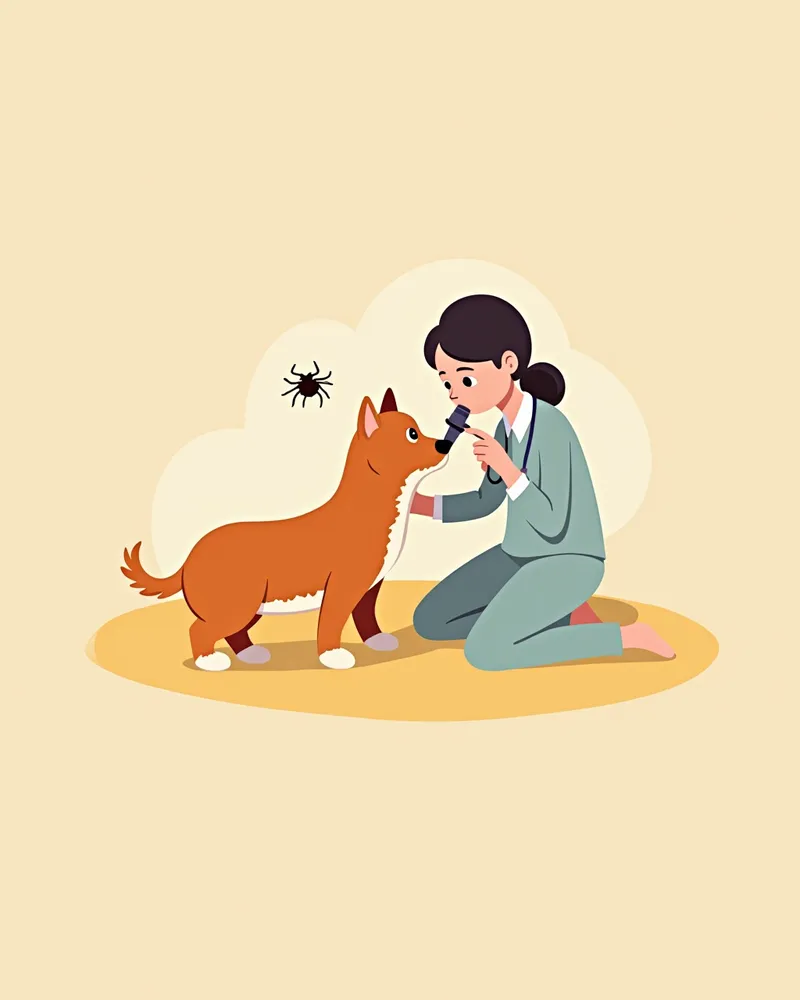
Diagnosing canine lice infestations requires a veterinarian to pluck hairs for direct examination of the lice and eggs, or to scrape the skin and analyze the sample under a microscope. Because the eggs are often attached to the hair shafts and difficult to see with the naked eye, professional testing is essential. - Skin scraping: A sample taken from the skin surface is analyzed under a microscope to confirm the presence of parasites. - Direct observation: The veterinarian plucks hairs to directly verify the presence of lice and eggs. - Additional tests: Skin reaction tests or blood tests may also be performed to check for secondary infections. Early diagnosis significantly improves treatment success rates.
A veterinarian examining a dog’s skin sample under a microscope.

Treatment involves insecticides and environmental cleaning
Treating louse infestations in dogs involves a combination of insecticides, bathing and combing, and environmental cleaning. Your veterinarian will bathe the dog and meticulously comb the coat to remove mats and eggs, then apply an effective insecticide. Isoxazoline-class products (available as oral or topical formulations for dogs) are particularly recommended. It is advisable to limit contact with other dogs during the treatment period. - Use of eradication products: Follow your veterinarian’s instructions regarding dosage and frequency to ensure complete elimination. A single treatment may not be sufficient, and additional applications might be necessary. - Treat all animals: To prevent reinfection, all animals living with or having contact with the infected dog must be treated simultaneously. - Environmental cleaning: Although lice do not survive long in the environment, it is recommended to thoroughly wash and clean bedding, brushes, collars, and other items. - Post-treatment verification: Continue consulting with your veterinarian and undergo follow-up examinations to confirm that the infestation has been completely eradicated.
A veterinarian applying a parasite treatment to a puppy

Home management focuses on maintaining cleanliness and regular checks

Effective home management of canine lice infestations hinges on maintaining cleanliness and conducting regular checks. Brush your dog’s coat regularly, and use shampoos or products containing veterinarian-recommended insecticidal ingredients during baths. - Regular brushing: Brushing and grooming help detect lice or eggs (nits) in the coat at an early stage. - Cleaning frequency: Thoroughly wash and disinfect bedding, collars, brushes, and toys. Although lice do not survive long in the environment, regular cleaning helps prevent reinfection. - Post-treatment care: After treatment, consult your veterinarian for follow-up checks and re-examinations to confirm complete eradication. Preventing reinfection is crucial. - Prevention-focused approach: Ongoing care is essential for vulnerable groups, such as puppies, senior dogs, and immunocompromised dogs.
A dog grooming itself to remove flea eggs from its fur.

Key points to prevent recurrence

Since lice can reinfest even after treatment, it’s important to regularly check your pet’s coat and keep their environment clean. We especially recommend checking within a week after visiting animal shelters or pet stores. During treatment, minimize contact with other dogs, and all animals that live with or have come into contact with your dog should receive treatment as well. Additionally, dog lice are highly host-specific and rarely establish themselves on humans. However, if you suspect any symptoms, it’s safest to consult your veterinarian.

Reviewed by a veterinarian

Dr. Tony — Punnawat Phongkittirak

Dr. Tony — Punnawat Phongkittirak

Veterinarian

A veterinarian who majored in veterinary medicine at Khon Kaen University, Thailand, and completed the IVSA program at North Carolina State University in the United States. Drawing on clinical experience at animal hospitals, he works in the pet healthcare field and is dedicated to building a digital care environment that connects pet parents with veterinarians.

Frequently Asked Questions

Can this infection in dogs be transmitted to humans?
Fleas are host-specific parasites, so they rarely transfer from dogs to humans and establish an infestation. Since the cause of flea infestations in humans differs from that in dogs, the risk of transmission to people is low once the dog is treated and the environment is thoroughly cleaned. However, if you suspect any symptoms, consult a veterinarian or a physician.
Can this infection recur even after treatment?
Yes, reinfection can occur due to environmental factors or contact with other dogs. Regular check-ups, thorough cleaning of the environment, and treatment of all exposed animals are essential.
Can I remove it at home?
While some topical products may be used, applying them without an accurate diagnosis and prescription can render them ineffective or cause adverse side effects. It is essential to consult with a veterinarian and use appropriate insecticides or products from the isoxazoline class.
At what age does this infection commonly occur?
Young dogs, senior dogs, and those in poor health are more susceptible to infection due to weakened immune systems. However, dogs of any age can be affected. Prevention is the most important step.
Can this infection be prevented with a vaccine?
No, this infection cannot be prevented with a vaccine. The main preventive measures are using dewormers, maintaining good hygiene, and avoiding contact with infected animals.

Share

Related Guides

References

[1] Hill, P.B. et al. (2000). Resolution of skin lesions and long-term survival in a dog with suppurative dermatitis due to lice infestation. Journal of the American Veterinary Medical Association, 217(10), 1451-1454.

[2] Braun, U. et al. (2015). Canine lice infestations: A review of diagnosis and treatment. Veterinary Dermatology, 26(4), 287-e67.

[3] Plumb's Veterinary Drug Handbook, 9th Edition. (2022). Wiley-Blackwell. Chapter on parasiticides and topical treatments.

This information is based on veterinary literature and does not replace diagnosis or treatment. Please consult a veterinarian for specific health concerns.

Metapet Co., Ltd. | CEO: Park Sung-yong | Business Reg. No. 417-88-02562 | Seoul, South Korea | Customer Center

Dog Lice Infestation: Symptoms, Causes, and Treatment | Meongsiljang