
Like
Share
멍실장
강아지 치아 예방 간식·껌 증상과 원인, 진단·치료와 관리 포인트 총정리

Dog Dental Preventive Treats and Chews: Symptoms, Causes, Diagnosis, Treatment, and Care Points Summary

Oral HealthDiseasesMeongsiljang Veterinary Advisory Board

Dental treats and chews can help maintain your dog’s oral health, but choosing the wrong ones can actually make things worse. It’s important to know how to use them properly and what precautions to take.

Dog Dental Preventive Treats and Chews Are Adjuncts for Dental Health

A puppy chewing on a dental preventive treat
Dental treats and chews for dogs are helpful adjuncts for maintaining oral hygiene. - Plaque removal: Chewing treats or chews may offer some physical reduction of plaque on tooth surfaces. However, studies indicate that the plaque-reducing effect of chewing is limited and does not consistently occur in all dogs. - Tartar prevention: Regular chewing habits can help slow the accumulation of tartar. However, many commercial products lack sufficient scientific evidence for their tartar-inhibiting effects, so it is best not to over-rely on claimed benefits. - Oral health maintenance: These products can support long-term dental and gum health. However, they cannot replace treatment on their own; if veterinary diagnosis or treatment is needed, a visit to the clinic is essential. They are most effective when used alongside regular tooth brushing.

The Main Causes of Dental Issues Are Plaque and Tartar Accumulation

The root cause of dental issues in dogs is plaque—a bacterial film that builds up on tooth surfaces and, if left untreated, hardens into tartar. - Plaque Formation: Plaque is a biofilm composed of oral bacteria, proteins, and minerals. Over time, calcium from breath and saliva deposits into the plaque, causing it to gradually harden. - Tartar Accumulation: Once plaque hardens into tartar, it becomes difficult to remove. Tartar can form not only on the visible tooth surfaces but also below the gumline. - Periodontal Disease: The rough surface of tartar allows more plaque to adhere, enabling bacteria to inflame the gums and potentially lead to tooth loss. Periodontal disease is a condition characterized by the progressive destruction of the tissues surrounding the teeth. - Importance of Prevention: Consistent daily care is essential, while treats and chews serve as supplementary tools in this process. Dental health begins with everyday habits.
A dog's teeth with plaque buildup.

Checklist of Key Symptoms Related to Dental Preventive Treats and Chews

If your dog shows any of the following symptoms while chewing dental preventive treats or chews, it’s important to pay attention. These could be signs of dental issues. If the symptoms persist or worsen, consult your veterinarian.
Bad breath: Severe bad breath can indicate periodontal disease or tartar buildup. This is caused by an increase in oral bacteria due to plaque and tartar accumulation.
Difficulty chewing: Your dog may struggle to chew food or eat less than usual. This could be a sign of tooth pain or gum inflammation.
Bleeding from the mouth: Swollen or bleeding gums may suggest periodontal disease. In fact, bleeding from the gums during brushing or probing can be one of the earliest signs of periodontal disease.
Reluctance to open the mouth: Pain may cause your dog to avoid opening its mouth or to paw at its face. This could indicate severe tooth pain or facial injury.
Swelling around the mouth: Swollen gums or bone damage may occur. This could mean destruction of periodontal tissues or loss of bone around the teeth.
Your dog’s gums are swollen and have a bad odor.

Emergency Signs Requiring Immediate Veterinary Visit

If your dog suddenly refuses to open its mouth, won’t eat, or has bleeding from the mouth, seek veterinary care immediately. These signs may indicate severe periodontal disease or a pathological jaw fracture. Dental issues can cause significant pain that disrupts sleep and eating, making early diagnosis and treatment essential.

Diagnosis of Dental Issues Is Conducted Through a Veterinarian’s Oral Examination and X-rays
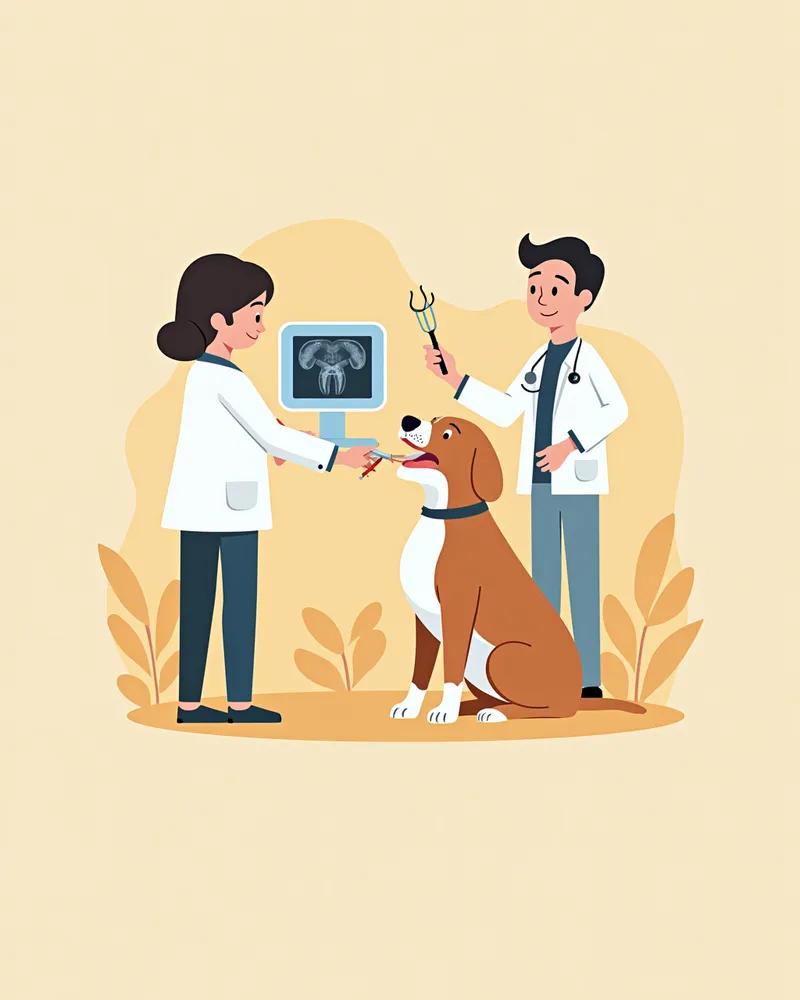
Dental issues in dogs are often difficult to detect visually, making an accurate diagnosis essential. - Oral Examination: The veterinarian directly inspects the teeth and gums, checking for signs of pain or bleeding. However, because a comprehensive assessment is challenging while the dog is conscious, examinations and probing under anesthesia provide the most accurate results. - X-ray Imaging: Damage beneath the tooth roots and destruction of periodontal tissues are not visible to the naked eye, so they must be evaluated precisely through X-rays. Lesions below the gumline are particularly difficult to identify without radiographic imaging. - Accurate Diagnosis: X-rays allow for a comprehensive understanding of the dental condition, enabling the development of an appropriate treatment plan. The treatment approach varies depending on the severity of the periodontal disease. - Establishing Treatment Criteria: Based on the diagnostic findings, treatments such as tartar removal, tooth extraction, or antibiotic prescriptions are determined. Effective treatment is difficult to achieve without an accurate diagnosis.
A veterinarian examining a puppy's teeth.

Treatment Is Conducted in Stages, and Treats and Chews Are Adjuncts

Treatment for your dog’s dental issues typically begins with general anesthesia. - Tartar removal under anesthesia: Tartar on the tooth surfaces and below the gumline is thoroughly removed and polished using ultrasonic instruments and other tools. Precise tartar removal is difficult to achieve without anesthesia. - Tooth extraction when necessary: Severely damaged or loose teeth are extracted to relieve pain and prevent the spread of infection. Teeth affected by advanced periodontal disease are either extracted or managed with periodontal procedures, depending on the veterinarian’s assessment. - Medication: When needed, medications such as antibiotics may be used to reduce inflammation and the risk of infection, supporting the healing process. - Supportive care: After treatment, dental preventive treats or chews can help slow down tartar reformation. However, these are not a substitute for brushing, and consistent care remains essential. - Ongoing maintenance: The key is not a short-term fix, but lifelong, consistent care. A healthy mouth is maintained through long-term dedication and effort.
A puppy recovering after dental treatment

Consistent Habits Are Key to Dental Care at Home

Maintaining your dog’s dental health requires consistent daily care habits. - Daily brushing: Brushing one to two times a day is the most effective approach, but if that’s challenging, you can supplement with dental treats or chews. Brushing remains the best way to remove plaque. Never use human toothpaste, as it can be harmful if swallowed. - Provide chewing opportunities: Instead of offering only soft foods, include items your dog can chew to help manage tartar and support gum health. However, avoid excessively hard objects, which can damage teeth. - Regular check-ups: Routine oral examinations with your veterinarian are essential. Professional assessments are necessary alongside your daily home care. - Use supplementary tools: Dental treats and chews can complement brushing, but their effectiveness is limited and they cannot replace brushing. - Ongoing attention: Dental care is not a short-term task but a lifelong habit. A healthy mouth results from consistent, long-term effort.
A guardian brushing their dog’s teeth

Certain Breeds Are More Vulnerable to Dental Issues

Small breeds like terriers, dachshunds, and Shih Tzus, as well as brachycephalic breeds, have small, tightly packed teeth that make them prone to rapid tartar buildup and fast-progressing periodontal disease. These breeds require regular dental check-ups and care starting as early as 6 to 9 months of age. It’s important to consult with your veterinarian to develop a personalized dental care plan. Some small and brachycephalic breeds are especially susceptible to periodontal disease, and without early intervention, they can develop severe oral lesions.

Reviewed by a veterinarian

Dr. Tony — Punnawat Phongkittirak

Dr. Tony — Punnawat Phongkittirak

Veterinarian

A veterinarian who majored in veterinary medicine at Khon Kaen University, Thailand, and completed the IVSA program at North Carolina State University in the United States. Drawing on clinical experience at animal hospitals, he works in the pet healthcare field and is dedicated to building a digital care environment that connects pet parents with veterinarians.

Frequently Asked Questions

Is it safe to give my dog dental prevention treats every day?
Depending on the type and composition of the treat, it may be possible to feed it more than once a day. However, to avoid excessive calorie intake or gastrointestinal issues, always check the product’s recommended serving size and consult your veterinarian.
Is brushing more effective than treats?
Proper brushing is the most effective way to remove plaque. Treats are only a supplementary aid, so brushing should never be skipped. Ideally, both should be used together.
What should I do if my dog swallows a treat whole while eating it?
If treats are too small or crumbly, they can pose a choking hazard. Always choose products appropriate for your dog’s size and supervise them while they’re eating.
Can dental preventive treats make teeth stronger?
Treats don’t strengthen teeth themselves, but they help inhibit tartar buildup and support gum health. Good dental health requires a combination of proper nutrition and regular care.
What should I do if my pet’s bad breath gets worse after eating treats?
Bad breath can be a sign of tartar buildup or periodontal disease. If your pet’s breath smells bad after eating treats, it’s a good idea to have them examined by a veterinarian.

Share

Related Guides

References

[1] Rawlings, J.M., Gorrel, C., and Markwell, P.J. (1998). Effect on canine oral health of adding chlorhexidine to a dental hygiene chew. J. Vet. Dent. 15 (3): 129–134.

[2] Harvey, C.E., et al. (1996). The effect of chewing activity on oral health in dogs. J. Small Anim. Pract. 38 (4): 147–151.

[3] Ingham, S., et al. (2002). Effect of Hill’s Prescription Diet t/d on plaque and gingivitis in dogs. Am. J. Vet. Res. 63 (4): 617–622.

This information is based on veterinary literature and does not replace diagnosis or treatment. Please consult a veterinarian for specific health concerns.

Metapet Co., Ltd. | CEO: Park Sung-yong | Business Reg. No. 417-88-02562 | Seoul, South Korea | Customer Center

Dog Dental Treats & Chews: Benefits, Risks & How to Use | Meongsiljang