Like
Share
멍실장
강아지 항문주위선 종양 증상과 원인, 진단·치료와 관리 포인트 총정리

If You Feel a Lump Near Your Dog’s Anus — Symptoms and Treatment Points for Perianal Gland Tumors

Oncology/CancerDiseasesMeongsiljang Veterinary Advisory Board

Perianal gland tumors in dogs are benign or malignant growths that arise from the glandular cells around the anus, and they are most commonly seen in middle-aged and older male dogs. Early detection and appropriate treatment are key.

What Are Perianal Gland Tumors in Dogs?

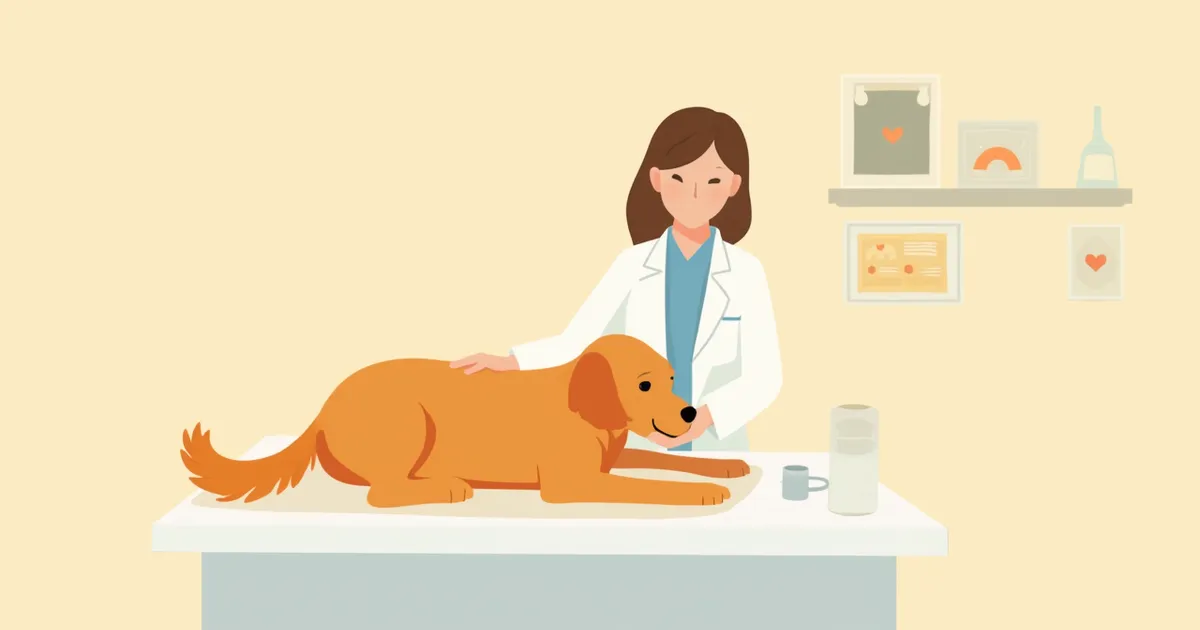
A puppy with a small tumor around the anus
Perianal gland tumors in dogs arise from the glandular cells surrounding the anus and are most commonly seen in middle-aged to senior male dogs. These tumors can be either benign or malignant. In the early stages, they are typically small and asymptomatic, but as they grow, they can cause difficulty defecating or pain. - Perianal tumors: Small lumps may form, which can develop into swelling or bleeding over time. - Benign tumors: Most can be treated successfully with complete surgical removal. - Malignant tumors: These can rapidly invade surrounding tissues or metastasize, making early diagnosis essential. Early detection significantly improves treatment success rates, so careful observation by pet owners is crucial.

What Are the Main Causes of Perianal Gland Tumors?
While the exact cause of perianal gland tumors remains unclear, veterinary textbooks consistently highlight several key contributing factors. - Influence of male hormones (androgens): The growth of perianal gland tumors (those arising from hepatoid or hepatocellular glands) is stimulated by androgens. Consequently, intact males have a higher risk of developing these tumors, and in some cases, the tumors may shrink after castration. - Sex and age: These tumors are most commonly seen in older, intact males. They are also reported more frequently in intact females than in spayed females. - Breed predisposition: There is no clearly established breed predisposition for perianal gland tumors. However, some studies suggest that Golden Retrievers, Cocker Spaniels, and German Shepherds may be predisposed to certain types of skin appendage tumors. - Tumor nature: Most perianal gland tumors are benign (adenomas), but it is also known that benign tumors can rarely become malignant. Since hormones and age are the primary factors, whether a pet is neutered and regular monitoring by the owner play important roles in preventive care.
A veterinarian examining the area around a puppy's anus.

Check for Key Symptoms and Signs

Perianal gland tumors in dogs are often hard to spot in the early stages, but there are subtle signs that gradually appear. Recognizing these frequently overlooked symptoms is key to early intervention.
Perianal mass: A small lump may form, which can grow larger, become red, or even bleed.
Difficulty defecating: If the tumor obstructs the anus, your dog may experience pain or struggle during bowel movements.
Increased scratching or licking: You may notice your dog repeatedly licking or scratching around the anal area.
Bleeding or discharge: If the tumor ruptures or becomes inflamed, blood or mucus may be released.
Restless behavior: Pain or discomfort may cause your dog to pace, whine, or show signs of anxiety.
If these symptoms persist, it’s important to visit the vet immediately.
A puppy showing signs of discomfort while trying to defecate

When to Seek Immediate Veterinary Care

If you notice bleeding around the anus, rapid tumor growth, or severe pain during defecation, seek veterinary care immediately. These signs may indicate a malignant tumor, and early treatment can be life-saving.

Diagnostic Tests for an Accurate Diagnosis
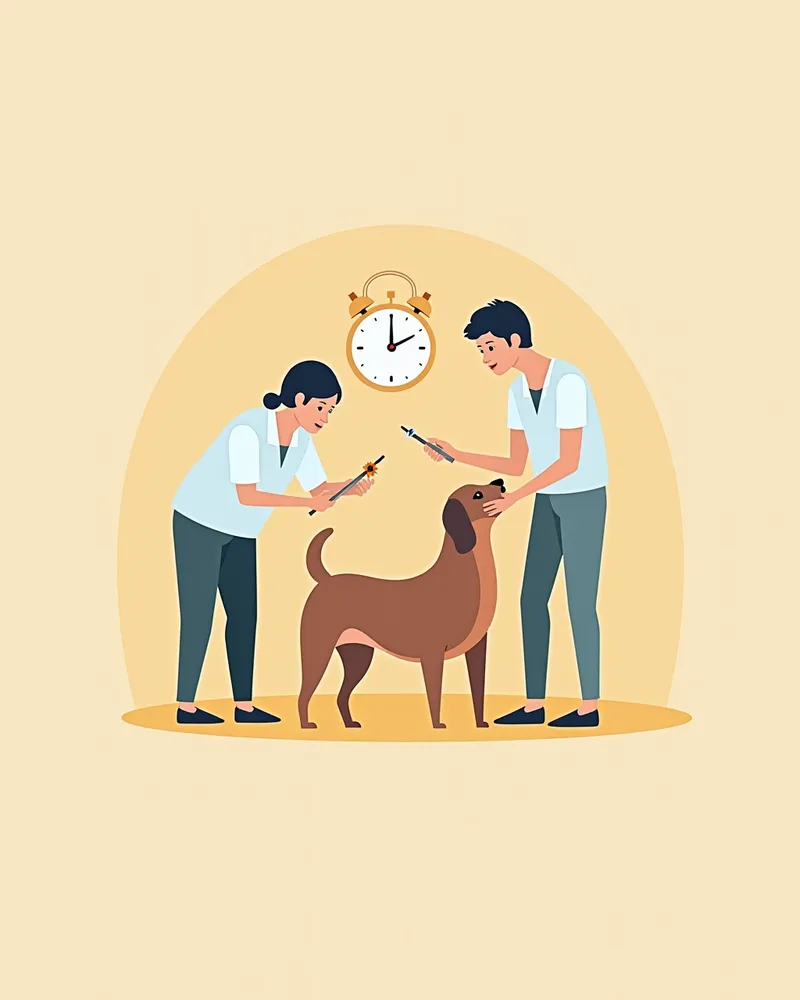
An accurate diagnosis of perianal gland tumors requires a combination of several tests. - Physical examination: The veterinarian directly examines the area around the anus to assess the size and nature of the tumor. - Tissue biopsy: A portion of the tumor is removed and analyzed at the cellular level to determine whether it is benign or malignant. - Ultrasound: This helps evaluate the depth of the tumor and whether it has invaded surrounding tissues. - CT or MRI scans: These imaging techniques allow for precise detection of metastasis in malignant tumors. - Blood tests: These assess overall health and organ function, such as liver function, to help formulate a treatment plan. Together, these tests enable us to determine the nature of the tumor and the appropriate direction for treatment.
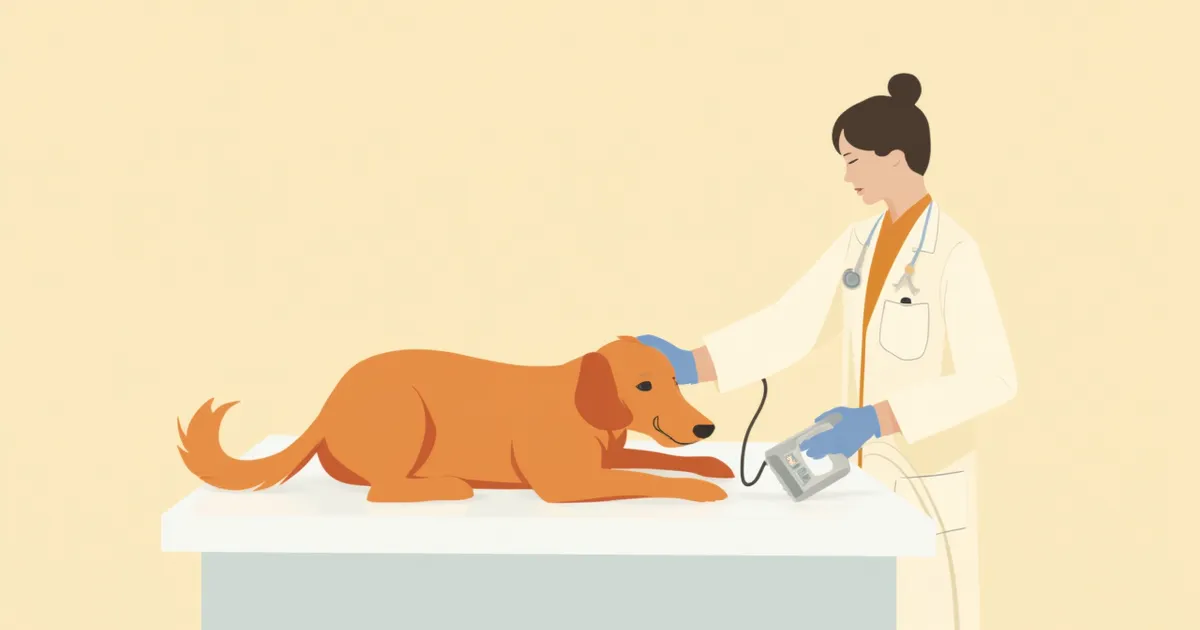
A veterinarian taking a tissue sample from a dog's anal tumor

Treatment Options and Step-by-Step Approach

Treatment for perianal gland tumors varies depending on the tumor’s nature (benign or malignant), size, and the patient’s sex. - Neutering (castration): Perianal gland adenomas in male dogs are influenced by androgens, so neutering often causes the tumor to shrink. As a result, it is considered an important treatment option for males. - Surgical treatment: This involves surgically removing the tumor. If the tumor is benign, complete removal can lead to a cure. Neutering may be performed at the same time, as needed. - Radiation therapy: Radiation therapy is also known to be effective for perianal gland adenomas. - Malignant cases (adenocarcinoma): These tumors can metastasize to lymph nodes, lungs, liver, and other organs. Therefore, additional treatments beyond surgery should be carefully considered, and regular monitoring for metastasis is essential. - Pain and infection management, and recurrence monitoring: Post-surgical care includes pain relief and infection prevention. Regular check-ups are necessary to continuously monitor for recurrence. Early treatment and consistent care are key to recovery.
A puppy recovering after surgery

Home Care and Precautions

To help your dog recover after surgery, careful and attentive care is essential. - Keep the surgical site clean: Check the area daily and visit the clinic immediately if you notice any signs of infection, such as redness, pus, or odor. - Administer antibiotics as prescribed: Giving antibiotics exactly as directed by your veterinarian helps reduce the risk of infection. - Adjust diet: Offer soft, easily digestible food to minimize discomfort during bowel movements. - Limit activity: Avoid strenuous exercise during the initial recovery period and keep walks short. - Schedule regular follow-up visits: Have your dog checked every 1 to 3 months after surgery to monitor for recurrence. Your consistent attention and observation play a vital role in a smooth recovery.
A puppy recovering after surgery, resting comfortably.

Preventing Post-Surgical Recurrence and Breed Considerations

Perianal gland tumors are more common in older male dogs, particularly those that are intact. In contrast, there is no clearly established breed predisposition for this type of tumor, so it is more important to pay attention to factors such as sex, age, and neuter status rather than focusing on specific breeds. Even after surgery or neutering, regular check-ups are essential to monitor for recurrence, and early detection is key to effective management.

Reviewed by a veterinarian

Dr. Tony — Punnawat Phongkittirak

Dr. Tony — Punnawat Phongkittirak

Veterinarian

A veterinarian who majored in veterinary medicine at Khon Kaen University, Thailand, and completed the IVSA program at North Carolina State University in the United States. Drawing on clinical experience at animal hospitals, he works in the pet healthcare field and is dedicated to building a digital care environment that connects pet parents with veterinarians.

Frequently Asked Questions

Are anal gland tumors malignant?
Not all perianal gland tumors are malignant. The most common type is the benign perianal gland adenoma, while malignant adenocarcinoma is rarely reported. However, since benign tumors can occasionally become malignant, it is best to confirm the diagnosis through a biopsy (histopathological examination).
Can a dog's tumor come back after surgery?
While there is a possibility of recurrence after surgery, early detection and proper care can help prevent it. Regular check-ups are essential.
Are anal gland tumors more common in certain breeds?
There is no clearly established breed predisposition for anal gland tumors. Rather, they are more commonly seen in intact, older male dogs, and are known to be strongly influenced by androgens (male hormones).
What preparations are needed before surgery?
Following your veterinarian’s instructions, your pet will undergo blood tests, a cardiac evaluation, and a pre-anesthetic assessment, and will need to fast before surgery.
Should a tumor be surgically removed even if it’s small?
Even small tumors can be malignant, so early removal is safer. It’s best to discuss with your veterinarian before making a decision.

Comparison of Benign vs. Malignant Perianal Gland Tumors

ItemBenign TumorMalignant Tumor
Growth RateSlowFast
Invasion/MetastasisNoneCan invade nearby tissue and metastasize to lymph nodes, lungs, liver, etc.
Likelihood of RecurrenceLowHigh
Treatment MethodSurgical excision or neutering (castration)Consider additional treatment such as surgery and radiation; metastasis check needed

Accurate differentiation must be made through a biopsy (pathological examination). The likelihood of malignancy (adenocarcinoma) is low, but early management is important.

Share

Related Guides

References

[1] Veterinary Surgical Oncology, 2nd Ed. W.B. Saunders, 2002.

[2] Plumb's Veterinary Drug Handbook, 9th Ed. Wiley-Blackwell, 2021.

[3] Textbook of Veterinary Internal Medicine, 8th Ed. Elsevier, 2017.

This information is based on veterinary literature and does not replace diagnosis or treatment. Please consult a veterinarian for specific health concerns.

Metapet Co., Ltd. | CEO: Park Sung-yong | Business Reg. No. 417-88-02562 | Seoul, South Korea | Customer Center

Lump Near Your Dog's Anus? Perianal Gland Tumor Signs & Care | Meongsiljang