Like
Share
멍실장
고양이 담낭염·담낭 질환 증상과 원인, 진단·치료와 관리 포인트 총정리

If Your Cat Keeps Vomiting and Is Lethargic — Symptoms, Causes, and Treatment Timing for Cholecystitis

Liver HealthDiseasesMeongsiljang Veterinary Advisory Board

Feline cholecystitis is an inflammation of the gallbladder, characterized by symptoms such as vomiting, loss of appetite, and abdominal pain. Early diagnosis and proper management are essential.

Feline Cholecystitis Is an Inflammation of the Gallbladder
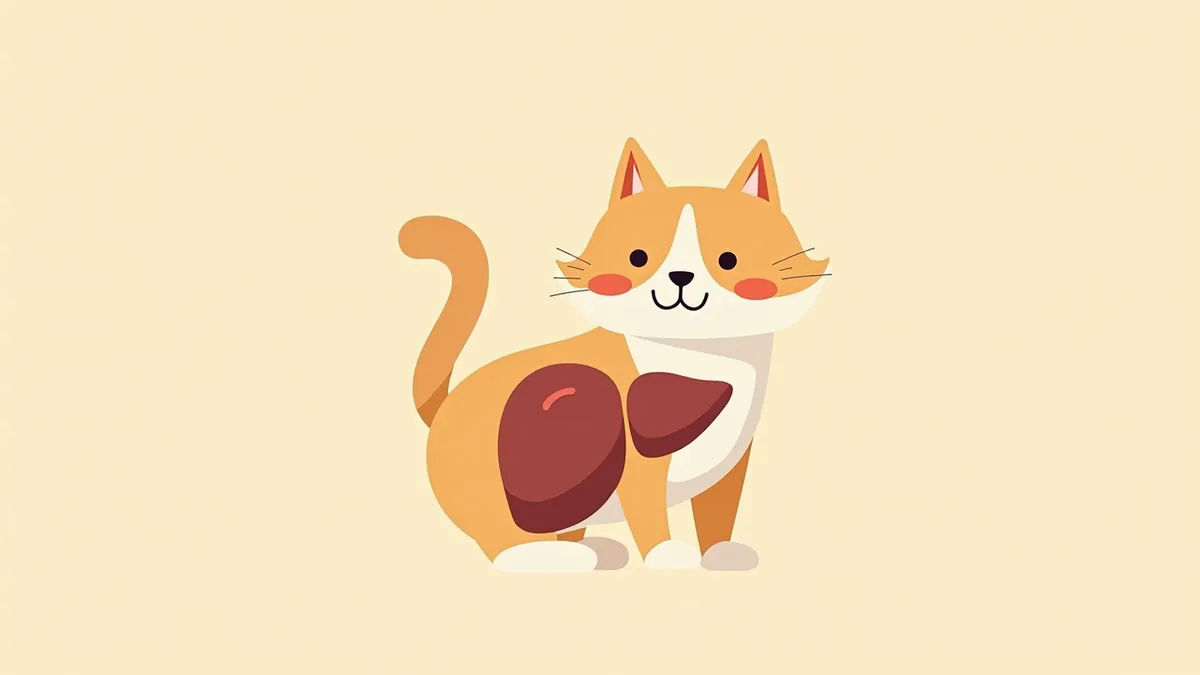
Anatomical diagram of a cat’s liver and gallbladder
Feline cholecystitis is a condition in which the gallbladder, responsible for storing and concentrating bile produced by the liver, becomes inflamed. It can present as neutrophilic or lymphoplasmacytic cholecystitis and often occurs concurrently with other inflammatory conditions in cats. - Biliary stasis and duct obstruction: Impaired bile flow or blockage of the bile ducts causes the gallbladder to distend, placing stress on the liver and biliary system. - Inflammatory response: Thickening and swelling of the gallbladder wall can cause pain, leading to lethargy, decreased appetite, and vomiting. - Association with underlying diseases: Cholecystitis frequently coexists with pancreatitis, cholangiohepatitis, or hepatic lipidosis, so these conditions should be evaluated together. Early detection and appropriate management are key.

Main Causes Include Gallstones, Inflammation, and Underlying Conditions
Feline cholecystitis rarely stems from a single cause; it more commonly occurs in conjunction with other inflammatory conditions. In cats, it is frequently associated with pancreatitis, cholangiohepatitis, and hepatic lipidosis, which can obstruct bile flow and lead to inflammation of the gallbladder. - Concurrent inflammatory diseases: Conditions such as pancreatitis, cholangiohepatitis, and hepatic lipidosis can disrupt bile circulation and trigger gallbladder inflammation. - Gallstones (cholelithiasis): When bile components crystallize into gallstones, they can block the gallbladder or bile ducts, causing inflammation and obstruction. - Bile stasis and obstruction: If bile is not properly expelled, the gallbladder may distend, increasing susceptibility to bacterial infection. - Histological types: Cholecystitis is classified into neutrophilic and lymphoplasmacytic forms, and these factors can often interact in a complex manner.
A cat showing signs of stress while eating

Main Symptoms and Signs Are as Follows
Symptoms of feline cholecystitis are generally nonspecific and may include lethargy, loss of appetite, vomiting, abdominal pain, and weight loss. Because these signs overlap with other gastrointestinal and hepatobiliary diseases, it is often difficult to distinguish cholecystitis based on symptoms alone. - Jaundice: If there is bile stasis or biliary obstruction, the skin and eyes may turn yellow (hyperbilirubinemia), indicating abnormal liver or biliary tract function. - Decreased activity: Your cat may appear sleepy, move less, or show indifference to play activities they usually enjoy. - Abdominal sensitivity: Some cats may react or withdraw when their abdomen is touched, but others may not show obvious signs of pain, so careful observation is essential. Early detection is important.
A cat showing signs of abdominal pain

Signs Requiring Immediate Veterinary Visit

If your cat is vomiting persistently, has a hard and painful abdomen, or shows signs of severe jaundice or a complete loss of appetite, these could be signs of a serious condition. Such symptoms may indicate gallbladder rupture or declining liver function, so prompt veterinary care is essential.

Diagnosis Is Performed via Ultrasound, Blood Tests, and Blood Chemistry Tests
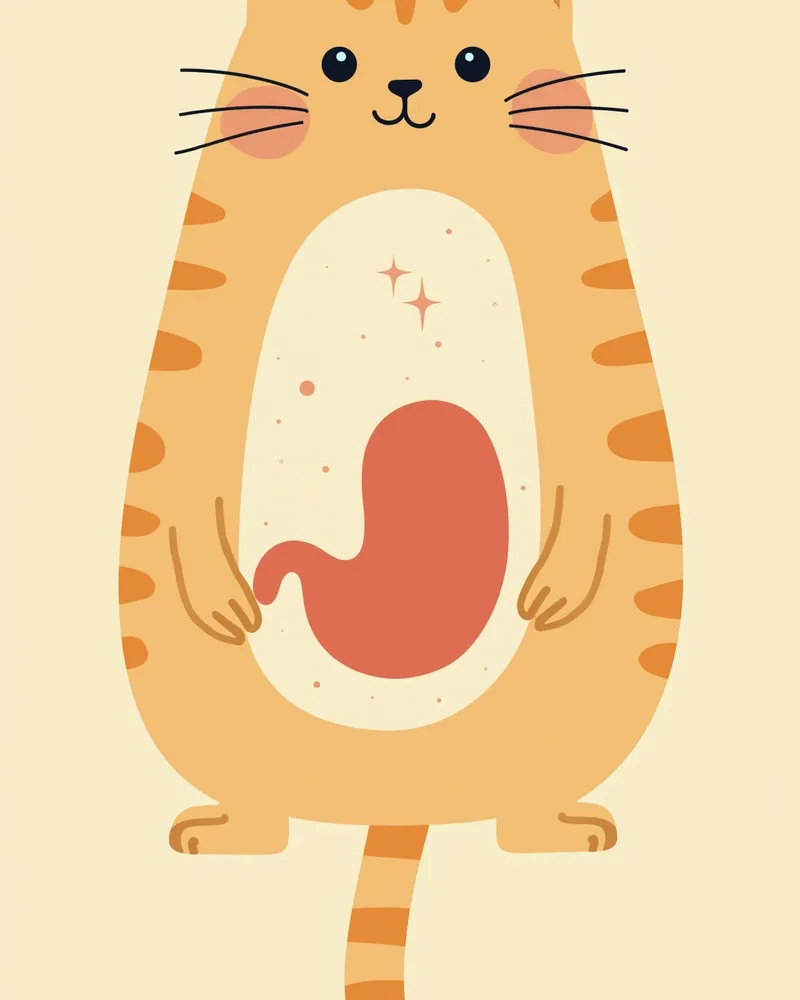
Because feline cholecystitis presents with non-specific clinical signs, it is essential to confirm the gallbladder as the site of disease by integrating findings from abdominal ultrasound and blood tests. - Ultrasound findings: Cholecystitis is suspected if the gallbladder wall appears thickened or edematous, the bile becomes turbid (echogenic bile), the gallbladder is distended, or gallstones are visible. However, ultrasound results may sometimes appear normal. - Blood test results: Hepatobiliary enzymes such as ALT, AST, ALP, and GGT are elevated. If bile stasis is present, bilirubin and cholesterol levels may also increase. - Basic tests: A complete blood count (CBC), serum chemistry panel, and urinalysis are performed together to comprehensively evaluate the cat’s systemic condition and inflammation. - Bile aspiration and biopsy: Ultrasound-guided gallbladder aspiration or biopsy can identify causative pathogens and assess tissue changes. Multiple diagnostic tests are typically used in combination to ensure an accurate diagnosis.
Abdominal ultrasound image of a cat

Treatment Methods Are Divided into Medication, Dietary Management, and Surgery
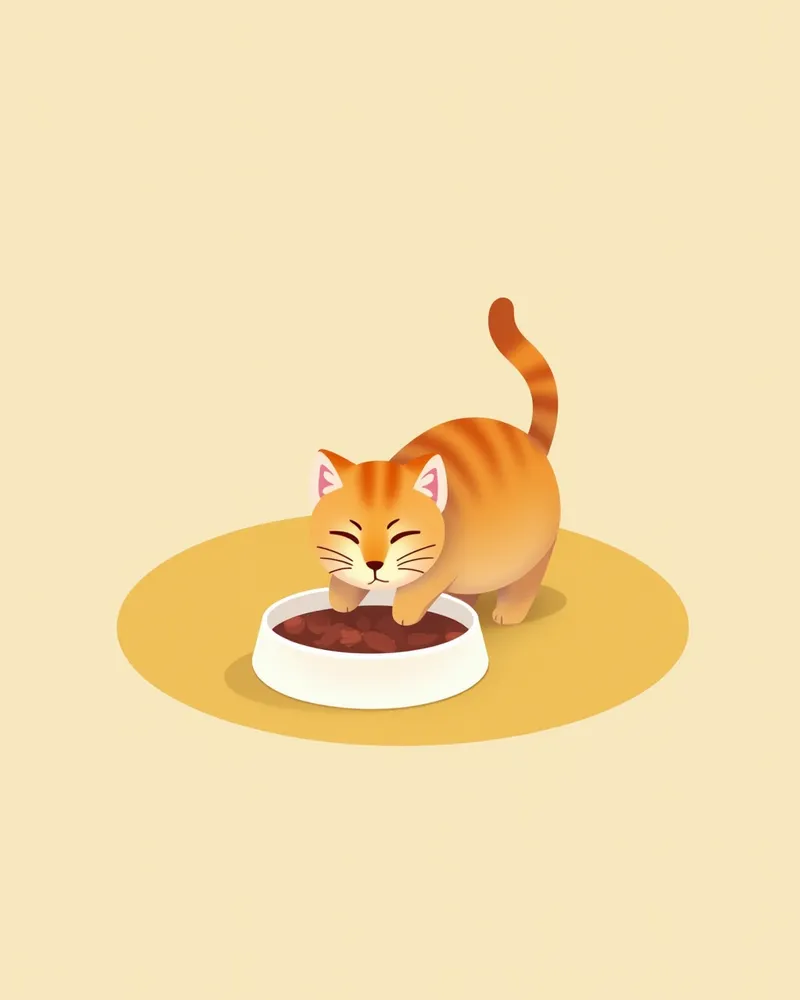
Treatment for feline cholecystitis varies depending on the underlying cause and severity, and it is important to manage any concurrent conditions. - Medical treatment: If a bacterial infection is suspected, antibiotics are administered, typically for at least 4–6 weeks based on culture results. Pain management, fluid therapy, and nutritional support are also provided. - Management of concurrent diseases: Treating coexisting conditions such as pancreatitis, cholangiohepatitis, and hepatic lipidosis is essential for recovery. - Surgical intervention: In severe cases, such as bile duct obstruction or gallbladder rupture and necrosis, cholecystectomy may be considered. - Nutritional management: If the cat refuses to eat due to loss of appetite, nutritional support via a nasogastric or esophagostomy tube helps reduce the burden on the liver. - Prevention of recurrence: Regular check-ups to monitor the cat’s condition are important even after treatment.
A cat eating special diet food

Home Management Key Points: Diet, Stress Management, and Regular Check-ups
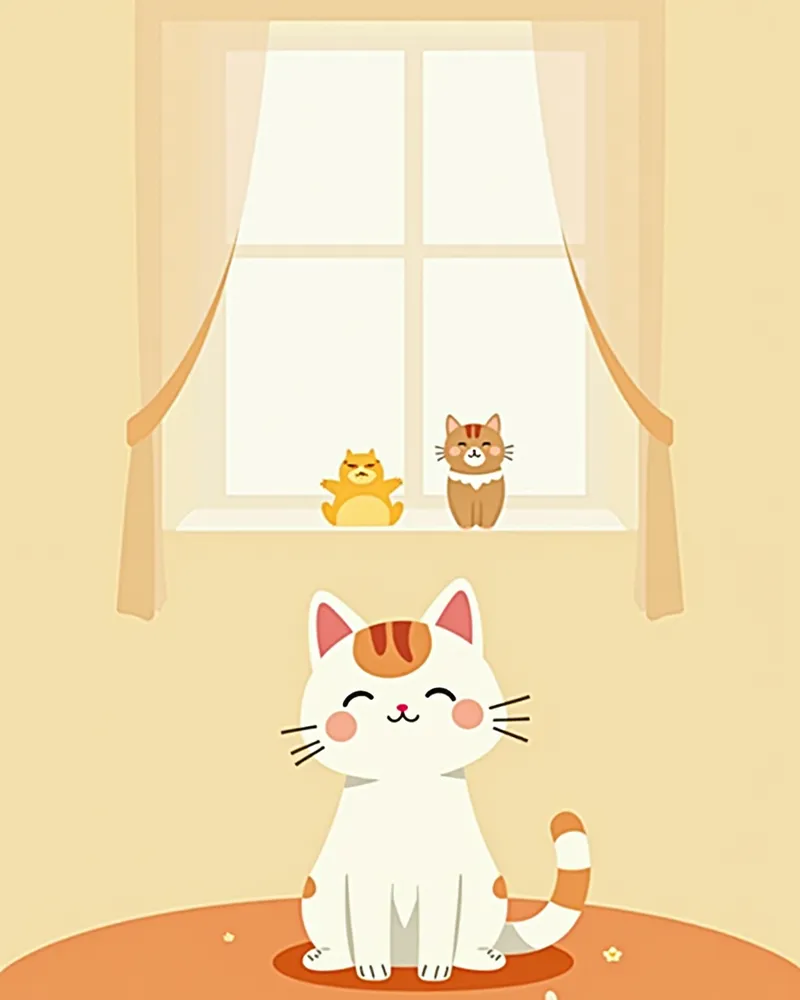
Feline cholecystitis is a condition with a high risk of recurrence, making careful home management and observation essential. - Dietary Management: Consult your veterinarian to provide easily digestible food in small, regular meals, and closely monitor any changes in appetite or food intake. - Stress Reduction: Minimize sudden environmental changes and provide a quiet, stable space for your cat to rest. - Regular Check-ups: Monitor your cat’s condition through blood tests and ultrasounds at the intervals recommended by your veterinary clinic. - Management of Comorbidities: If underlying conditions such as pancreatitis or liver disease are present, manage them consistently alongside the cholecystitis. - Owner Observation: Keep a consistent record of symptoms such as vomiting, changes in appetite, jaundice, and decreased activity levels, and share this information with your veterinarian during visits.
A cat resting comfortably in a calm, stable environment

Breed-Specific Precautions and Tips for Preventing Recurrence

While it’s difficult to pinpoint the risk of cholecystitis by breed, older cats require closer attention to liver and biliary tract health. To prevent recurrence, regular health check-ups, proper weight management, and consistent care for any concurrent conditions such as pancreatitis or cholangiohepatitis are essential.

Reviewed by a veterinarian

Dr. Tony — Punnawat Phongkittirak

Dr. Tony — Punnawat Phongkittirak

Veterinarian

A veterinarian who majored in veterinary medicine at Khon Kaen University, Thailand, and completed the IVSA program at North Carolina State University in the United States. Drawing on clinical experience at animal hospitals, he works in the pet healthcare field and is dedicated to building a digital care environment that connects pet parents with veterinarians.

Frequently Asked Questions

Can feline cholecystitis be treated?
Yes, with early diagnosis and appropriate treatment, the condition can be stabilized. If an infection is present, a full course of antibiotics is necessary, and in severe cases, surgery such as a cholecystectomy may be required. Any concurrent conditions must also be treated simultaneously.
What foods are best for a cat with cholecystitis?
Instead of sticking to a single, fixed diet, it’s better to consult with your veterinarian and offer small, easily digestible meals at regular intervals. If your pet’s appetite has decreased, also discuss nutritional supplementation options with your vet.
Can cholecystitis recur?
Yes, cats with concurrent conditions such as pancreatitis or cholangiohepatitis are at a higher risk of recurrence. Regular check-ups and proper management of these underlying conditions are essential.
Can I take my cat for a walk if it has cholecystitis?
Prioritize rest over walks. Reducing activity levels and minimizing stress will help.
Is an ultrasound alone sufficient for diagnosing cholecystitis?
While ultrasound is the primary diagnostic tool, it’s important to also consider blood test results and clinical signs. Since some cases may appear normal on ultrasound, a comprehensive evaluation is necessary.

Comparison of Management Methods by Stage of Cholecystitis Treatment

ItemMain SymptomsMain Treatment MethodsPrognosis
MildLoss of appetite, mild vomitingDrug treatment, diet and hydration managementGood
ModeratePersistent vomiting, abdominal pain, weight lossAntibiotics, pain relievers, diet and nutrition managementFair
SevereJaundice, complete loss of appetite, abdominal rigiditySurgery, regular checkups, intensive careUncertain

The treatment success rate varies greatly depending on early detection and appropriate management.

Share

Related Guides
References

[1] Greenhalgh SN, Reeve JA, Johnstone T, et al. Long-term survival and quality of life in cats with clinical signs associated with cholelithiasis. J Feline Med Surg. 2015;17(6):511–518.

[2] Sparkes AH, Caney S, Chalhoub S, et al. ISFM consensus guidelines on the diagnosis and management of feline chronic kidney disease. J Fel Med Surg. 2016;18(3):219–239.

[3] Small Animal Critical Care Medicine, 3rd Ed. Elsevier, 2020. Chapter 12: Hepatobiliary Disorders in Cats.

This information is based on veterinary literature and does not replace diagnosis or treatment. Please consult a veterinarian for specific health concerns.

Metapet Co., Ltd. | CEO: Park Sung-yong | Business Reg. No. 417-88-02562 | Seoul, South Korea | Customer Center

Cat Vomiting and Lethargic? Cholecystitis Signs & Treatment | Meongsiljang