Like
Share
멍실장
고양이 담관 간염(고양이) 증상과 원인, 진단·치료와 관리 포인트 총정리

If Your Cat Keeps Vomiting and Has Jaundice — Causes and Treatment Points for Cholangiohepatitis

Liver HealthDiseasesMeongsiljang Veterinary Advisory Board

Feline cholangiohepatitis is a condition characterized by inflammation of the liver and bile ducts, leading to symptoms such as loss of appetite, vomiting, and weight loss. Early diagnosis and appropriate management are essential.

What Is Feline Cholangiohepatitis?
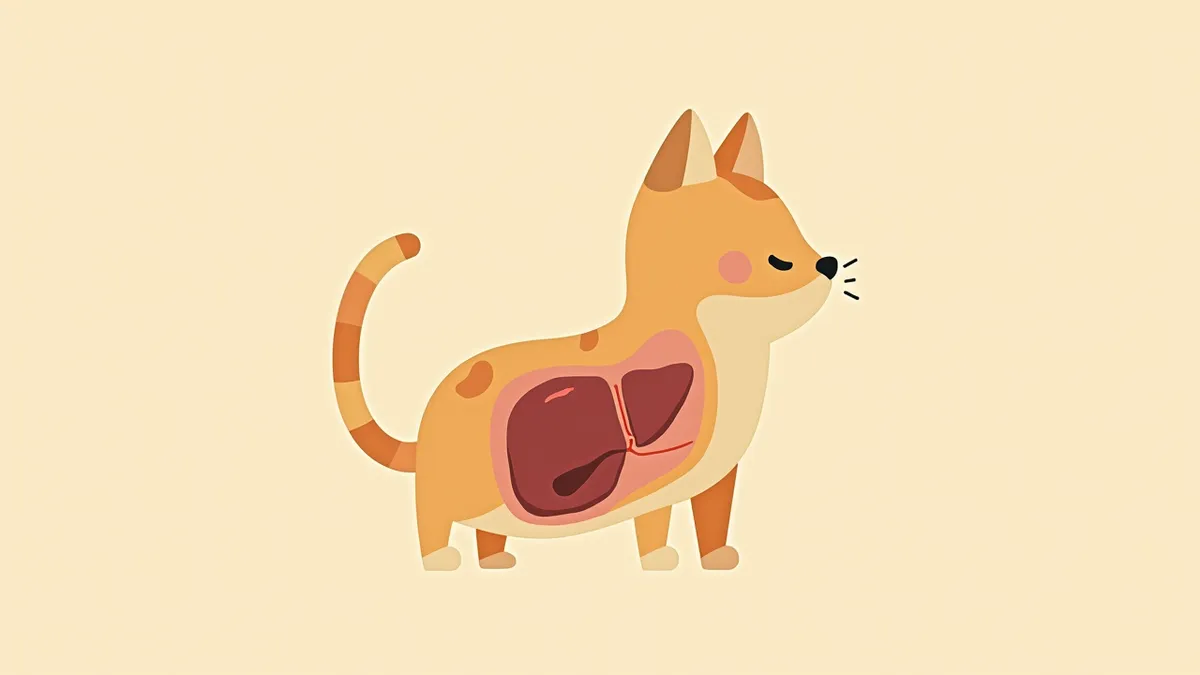
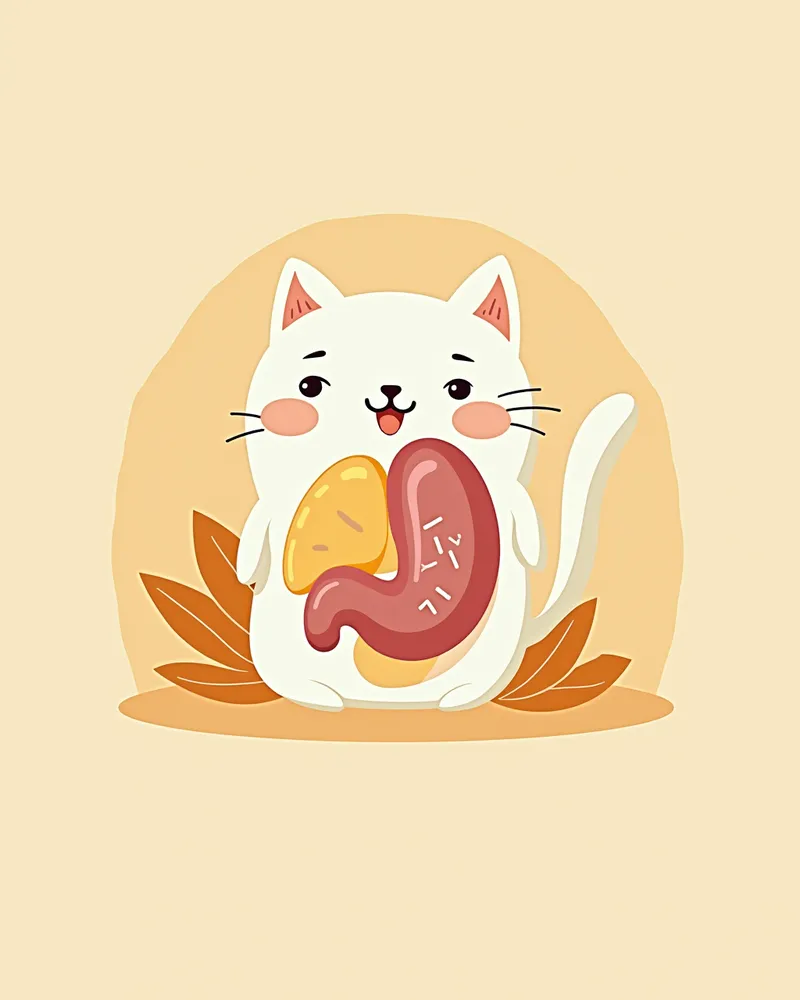
Anatomical structure of the cat's liver and bile ducts, with emphasis on inflamed areas
Feline cholangitis is an inflammatory condition affecting the bile ducts and surrounding liver tissue, and it is one of the primary causes of impaired liver function. The disease is broadly classified into neutrophilic and lymphocytic cholangitis based on the type of inflammatory cells involved, with neutrophilic cholangitis presenting in both acute and chronic forms. Early detection significantly improves treatment outcomes and prognosis. In cats, accurately identifying the specific type of cholangitis is crucial for effective treatment. As inflammation progresses, the liver’s metabolic function declines, and impaired bile excretion can lead to jaundice. Therefore, early diagnosis and appropriate management are essential.

What Are the Main Causes?

The causes of feline cholangitis vary by type. Neutrophilic cholangitis is primarily associated with bacterial infections, and it is known to involve the migration of bacteria from the intestines to the bile ducts. In some regions, chronic cholangitis can be caused by liver fluke infections, such as those from Platynosomum species. Lymphocytic cholangitis is considered to be an immune-mediated process. Thus, bacterial infections, parasitic infections, and immune system abnormalities serve as the main underlying factors, and these conditions can sometimes be accompanied by biliary obstruction that blocks bile flow. Identifying the specific underlying cause is crucial for determining the appropriate treatment approach.
A medical chart summarizing the main causes of feline cholangitis

What Are the Main Symptoms?

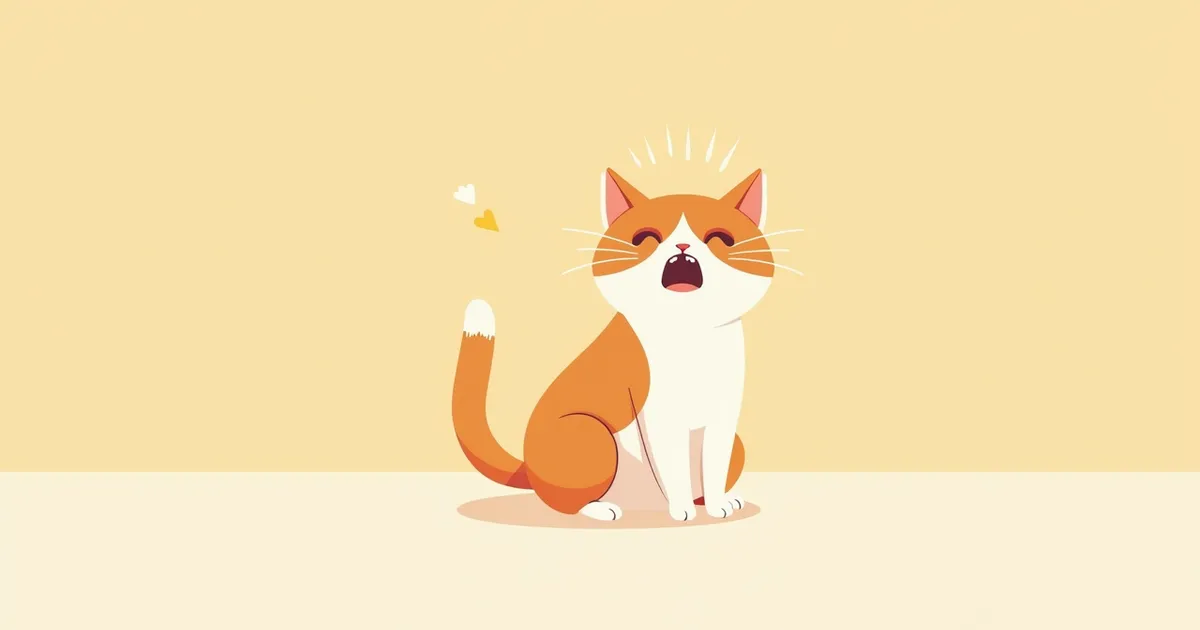
The hallmark signs of feline cholangiohepatitis include loss of appetite, vomiting, weight loss, lethargy, and jaundice (yellowing of the skin, eyes, or gums). In acute suppurative cholangitis, gastrointestinal symptoms such as abdominal pain, dehydration, fever, and diarrhea may also occur. Because these signs are nonspecific and vary among individual cats, owners must carefully monitor their pets’ daily behavior. Loss of appetite and lethargy are common early warning signs. Jaundice is a critical indicator of impaired bile excretion and requires immediate veterinary attention if observed. Early detection is essential for effective treatment and prognosis.
A cat showing suspected symptoms of cholangiohepatitis

Warning Signs That Require an Immediate Vet Visit
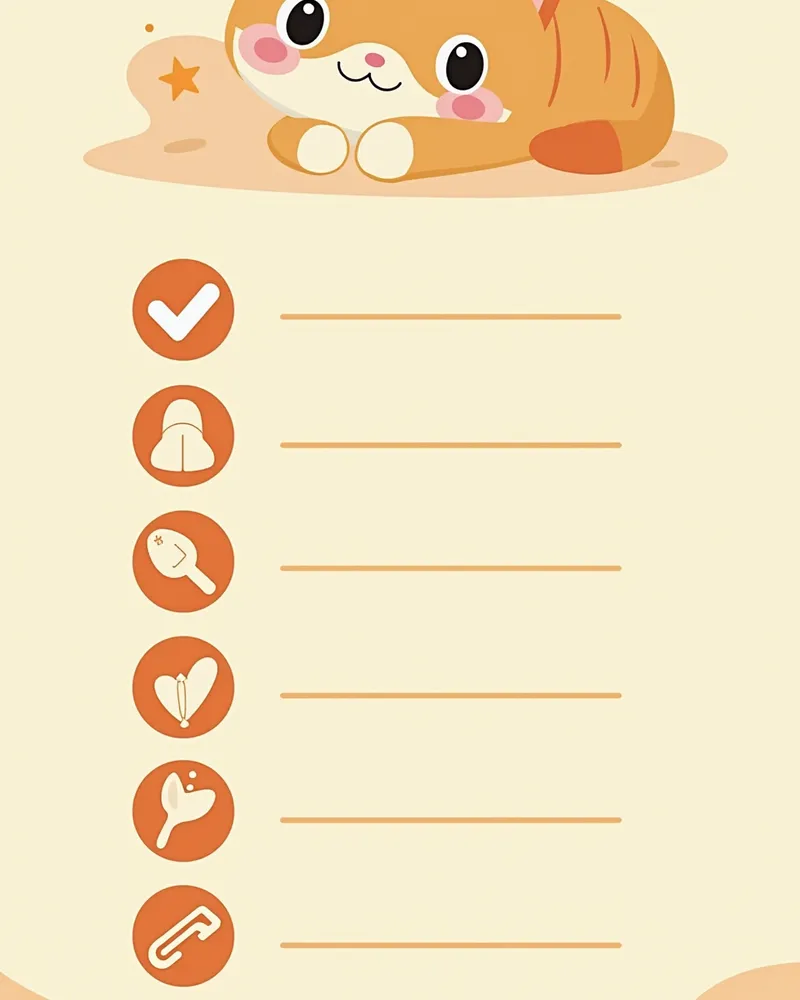
Loss of appetite: Suddenly refuses food or eats only small amounts.
Repeated vomiting: Vomits several times a day, sometimes after eating.
Weight loss: Body weight gradually drops as the reduced appetite continues.
Jaundice: The eyes, gums, and skin may appear yellow.
Drowsiness and lethargy: Activity decreases and the pet stays sluggish all day.
Abdominal pain: Especially in acute cholangitis, the pet may flinch or show discomfort when the belly is touched.
고양이 담관 간염의 주요 증상 6가지 체크리스트

Signals Requiring Immediate Veterinary Visit

Loss of appetite: Your pet may suddenly refuse food or eat only small amounts. Repeated vomiting: Vomiting may occur several times a day or shortly after meals. Weight loss: As the decreased appetite persists, your pet will gradually lose weight. Jaundice: The eyes, gums, and skin may appear yellow. Lethargy and weakness: Activity levels drop, and your pet may seem listless throughout the day. Abdominal pain: Especially in acute cholangitis, your pet may flinch or show signs of discomfort when the abdomen is touched.

Accurate Diagnostic Methods?
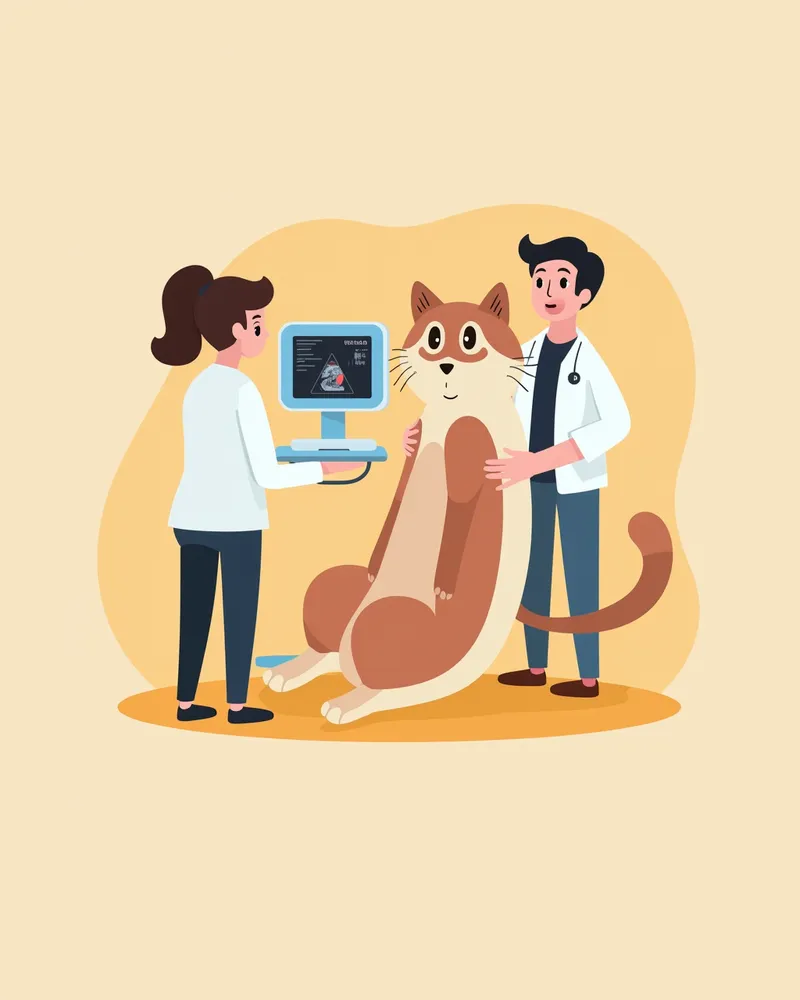
Feline cholangitis is diagnosed through blood tests, ultrasound, and liver biopsy. Blood tests often show elevated liver enzyme levels, but normal or only slightly elevated results do not rule out liver disease. Ultrasound helps identify structural abnormalities in the liver and bile ducts, and bile samples may be collected for cytology and bacterial culture. However, neutrophilic and lymphocytic cholangitis often present with normal ultrasound findings, making liver biopsy essential for a definitive diagnosis. In particular, lymphocytic cholangitis can only be confirmed via liver biopsy. If jaundice is present, it is crucial to check for biliary obstruction.
Ultrasound examination scene for diagnosing feline cholangiohepatitis

Step-by-Step Treatment Methods

Treatment depends on the underlying cause. For neutrophilic cholangitis involving bacterial infection, broad-spectrum antibiotics are typically administered for at least four to six weeks. In cases of lymphocytic cholangitis, immunosuppressants such as prednisolone may be considered, while praziquantel or other anthelmintics are used if liver flukes are the cause. Nutritional support and fluid therapy are also essential; cats with poor appetite may require hospitalization for intravenous fluids or assisted feeding. Treatment can last from several weeks to several months, and progress is monitored through regular blood tests during therapy. It is important to administer medications consistently as directed by your veterinarian.
A hospitalized cat undergoing treatment for cholangitis

Home Care Points

- Nutritional Support: Switch to a high-calorie, easily digestible diet. - Medication Management: Administer medications exactly as directed by your veterinarian. - Environmental Stability: Provide a quiet, low-stress environment to minimize anxiety. - Regular Check-ups: Monitor your pet’s condition with blood tests every one to two months, even after treatment is complete. - Encouraging Hydration: Keep water fresh and place multiple water bowls around the home to encourage drinking. - Daily Monitoring: Record your pet’s appetite, activity level, and elimination habits daily. This helps catch early signs of recurrence.
Creating a stable home environment for managing feline cholangiohepatitis

Preventing Recurrence and Breed Precautions

Feline cholangitis can recur or progress to a chronic state, so it’s important to monitor your cat’s condition with regular health check-ups and blood tests even after treatment is complete. Lymphocytic cholangitis, in particular, requires long-term treatment and management and has a tendency to recur. Avoid sudden dietary changes, and always consult your veterinarian before adjusting your cat’s diet or care routine.

Reviewed by a veterinarian

Dr. Tony — Punnawat Phongkittirak

Dr. Tony — Punnawat Phongkittirak

Veterinarian

A veterinarian who majored in veterinary medicine at Khon Kaen University, Thailand, and completed the IVSA program at North Carolina State University in the United States. Drawing on clinical experience at animal hospitals, he works in the pet healthcare field and is dedicated to building a digital care environment that connects pet parents with veterinarians.

Frequently Asked Questions

Can feline cholangiohepatitis be treated?
While outcomes vary by type, early diagnosis and appropriate treatment often lead to improvement. Neutrophilic cholangitis generally has a favorable prognosis when detected early, whereas lymphocytic cholangitis requires long-term treatment and management, as it may recur or progress.
Is feline cholangitis contagious?
Feline cholangiohepatitis is not known to be a contagious disease that spreads from one cat to another. While bacterial infections can be a cause, it is not considered a condition that is directly transmitted between cats.
Can dietary management help?
Yes, a high-calorie, easily digestible diet can be helpful, and it’s important to maintain adequate caloric intake if your pet’s appetite has decreased. Using a veterinarian-recommended food is a good idea.
What should I do if my pet experiences side effects while taking medication?
If side effects such as vomiting, diarrhea, or loss of appetite occur, contact your veterinarian immediately, as medication adjustments may be necessary.
Is there a high chance of recurrence?
There is a possibility of recurrence. Lymphocytic cholangitis, in particular, can recur or progress, so it's important to reduce the risk through regular check-ups, stress management, and consistent dietary care.

Share

Related Guides

References

[1] The Cat, Clinical Medicine and Management, 2nd Edition, 2018

[2] Small Animal Critical Care Medicine, 3rd Ed, 2020

[3] Feline Hepatic Disease: Diagnosis and Management, Journal of Feline Medicine and Surgery, 2021

This information is based on veterinary literature and does not replace diagnosis or treatment. Please consult a veterinarian for specific health concerns.

Metapet Co., Ltd. | CEO: Park Sung-yong | Business Reg. No. 417-88-02562 | Seoul, South Korea | Customer Center

Cat Vomiting with Jaundice? Cholangiohepatitis Causes & Care | Meongsiljang