

If Your Dog Is Enduring Cancer Pain — Palliative Care and Pain Management Points
Palliative care and pain management are essential for improving the quality of life in dogs suffering from chronic conditions like cancer. It’s important to identify the causes and signs of pain and provide tailored care.
What Is Palliative Care and Pain Management for Dogs?
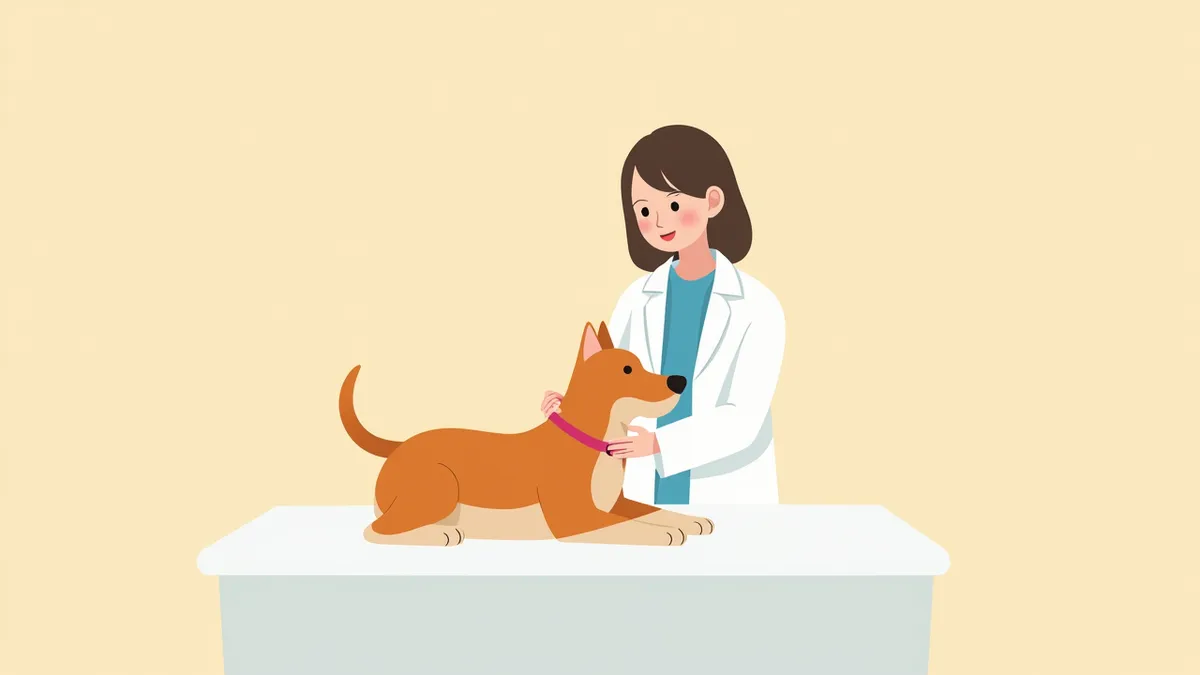
What Are the Main Causes of Pain?

Check for Key Symptoms and Signs

Signs Requiring an Immediate Vet Visit
If your dog suddenly becomes unable to move or cries out in severe pain, you should take them to the vet immediately. Severe acute pain can lead to increased heart rate, rapid breathing (tachypnea), blood vessel constriction, and increased cardiac strain, so prompt action is essential.
Procedures for Accurate Diagnosis
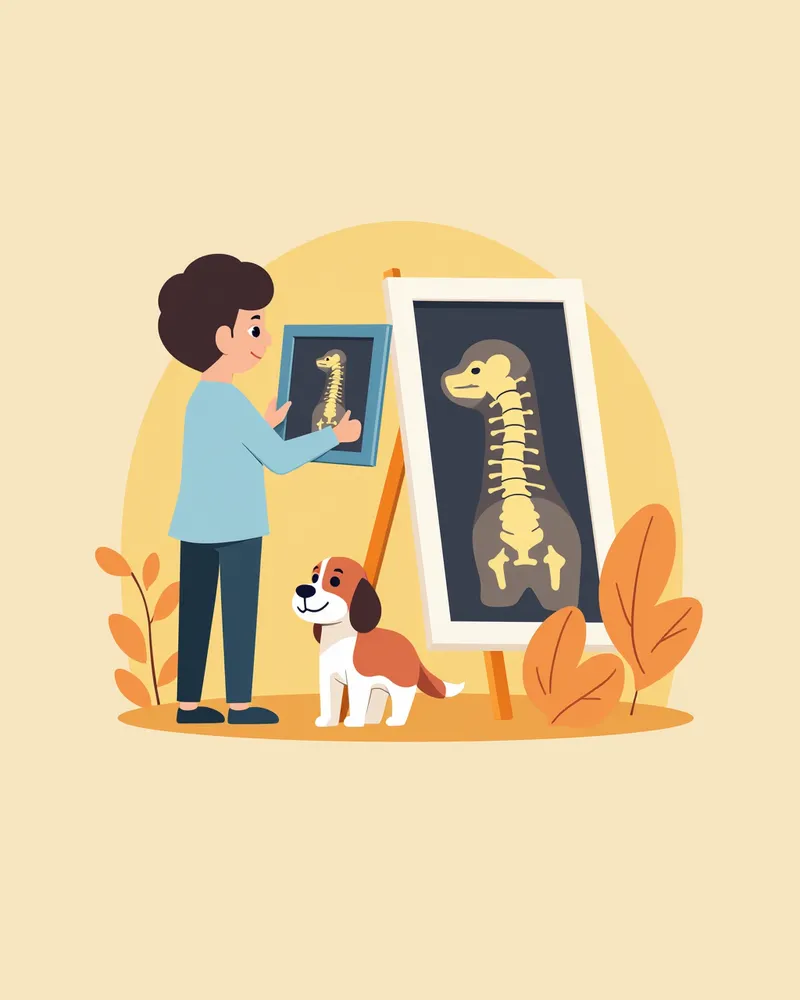
Treatment Methods and Step-by-Step Approach

Management Points at Home

Preventing Recurrence and Breed-Specific Precautions
Because there is a risk of cancer recurrence, regular check-ups and pain monitoring are essential. Breeds predisposed to osteoarthritis or bone diseases (including bone tumors), as well as large and giant breeds, may experience more severe pain, so they require especially careful observation.
Reviewed by a veterinarian

Dr. Tony — Punnawat Phongkittirak
VeterinarianA veterinarian who majored in veterinary medicine at Khon Kaen University, Thailand, and completed the IVSA program at North Carolina State University in the United States. Drawing on clinical experience at animal hospitals, he works in the pet healthcare field and is dedicated to building a digital care environment that connects pet parents with veterinarians.
Reviewed 2026-06-07
Frequently Asked Questions
How can you tell if your dog is in pain?
When should pain medication be given?
Is pain management expensive?
My dog won’t take his medication. What should I do?
When should palliative care begin?
Share
Related Guides

Comprehensive Guide to Recommended Hospice Care and Quality of Life Management for Cats with Tumors

7 Factors Determining Prognosis and Life Expectancy in Dogs with Tumors, According to Veterinarians

7 Criteria Veterinarians Recommend for Choosing Canine Tumor Biopsy and Fine-Needle Aspiration

If Your Dog’s Gums Have Turned Black — Signs of Suspected Oral Melanoma and When to Visit the Vet

Canine Bladder Tumors (Transitional Cell Carcinoma): Symptoms and Treatment Options
Prostate Tumors in Male Dogs — Symptoms and Diagnosis Guide for Senior Dogs

Canine Keratoconjunctivitis Sicca (KCS) — A Guide to Lifelong Artificial Tear Management

Feline FLUTD (Idiopathic Cystitis) — Stress Causes and Environmental Management
Coughing Puppy? Heartworm Disease — Stage 1–4 Symptoms and Melarsomine Treatment

The Complete Guide to Cat Scratch Disease (Bartonella)
References
[1] Henry CJ, Higginbotham ML (2010) Cancer Management in Small Animal Practice. Saunders/Elsevier
[2] Budsberg SC, Torres BT, Kleine SA et al (2018) Lack of effectiveness of tramadol hydrochloride for the treatment of pain and joint dysfunction in dogs with chronic osteoarthritis. J Vet Emerg Crit Care
[3] Mathews, K.A. (2000). Pain assessment and general approach to management. Vet Clin North Am Small Anim Pract. 30(4): 729–755.