
Like
Share
멍실장
강아지 골육종 증상과 원인, 진단·치료와 관리 포인트 총정리

If Your Dog Is Limping — Osteosarcoma Symptoms, Causes, and Treatment Timing

Oncology/CancerDiseasesMeongsiljang Veterinary Advisory Board

Canine osteosarcoma is a malignant tumor that develops in the bones, commonly occurring in medium to large breed dogs, making early detection crucial. Pain and mobility issues are the primary symptoms, and early diagnosis along with appropriate treatment can significantly extend survival time.

Canine Osteosarcoma Is a Malignant Tumor That Develops in the Bones
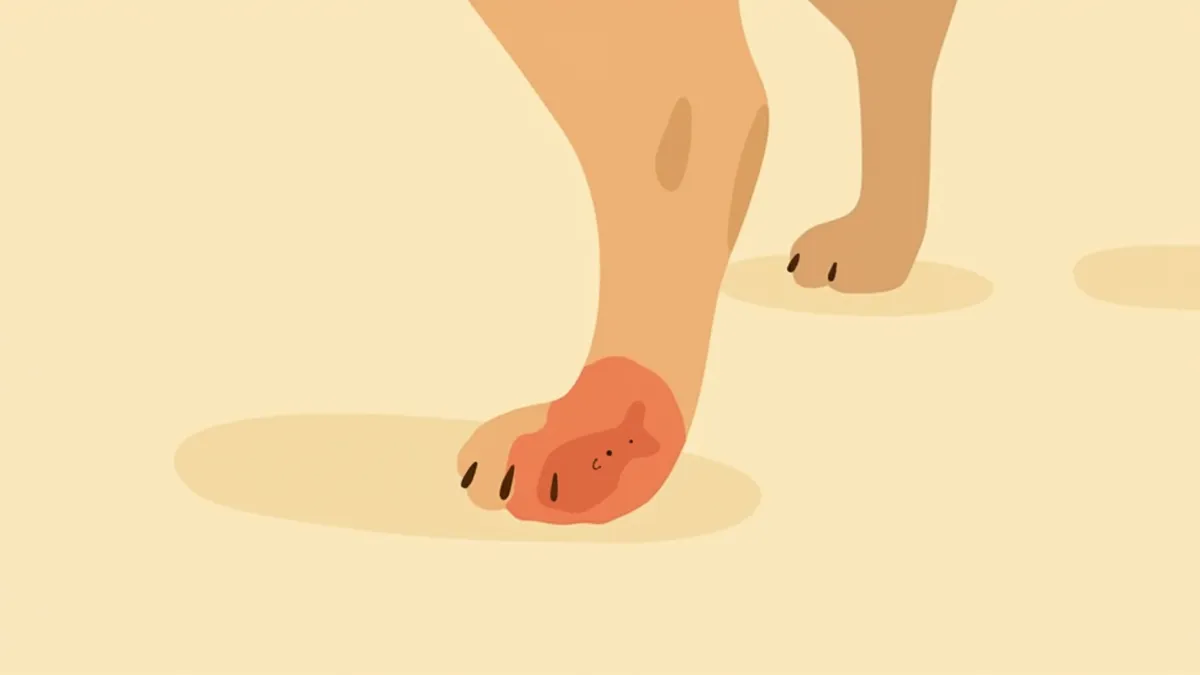
The most common location for osteosarcoma in dogs is the bones of the front legs.
Canine osteosarcoma is the most common primary malignant bone tumor in dogs, accounting for over 95% of all bone tumors in the species, and it predominantly affects large and giant breeds. - Primary sites of occurrence: The tumor most frequently develops in the long bones of the limbs (75–85%), with common locations including the distal radius (forearm bone), humerus, femur, and tibia. It can destroy bone structure, often accompanied by lytic (bone-dissolving) changes. - Characteristics of affected dogs: Osteosarcoma is more common in large-breed dogs. The age of onset varies among individuals, so a veterinarian’s assessment is essential. - Importance of early detection: Early signs such as pain or gait abnormalities can be subtle and easily overlooked. Without treatment, survival is typically limited to a few months or less. However, studies report that combining limb amputation with chemotherapy can approximately double survival time. - Need for accurate diagnosis: A definitive diagnosis requires a veterinarian’s specialized examination and imaging studies (radiographs and CT scans). Timely and appropriate treatment plays a crucial role in improving survival outcomes.

The Main Causes of Osteosarcoma Are Genetic Predisposition and Age
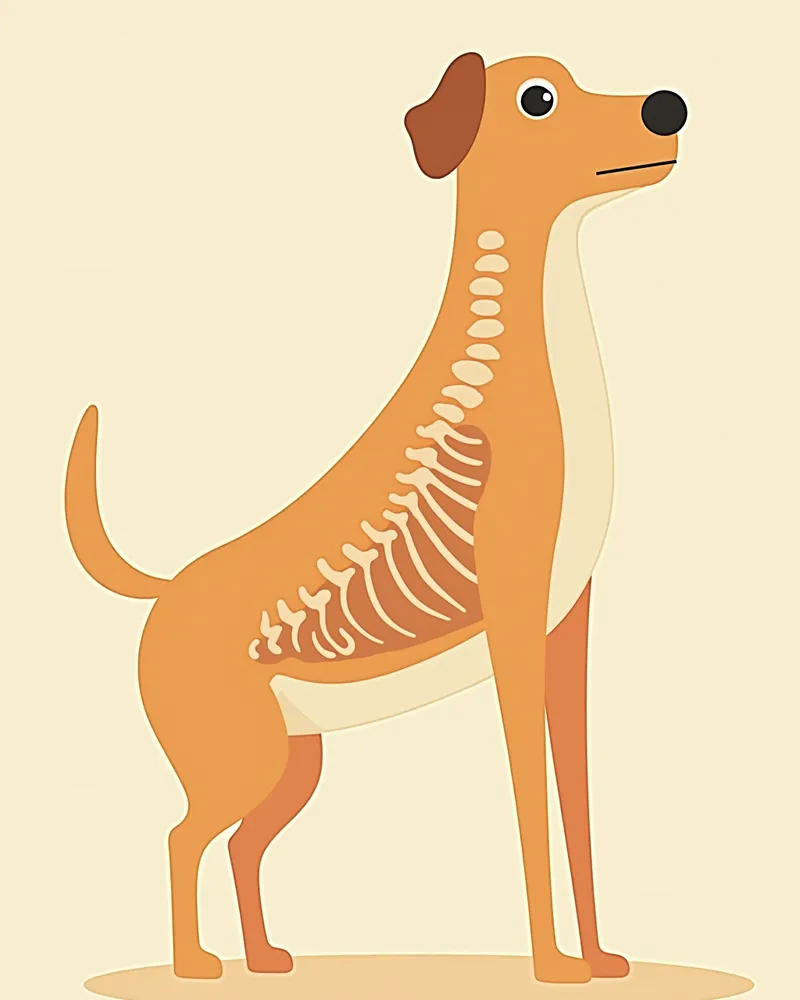
While the exact cause of canine osteosarcoma remains unclear, it is known to be influenced by breed- and size-related predispositions. - Breed and Size-Related Risk: Bone tumors are more commonly reported in large and giant breeds, with confirmed cases in large breeds such as Labrador Retrievers. - Tendency of Occurrence: Osteosarcoma primarily develops in the long bones of the limbs (75–85%), appearing more frequently in limb bones than in other areas. - Nature of the Tumor: Osteosarcoma is the most common primary bone tumor in dogs, accounting for over 95% of all bone tumors. - Differences in Cats: Even when diagnosed with osteosarcoma, cats tend to exhibit a less aggressive course than dogs, leading to different prognoses depending on the species. - Limitations in Identifying Causes: Since a direct causal link to trauma or environmental factors has not been definitively established in veterinary literature, it is best to consult with a veterinarian to assess risk factors rather than drawing firm conclusions.
Bone growth stages in medium to large breed dogs and the risk of osteosarcoma

The Main Symptoms of Osteosarcoma Are Pain and Impaired Mobility

The most common symptoms of canine osteosarcoma are pain and impaired mobility. - Signs of pain: Your dog may frequently lick the affected leg, struggle to walk, or avoid playing with you. - Abnormal gait: You might notice dragging of a leg, sudden refusal to use a limb, or reluctance to move while sitting. - Characteristics of early symptoms: In the early stages, only mild gait abnormalities may be present, making them easy to overlook. It can be difficult to pay attention until the symptoms worsen. - Worsening pain: Severe pain can lead to bone fractures or complete inability to move. - Importance of early detection: Immediate veterinary visit is essential once symptoms appear, as early diagnosis significantly impacts treatment outcomes.
A hallmark sign of osteosarcoma in dogs is lameness caused by leg pain.

Symptoms Requiring Immediate Veterinary Visit

If your dog suddenly stops using a leg or cries or barks due to pain, you should visit a veterinary clinic immediately. Severe pain can lead to bone fractures, and once metastasis begins, treatment becomes significantly more difficult. Early diagnosis is key to greatly extending your pet’s survival time.

Diagnosis Is Performed via X-rays, Biopsy, and CT/MRI

Osteosarcoma can be suspected early on through X-rays, but a tissue biopsy is essential for an accurate diagnosis. - Role of X-rays: X-rays can reveal the tumor’s location, lytic bone changes, and the characteristic “sunburst” pattern of bone destruction associated with osteosarcoma. - Importance of biopsy: Histopathological examination confirms the malignancy and differentiates it from other tumors such as chondrosarcoma, helping to determine the treatment plan. - Use of CT scans: CT provides more detailed information than plain radiographs regarding the extent of bone invasion and spread into surrounding soft tissues, aiding in surgical planning. - Checking for metastasis: It is crucial to check for lung metastasis using chest X-rays or CT scans, with CT being more sensitive in detecting pulmonary metastases. - Additional imaging tests: If necessary, nuclear medicine scans (scintigraphy) can be used to evaluate the extent of surgery or check for metastasis to other bones.
An X-ray image taken to diagnose osteosarcoma in a dog

Treatment Options Include Amputation, Limb-Sparing Surgery, and Chemotherapy

Treating osteosarcoma requires a comprehensive approach that may include amputation, limb-sparing surgery, and chemotherapy. - Effectiveness of amputation: As one of the most effective treatments, amputation allows for complete removal of the tumor. - Advantages of limb-sparing surgery: This approach uses implants to replace the affected bone, helping to maintain limb function. - Purpose of chemotherapy: Chemotherapy helps prevent metastasis and can extend survival time. - Developing a treatment plan: Your veterinarian will determine the optimal combination of treatments based on your pet’s condition and tumor characteristics. - Post-treatment care: Regular check-ups and monitoring after surgery are essential to improve survival rates.
Preservation surgery for canine osteosarcoma: Insertion of a bone replacement implant

Home Care Focuses on Pain Management and Daily Protection

Pain management is crucial after surgery. - Pain medication: Ensure your pet takes the prescribed pain medication exactly as directed by your veterinarian. - Activity restriction: Limit walking to avoid straining the legs, and avoid excessive exercise. - Safe environment: Be careful to prevent jumping from stairs or high places. - Maintain walks: Continue regular walks, but adjust the speed and distance. - Regular check-ups: Have lung and blood tests every three months after surgery to check for recurrence.
Post-operative Home Care for Dogs with Osteosarcoma: Pain Management and Rest

Breed-Specific Precautions and Prevention of Recurrence

Large and giant breeds are particularly prone to osteosarcoma, so regular check-ups are essential. Even after surgery, there is a risk of metastasis to the lungs and other organs; studies frequently report lung metastasis, so it is recommended to have chest (lung) exams and blood tests every three months. Early detection of recurrence or metastasis allows for additional treatment options to be considered.

Reviewed by a veterinarian

Dr. Tony — Punnawat Phongkittirak

Dr. Tony — Punnawat Phongkittirak

Veterinarian

A veterinarian who majored in veterinary medicine at Khon Kaen University, Thailand, and completed the IVSA program at North Carolina State University in the United States. Drawing on clinical experience at animal hospitals, he works in the pet healthcare field and is dedicated to building a digital care environment that connects pet parents with veterinarians.

Frequently Asked Questions

Is osteosarcoma curable?
When limb amputation is combined with chemotherapy, the median survival time is approximately one year, which is about twice as long as the typical few months seen without treatment. However, only 10–30% of patients survive beyond two years, and a complete cure remains unlikely.
Is a conservative surgery effective?
Limb-sparing surgery can help maintain leg function and improve quality of life, but it carries a risk of local tumor recurrence. This procedure is not recommended if the tumor has invaded more than 50% of the bone or spread to surrounding soft tissues. It is more suitable for early-stage diagnoses, such as tumors located at the end of the radius. A decision should be made in consultation with your veterinarian.
Can osteosarcoma be transmitted to humans?
No. Osteosarcoma is a cancer specific to animals and is not transmissible to humans. Contact with family members is safe.
How long does chemotherapy need to be continued?
The schedule depends on the specific medication used. Typically, cisplatin is administered three times at three- to four-week intervals, carboplatin four times at three- to four-week intervals, and doxorubicin approximately five times at two-week intervals. Regular blood tests are required throughout the treatment period.
How much time is left if a dog develops osteosarcoma?
After amputation surgery, receiving cancer treatment can extend the median survival time to about one year (365 days), with some pets living up to two years. Since individual differences are significant, regular check-ups are essential.

Share

Related Guides

References

[1] Withrow, S.J. et al. (2015). Textbook of Veterinary Orthopaedic Surgery. Elsevier.

[2] London, C.A. et al. (2015). Veterinary Surgical Oncology, 2nd Ed. Elsevier.

[3] Clinical Medicine of the Dog and Cat, 4th Ed. (2019). Elsevier.

This information is based on veterinary literature and does not replace diagnosis or treatment. Please consult a veterinarian for specific health concerns.

Metapet Co., Ltd. | CEO: Park Sung-yong | Business Reg. No. 417-88-02562 | Seoul, South Korea | Customer Center

Is Your Dog Limping? Osteosarcoma Signs & Treatment | Meongsiljang