Like
Share
멍실장
강아지 구강 스케일링·치석 제거술 증상과 원인, 진단·치료와 관리 포인트 총정리

Dental Scaling and Tartar Removal for Dogs: Symptoms, Causes, Diagnosis, Treatment, and Management Essentials

Oral HealthDiseasesMeongsiljang Veterinary Advisory Board

Dental scaling and tartar removal for dogs is a veterinary procedure that eliminates tartar buildup on the teeth to prevent periodontal disease. Regular maintenance is essential.

What Is Dental Scaling and Tartar Removal for Dogs?

A puppy undergoing tartar removal under anesthesia.
Dental scaling and tartar removal for dogs is a veterinary procedure that thoroughly eliminates tartar buildup on tooth surfaces and beneath the gums under general anesthesia. This process plays a crucial role in slowing the progression of periodontal disease and maintaining oral health. Tartar forms when minerals from saliva and breath—primarily calcium carbonate and calcium phosphate—deposit onto plaque adhering to the teeth, hardening into a rough mass. This rough surface creates an ideal environment for further plaque accumulation, which can worsen gum inflammation. During the procedure, an ultrasonic scaler removes tartar from the tooth surfaces, followed by hand instruments to clean out tartar hidden within the gingival sulcus (the space between the tooth and gum). Finally, polishing smooths out microscopic scratches on the enamel, reducing the risk of bacteria and plaque reattaching. Regular scaling is an essential care practice that helps prevent tooth loss and supports overall systemic health.

What Are the Main Causes of Tartar Formation?
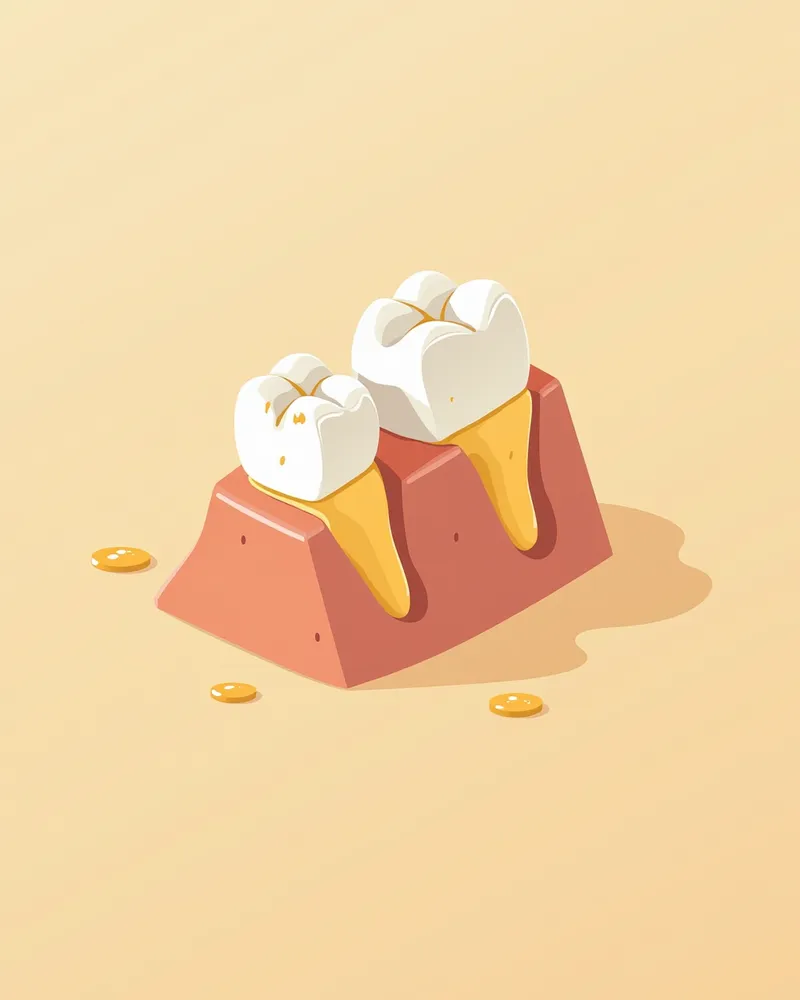
Dental tartar in dogs forms when plaque on the tooth surface hardens into a solid deposit as minerals such as calcium and phosphate accumulate over time. The root cause is plaque—a bacterial biofilm produced by oral bacteria. Plaque develops after a thin film (pellicle) forms on the teeth, allowing bacteria to adhere and multiply; saliva and minerals in the mouth then contribute to its transformation into tartar. Plaque accumulates more readily on rough or complex tooth surfaces, such as those with enamel defects, fractured teeth, or crowded dentition. Small-breed dogs are particularly prone to tartar buildup because their teeth are closely spaced and they tend to experience more severe periodontal disease, making diligent tartar management essential. Inadequate brushing allows plaque to remain and harden into tartar, and without regular oral care, this can progress to periodontal disease.
The location and appearance of tartar buildup on your dog’s teeth

Key Symptoms and Signs of Tartar Buildup

Even with periodontal disease, many dogs show no obvious outward symptoms, which often delays diagnosis. As a result, the following signs typically appear only after the disease has progressed to some extent. However, early detection makes treatment significantly easier. Here are the key warning signs to watch for:
Bad breath: Caused by tartar and bacteria, the odor becomes persistently stronger.
Pain and pawing at the mouth: Due to oral pain, dogs may paw at their mouths with their front paws or resist having their mouths touched.
Increased drooling: Pain or discomfort can cause noticeable excess drooling compared to normal.
Blood-tinged saliva: If the gums are inflamed and bleed during probing or brushing, blood may mix with the saliva.
Difficulty swallowing food: Pain may impair chewing, leading to a reduced food intake.
If you notice any of these signs, consult your veterinarian immediately. However, even in the absence of these changes, it is difficult to be completely reassured, so an accurate assessment through a dental examination under anesthesia is recommended.
A dog with severe bad breath caused by tartar buildup.

When to Visit the Vet Immediately

If your dog shows signs of severe pain, bleeds from the mouth, or hasn’t eaten for more than 24 hours, visit the vet immediately. Untreated periodontal disease can lead to tooth loss or even systemic infections.

Diagnostic Tests for Accurate Diagnosis

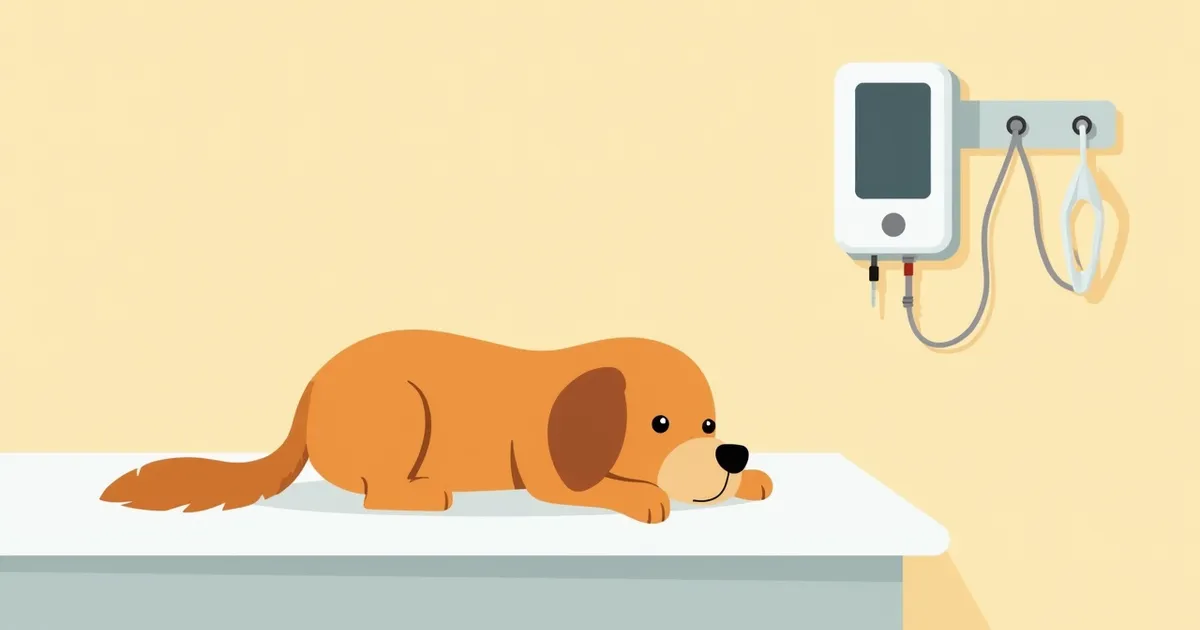
Before scaling, several tests are needed to accurately assess your dog’s overall oral and systemic health. The veterinarian uses a periodontal probe to measure the depth of the gingival sulcus—the groove between the gums and teeth—and checks for tooth mobility and bleeding. However, because examining only the crown (the visible part of the tooth) doesn’t reveal the condition of the roots and underlying gum tissue, intraoral dental radiographs (X-rays) are essential for an accurate evaluation. Exams performed while the dog is conscious have limitations, so the most accurate assessment combines probing and dental radiographs under anesthesia. Additionally, blood tests evaluate systemic health, including liver and kidney function and inflammatory markers, and a chest X-ray is added if pulmonary complications are suspected. These tests help minimize anesthesia risks and guide treatment planning; starting treatment without an accurate diagnosis can lead to complications.
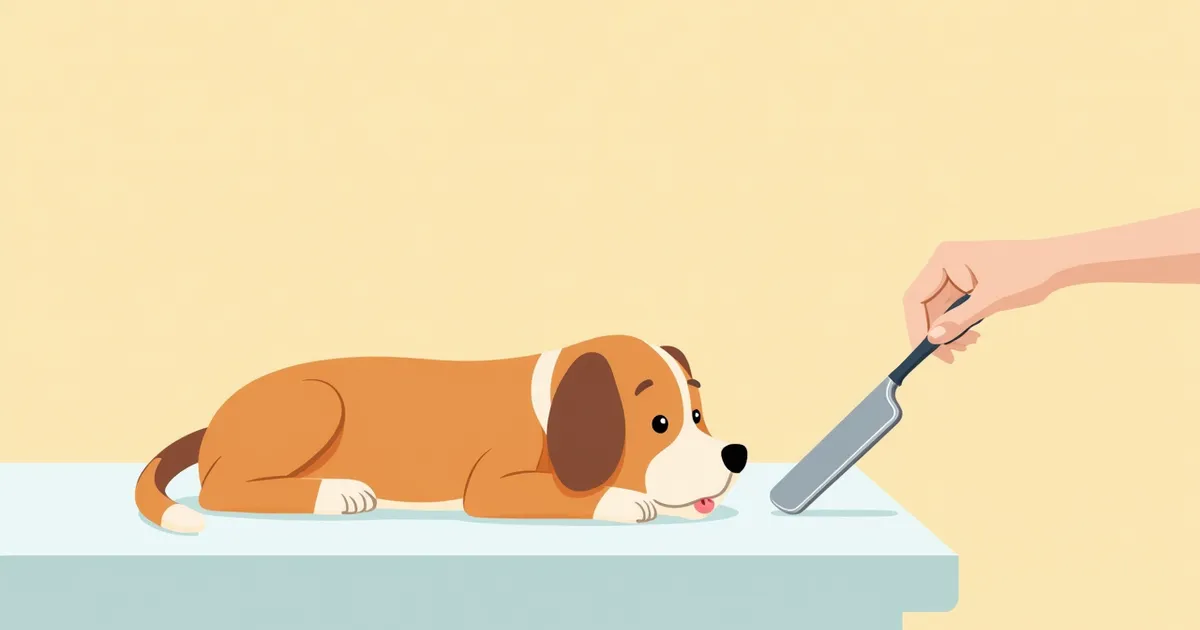
A veterinarian measuring gum pocket depth with a periodontal probe.

Treatment Process and Step-by-Step Procedure

Tartar removal is performed systematically under general anesthesia. First, an ultrasonic scaler is used to remove large deposits of tartar from the tooth surfaces, followed by precise hand instruments (curettes) to thoroughly clean tartar from deep within the gingival sulcus below the gumline. The teeth are then polished to eliminate microscopic scratches on the enamel, preventing bacteria from adhering again. If gum inflammation is present, antibiotics or topical medications may be prescribed depending on the severity. After recovering from anesthesia, it is essential to consistently follow the oral care routine recommended by your veterinarian. Regular follow-up visits are also advised to monitor your pet’s progress. Since advanced periodontal disease can lead not only to tooth loss but also impact overall health, including the liver, kidneys, and heart, consistent preventive care is crucial.
A puppy recovering after dental calculus removal surgery

Home Care and Management Tips

After tartar removal, consistent home care is essential. It’s important to follow the oral hygiene routine recommended by your veterinarian. Here are key practices to incorporate into your daily routine:
Daily Brushing: Brush your dog’s teeth 1–2 times a day using a toothbrush and toothpaste specifically designed for dogs. Regular brushing effectively reduces plaque buildup and gingivitis.
Oral Care Treats: Use specialized treats formulated to help manage tartar and plaque.
Veterinarian-Recommended Oral Care Products: Consult your veterinarian to select toothpaste and oral hygiene products that are best suited for your pet.
Regular Check-ups: Schedule oral examinations every six months. Periodontal disease often shows few visible signs in its early stages, making timely diagnosis difficult; therefore, regular check-ups are crucial.
Dietary Management: Work with your veterinarian to choose a diet and products that support oral health. If your pet is experiencing pain, offer soft foods to avoid causing discomfort.
Establishing these habits can significantly reduce the recurrence of tartar.
A scene of brushing a dog's teeth for oral care

Precautions for Small-Breed and Specific Dog Breeds

Small-breed dogs have tightly packed teeth, which makes tartar build up quickly and causes periodontal disease to progress more severely and rapidly. This is especially true for dogs weighing under 5 kg and brachycephalic (short-muzzled) breeds, which are more prone to acquired dental issues like tartar, gingivitis, and periodontal disease. Regular dental checkups and professional cleanings are essential. Please consult with your veterinarian to create a personalized dental care plan tailored to your pet's specific needs.

Reviewed by a veterinarian

Dr. Tony — Punnawat Phongkittirak

Dr. Tony — Punnawat Phongkittirak

Veterinarian

A veterinarian who majored in veterinary medicine at Khon Kaen University, Thailand, and completed the IVSA program at North Carolina State University in the United States. Drawing on clinical experience at animal hospitals, he works in the pet healthcare field and is dedicated to building a digital care environment that connects pet parents with veterinarians.

Frequently Asked Questions

Is tartar removal painful?
Since your pet will be under general anesthesia, they won’t feel any pain during the surgery. There may be some discomfort after they wake up, but your veterinarian will prescribe pain relief medication to keep them comfortable.
How often should dental scaling be performed?
The ideal dental care schedule for your dog depends on their oral health, breed, and age. Since periodontal disease can progress rapidly, it’s best to consult with your veterinarian to determine a personalized maintenance plan. Rather than relying on a single check-up, regular dental exams are essential to establish the right scaling frequency for your pet.
Can I remove tartar at home?
Never attempt to remove tartar at home, as it can damage the teeth and injure the gums. Professional dental scaling should only be performed by a veterinarian.
What should I watch out for after a dental scaling procedure?
After anesthesia recovery, do not offer food immediately; wait at least two hours before providing soft food. Begin brushing your pet’s teeth after 24 hours. Follow your veterinarian’s instructions to ensure proper rest and overall well-being.
How much does a dental scaling procedure cost?
Costs vary depending on your dog’s weight, health condition, and the clinic’s location. Typically, they range from $40 to $100. Plan ahead and budget for this as part of your dog’s regular check-ups.

Share

Related Guides

References

[1] The Dog Care Handbook, Things I Wish My Vet Had Told Me, 2020

[2] 100 Top Consultations in Small Animal General Practice, 2019

[3] Canine and Feline Respiratory Medicine, 3rd Edition, 2021

This information is based on veterinary literature and does not replace diagnosis or treatment. Please consult a veterinarian for specific health concerns.

Metapet Co., Ltd. | CEO: Park Sung-yong | Business Reg. No. 417-88-02562 | Seoul, South Korea | Customer Center

Dog Dental Scaling & Tartar Removal: Symptoms, Causes & Care | Meongsiljang