

Canine Enamel Hypoplasia: Symptoms, Causes, Diagnosis, Treatment, and Management Essentials
Canine enamel hypoplasia is a hereditary condition in which the tooth enamel fails to develop properly before birth, resulting in teeth that appear chalky white or have pits and grooves. Early diagnosis and management are essential.
Canine enamel hypoplasia is a hereditary condition in which the protective tooth layer fails to form properly.

The main causes of enamel hypoplasia are genetics and in utero stress.

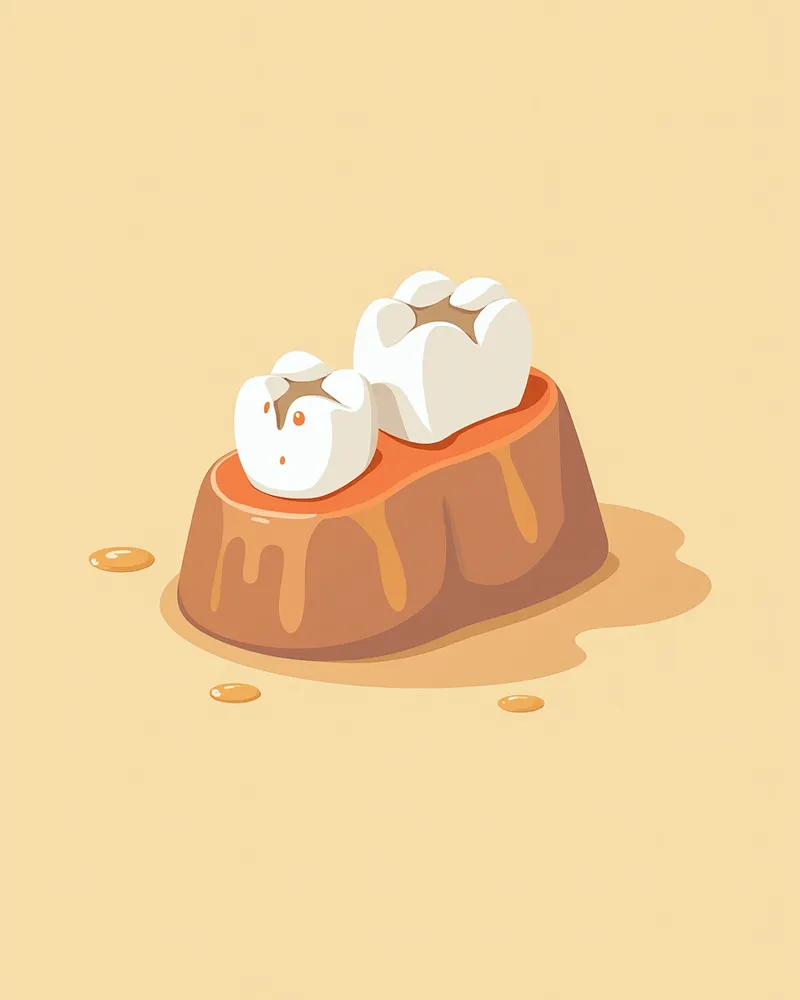
Main symptoms include tooth discoloration, chalky white spots, pits, and looseness.
When to Seek Immediate Veterinary Care
If your pet’s teeth are severely loose, their breath is extremely foul, or they’re having trouble eating, consult a veterinarian right away. These symptoms could indicate an infection or bone damage. Early treatment is essential if teeth are falling out or if your pet is in significant pain.
Diagnosis is performed through dental X-rays and evaluation of tooth condition.
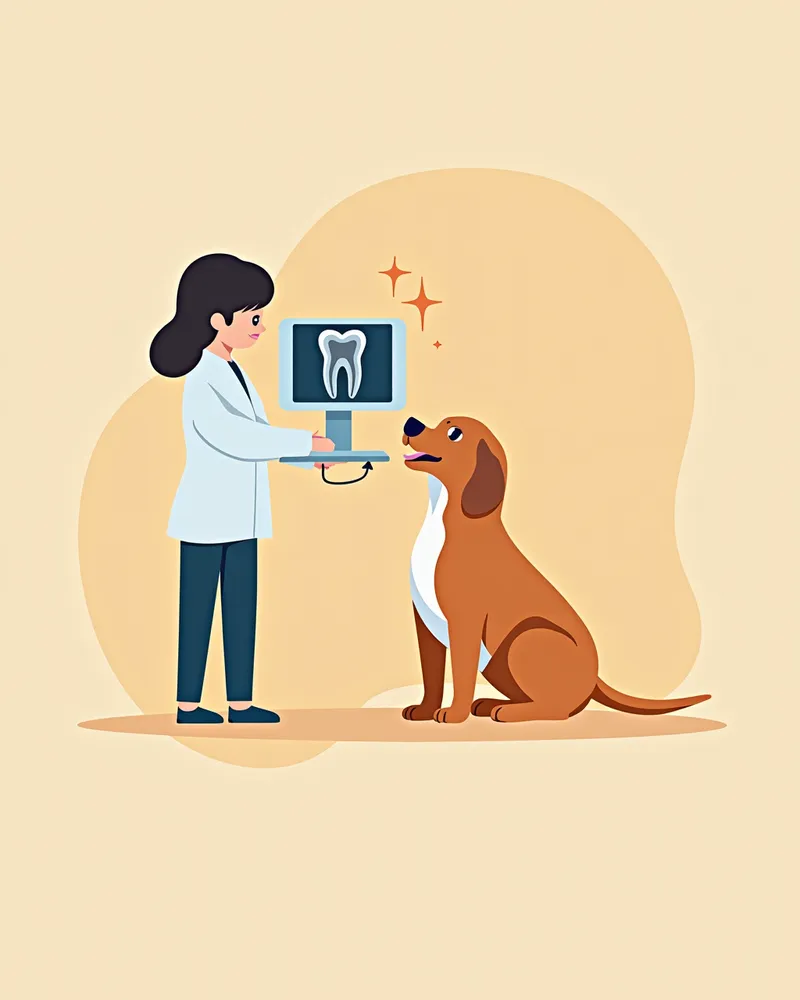
Treatment progresses in stages from tooth protection and cavity prevention to tooth extraction if necessary.

Home care focuses on dental hygiene and dietary management.

Breed-Specific Precautions and Tips for Preventing Recurrence
While enamel hypoplasia is sometimes described as more common in certain breeds, the textbook evidence provided isn't sufficient to definitively conclude a genetic predisposition or breed-specific difference. However, since health management during the tooth development stage is crucial, preventing systemic illnesses in puppyhood and maintaining proper nutritional balance can be helpful. Above all, consistent dental care and regular veterinary check-ups to monitor oral health are essential.
Reviewed by a veterinarian

Dr. Tony — Punnawat Phongkittirak
VeterinarianA veterinarian who majored in veterinary medicine at Khon Kaen University, Thailand, and completed the IVSA program at North Carolina State University in the United States. Drawing on clinical experience at animal hospitals, he works in the pet healthcare field and is dedicated to building a digital care environment that connects pet parents with veterinarians.
Reviewed 2026-06-29
Frequently Asked Questions
Can enamel hypoplasia be treated?
Is enamel hypoplasia hereditary?
What treats are best for a dog with enamel hypoplasia?
Does enamel hypoplasia cause pain?
Does enamel hypoplasia worsen with age?
Share
Related Guides

7 Best Cat Dental Chews for Tartar Prevention Recommended by Veterinarians and Selection Criteria

Top 5 Recommended Dental Treats for Dogs in 2026 — VOHC Certification Criteria

7 Criteria for Choosing Dog Tartar Prevention Dental Chews Recommended by Veterinarians
Measuring Your Dog’s Intraocular Pressure (Tonometry) — Early Detection of Glaucoma and How to Read the Numbers

If Your Dog’s Tears Keep Flowing — Causes of Nasolacrimal Duct Obstruction and When to Treat

If Your Dog’s Eyes Suddenly Become Red and Painful — Emergency Signs and Response for Lens Luxation

If Your Dog’s Eye Color Has Changed — Symptoms of Intraocular Tumors and When to Visit the Vet

If Your Dog Suddenly Loses Vision — Causes and Treatment Timing for Hypertensive Retinopathy

Canine Eyelid Tumors: Symptoms, Causes, Diagnosis, Treatment, and Management Essentials

If Your Dog Has Severe Tear Staining — Causes and Management of Tear Stains
References
[1] Plumb's Veterinary Drug Handbook, 9th Edition. 2022. Wiley-Blackwell.
[2] Feldman, B. F., & Nelson, R. W. (2013). Canine and Feline Endocrinology and Reproduction. Elsevier Health Sciences.