Like
Share
멍실장
강아지 치석·치태 예방 증상과 원인, 진단·치료와 관리 포인트 총정리

Complete Guide to Dog Tartar and Plaque: Prevention, Symptoms, Causes, Diagnosis, Treatment, and Care

Oral HealthDiseasesMeongsiljang Veterinary Advisory Board

Tartar and plaque buildup are major causes of periodontal disease in dogs, making early detection and prevention essential. Regular oral care is key to maintaining your dog’s dental health.

Dog Tartar and Plaque Are Major Causes of Periodontal Disease

A photo showing tartar buildup on a dog's teeth
The direct cause of periodontal disease stemming from tartar and plaque in dogs is dental plaque. Tartar is a hardened deposit formed when plaque calcifies; when it accumulates on the tooth surface, it can lead to gum inflammation and bleeding. - Tartar formation: This occurs when plaque hardens over time due to the deposition of calcium and minerals. - Systemic impact: Severe oral inflammation can affect systemic organs, including the liver (hepatitis), kidneys (glomerulonephritis and renal failure), and heart (valvular endocarditis). - Tartar volume and severity: While the amount of tartar does not directly indicate the severity of periodontal disease, its rough surface attracts more plaque, compromising gum health; therefore, early management is crucial. - Prevention-focused approach: Prevention is paramount for periodontal disease, making consistent oral care habits essential. - Healthy breath: Regular oral care not only maintains dental health but also supports overall quality of life, making daily management necessary.

The Main Cause of Tartar Formation Is Plaque Accumulation on the Tooth Surface
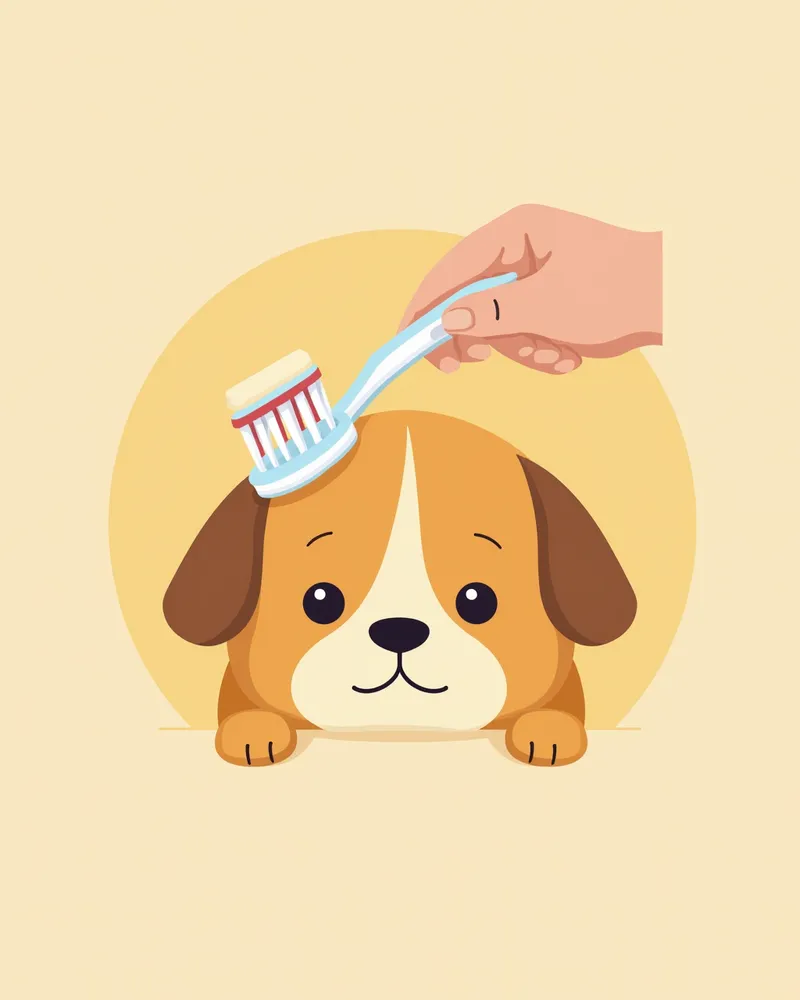
Dental tartar in dogs forms when plaque on the tooth surface hardens over time due to the deposition of calcium and minerals. Plaque is a biofilm created by the accumulation of bacteria in the mouth. - Plaque Formation: Saliva, oral bacteria, and proteins adhere to the tooth surface (pellicle), gradually forming and maturing into a hardened colony. - Common Locations: Tartar tends to accumulate on the outer surfaces of the upper molars and the inner surfaces of the lower molars, where saliva from the salivary glands frequently contacts the teeth. - Impact of Surface Roughness: Rough tooth surfaces—such as those with enamel defects, fractures, or crowded teeth—allow plaque to adhere more easily. - Key to Prevention: Daily tooth brushing to remove plaque is the most effective preventive measure. - Care Habits: Consistent brushing significantly reduces tartar buildup, and combining this routine with regular veterinary check-ups is ideal.
Brushing your dog's teeth

Main Symptoms of Tartar and Plaque Are as Follows

Periodontal disease, often accompanying tartar and plaque buildup in dogs, may not present obvious external symptoms in many cases, making careful daily observation essential.
Gingival redness and bleeding: Swollen, red gums that bleed during brushing or when probed are typically the earliest warning signs.
Persistent bad breath: A continuous foul odor (halitosis) may develop.
Drooling and discomfort: Your dog may drool excessively or show signs of pain and discomfort.
Loose or missing teeth: As the disease progresses, teeth may become loose or fall out.
Mouth rubbing or face pawing: Pain may cause your dog to paw at their mouth or rub their face against surfaces.
Signs such as bad breath or loose teeth often indicate that the condition has already advanced to some degree, so immediate veterinary evaluation is necessary if you notice these symptoms.
Your dog frequently licking its lips

Cases Requiring Immediate Veterinary Visit

If your dog shows severe pain, bleeds from the mouth, or loses a tooth, consult a veterinarian immediately. Severe tartar buildup can lead to bone damage or systemic infection.

Tartar Diagnosis Is Performed Through Oral Examination and Dental Radiographs

Veterinarians diagnose dog tartar buildup through direct oral examinations, dental radiographs, and comprehensive oral assessments performed under anesthesia. - Oral Examination: The veterinarian uses a probe to assess gum inflammation, bleeding, and the depth of periodontal pockets. - Dental Radiographs: X-rays reveal tartar accumulation around tooth roots beneath the gums and detect any bone loss. - Necessity of Anesthesia: Examinations performed on a conscious dog have limitations; therefore, an accurate assessment requires anesthesia. - Signs of Abnormality: Key diagnostic indicators include loose teeth and receding gums. - Concurrent Basic Tests: To evaluate overall health, basic tests such as blood work, biochemistry panels, and urinalysis may be performed alongside the dental exam. - Regular Check-ups Recommended: Routine oral examinations are ideal for maintaining your dog’s dental health.
A veterinarian examining the periodontal pockets

Treatment Consists of Scaling and Polishing
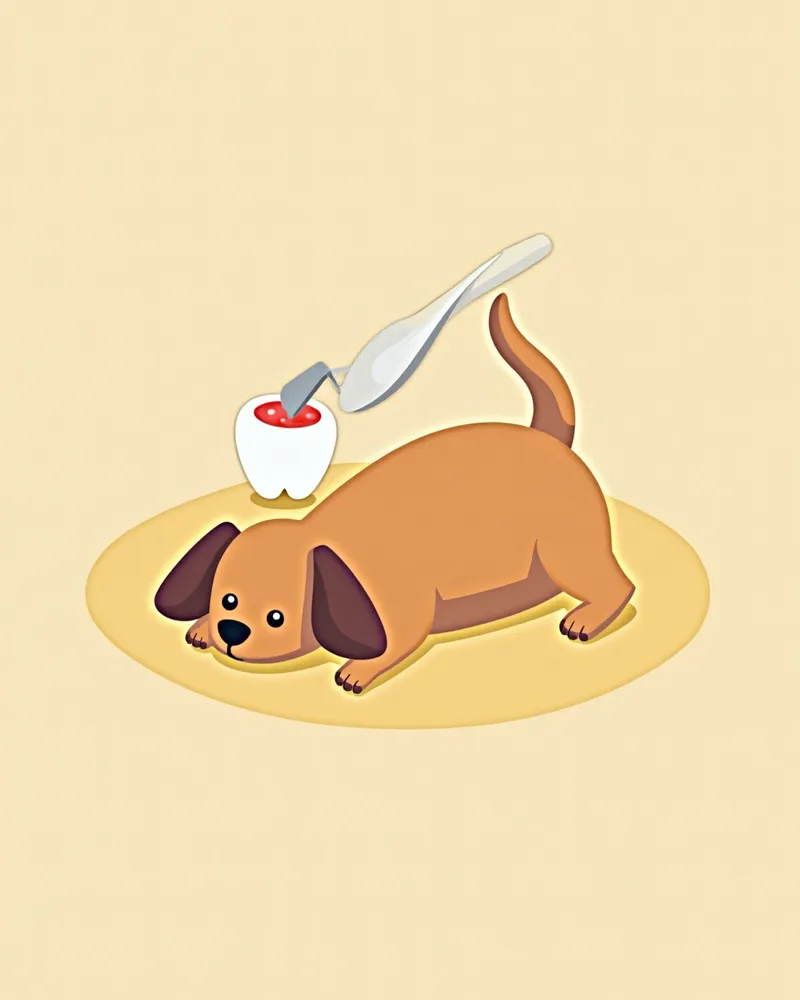
Treating tartar in dogs involves scaling and polishing under general anesthesia. - Scaling: Tartar is removed from the tooth surfaces using ultrasonic instruments or manual tools. - Polishing: The tooth surfaces are smoothed to prevent plaque from reattaching. - Pain-free: Since the dog is under anesthesia, they feel no pain during the procedure. - Tooth protection: Smooth tooth surfaces make it harder for bacteria to adhere. - Post-treatment care: Regular brushing and use of dental products remain necessary after treatment. - Preventing recurrence: Proper daily care habits help maintain the results of the treatment for longer.
A dog undergoing dental calculus removal under anesthesia.

Home Care Centers on Regular Brushing and the Use of Dental Health Products

The most effective way to prevent tartar buildup in dogs is to gently brush their teeth every day to remove plaque. - Daily brushing: Gently clean the teeth and gums to remove plaque. Regular brushing helps reduce tartar and gum inflammation. - Dental treats: Chew treats can be helpful, but many commercial products lack scientific evidence, so choose them carefully. - Water and oral additives: Many water additives and similar products have insufficient evidence of effectiveness, so they should be viewed as supplements rather than replacements for brushing. - Chew products: Products that encourage chewing can be beneficial, but they are not as reliable as brushing. - Veterinarian-recommended products: It is important to consult with your veterinarian to choose products that have been proven safe and effective. - Consistent habits: Short-term care has its limits, so it is best to make dental care a daily habit.
A puppy enjoying dental health treats

Breed-Specific Caution: Smaller Breeds Have a Higher Risk of Tartar

Small breeds with small, crowded teeth (such as terriers, Pekingese, and mixed-breed dogs) are prone to rapid tartar buildup and fast progression of periodontal disease. Regular oral examinations and care are essential.

Reviewed by a veterinarian

Dr. Tony — Punnawat Phongkittirak

Dr. Tony — Punnawat Phongkittirak

Veterinarian

A veterinarian who majored in veterinary medicine at Khon Kaen University, Thailand, and completed the IVSA program at North Carolina State University in the United States. Drawing on clinical experience at animal hospitals, he works in the pet healthcare field and is dedicated to building a digital care environment that connects pet parents with veterinarians.

Frequently Asked Questions

Can dog tartar be treated at home?
No. Tartar adheres firmly to the tooth surface, making it difficult to remove at home, and improper attempts can damage the gums. Professional dental scaling by a veterinarian is essential.
What kind of treats are good for preventing tartar buildup?
Treats that help clean teeth, such as rubber-textured dental chews or tartar-control candies, are a great choice. Opting for products recommended by veterinarians ensures safety.
What should I do if my dog resists when I first start brushing its teeth?
Start gently with a small toothbrush or finger brush, and create positive experiences by pairing brushing with treats. Gradually build the habit over time.
When should my pet get a dental cleaning if tartar has formed?
If you notice symptoms such as bleeding gums, bad breath, or loose teeth, consult your veterinarian immediately. Early treatment can help prevent tooth loss.
Can I use human toothpaste on my dog?
No. Human toothpaste contains fluoride and surfactants, which can be toxic if ingested by dogs. Always use toothpaste specifically formulated for dogs.

Share

Related Guides

References

[1] The Dog Care Handbook, Things I Wish My Vet Had Told Me, 2020

[2] 100 Top Consultations in Small Animal General Practice, 2019

[3] Plumb's Veterinary Drug Handbook, 9th Edition, 2021

This information is based on veterinary literature and does not replace diagnosis or treatment. Please consult a veterinarian for specific health concerns.

Metapet Co., Ltd. | CEO: Park Sung-yong | Business Reg. No. 417-88-02562 | Seoul, South Korea | Customer Center

Dog Tartar and Plaque Prevention: Symptoms, Treatment, and Care | Meongsiljang