
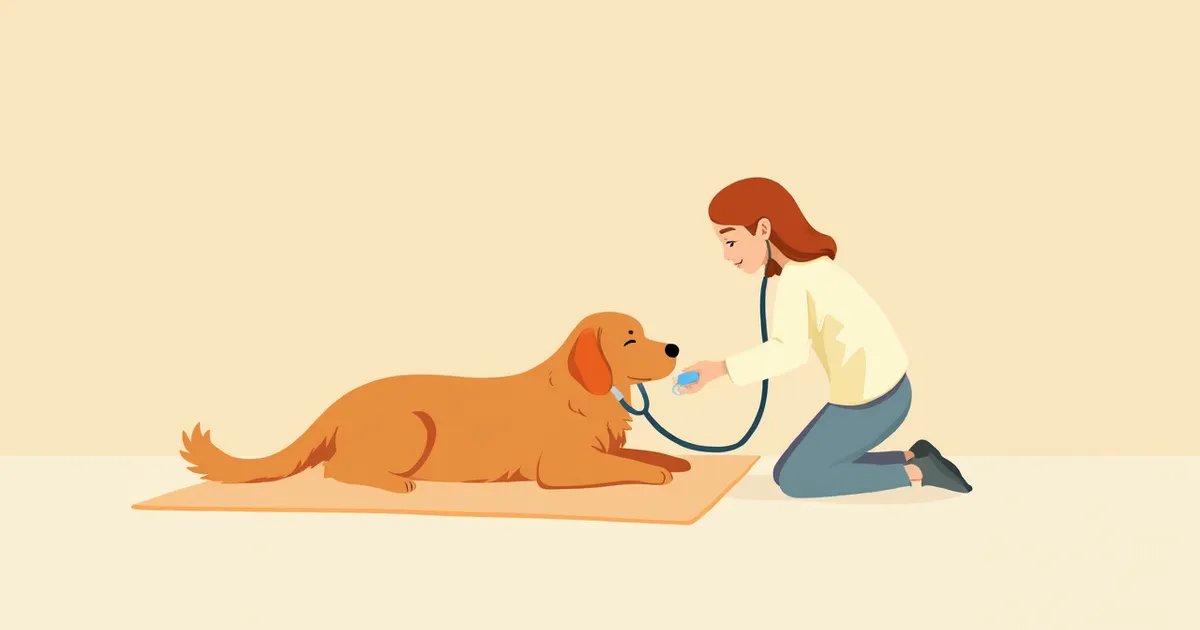
Coughing Puppy? Heartworm Disease — Stage 1–4 Symptoms and Melarsomine Treatment
Heartworm disease in dogs is a parasitic condition in which larvae transmitted by mosquito bites mature into adult worms in the heart and pulmonary arteries. Here’s a summary of the symptoms, diagnosis, Melarsomine treatment schedule, and recovery care for each of the four stages of progression.
What Is Heartworm Disease in Dogs?
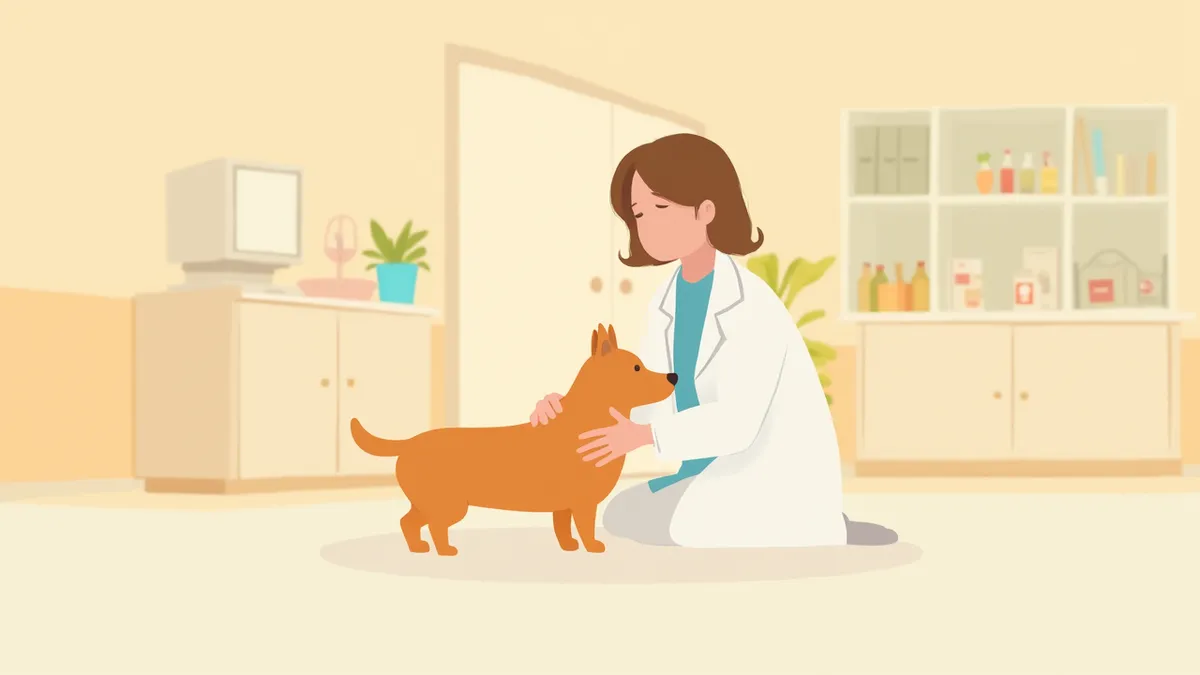
Causes and Transmission — It Starts with a Single Mosquito Bite
Stage 1–4 Symptom Checklist

These Signals Require Emergency Veterinary Care Within 24 Hours
If you notice any of the following symptoms, your pet may have Stage IV Caval Syndrome. Do not hesitate—seek emergency veterinary care immediately, even at night. • Sudden difficulty breathing, or breathing with an open mouth • Pale or bluish gums • Dark brown or cola-colored urine • Sudden collapse or altered consciousness • Collapsing after just a few steps during a walk This stage can deteriorate within hours, so waiting until "tomorrow morning" is far too late.
Diagnosis — Antigen Test Combined with Imaging
Treatment Schedule by Stage and Cost Range
| Item | Stage 1 (mild) | Stages 2–3 (moderate to severe) | Stage 4 (caval syndrome) |
|---|---|---|---|
| Main treatment | 3-dose melarsomine injection protocol | 3 doses of melarsomine + 3 months of rest | Emergency surgical removal + medication |
| Treatment duration | About 3–4 months | About 4–6 months | 6–12 months of post-surgical care |
| Exercise restriction | No forced exercise during treatment | Cage rest recommended | Absolute rest |
| Estimated cost | $600 to $1,000 | $1,000 to $2,000 | $3,000 to $6,000+ |
| Likelihood of recovery | Very high | High (watch for complications) | Varies depending on owner and clinic response |
Costs are the average range at Korean animal hospitals as of 2024 and vary widely depending on body weight, complications, and clinic.
Treatment — The Three-Dose Melarsomine Protocol
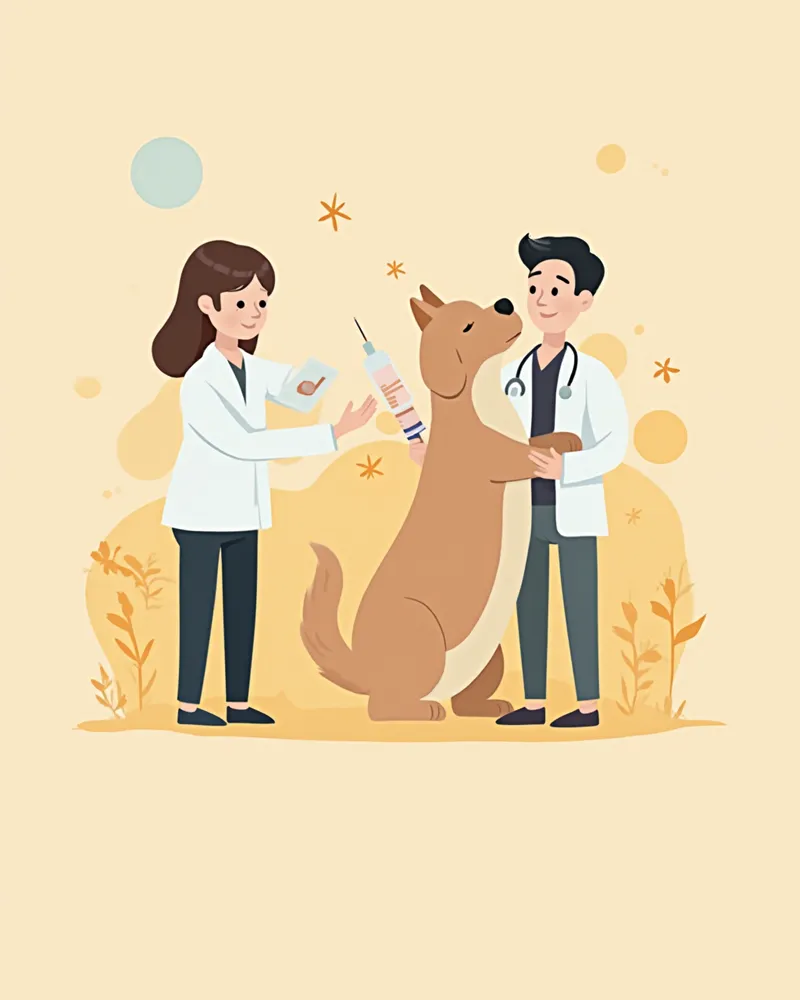
Home Care Points During Treatment
Pre-Treatment Testing Is Essential for Certain Breeds Such as Collies and Shetland Sheepdogs
Herding breeds such as Collies, Shetland Sheepdogs, Australian Shepherds, German Shepherds, and Longhaired Whippets are more likely to carry a drug-sensitivity gene mutation (MDR1, now known as ABCB1), with Collies showing a particularly high prevalence of approximately 70%. This mutation reduces the function of P-glycoprotein in the blood-brain barrier, allowing macrocyclic lactone drugs like ivermectin to enter the brain more readily and potentially cause neurotoxicity at high doses. However, officially approved heartworm preventatives have been confirmed safe for MDR1-mutated dogs when used at recommended doses. Therefore, rather than avoiding prevention out of fear, the key is to never arbitrarily increase the dosage. If your dog is one of these breeds or a mix with suspected sensitivity, consult your veterinarian about the specific drug and dosage before treatment. Additionally, confirm successful treatment with an antigen retest after a specified period, and prevent reinfection most effectively by administering monthly heartworm preventatives consistently for life without missing any doses.
Reviewed by a veterinarian

Dr. Tony — Punnawat Phongkittirak
VeterinarianA veterinarian who majored in veterinary medicine at Khon Kaen University, Thailand, and completed the IVSA program at North Carolina State University in the United States. Drawing on clinical experience at animal hospitals, he works in the pet healthcare field and is dedicated to building a digital care environment that connects pet parents with veterinarians.
Reviewed 2026-05-05
Frequently Asked Questions
What is the average cost of treating heartworm disease in dogs?
Does my dog absolutely not get to go for a walk at all during treatment?
Is it okay if I missed a month of preventive medication?
Once cured after treatment, is it safe for life?
Can senior dogs or those with heart disease also be treated?
Share
Related Guides

5 Flea and Tick Preventives for Cats Recommended by Veterinarians — Ingredient Safety Comparison

Top Recommended Cat Oral Preventives (Isoxazoline Class) and Selection Criteria
Top Recommended Spot-On Preventatives for Dogs and How to Choose the Right One
Complete Guide to Feline Liver Ultrasound — From Abnormal Findings to Diagnosis and Management Points
How Dangerous Is Feline Liver Disease? — Interpreting Prognostic Indicators and Treatment Directions
Feline Liver Cysts: Symptoms, Causes, Diagnosis, Treatment, and Management Essentials

If Your Cat Keeps Vomiting and Refuses to Eat — Causes and Treatment Timing for Triaditis (Liver, Pancreas, Intestine)

Complete Guide to Cat Liver Enzymes (ALT & ALP) — Why They Rise and When to See a Vet
If You Accidentally Gave Your Cat Medication — Causes of Drug- and Toxin-Induced Liver Injury and When to Act

If Your Cat Keeps Vomiting and Has Jaundice — Causes and Treatment Points for Cholangiohepatitis
References
[1] American Heartworm Society, Current Canine Guidelines for the Prevention, Diagnosis, and Management of Heartworm (Dirofilaria immitis) Infection in Dogs, 2020
[2] Handbook of Veterinary Pharmacology, Drugs for Heartworm Prevention and Therapy
[3] Textbook of Respiratory Disease in Dogs and Cats, Heartworm Disease Chapter