

Gum Overgrowth in Dogs (Idiopathic and Drug-Induced): Symptoms, Causes, Diagnosis, Treatment, and Management Essentials
Gum overgrowth in dogs is a condition where the gum tissue enlarges abnormally, with idiopathic and drug-induced causes being the primary factors. Early detection and proper management are essential.
Gingival Hyperplasia in Dogs Is a Condition in Which Gum Tissue Abnormally Enlarges

The Main Causes Are Genetic Predisposition and the Use of Certain Medications

Primary Signs Include Swollen Gums, Loose Teeth, and Bad Breath

Symptoms Requiring Immediate Veterinary Care
If your dog’s gums become severely overgrown, causing teeth to loosen or fall out, accompanied by a strong foul odor from the mouth and a complete refusal to eat, immediate veterinary care is necessary. This is because there is a high risk of worsening pain, periodontal disease, and tooth loss. Especially if these symptoms appear in a dog currently taking medication, you should consult your veterinarian right away.
Diagnosis Is Made Through Oral Examination and Radiographs
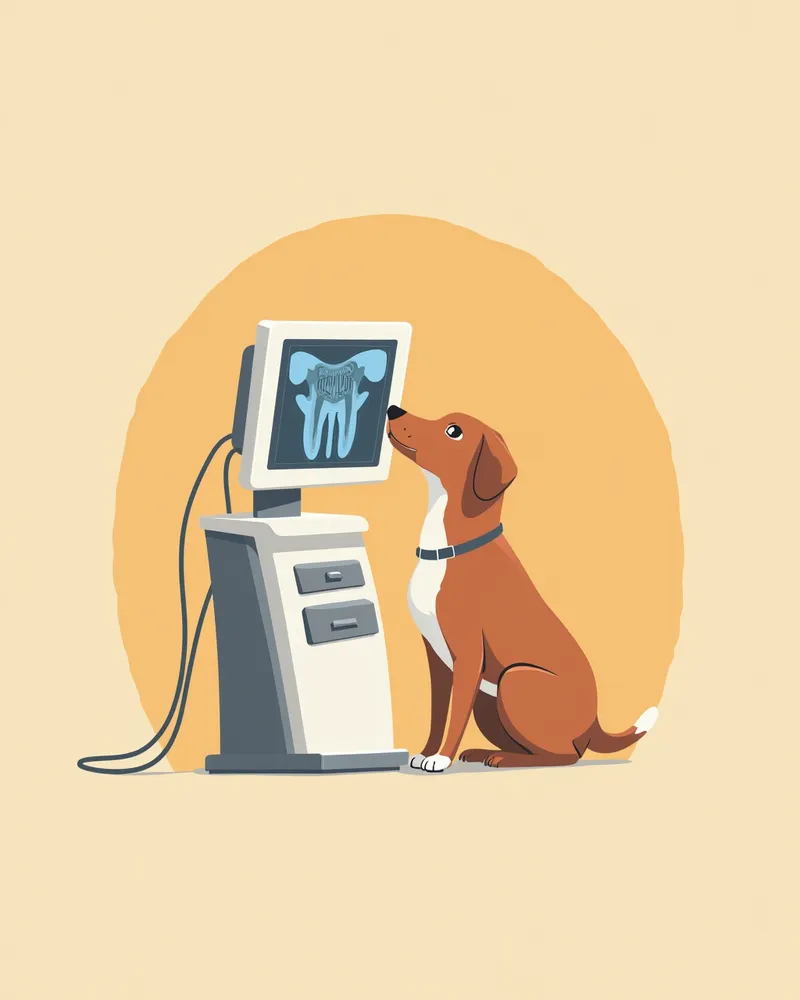
Treatment Involves Surgical Removal and Medication Management
Home Care Centers on Regular Oral Hygiene and Dietary Adjustments

Certain Breeds Have a Higher Risk of Recurrence and Require Caution
Brachycephalic breeds, including Boxers, are reported to have a genetic predisposition to gingival hyperplasia and epulis. For these breeds, regular oral examinations are recommended, and caution is advised when administering medications; always consult your veterinarian before starting any treatment. However, evidence precisely comparing the incidence risk across different breeds remains limited.
Reviewed by a veterinarian

Dr. Tony — Punnawat Phongkittirak
VeterinarianA veterinarian who majored in veterinary medicine at Khon Kaen University, Thailand, and completed the IVSA program at North Carolina State University in the United States. Drawing on clinical experience at animal hospitals, he works in the pet healthcare field and is dedicated to building a digital care environment that connects pet parents with veterinarians.
Reviewed 2026-06-29
Frequently Asked Questions
Will gum overgrowth completely disappear after treatment?
What should I do if my pet develops excessive gum growth while taking medication?
What should I do if my dog refuses to eat due to excessive gum tissue growth?
Can gum overgrowth be prevented?
Does gingival hyperplasia require tooth extraction?
Share
Related Guides

7 Best Cat Dental Chews for Tartar Prevention Recommended by Veterinarians and Selection Criteria

Top 5 Recommended Dental Treats for Dogs in 2026 — VOHC Certification Criteria

7 Criteria for Choosing Dog Tartar Prevention Dental Chews Recommended by Veterinarians

Cystine Urolithiasis in Dogs: Symptoms, Causes, Diagnosis, Treatment, and Management Essentials
Dog Bladder Ultrasound: Symptoms, Causes, Diagnosis, Treatment, and Management Essentials

Dog Bladder Diverticulum: Symptoms, Causes, Diagnosis, Treatment, and Management Essentials

Feline Urinary Tract Stones: A Complete Guide to Prevention, Diet, Symptoms, Causes, Diagnosis, Treatment, and Management

Cat Urine pH Management: Symptoms, Causes, Diagnosis, Treatment, and Care Points Summary

Complete Guide to Feline Chronic Recurrent Urinary Tract Infections: Symptoms, Causes, Diagnosis, Treatment, and Management

Feline Neurogenic Bladder: Symptoms, Causes, Diagnosis, Treatment, and Management Essentials
References
[1] Miller WH, Griffin CE, Campbell KL, Muller GH, Scott DW. Muller and Kirk’s small animal dermatology. 7th ed. St. Louis, MO: Elsevier; 2013.
[2] Hoehne SN, Hopper K. Hypersensitivity and anaphylaxis. In: Drobatz KJ, Hopper K, Rozanski E, Silverstein DC, editors. Textbook of small animal emergency medicine. Hoboken, NJ: John Wiley and Sons; 2019.
[3] Kimmoun A, Novy E, Auchet T, et al: Hemodynamic consequences of severe lactic acidosis in shock states: from bench to bedside, Crit Care 19(1):175, 2015.