
Like
Share
멍실장
고양이 호흡수 모니터링 방법 증상과 원인, 진단·치료와 관리 포인트 총정리

Cat Respiratory Rate Monitoring: Symptoms, Causes, Diagnosis, Treatment, and Management Essentials

RespiratoryDiseasesMeongsiljang Veterinary Advisory Board

A cat's respiratory rate is an important indicator of its health. If it falls outside the normal range, it may be a sign of illness, so regular monitoring is essential.

Monitoring Cat Respiratory Rate Is Key to Health Management

A cat resting comfortably while its breathing rate is being monitored.
A cat’s normal respiratory rate is 20 to 40 breaths per minute when at rest. This range is typical for adult cats after four weeks of age, once growth is complete. Keeping a regular record can help you spot early signs of illness. For the most accurate count, observe your cat while it is sleeping or sitting comfortably, and count the number of breaths taken in one minute. Choose a quiet, well-ventilated environment for this measurement. Documenting changes in respiratory rate provides valuable reference information for discussions with your veterinarian. Consistently monitoring your cat’s resting respiratory rate at home is one of the most fundamental practices for maintaining its health.

Main Causes of Increased Respiratory Rate: Respiratory Diseases and Cardiovascular Issues

A cat’s breathing rate can increase for many reasons, including pneumonia, asthma, bronchitis, heart failure, and pulmonary embolism. In pneumonia, infection causes breathing to become suddenly difficult, while asthma leads to shortness of breath due to airway constriction. Heart failure results in fluid buildup in the lungs because of reduced cardiac function, causing respiratory distress. Stress or excessive exercise may temporarily elevate the respiratory rate, but if it persists, it could signal an underlying medical issue. Early detection and management of these conditions are crucial.
A veterinarian listening to a cat’s breathing with a stethoscope

Checklist of Key Symptoms Suggesting Abnormal Respiratory Rate

Here are the warning signs to watch for when your cat’s breathing rate increases. If these symptoms persist, immediate veterinary care is necessary.
Difficulty breathing: Signs include flaring nostrils or breathing with the mouth open. This may indicate a serious respiratory issue.
Exaggerated chest movement: The chest rises and falls noticeably and rapidly.
Cyanosis of the lips or tongue: The lips or tongue turn blue due to lack of oxygen, suggesting severe oxygen deprivation.
Coughing or nasal discharge: Common symptoms of airway irritation or upper respiratory tract disease.
Lethargy: The cat remains inactive and lies down all day.
Decreased appetite: The cat refuses food or eats significantly less than usual. These symptoms can arise from various causes, and persistent cases require professional veterinary diagnosis.
A cat showing signs of respiratory distress

Emergency Situations Requiring Immediate Veterinary Visit

If your cat’s breathing rate significantly exceeds the normal range of 20–40 breaths per minute, or if they are breathing with their mouth open and struggling, or if their lips or tongue turn blue, you should seek veterinary care immediately. These signs indicate oxygen deprivation, which can be life-threatening.

Diagnostic Tests Required for Accurate Diagnosis
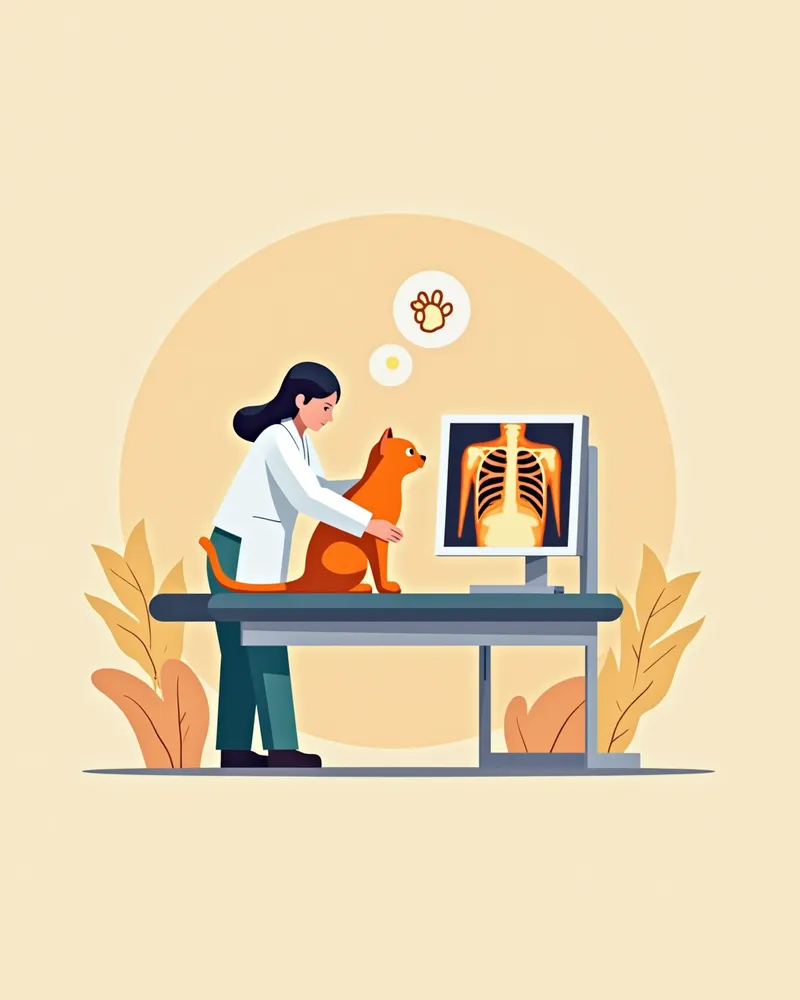
If respiratory abnormalities are suspected, the veterinarian will directly assess the condition of the lungs through chest X-rays. Blood tests help determine the presence of inflammation and identify the cause of infection. Oxygen saturation measurement allows for real-time monitoring of blood oxygen levels. Echocardiography is essential for evaluating heart structure and function to determine whether heart failure is present. Bronchoscopy may also be performed as needed. All these diagnostic tests play a crucial role in accurately identifying the underlying cause.
A veterinarian taking a chest X-ray of a cat

Treatment Methods Are Determined Step-by-Step Based on the Cause

If pneumonia is the cause of increased respiratory rate, antibiotic treatment is essential. For asthma, bronchodilators and steroid medications are used to open the airways and reduce inflammation. Congestive heart failure is managed with medications that improve heart function, and fluid regulation is also important. Oxygen therapy is administered immediately when respiratory distress is severe. Regular follow-up examinations and monitoring are necessary throughout the treatment process. Tailored treatment based on the underlying cause leads to effective recovery.
A cat wearing an oxygen mask

Home Care and Daily Monitoring Tips

It’s important to get into the habit of regularly checking your cat’s respiratory rate. Simply count their breaths for one minute while they are relaxed, and keeping a record will help you easily spot any changes. The environment should be well-ventilated and free from stressors.
Regular checks: Count breaths for one minute, 1–2 times daily, while your cat is relaxed.
Keep records: Maintain a daily log to monitor changes.
Environment control: Keep indoor temperature and humidity at appropriate levels.
Minimize stress: Respect your cat’s habits and personal space.
Dietary management: Feed a nutritionally balanced diet.
A home scene featuring a cat's respiratory rate chart, along with food and water bowls.

Respiratory Issues to Watch for by Cat Breed

If certain breeds are prone to a higher risk of respiratory diseases, closer monitoring is essential. However, based solely on the veterinary textbook references consulted, it is difficult to definitively conclude that specific breeds are more susceptible to airway or respiratory conditions. Furthermore, breed itself is not a direct cause of pulmonary edema. Therefore, regardless of breed, early diagnosis and consistent management are paramount for cats suspected of having a genetic predisposition or exhibiting recurring respiratory symptoms such as coughing or rapid breathing. Keeping a regular record of your cat’s resting respiratory rate to monitor for changes can be incredibly helpful.

Reviewed by a veterinarian

Dr. Tony — Punnawat Phongkittirak

Dr. Tony — Punnawat Phongkittirak

Veterinarian

A veterinarian who majored in veterinary medicine at Khon Kaen University, Thailand, and completed the IVSA program at North Carolina State University in the United States. Drawing on clinical experience at animal hospitals, he works in the pet healthcare field and is dedicated to building a digital care environment that connects pet parents with veterinarians.

Frequently Asked Questions

At what rate does a cat’s breathing become abnormally fast?
The normal respiratory rate is 20 to 40 breaths per minute. If it exceeds 40 breaths per minute, caution is warranted. If the rate is significantly outside the normal range and very rapid, or if the pet is breathing with its mouth open, or if the lips or tongue turn blue, immediate veterinary attention is required.
Why does my cat breathe rapidly?
Respiratory diseases, heart problems, stress, excessive exercise, and elevated body temperature can all be underlying causes. In particular, respiratory conditions or heart failure often present with persistent symptoms, making early diagnosis and treatment crucial.
How do I measure my pet’s respiratory rate at home?
When your cat is relaxed, count how many times its chest rises and falls in one minute. Observing it while lying on a bed or the floor works well. A quiet environment is necessary to minimize stress.
What can you do at home if your pet’s breathing becomes rapid?
At home, first keep your cat calm in a quiet, well-ventilated area, minimize stress and movement, and transport them to a veterinary clinic as quickly as possible—this is the most important step. A veterinary examination is essential to identify the cause and provide treatments such as oxygen therapy. Home care measures are only for emergency response, so professional veterinary care is absolutely necessary.
What tools are available for monitoring a cat’s respiratory rate?
The most practical method is to simply count your pet’s breaths for one minute using a regular clock or a smartphone timer. While dedicated respiratory rate monitors are available, only a veterinarian can provide an accurate diagnosis. Additionally, keeping regular records helps track the progression of symptoms.

Share

Related Guides

References

[1] Advanced Monitoring for Small Animal Emergency and Critical Care, 2nd Ed. (2017). Elsevier.

[2] Lumb, A.B. (2017). Oxygen. In: Nunn’s Applied Respiratory Physiology, 8e, 169–202. Elsevier.

[3] Gray, S. (2023). Pulse Oximetry and Co-Oximetry. In: Advanced Monitoring for Small Animal Emergency and Critical Care, 2nd Ed. Elsevier.

This information is based on veterinary literature and does not replace diagnosis or treatment. Please consult a veterinarian for specific health concerns.

Metapet Co., Ltd. | CEO: Park Sung-yong | Business Reg. No. 417-88-02562 | Seoul, South Korea | Customer Center

Cat Respiratory Rate Monitoring: Normal Range & Warning Signs | Meongsiljang