
Complete Guide to Feline Insulin Injections and Dosage — Including Critical Hypoglycemia Warning Signs
Insulin injections are the cornerstone of treating feline diabetes. Mastering proper injection techniques and dose adjustments is essential for effective disease management.
Insulin Injection Therapy is the Cornerstone of Feline Diabetes Management
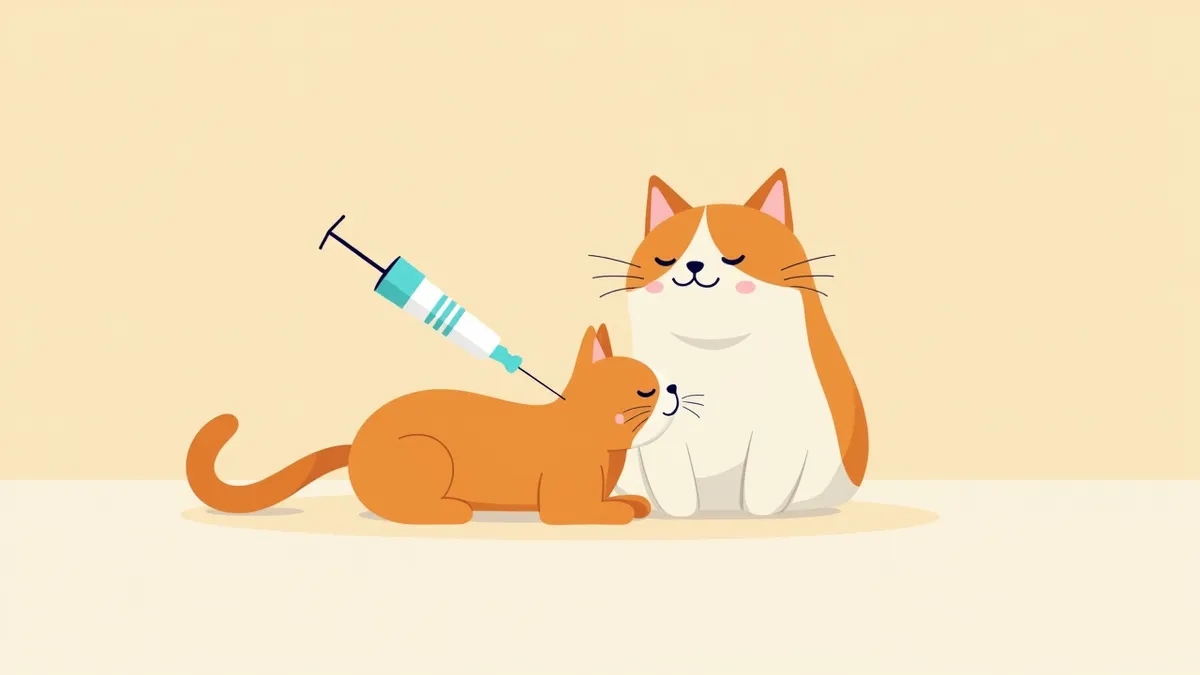
Main Causes and Pathogenesis of Insulin Injection Therapy
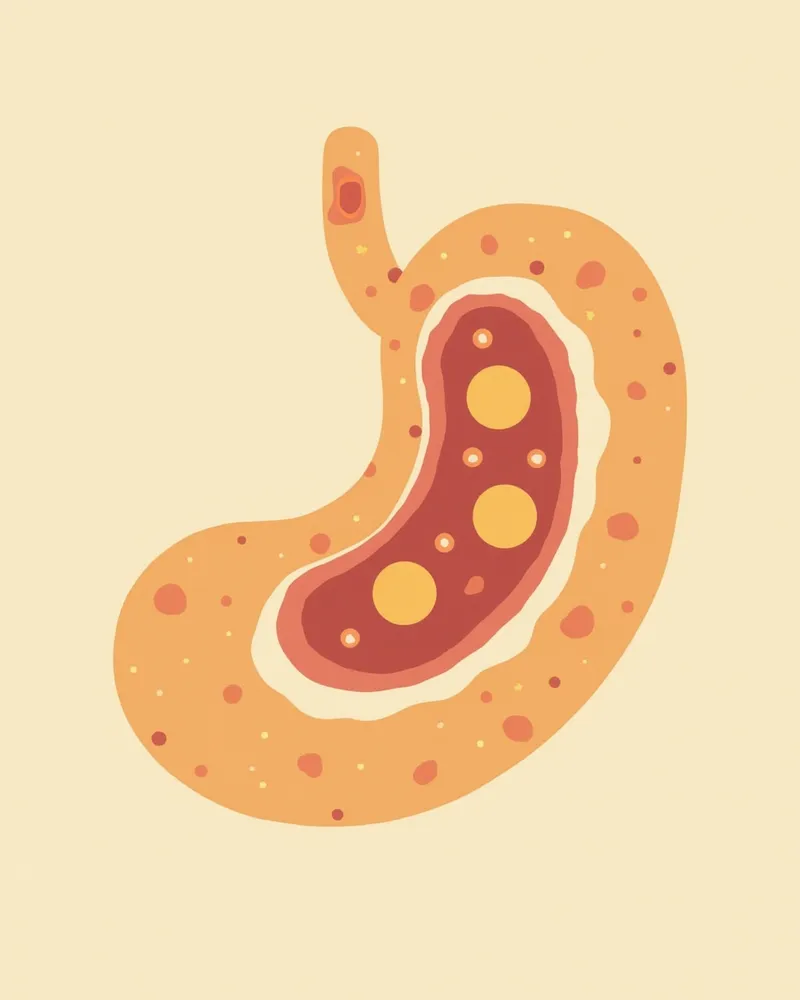
Main Symptoms and Signs Associated with Insulin Injections
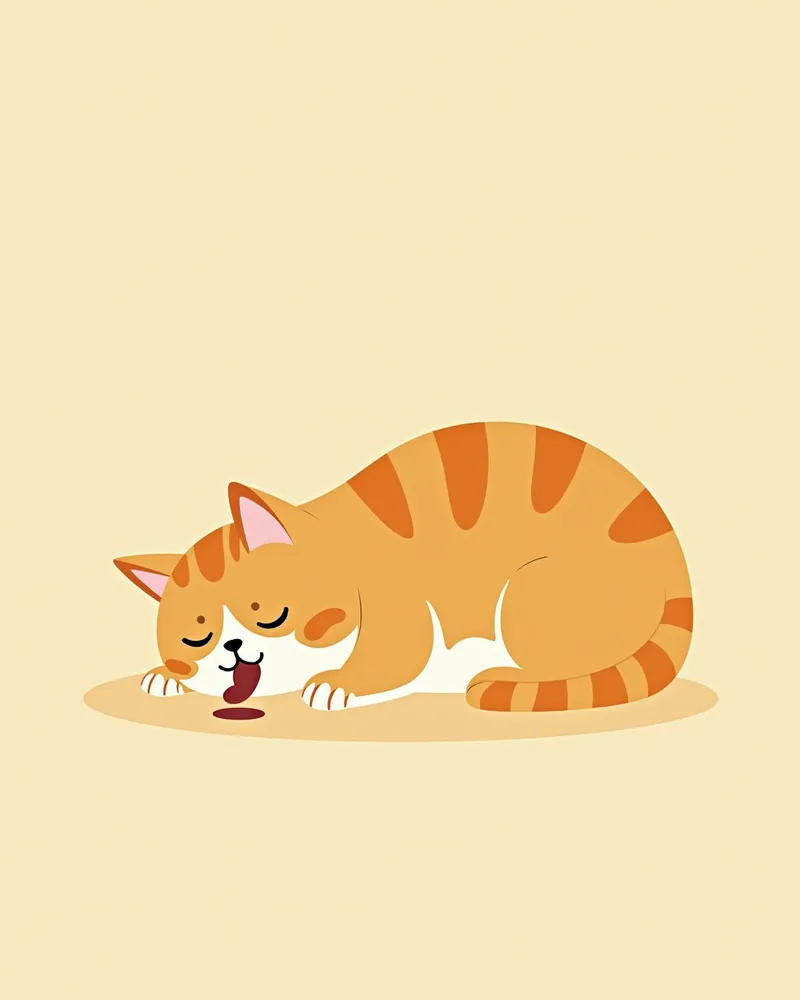
Symptoms Requiring Immediate Veterinary Care
If your cat repeatedly shows signs of lethargy, fainting, seizures, vomiting, or loss of appetite, seek veterinary care immediately. These are serious symptoms of hypoglycemia, which can be life-threatening. It’s important for pet owners to stay calm and keep a blood glucose monitor and sugar-containing liquids (such as sugar water) on hand.
Tests and Evaluation Methods for Accurate Diagnosis

Step-by-Step Approach to Insulin Injection Therapy

Home Care and Daily Management Points
Breed-Specific Precautions and Points for Preventing Recurrence
Obesity is a major risk factor for insulin resistance, making weight management essential. Some cats may have a higher genetic predisposition to diabetes, so regular check-ups and weight control are important. Additionally, abrupt changes in insulin dosage can increase the risk of hypoglycemia, so never adjust the dose without your veterinarian’s guidance.
Reviewed by a veterinarian

Dr. Tony — Punnawat Phongkittirak
VeterinarianA veterinarian who majored in veterinary medicine at Khon Kaen University, Thailand, and completed the IVSA program at North Carolina State University in the United States. Drawing on clinical experience at animal hospitals, he works in the pet healthcare field and is dedicated to building a digital care environment that connects pet parents with veterinarians.
Reviewed 2026-06-01
Frequently Asked Questions
How many times a day should I give my cat insulin injections?
What should I do if my pet develops low blood sugar after an injection?
How do you adjust the insulin injection dosage?
When is the best time to feed my pet after giving an insulin injection?
Does insulin injection cure diabetes?
Share
Related Guides

Top 5 Prescription Dog Foods for Diabetes Recommended by Veterinarians — Blood Sugar-Stabilizing Food Comparison
7 Key Products for Managing Feline Hypercalcemia Recommended by Veterinarians and Selection Criteria
7 Key Points for Canine Thyroid T4 Testing by Veterinarians — From Timing to Result Interpretation
Complete Guide to Feline Antiarrhythmic Medications — Types, Effects, and Side Effect Management

If Your Dog’s Eyes Are Crossed — Causes of Strabismus and When to Seek Treatment

The Complete Guide to the Schirmer Tear Test for Dogs — Key to Early Detection of Dry Eye

If Your Dog Suddenly Loses Vision — Warning Signs of Retinal Detachment and Emergency Response

My Dog’s Eye Discharge Is Sticky — Symptoms and Treatment Points for Keratoconjunctivitis Sicca (KCS)

Cyclosporine Treatment for Canine Keratoconjunctivitis Sicca — Efficacy and Lifelong Management Points

If Your Dog’s Eyes Are Red and Bloodshot — Conjunctivitis Symptoms, Causes, and When to Treat
References
[1] Plumb, D.C. (2023). Plumb's Veterinary Drug Handbook, 10th Edition. Wiley-Blackwell.
[2] The Cat, Clinical Medicine and Management, 2nd Edition (2021). Elsevier Health Sciences.
[3] American Association of Feline Practitioners (AAFP). (2022). Feline Diabetes Mellitus Guidelines.