
If Your Cat Keeps Having Seizures — Warning Signs of Hypoparathyroidism and Hypocalcemia
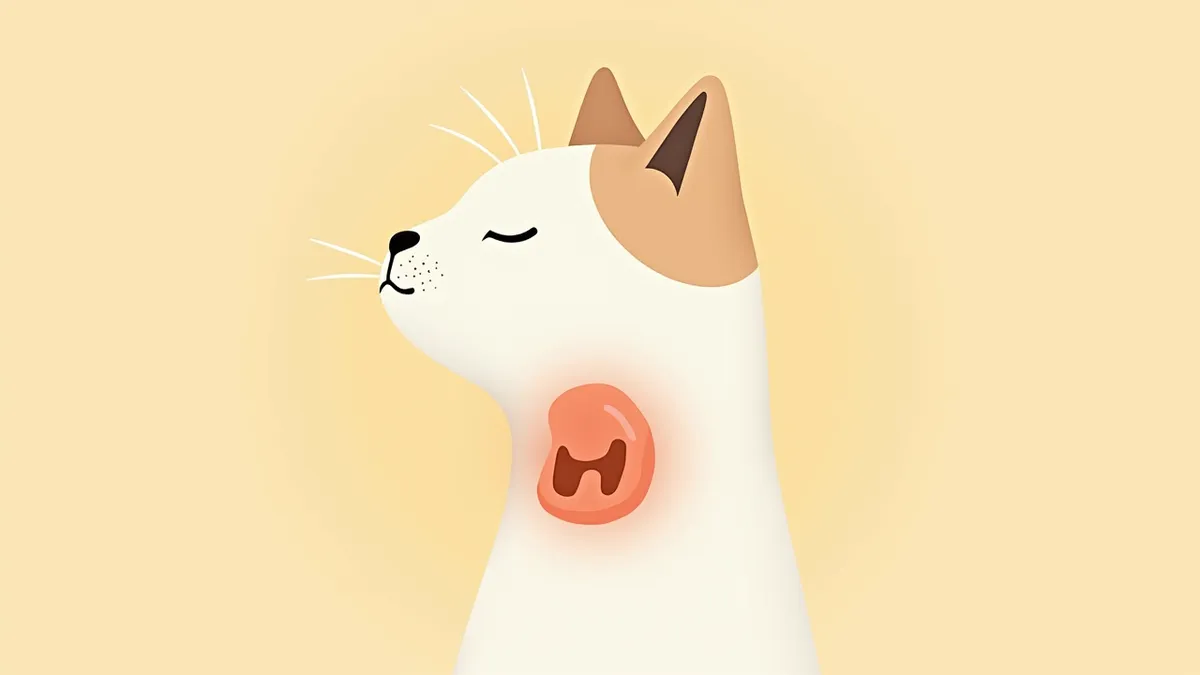
Feline hypoparathyroidism is an endocrine disorder caused by damage to the parathyroid glands, which play a crucial role in calcium regulation, and can lead to symptoms such as seizures, muscle stiffness, and behavioral changes. Early diagnosis and treatment are essential.
What Is Feline Hypoparathyroidism?
What Are the Main Causes?

Main Symptoms and Signs
When to Seek Immediate Veterinary Care
If your cat experiences repeated seizures or becomes immobile due to severe muscle rigidity, seek veterinary care immediately. Extremely low calcium levels can be life-threatening. In emergency situations, a veterinarian will administer calcium intravenously.
Accurate Diagnostic Methods
Treatment Methods and Step-by-Step Management
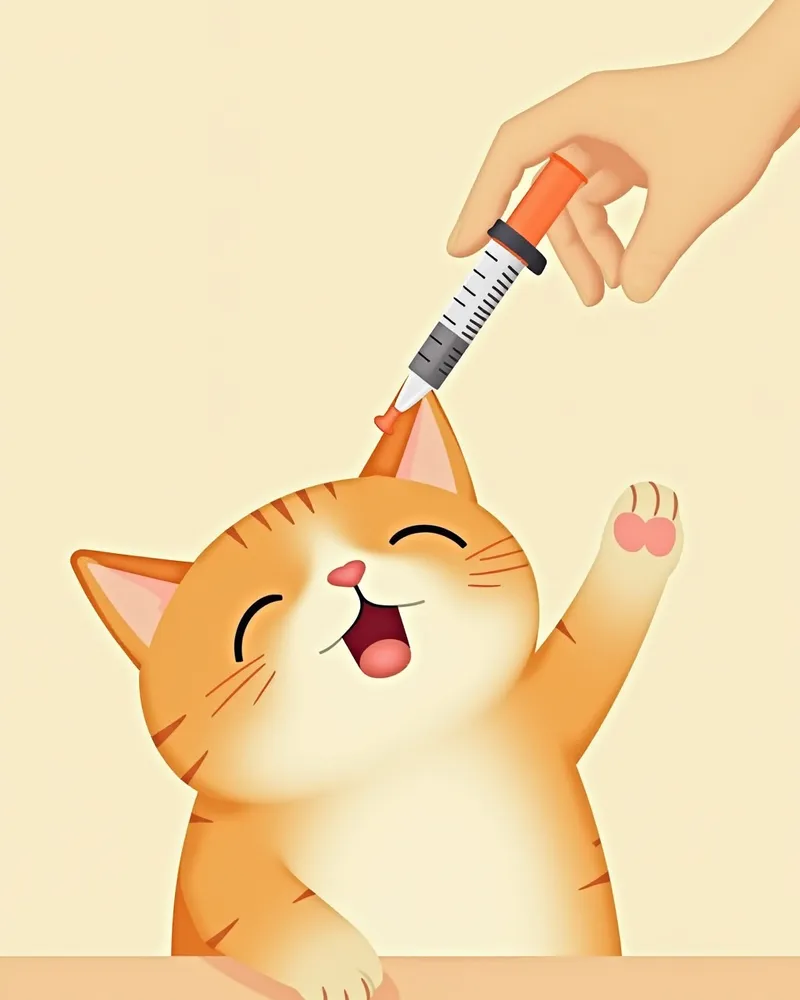
Management Points at Home
Preventing Recurrence and Precautions
Feline hypoparathyroidism is a condition that requires consistent, long-term management. It is especially important to be vigilant in the days immediately following neck surgery, such as a bilateral thyroidectomy, as symptoms of low calcium can appear quickly. Even if your cat’s calcium levels appear normal, do not stop any prescribed medications without your veterinarian’s approval. Discontinuing supplementation can cause calcium levels to drop again, leading to a recurrence of symptoms. Ongoing, long-term care is essential.
Reviewed by a veterinarian

Dr. Tony — Punnawat Phongkittirak
VeterinarianA veterinarian who majored in veterinary medicine at Khon Kaen University, Thailand, and completed the IVSA program at North Carolina State University in the United States. Drawing on clinical experience at animal hospitals, he works in the pet healthcare field and is dedicated to building a digital care environment that connects pet parents with veterinarians.
Reviewed 2026-06-01
Frequently Asked Questions
Is hypoparathyroidism in cats treatable?
What should I do if my pet has a seizure?
Will the symptoms return if I stop the medication?
How should I adjust my pet’s diet?
Is this condition hereditary?
Share
Related Guides

Top 5 Prescription Dog Foods for Diabetes Recommended by Veterinarians — Blood Sugar-Stabilizing Food Comparison
7 Key Products for Managing Feline Hypercalcemia Recommended by Veterinarians and Selection Criteria

7 Key Points for Canine Thyroid T4 Testing by Veterinarians — From Timing to Result Interpretation
Changes in Your Dog After the Baby Arrives — Causes of Behavioral Changes and Safe Adaptation Management

Why Is My Cat Spraying Urine Everywhere? — Causes of Spray Marking and Key Points for Distinguishing Medical Conditions
If Your Cat Keeps Fighting — Signs of Territorial Stress and When to Diagnose and Manage
Why Won’t My Cat Sleep at Night? — Causes of Sleep-Disrupting Behaviors and Disease Signals You Must Not Miss

My Cat Cries When Left Alone — Causes of Separation Anxiety and Signs It’s Time to Visit the Vet

Why Your Cat Suddenly Bites — Causes and Behavior Modification for Play Aggression

If Your Cat Keeps Losing Hair — Causes of Excessive Grooming and Signs to See a Vet
References
[1] Peterson ME, Kintzer PP, Hurvitz AI. Methimazole treatment of 262 cats with hyperthyroidism. J Vet Intern Med. 1988;2:150.
[2] Fox P, Peterson M, Broussard J. Electrocardiographic and radiographic changes in cats with hyperthyroidism: comparison of populations evaluated during 1992-1993 vs. 1979-1982. J Am Anim Hosp Assoc. 1998;35:27.
[3] Hill P, Warman S, Shawcross G. 100 Top Consultations in Small Animal General Practice. Blackwell Publishing Ltd, 2011.