Like
Share
멍실장
고양이 인슐린종 증상과 원인, 진단·치료와 관리 포인트 총정리

When Your Cat Keeps Stumbling — Suspected Insulinoma Symptoms and When to Visit the Vet

EndocrineDiseasesMeongsiljang Veterinary Advisory Board

Feline insulinoma is a rare disease caused by a pancreatic tumor that secretes excessive insulin, leading to hypoglycemia. Early diagnosis and proper management are key to improving survival rates.

What Is Feline Insulinoma?
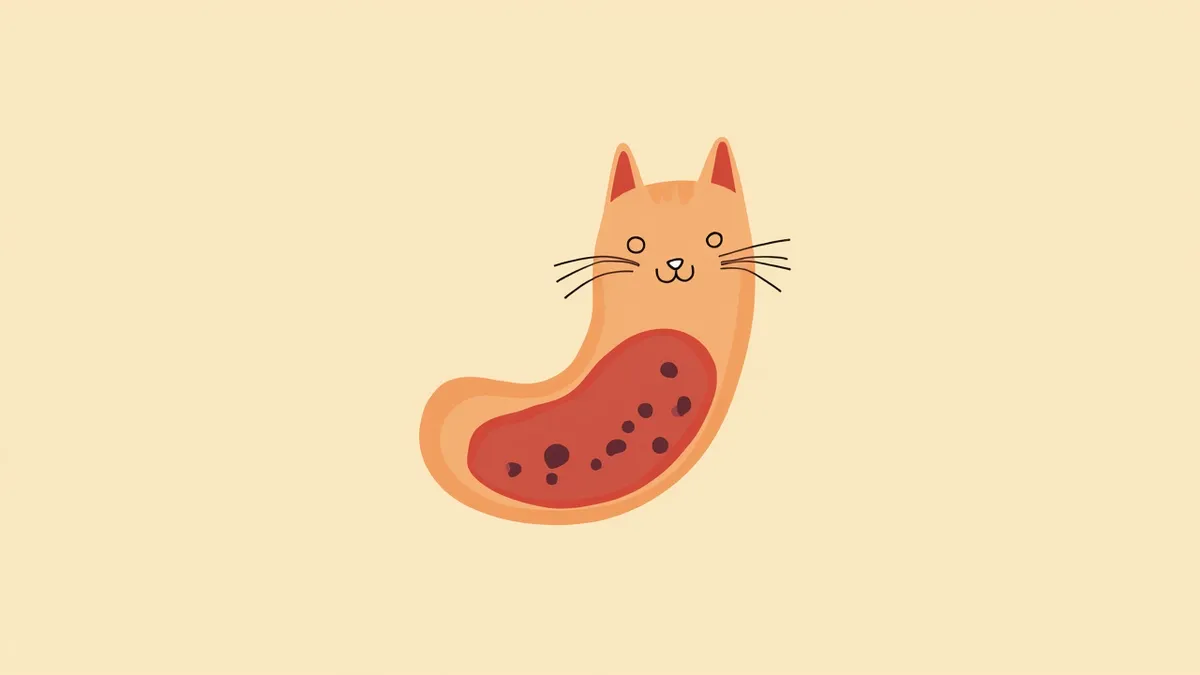
Internal anatomy diagram of a cat with a pancreatic tumor
Feline insulinoma is a tumor arising from the beta cells of the pancreas, which inappropriately continues to secrete insulin even during hypoglycemia, leading to low blood sugar. Islet cell tumors are relatively rare in companion animals and are typically reported in older cats. Early recognition of symptoms and prompt veterinary care are key to effective management. - Hypoglycemia: As blood sugar drops, symptoms such as trembling legs, collapse, lethargy, and seizures may occur. - Tumor nature: Both benign and malignant forms have been reported; however, in domestic animals, malignant tumors are actually more common, and metastasis is not uncommon. - Age of onset: These tumors tend to be reported in older cats. - Diagnostic difficulty: Because symptoms can be transient and nonspecific, they are easily overlooked, making accurate diagnostic testing essential.

What Are the Main Causes of Insulinoma?
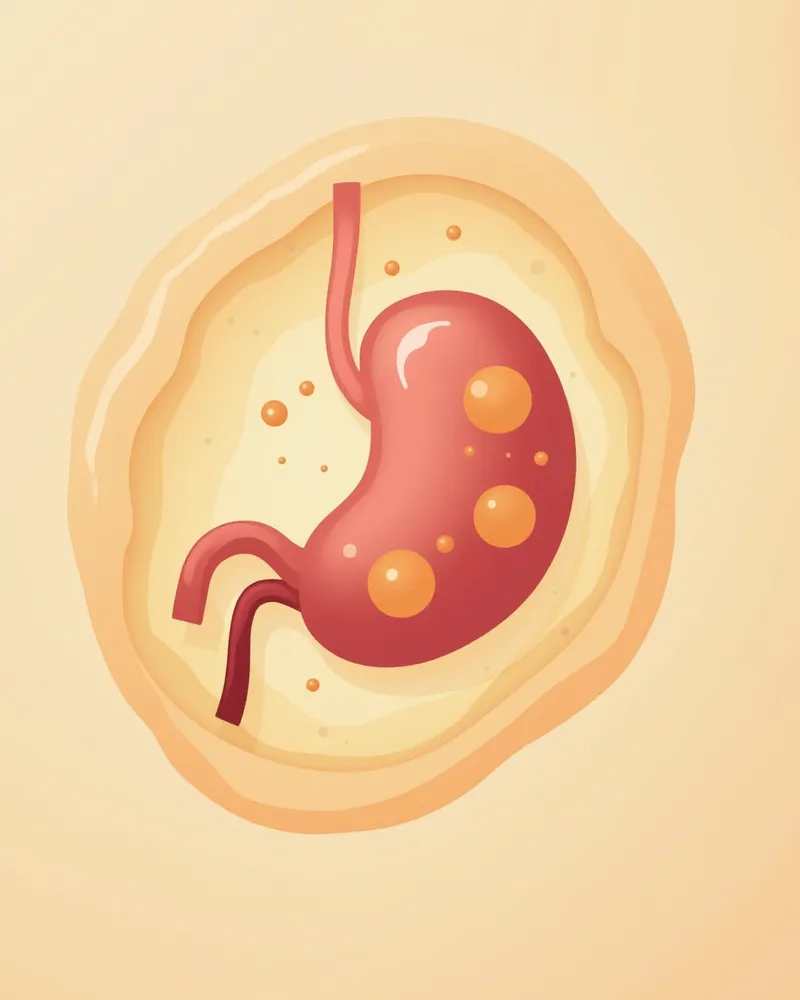
The exact cause of insulinoma in cats has not yet been clearly identified. However, based on established veterinary knowledge, the key points are as follows: - Beta-cell tumor: This is a tumor originating from the beta cells of the pancreatic islets, with tumor cells autonomously secreting insulin. - Autonomous secretion: Normally, hypoglycemia suppresses insulin release, but the tumor continues to secrete insulin even in the presence of low blood sugar. - Tendency in older cats: Insulinoma is more commonly reported in relatively older cats. - Rare occurrence: Pancreatic islet cell tumors are themselves rare in companion animals. - Genetic and environmental factors: There is currently no evidence to support a link between insulinoma and genetic predisposition or environmental factors such as diet or stress.
Microscopic image of abnormally enlarged pancreatic beta cells

Check for Key Symptoms and Signs

Symptoms of insulinoma in cats are caused by hypoglycemia and may come and go, making them easy for owners to miss. Close observation is essential.
Hypoglycemic tremors: Sudden leg trembling, loss of balance, or weakness.
Decreased consciousness or seizures: Collapsing, delayed responses, or seizure-like episodes.
Behavioral changes: Unusual behavior or signs of confusion.
Reduced energy: Noticeable decrease in activity due to generalized weakness and fatigue.
Increased hunger: Strong feelings of hunger as blood sugar levels drop.
These symptoms may alternate with periods of normal blood sugar. If they recur, immediate veterinary care is necessary.
A cat trembling due to low blood sugar

Emergency Signs Requiring Immediate Veterinary Care

If your pet loses consciousness or experiences seizures or convulsions, seek veterinary care immediately. Severe hypoglycemia can lead to life-threatening conditions, including generalized weakness and seizures. Since it’s difficult to accurately assess blood sugar levels at home, contact your veterinarian right away if you notice any symptoms.

Diagnostic Tests for Accurate Diagnosis

Diagnosing feline insulinoma based on symptoms alone is difficult, so a comprehensive diagnostic workup is necessary. - Blood glucose measurement: If blood glucose is approximately 54 mg/dL (3 mmol/L) or lower when clinical signs are present, hypoglycemia is suspected. In intermittent cases, fasting for up to 72 hours may be used to confirm hypoglycemia. - Insulin measurement: Inappropriately high serum insulin levels (e.g., exceeding 20 mU/L) in the presence of hypoglycemia are a key finding suggestive of insulinoma. - Imaging studies: Ultrasound or CT scans are used to determine the location and size of pancreatic tumors. - Blood tests: Overall health status, including liver and kidney function, is assessed, along with evaluation for decreased fructosamine levels. - Comprehensive diagnosis: Insulinoma is diagnosed by integrating findings of hypoglycemia and inappropriately elevated insulin levels.
A cat undergoing an ultrasound to confirm a pancreatic tumor.

Treatment Options and Step-by-Step Management Strategies
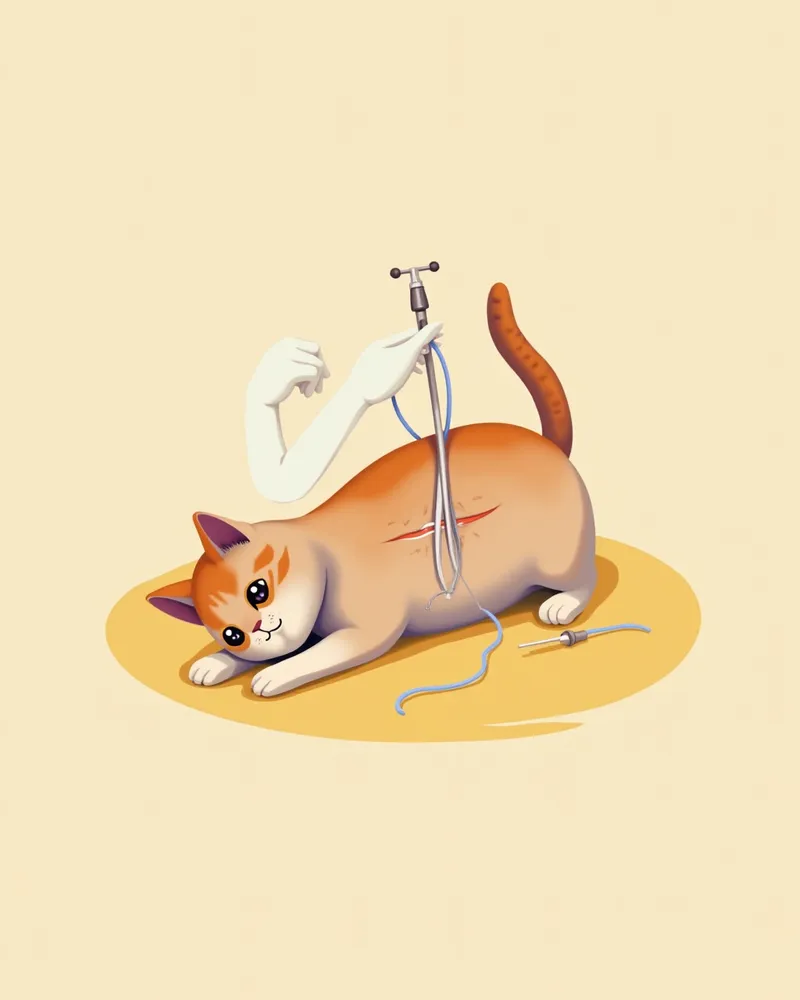
Treatment depends on the tumor’s size, whether it has metastasized, and the cat’s overall health. - Surgical treatment: If the tumor is localized and resectable, surgical removal (excision or partial pancreatectomy) is the preferred option. - Medical treatment: When surgery is not feasible or metastasis is present, medications such as prednisolone (a steroid), diazoxide, and octreotide are used to stabilize blood glucose. Intravenous glucagon may be administered in cases of acute hypoglycemic crisis. - Dietary management: It is important to feed a diet rich in protein, fat, and complex carbohydrates in small, frequent meals throughout the day to minimize blood glucose fluctuations. - Regular monitoring: Continuously track blood glucose changes and adjust the treatment plan in collaboration with your veterinarian. - Lifestyle management: Since exercise and excitement can trigger hypoglycemia, minimizing stimulation and maintaining a calm, consistent routine can be helpful.
A cat undergoing surgery for an insulinoma

Home Care Points

Home care is crucial to the success of treatment. It is essential to divide meals regularly, monitor blood sugar levels, adhere to medication schedules, and record any changes in symptoms. Additionally, maintaining a quiet environment to minimize stress and avoiding sudden changes are important for your cat's well-being.
Small, Frequent Meals: Offer food in small portions, 4 to 6 times a day.
Blood Sugar Log: Record the time and details whenever symptoms occur.
Consistent Medication Schedule: Administer medication at the same time every day.
Stable Environment: Reduce noise, changes, and external stimuli.
Emergency Sugar Supply: Keep sugar on hand to respond quickly if blood sugar drops suddenly.
A cat eating small, frequent meals and monitoring its blood sugar levels.

Watch for Recurrence and Metastasis

Because insulinomas can metastasize, regular check-ups are essential even after surgery. It’s a good idea to consult with your veterinarian and periodically monitor for recurrence or metastasis through blood tests and imaging. In fact, there are documented cases where hypoglycemia reoccurs post-surgery due to metastasis. If metastasis is suspected, prompt action is crucial.

Reviewed by a veterinarian

Dr. Tony — Punnawat Phongkittirak

Dr. Tony — Punnawat Phongkittirak

Veterinarian

A veterinarian who majored in veterinary medicine at Khon Kaen University, Thailand, and completed the IVSA program at North Carolina State University in the United States. Drawing on clinical experience at animal hospitals, he works in the pet healthcare field and is dedicated to building a digital care environment that connects pet parents with veterinarians.

Frequently Asked Questions

Can feline insulinoma be treated?
If the tumor is localized and can be surgically removed, symptoms often improve significantly. However, if there’s metastasis, surgery isn’t feasible, or hypoglycemia recurs post-surgery due to metastasis, long-term management with medication is necessary. Early detection is key.
What should you do if your pet shows signs of hypoglycemia?
Provide sugar immediately. Gently rub a small amount of sugar water or honey on the gums, or follow the emergency instructions recommended by your veterinarian. In severe cases, intravenous glucose or glucagon may be required, so a follow-up visit to the clinic is essential.
Is insulinoma a common disease in cats?
Islet cell tumors are rare in pets, with a tendency to occur in older cats. Since symptoms can be transient and easy to miss, careful observation is important.
Is there a genetic component to insulinoma?
The exact genetic cause remains unknown, and current evidence does not show a clear association with any specific breed. However, since this condition tends to be reported more frequently in older cats, extra vigilance is needed as your cat ages.
Can I measure blood sugar at home?
While it can be challenging for pet owners to accurately measure blood sugar levels at home, you can prepare by learning the emergency response steps recommended by your veterinarian. Regular check-ups remain the safest approach.

Share

Related Guides

References

[1] Plumb's Veterinary Drug Handbook, 10th Ed, 2023

[2] The Cat: Clinical Medicine and Management, 2nd Edition, 2021

[3] Small Animal Endocrinology, 3rd Edition, 2022

This information is based on veterinary literature and does not replace diagnosis or treatment. Please consult a veterinarian for specific health concerns.

Metapet Co., Ltd. | CEO: Park Sung-yong | Business Reg. No. 417-88-02562 | Seoul, South Korea | Customer Center

Cat Keeps Stumbling? Feline Insulinoma Signs & Vet Timing | Meongsiljang