Like
Share
멍실장
고양이 저혈당증 증상과 원인, 진단·치료와 관리 포인트 총정리

When Your Cat Is Lethargic and Stumbling — Hypoglycemia Warning Signs and Emergency Response

EndocrineDiseasesMeongsiljang Veterinary Advisory Board

Feline hypoglycemia is an acute condition in which low blood sugar impairs nervous system function and can progress to shock. Early detection and proper management are essential.

What Is Feline Hypoglycemia?

A cat’s face appearing confused due to hypoglycemia
Feline hypoglycemia is an acute condition in which low blood sugar levels impair normal brain function. It is especially common in cats undergoing treatment for diabetes, and early signs can be subtle, making it easy for pet owners to overlook. - Low blood sugar: When glucose levels in the blood drop, the brain doesn’t receive enough energy, leading to dizziness and lethargy. - Neurological abnormalities: Symptoms may include tremors, decreased consciousness, or seizures. - Acute emergency: If left untreated, it can lead to brain damage or even death, so immediate action is essential. - Early detection: It’s crucial to visit a veterinarian as soon as symptoms appear.

What Are the Main Causes?

The most common cause of hypoglycemia in cats is excessive insulin administration during diabetes treatment. - Excessive insulin: If the injected dose is too high or exceeds the amount appropriate for the cat’s food intake, blood sugar levels can drop rapidly. - Inadequate food intake: Even if insulin is administered at the correct dose, a lack of appetite and reduced food consumption can significantly increase the risk of hypoglycemia. - Impaired liver function: The liver plays a key role in producing and supplying glucose; therefore, compromised liver function can make blood sugar regulation difficult. - Severe infections or serious illnesses: Increased glucose consumption by the body or decreased glucose production can lead to low blood sugar levels. - Tumors or endocrine disorders: Pancreatic tumors such as insulinomas can cause hypoglycemia by secreting excessive amounts of insulin.
A veterinarian preparing an insulin injection for a cat

Main Symptoms and Signs

The early signs of hypoglycemia in cats can be easily overlooked. They often begin with behavioral changes that gradually worsen, and neurological symptoms may appear after exercise or excitement. If you notice these symptoms, immediate veterinary care is essential.
Lethargy: Your cat becomes easily fatigued, remaining in the same spot all day with little movement.
Generalized weakness and ataxia: They may stumble frequently, walk unsteadily, or collapse weakly.
Behavioral changes: Your cat may seem restless, suddenly vocalize, become unusually tense or sensitive, or appear confused.
Muscle tremors and seizures: You may observe shaking, convulsions, or even loss of consciousness.
Decreased level of consciousness: Responses become slow, or your cat may show no reaction to external stimuli.
A cat experiencing seizures due to hypoglycemia

Emergency Signs Requiring Immediate Veterinary Care

If your pet loses consciousness or experiences seizures that do not stop, seek immediate veterinary care. Prolonged hypoglycemia can cause permanent damage to the brain's nerve cells. At the clinic, glucose will be administered intravenously. If emergency treatment is delayed, neurological sequelae may persist even after recovery.

Accurate Diagnostic Methods

Hypoglycemia can be accurately diagnosed through blood tests. - Blood glucose measurement: It is most important to draw blood and check glucose levels as soon as symptoms appear. In cats, a blood glucose level below approximately 70 mg/dL is considered low, and neurological symptoms tend to manifest when levels drop even further. - Correlating symptoms with test results: If blood glucose is low during episodes of decreased consciousness or seizures, and symptoms improve after glucose supplementation, hypoglycemia can be diagnosed. - Auxiliary tests: Liver function, pancreatic enzymes, and hormone levels are analyzed together, and abdominal ultrasound may be performed if necessary to identify the underlying cause. - Definitive diagnosis: The veterinarian makes the final diagnosis by integrating clinical signs with test results.
A veterinarian drawing blood from a cat's paw

Treatment Methods and Step-by-Step Response
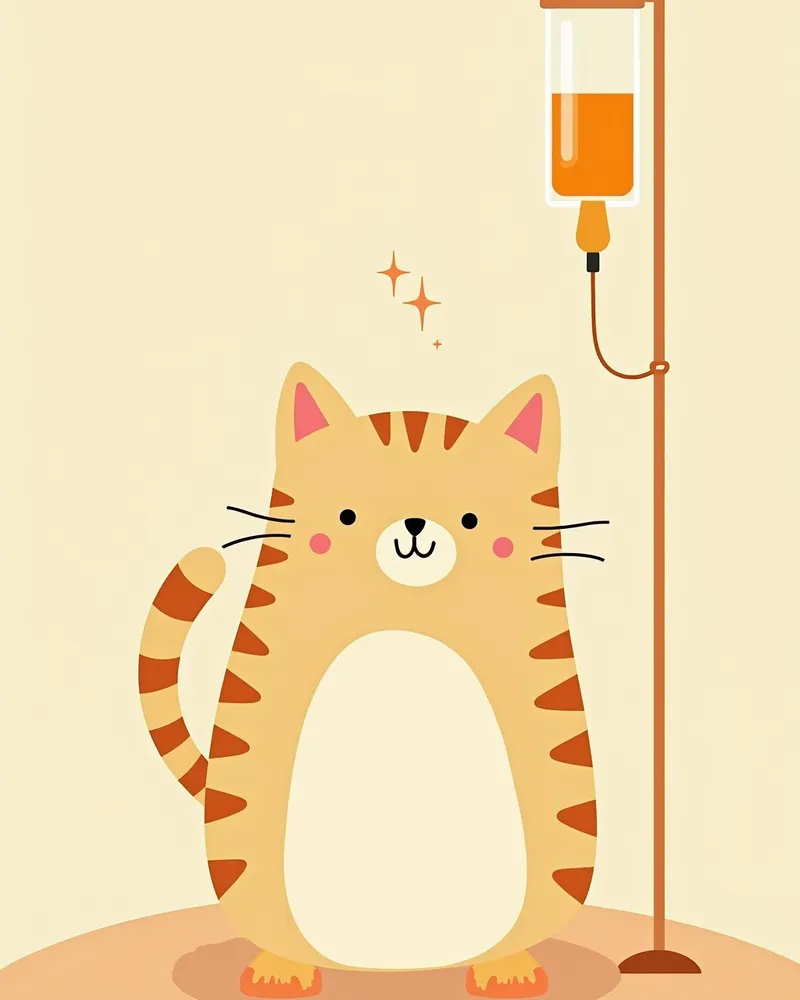
The key to treatment is rapid glucose supplementation. - Immediate supplementation: If your pet is conscious and able to swallow, you can apply oral glucose solution (syrup) to the gums. However, if they are unconscious or having seizures, do not administer anything by mouth due to the risk of aspiration; instead, seek immediate veterinary care for intravenous glucose administration. - Adjustment after stabilization: Once blood sugar levels stabilize, reduce the insulin dose or adjust the timing of administration. When restarting treatment, proceed cautiously with conservative adjustments. - Meal management: Ensure your pet eats promptly and does not skip meals after receiving an insulin injection. - Regular monitoring: Frequently monitor blood sugar levels during treatment to prevent recurrence. - Individualized treatment plan: Work with your veterinarian to develop a customized treatment plan tailored to your pet’s specific condition.
A cat receiving glucose supplementation through an intravenous injection

Management Points at Home

Because hypoglycemia is highly likely to recur, consistent management is essential. - Regular meals: It’s best to provide a consistent amount of food at set times, divided into regular feedings. - Align injections with meals: Ensure your pet eats promptly and doesn’t skip meals after an insulin injection. - Track symptoms: Keep a record of when hypoglycemia tends to occur, which makes early intervention easier. - Collaborate with your veterinarian: Work together on a treatment plan and consult your vet immediately if any changes arise. - Prepare for emergencies: Make sure all family members know the signs of hypoglycemia and how to respond, and keep emergency glucose syrup at home for safety. - Regular check-ups: Monitor your pet’s condition through periodic blood tests.
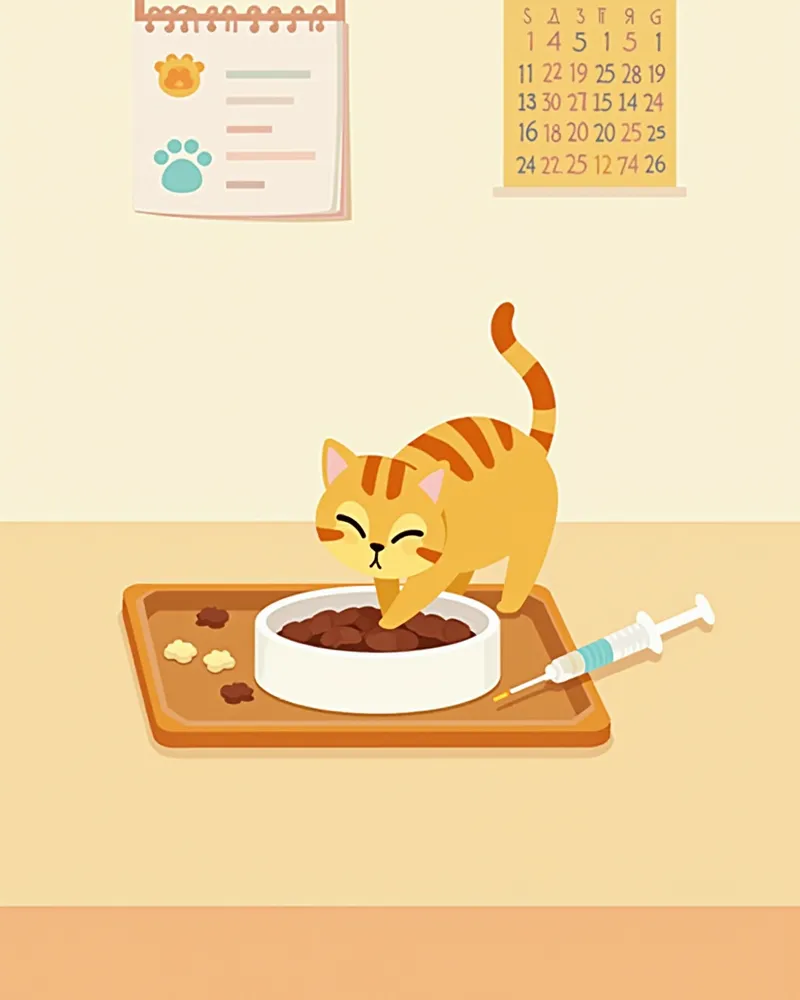
A home care scene where the timing of a cat's meals and insulin administration is recorded.

Special Precautions for Cats with Diabetes

Cats being treated for diabetes are at high risk of hypoglycemia. Never adjust insulin doses on your own; always follow your veterinarian’s instructions. Contact your vet immediately if your cat eats less or shows signs of illness. Regular check-ups and blood glucose monitoring are essential to prevent recurrence.

Reviewed by a veterinarian

Dr. Tony — Punnawat Phongkittirak

Dr. Tony — Punnawat Phongkittirak

Veterinarian

A veterinarian who majored in veterinary medicine at Khon Kaen University, Thailand, and completed the IVSA program at North Carolina State University in the United States. Drawing on clinical experience at animal hospitals, he works in the pet healthcare field and is dedicated to building a digital care environment that connects pet parents with veterinarians.

Frequently Asked Questions

Is hypoglycemia common in cats?
This condition is commonly seen in cats being treated for diabetes, though not every diabetic cat will experience it. The risk is particularly high when insulin is overdosed or when the cat doesn’t eat enough.
What should I do if my pet develops hypoglycemia?
Administer oral glucose solution immediately by dripping it into the mouth, or seek veterinary care for intravenous glucose supplementation. Never force food into an unconscious animal.
Can hypoglycemia occur after eating?
Although it’s rare for blood sugar to drop sharply after meals, it can happen if the timing of insulin administration doesn’t align with meal intervals. Maintaining a consistent feeding schedule is important.
Can hypoglycemia affect the brain?
Severe hypoglycemia can lead to brain damage. Without immediate treatment, it may also cause long-term neurological problems, so early intervention is essential.
Can it be prevented?
Regular blood glucose monitoring, adjusting insulin dosage, consistent feeding, and close collaboration with your veterinarian can help prevent complications.

Share

Related Guides

References

[1] Feline Emergency and Critical Care Medicine, 2nd Ed. (2018). Blackwell Publishing.

[2] Nelson, R.W. et al. (2001). Efficacy of protamine zinc insulin for treatment of diabetes mellitus in cats. J. Am. Vet. Med. Assoc.

[3] The Cat, Clinical Medicine and Management, 2nd Edition. (2015). Elsevier Saunders.

This information is based on veterinary literature and does not replace diagnosis or treatment. Please consult a veterinarian for specific health concerns.

Metapet Co., Ltd. | CEO: Park Sung-yong | Business Reg. No. 417-88-02562 | Seoul, South Korea | Customer Center

Cat Lethargic & Stumbling? Hypoglycemia Warning Signs | Meongsiljang