Like
Share
멍실장
강아지 지아르디아 증상과 원인, 진단·치료와 관리 포인트 총정리

Canine Giardiasis: Symptoms, Causes, Diagnosis, Treatment, and Management Essentials

Infection/ParasitesDiseasesMeongsiljang Veterinary Advisory Board

Canine giardiasis is an intestinal infection caused by a parasite, leading to symptoms such as diarrhea, abdominal pain, and weight loss. Early diagnosis and appropriate treatment are essential.

Canine giardiasis is an intestinal infection caused by a parasite

Giardia parasite cultures found in dog feces
Canine giardiasis is an intestinal infection caused by the Giardia parasite. This parasite spreads to dogs through contaminated water or environments, as well as through the feces of infected animals. Once inside the dog, it primarily colonizes and multiplies in the small intestine, which can lead to diarrhea and digestive issues. Symptoms are especially likely to appear in puppies, dogs with weakened immune systems, or those under stress or living in group settings. Therefore, early diagnosis and appropriate treatment are crucial. To help prevent infection, it’s important to block transmission routes and maintain strict hygiene. When visiting the vet, a fresh stool sample is needed for accurate diagnosis through a fecal exam.

The main causes of Giardia infection are contaminated water and environments
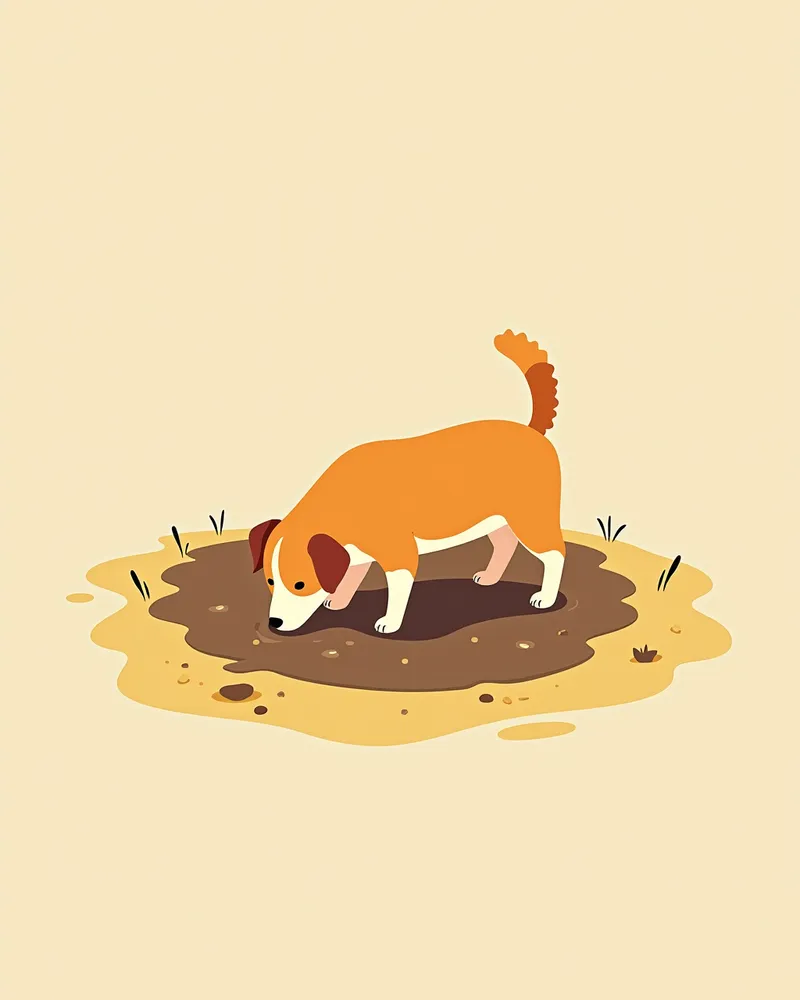
Giardia infection is primarily caused by the feces of the parasite, which can be found in contaminated water, soil, playgrounds, and rivers. Licking the ground or drinking from flowing water increases the risk of infection. The parasite can survive in the environment for several weeks after being shed, and ingestion leads to infection. Dogs that frequently play in parks or outdoors require particular attention. Maintaining a hygienic environment and providing clean drinking water are essential. Wiping your dog's paws after playtime is also helpful for preventing infection.
A puppy drinking water from a muddy puddle outdoors.

Main symptoms include diarrhea, abdominal pain, and weight loss

The most common symptom of giardiasis in dogs is chronic, intermittent diarrhea. The stool is often watery, foul-smelling, and may appear greasy (steatorrhea) or contain mucus. Prolonged diarrhea can lead to weight loss, and if the condition becomes chronic, it may cause malabsorption and subsequent nutritional deficiencies. Conversely, fever, vomiting, and decreased appetite are relatively uncommon, and mild symptoms can sometimes go unnoticed for extended periods. Therefore, early detection is key.
Chronic and intermittent diarrhea: Recurrent watery stools, sometimes mixed with mucus.
Steatorrhea: Stools may appear greasy and have a strong odor.
Weight loss: Prolonged diarrhea can result in weight loss.
Nutritional deficiencies: Chronic cases may impair nutrient absorption.
Signs of dehydration: Severe diarrhea can lead to dehydration; watch for dry mouth and reduced skin elasticity.
A puppy suffering from abdominal pain

If persistent diarrhea or weight loss lasts more than three days, immediate veterinary visit is required

If your dog experiences diarrhea lasting more than three days or shows weight loss, giardiasis should be considered as a possible cause. During this period, dehydration and malnutrition can progress rapidly, so it is important to consult a veterinarian promptly and submit a fresh stool sample for testing. Without early diagnosis, the condition can lead to chronic diarrhea, so close attention is necessary.

Diagnosis is performed through fecal exams and parasite antigen detection
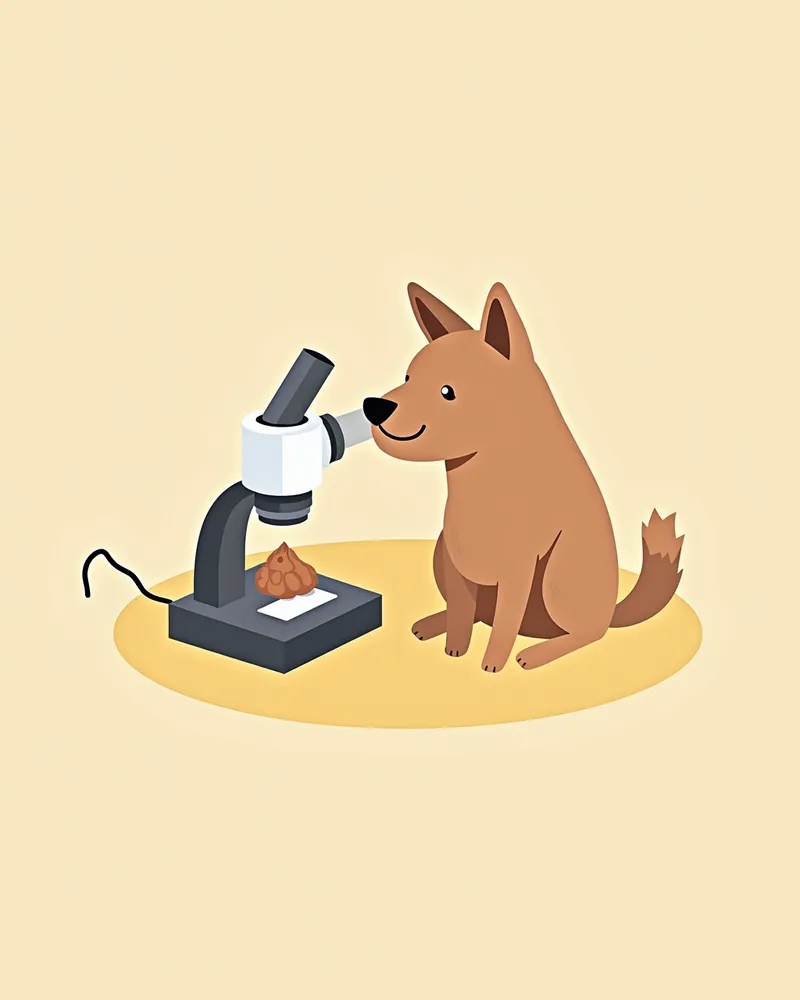
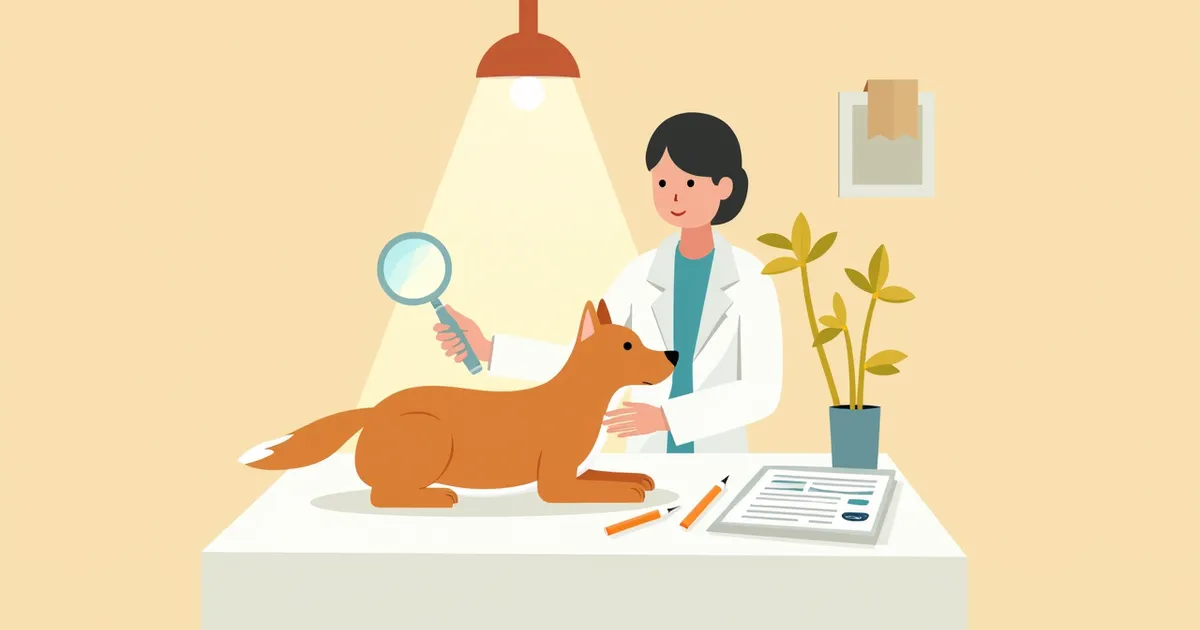
Giardia infection can be confirmed through a fecal exam. Your veterinarian will collect a fresh stool sample and directly examine it under a microscope for the parasite’s trophozoites or cysts, often combining this with fecal ELISA antigen tests or DNA testing to improve accuracy. Because cysts are shed intermittently and are small, they can be easily missed; therefore, if symptoms persist despite a negative result, repeat testing is necessary. In households with multiple dogs, testing all pets is recommended to prevent transmission.
A veterinarian examining a puppy’s stool sample under a microscope

Treatment involves medication and environmental decontamination

Giardia treatment begins with prescription medications from your veterinarian. - Metronidazole: A commonly used medication, typically administered consistently for 5 to 8 days. - Fenbendazole: An anthelmintic with effects similar to metronidazole, used either in combination with or alone, depending on the veterinarian’s assessment. - Management during medication: Immediately remove your dog’s feces, and disinfect food and water bowls, bedding, and play areas. - Hydration: Encourage frequent water intake to prevent dehydration caused by diarrhea. - Nutritional supplements: During recovery, provide easily digestible food alongside nutritional supplements. The goal of treatment is to stop diarrhea. Since parasites may not always be completely eliminated, a follow-up fecal examination is necessary after treatment. To prevent the spread of infection, isolation management is required.
A puppy taking medication under the guidance of a veterinarian.

Home management focuses on hygiene and dietary control

During the recovery phase from giardiasis, maintaining strict hygiene is crucial. Promptly remove your dog’s feces, and thoroughly disinfect play areas, food and water bowls, and bedding. Start with soft, easily digestible food, then gradually transition back to their regular diet. Encourage increased water intake to prevent dehydration, and provide a quiet, calm environment to minimize stress. It’s advisable to limit outdoor activities for one to two weeks after recovery. To prevent reinfection, consistently maintain good daily hygiene practices.
A hygienic living space for your dog

In multi-dog households, isolation management is necessary to prevent the spread of infection

If one dog is infected with Giardia, minimize contact with other dogs and manage the infected dog in a separate area. Always use separate bowls, water dishes, and bedding, and strictly follow basic hygiene practices such as handwashing and wearing gloves. If the infection spreads, it can affect the health of the entire household.

Reviewed by a veterinarian

Dr. Tony — Punnawat Phongkittirak

Dr. Tony — Punnawat Phongkittirak

Veterinarian

A veterinarian who majored in veterinary medicine at Khon Kaen University, Thailand, and completed the IVSA program at North Carolina State University in the United States. Drawing on clinical experience at animal hospitals, he works in the pet healthcare field and is dedicated to building a digital care environment that connects pet parents with veterinarians.

Frequently Asked Questions

Can giardia be transmitted to humans?
Giardia can be transmitted to humans in some cases. It poses a particular risk to children and individuals with weakened immune systems, so it is essential to wash your hands thoroughly and wear gloves when handling the feces of an infected puppy.
Can giardiasis recur after treatment?
Even after treatment, parasites may remain in the environment, so reinfection is possible. Therefore, it’s important to continue regular environmental disinfection and hygiene management after treatment, and a follow-up test is recommended 1–2 weeks later.
Your dog has giardiasis, but the diarrhea is still continuing?
If diarrhea persists after treatment, it may indicate an imbalance in the gut microbiome or another underlying cause. It’s a good idea to consult your veterinarian about using probiotics or a specialized diet.
How can I prevent giardiasis?
Prevent your pet from drinking contaminated water, and be sure to wipe their paws after playing in parks or near rivers. Regular fecal exams and good hygiene practices can help prevent infections.
Can giardia medication be administered at home?
Giardia medication requires a veterinary prescription. Self-prescribing or discontinuing the medication can lead to treatment failure or reinfection, so it is essential to follow your veterinarian's instructions carefully.

Comparison of symptoms and responses by stage of Giardia infection

ItemMain SymptomsManagementPrecautions
MildMild/intermittent diarrhea, steatorrheaEnhanced hygiene management, veterinary consultationContinued observation needed
ModeratePersistent diarrhea, weight lossVeterinary examination, start medicationIsolation needed in multi-dog households
SevereSevere dehydration, lethargy, severe weight lossImmediate hospital visit, fluid therapy requiredCaution to prevent spread of infection

If symptoms worsen, an immediate hospital visit is essential.

Share

Related Guides

References

[1] Plumb's Veterinary Drug Handbook, 9th Edition, 2022

[2] American Veterinary Medical Association. (2021). Giardia in Dogs: Diagnosis and Management. AVMA Guidelines.

[3] Gookin, J.L. et al. (2018). Canine Giardia: A Review of Pathogenesis, Diagnosis, and Treatment. Veterinary Parasitology, 255, 1–12.

This information is based on veterinary literature and does not replace diagnosis or treatment. Please consult a veterinarian for specific health concerns.

Metapet Co., Ltd. | CEO: Park Sung-yong | Business Reg. No. 417-88-02562 | Seoul, South Korea | Customer Center

Canine Giardiasis: Symptoms, Causes & Treatment | Meongsiljang