Like
Share
멍실장
강아지 간 질환과 응고 이상 증상과 원인, 진단·치료와 관리 포인트 총정리

If Your Dog Keeps Getting Bruises — Warning Signs and Diagnosis of Liver Disease and Coagulation Abnormalities

Liver HealthDiseasesMeongsiljang Veterinary Advisory Board

Canine liver disease is a condition in which reduced production of clotting factors due to impaired liver function increases the risk of bleeding. Early detection and proper management are essential.

What Are Liver Disease and Coagulation Abnormalities in Dogs?

A dog and its owner with the veterinarian
Liver disease and coagulation disorders in dogs occur when impaired liver function leads to a deficiency in the proteins needed for blood clotting, known as clotting factors. Since the liver is a key organ responsible for producing these factors, severe liver disease, chronic liver disease, or bile stasis can increase the risk of bleeding. However, coagulation patterns in liver disease are inconsistent; in advanced stages, a tendency toward thrombosis (hypercoagulability) may actually develop. Early symptoms are often subtle and easily overlooked by pet owners, but signs such as skin bruising, nosebleeds, and bloody stools may appear. Early detection and proper management are crucial, making regular check-ups and health monitoring essential. If you suspect impaired liver function, consult your veterinarian immediately.

What Are the Main Causes?

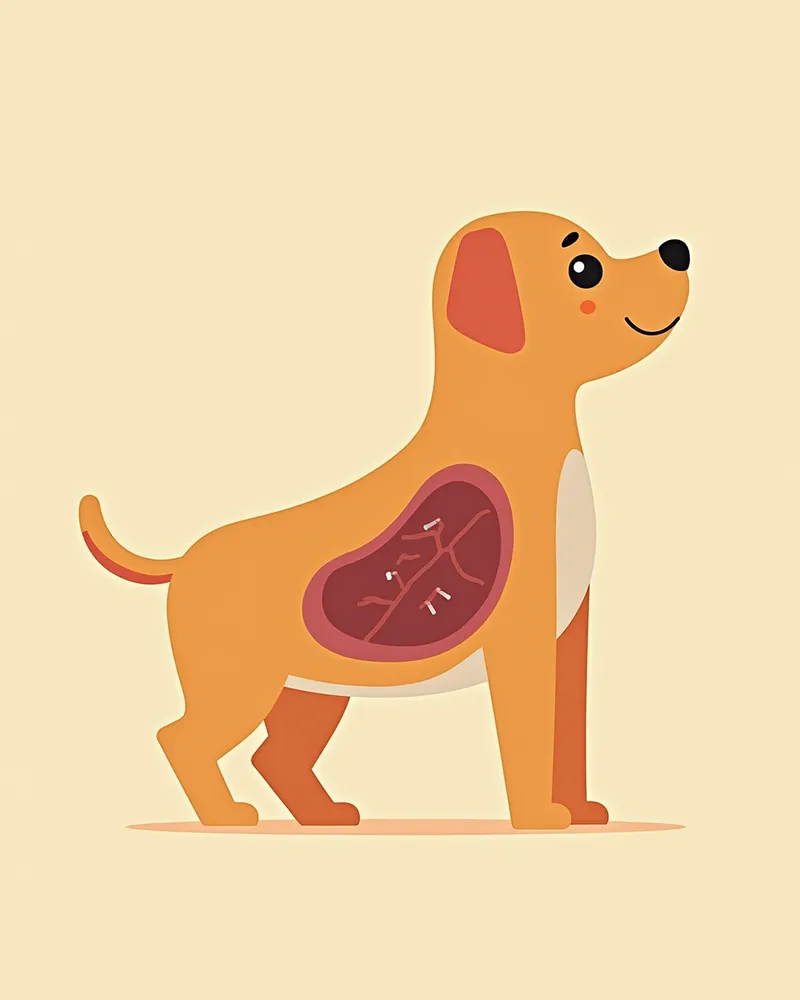
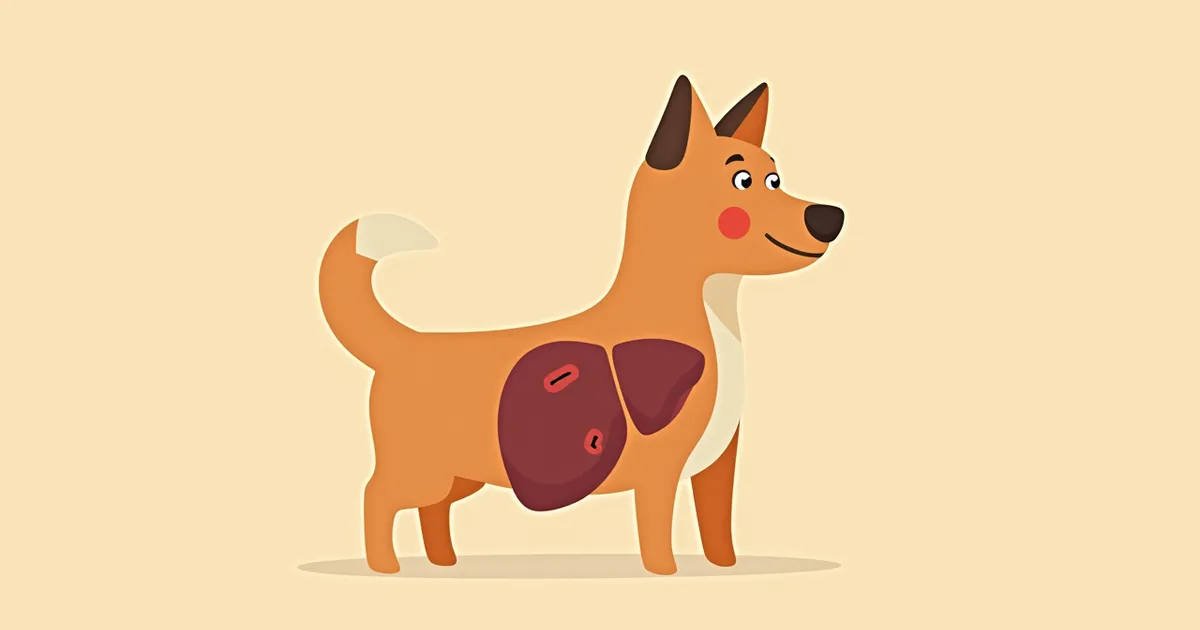
Liver damage is the primary cause of liver disease and coagulation disorders in dogs. Causes include chronic hepatitis, cirrhosis, drugs and toxins, infections, and immune-mediated diseases, with genetic predispositions such as copper accumulation also playing a role. Breeds prone to liver disease include Scottish Terriers (breed-specific vacuolar hepatopathy), Bedlington Terriers, Labradors, and Dobermans (copper accumulation), as well as Cocker Spaniels. Glucocorticoids (steroids) can cause steroid-induced hepatopathy when used in high doses; rather than causing bleeding by inhibiting coagulation factor production, they are more closely associated with a tendency toward thrombosis (hypercoagulability). Conversely, severe hepatocyte damage or chronic liver disease accompanied by cholestasis can reduce the synthesis of coagulation factors, leading to easy bleeding. Early identification of the underlying cause is key to treatment.
Anatomical illustration of a damaged dog liver

What Are the Main Symptoms and Signs?

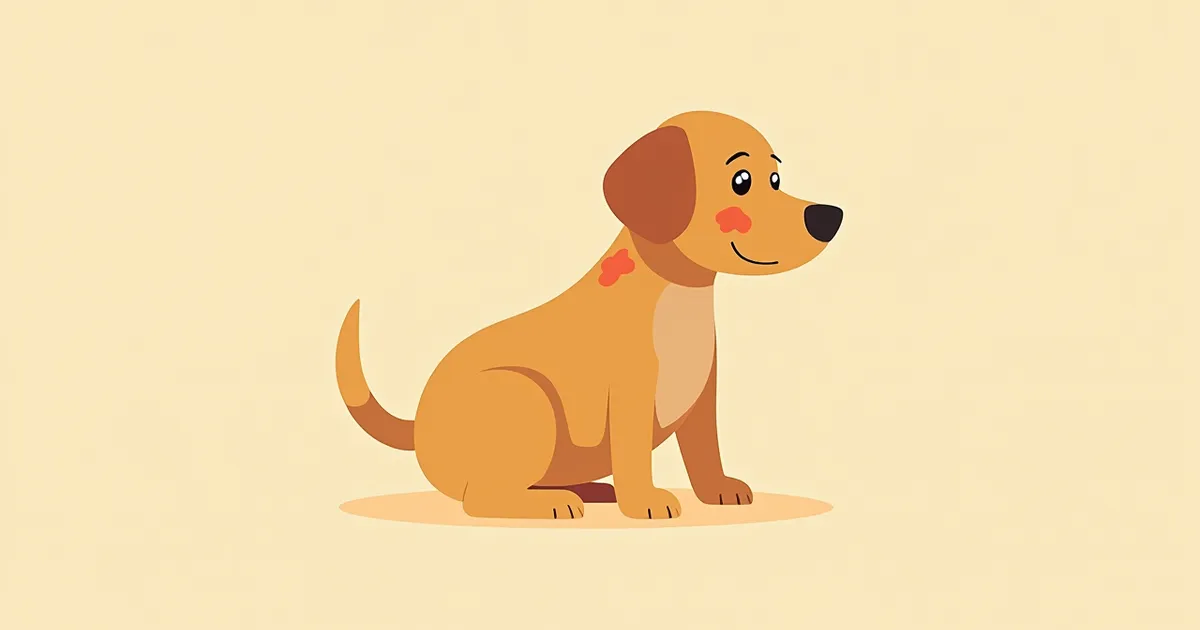
The primary signs of liver disease and coagulation disorders in dogs are bleeding-related symptoms. You may notice frequent bruising on the skin, nosebleeds, blood in the stool, or blood mixed in vomit. Other common symptoms include lethargy, loss of appetite, weight loss, and jaundice (yellowing of the eyes and lips). If toxins accumulate due to impaired liver function, changes in mental status or seizures may also occur. Early detection is crucial for all of these symptoms.
A puppy with skin bruising and pale lips

Emergency Signs Requiring Immediate Veterinary Visit

If your dog suddenly collapses, experiences severe bleeding (such as vomiting blood, bloody stools, or persistent nosebleeds), has seizures, or shows decreased consciousness, you should take them to the vet immediately. These symptoms may indicate severe liver damage or a serious clotting disorder. Without emergency treatment, your dog's life could be at risk.

How Is It Diagnosed?
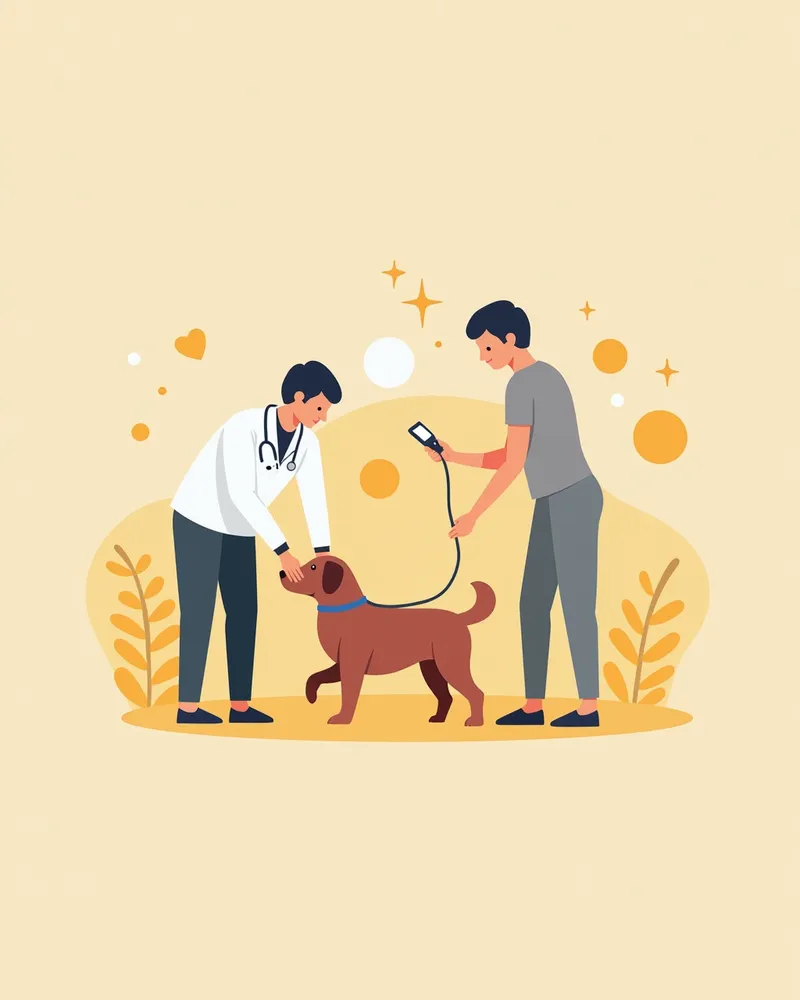
Canine liver disease and coagulation abnormalities are diagnosed through blood tests. Characteristic findings include elevated liver enzyme levels, such as ALT, ALP, and AST, along with prolonged coagulation times (PT and aPTT). Structural changes in the liver can also be confirmed via ultrasound or biopsy. Veterinary clinics combine blood tests and imaging studies to reach an accurate diagnosis. Early and precise diagnosis facilitates the development of an effective treatment plan.
A veterinarian drawing blood from a puppy

Treatment Methods and Step-by-Step Management
Treatment is tailored to the underlying cause. Any medications that may have caused liver damage are stopped immediately, and supportive liver therapies—such as antioxidants like SAMe and vitamin E—are used while managing the primary disease. If there’s a high risk of bleeding due to a deficiency in clotting factors, fresh frozen plasma transfusions are given to replenish them, and vitamin K is supplemented if a deficiency is suspected due to cholestasis. Nutritional management is also crucial. Adequate protein is provided to maintain muscle mass and albumin levels, with diet and supplements adjusted under veterinary guidance. Treatment requires long-term, consistent care, and regular blood tests are conducted to monitor liver enzymes and coagulation status. Early intervention significantly aids recovery.
Puppies on special diets

Management Points at Home

Managing liver disease and coagulation disorders in dogs at home is crucial. Administer medications exactly as directed by your veterinarian; never stop them abruptly or adjust the dosage on your own. Feed a specialized diet designed to minimize stress on the liver, and avoid sudden changes in their food. Keep activity levels moderate and minimize stress. Regular check-ups are essential to continuously monitor liver function and coagulation markers. The key is to respond promptly to any changes in your dog’s health.
Stabilized dogs and specialized diet food

Breed-Specific Precautions and Prevention of Recurrence

Scottish Terriers, Labrador Retrievers, Bedlington Terriers, and Doberman Pinschers are breeds particularly susceptible to liver disease. Scottish Terriers, in particular, are prone to a breed-specific condition called vacuolar hepatopathy, which is a progressive degenerative process that can be associated with the development of hepatocellular carcinoma. Labradors, Bedlington Terriers, and Doberman Pinschers are linked to copper-associated liver disease. Regular health screenings are essential, and caution is advised when administering medications. To prevent recurrence, medications should be used judiciously, and nutritional status must be consistently managed.

Reviewed by a veterinarian

Dr. Tony — Punnawat Phongkittirak

Dr. Tony — Punnawat Phongkittirak

Veterinarian

A veterinarian who majored in veterinary medicine at Khon Kaen University, Thailand, and completed the IVSA program at North Carolina State University in the United States. Drawing on clinical experience at animal hospitals, he works in the pet healthcare field and is dedicated to building a digital care environment that connects pet parents with veterinarians.

Frequently Asked Questions

Can frequent bruising in dogs indicate a liver problem?
Yes, if your pet frequently develops skin bruises or bleeds easily, it could be due to a clotting disorder caused by impaired liver function. It's best to have them examined right away.
Can liver disease be treated?
Treatment is possible depending on the cause. Condition can be improved through medication cessation, dietary management, plasma transfusions, and other interventions, with early management being crucial.
Why is a special diet necessary?
A diet that reduces the burden on the liver while providing adequate protein supports liver function recovery and helps maintain muscle mass and albumin levels. However, there is no clear evidence that specific commercial diets directly increase the synthesis of clotting factors, so it is best to use a diet recommended by your veterinarian.
How long should my pet take the medication?
Please administer the medication consistently as directed by your veterinarian. Stopping it abruptly can cause your pet’s condition to worsen. Your vet will determine whether to continue the treatment during regular check-ups.
What emergency measures should be taken if a coagulation disorder occurs?
If the bleeding is severe or your pet becomes disoriented, seek veterinary care immediately. They may require a plasma transfusion or clotting factor supplementation.

Share

Related Guides

References

[1] Notes on Canine Internal Medicine, 4th Ed. (2020). Chapter on Hepatic Disease and Coagulopathy.

[2] Fundamentals of Veterinary Clinical Pathology, 3rd Edition. (2018). Liver Enzymes and Coagulation Disorders in Dogs.

[3] BSAVA Manual of Canine and Feline Dermatology, 4th Ed. (2021). Drug-Induced Hepatotoxicity and Coagulopathy.

This information is based on veterinary literature and does not replace diagnosis or treatment. Please consult a veterinarian for specific health concerns.

Metapet Co., Ltd. | CEO: Park Sung-yong | Business Reg. No. 417-88-02562 | Seoul, South Korea | Customer Center

Dog Liver Disease & Bruising: Clotting Warning Signs & Diagnosis | Meongsiljang