Like
Share
멍실장
강아지 배뇨곤란 원인과 단계별 대처법, 병원 가야 할 신호 총정리

Dog Straining to Urinate: Causes, Step-by-Step Management, and Signs You Need to See a Vet

UrinarySymptomsMeongsiljang Veterinary Advisory Board

If your dog is straining to urinate but little or no urine comes out, suspect difficulty urinating. Here’s a veterinary-backed guide to assessing urgency based on the cause and step-by-step management strategies.

What Is Difficulty Urinating in Dogs? Assessing Urgency
A dog that repeatedly strains when trying to urinate
Difficulty urinating in dogs, known as stranguria, occurs when your dog strains to urinate but passes little or no urine. The most critical factor is whether any urine is coming out at all. If even a small amount is being passed, you should visit a veterinary clinic as soon as possible. If no urine is being passed at all, immediate emergency care is required. A complete urethral obstruction prevents urination entirely, and if not relieved promptly, it can cause severe pain and life-threatening complications such as acute kidney injury (azotemia). Male dogs are at higher risk because their urethra is narrower and longer, allowing obstructions to worsen rapidly, so they require especially close monitoring.

3 Levels of Urgency for Difficulty Urinating — Check Which Stage Your Pet Is In

Use the table below to quickly assess the urgency of your pet’s condition.
LevelConditionAction
🟡 MildUrine is being passed, but straining has increasedVisit a veterinary clinic within 24 hours
🟠 ModerateUrine is dripping or blood is present in the urineVisit a veterinary clinic within a few hours
🔴 SevereNo urine is being passed at allSeek emergency veterinary care immediately
In severe cases, the urethra may be completely blocked, preventing any urine output. If not relieved promptly, this can cause intense pain and become life-threatening. If your pet has ever been unable to urinate at all, do not wait—seek veterinary care immediately.

Checklist of Difficulty Urinating Symptoms You Must Not Miss
Repeated straining: Your pet keeps assuming a urination posture but nothing comes out.
Hematuria: The urine appears red or pink.
Signs of pain during urination: Your pet whines or cries while trying to urinate.
Pollakiuria (frequent urination): Your pet assumes a urination posture much more often than usual.
Abdominal distension and rigidity: The abdomen is swollen and firm.
Lethargy and decreased appetite: Your pet lacks energy and refuses food.
If three or more of these signs are present, or if the abdomen is hard and distended, immediate emergency care is required.
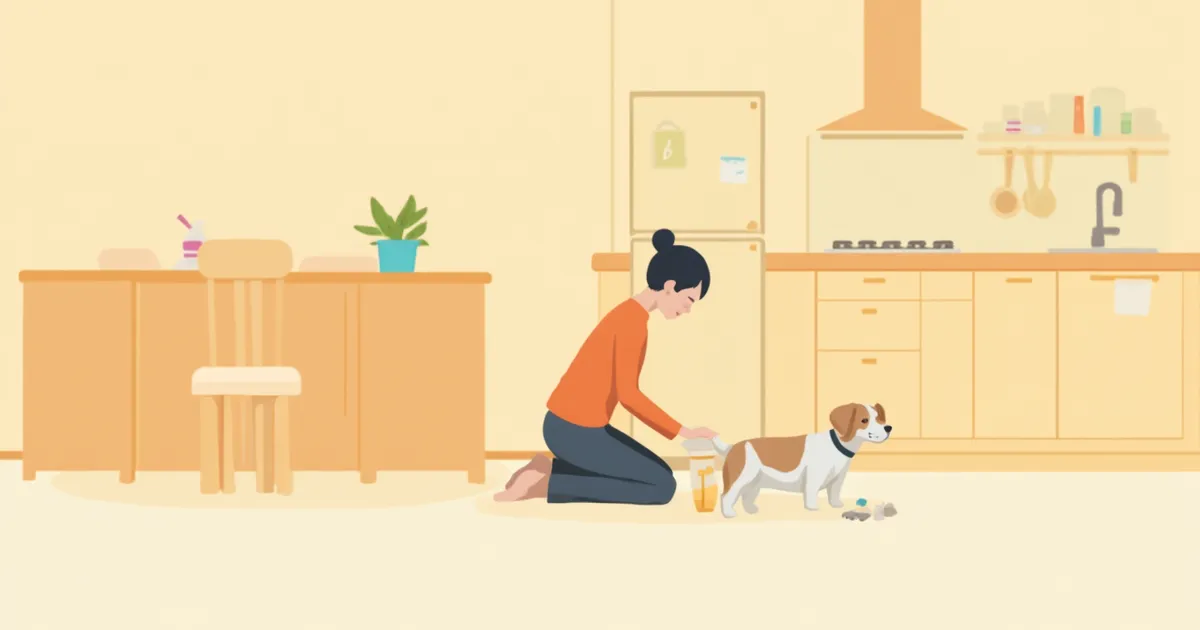
A lethargic puppy lying down due to difficulty urinating

Signs You Need to Go to an Emergency Veterinary Clinic Immediately

Seek emergency veterinary care immediately if you notice any of the following signs: • No urine output at all • A belly that is hard and distended like a balloon • Severe pain causing the pet to curl up or remain immobile • Vomiting, lethargy, and collapse occurring together Complete urethral obstruction is a life-threatening emergency that prevents any urine from passing. Without prompt treatment, it causes severe pain and can be fatal. Immediate emergency intervention, such as catheterization to relieve the blockage, is required. Do not delay; take your pet to the hospital right away.

5 Main Causes of Difficulty Urinating in Dogs
Urinary tract stones (bladder and urethral stones): The most common cause of urinary blockage, these form when minerals harden in the urinary tract. Struvite and calcium oxalate stones are the most frequent types. Bacterial cystitis: Bacteria cause inflammation of the bladder lining, leading to painful urination and frequent urination. Prostatic hyperplasia: In intact male dogs, an enlarged prostate can press against the urethra and obstruct urine flow. Tumors: Growths in the bladder or urethra can narrow the urinary passage. Neurogenic bladder: Spinal conditions or nerve damage can disrupt the body’s natural reflexes for urination.
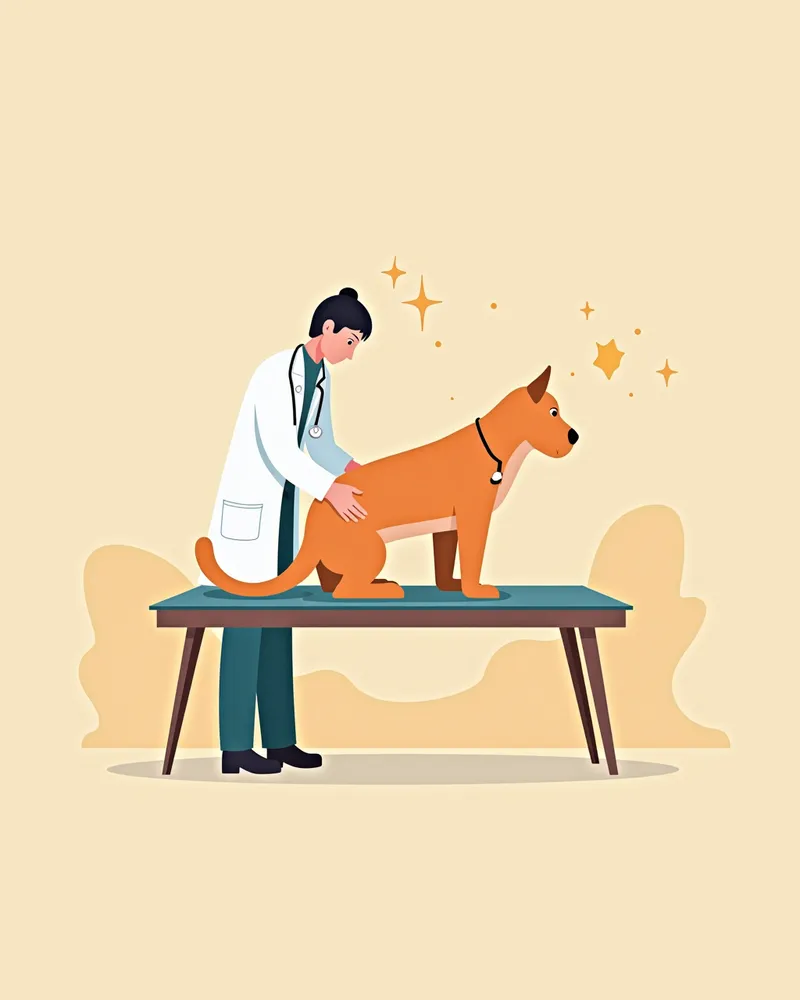
A veterinarian palpating a puppy’s abdomen to make a diagnosis

Diagnostic Process at the Veterinary Clinic

When a pet comes to the clinic with difficulty urinating, the veterinarian will systematically narrow down the cause. 1. - Physical examination and abdominal palpation: To check how full the bladder is and whether there is any pain response. 2. - Urinalysis (urine test and culture): To analyze for blood, bacteria, and crystals, helping to determine if there is an infection or stones. 3. - Radiography and ultrasound: To visually assess the location and size of stones, as well as the thickness of the bladder wall. 4. - Blood tests: To check kidney values (BUN and creatinine) and determine if acute kidney failure is present. Depending on the results, immediate treatment may involve catheterization to drain the urine.

Treatment Methods by Cause

Urethral obstruction emergency care: A catheter is inserted to immediately drain the blocked urine. Hospitalization is often required.
Urinary tract stones: Treatment options include prescription diets (dietary dissolution therapy) or surgical/endoscopic removal, depending on the type of stone. Struvite stones can often be dissolved with diet, but calcium oxalate stones do not dissolve and must be removed via surgery, urethral hydropropulsion, stone basket extraction, or lithotripsy.
Bacterial cystitis: Antibiotics are administered based on culture test results. Your veterinarian will determine the dosing plan according to your pet’s weight and condition.
Prostatic hyperplasia: This is common in intact males, and neutering is the definitive treatment. The prostate gradually shrinks after neutering.
Neurogenic bladder: Treatment involves managing the underlying spinal disease alongside catheter care or bladder voiding training.

Essential Post-Treatment Care Guidelines

Difficulty urinating has a high recurrence rate. In particular, with urinary stones, the same type of stone can form again. • Do not change the prescription diet on your own until your veterinarian instructs you to stop. • If your pet does not urinate within 24 hours after discharge, contact the clinic immediately. • Male dogs are at risk of recurrent urethral obstruction, so regular urinalysis is necessary.

Prevention and Daily Management at Home
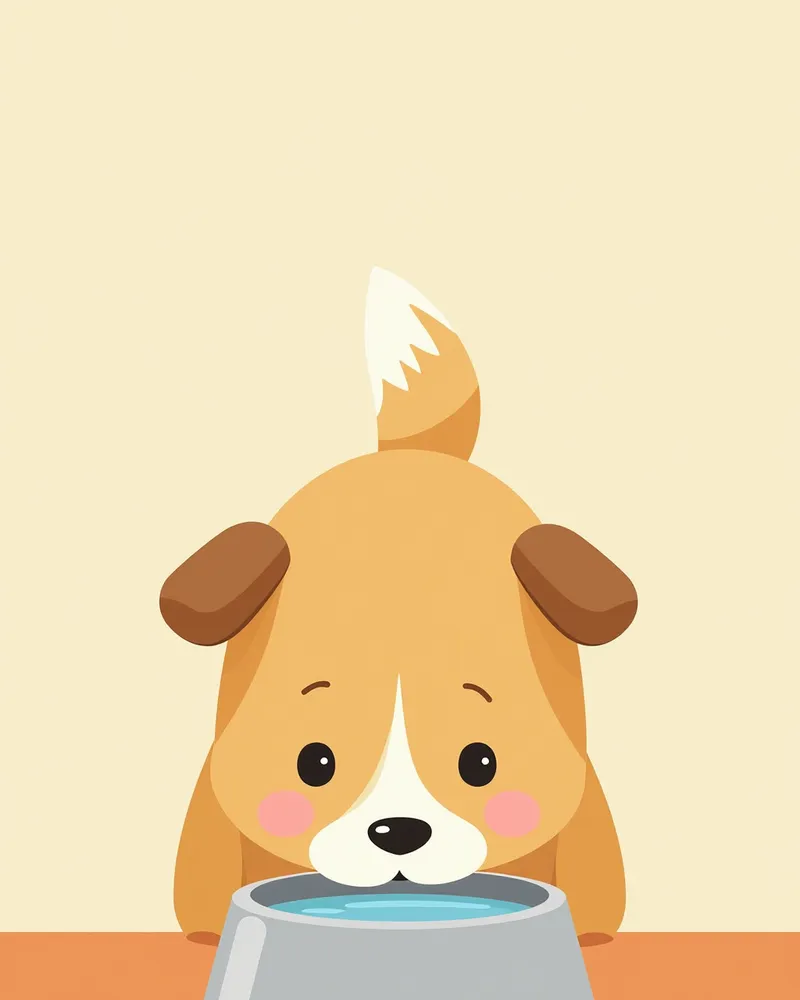
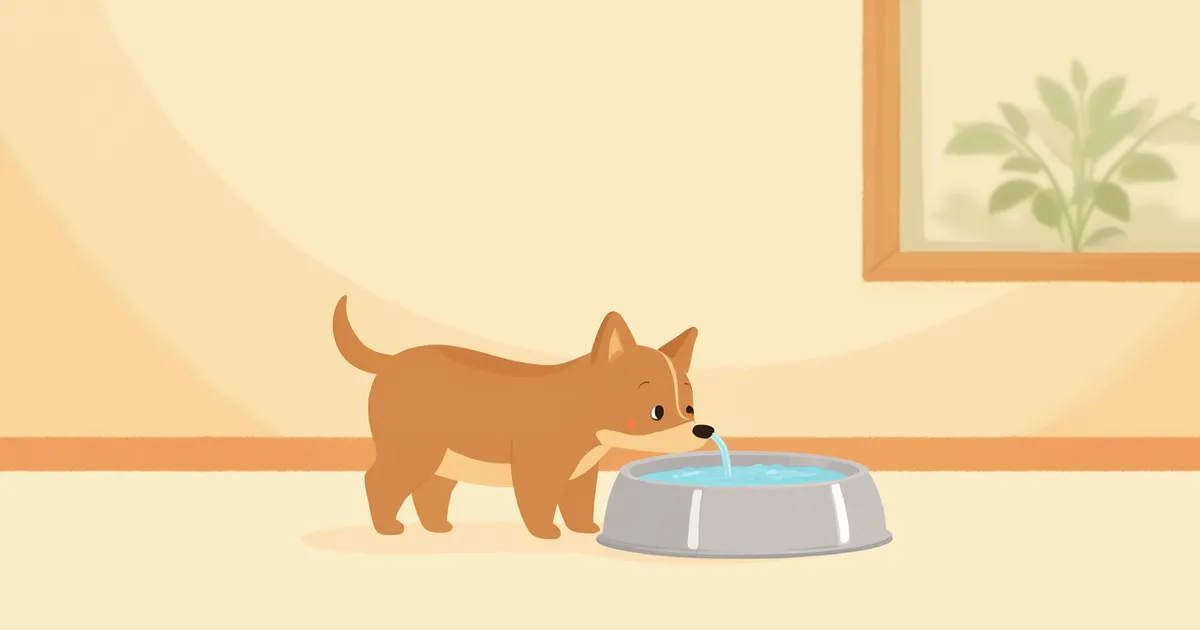
Encourage adequate water intake: The key to preventing urinary stones is ensuring your pet drinks enough water to keep their urine dilute. This is especially important for preventing calcium oxalate stones. You can naturally increase water consumption by placing multiple water bowls around the house, using a flowing water fountain, or incorporating canned (wet) food into their diet.
Monitor urination habits: Familiarize yourself with your pet’s normal urination frequency and urine color so you can quickly detect abnormalities such as blood in the urine or difficulty urinating.
Consider neutering: If your male pet is intact, consult your veterinarian about neutering to help prevent prostate disease.
Regular urinalysis: For pets with a history of urinary stones, it is effective to monitor for recurrence with urinalysis and abdominal X-rays every 4 to 6 months.
A healthy puppy that drinks plenty of water

Reviewed by a veterinarian

Dr. Tony — Punnawat Phongkittirak

Dr. Tony — Punnawat Phongkittirak

Veterinarian

A veterinarian who majored in veterinary medicine at Khon Kaen University, Thailand, and completed the IVSA program at North Carolina State University in the United States. Drawing on clinical experience at animal hospitals, he works in the pet healthcare field and is dedicated to building a digital care environment that connects pet parents with veterinarians.

Frequently Asked Questions

My dog keeps assuming the urination posture but nothing comes out. Should I go to the vet right away?
Yes, it’s best to go to the vet as soon as possible. Repeatedly assuming a urination posture without actually passing urine is a classic sign of urethral obstruction. This can worsen quickly, especially in male dogs, so same-day veterinary care is strongly recommended.
My dog’s urine has blood in it. Could this be related to difficulty urinating?
Hematuria, or blood in the urine, is a common accompanying symptom of underlying conditions that cause difficulty urinating, such as cystitis, urinary tract stones, and tumors. If you notice blood in your pet’s urine even once, it’s a good idea to have a urinalysis performed.
Does a urinary tract stone always require surgery?
The treatment approach depends on the type of stone. Struvite stones can often be dissolved with prescription diet. However, calcium oxalate stones cannot be dissolved through dietary management and typically require surgical or endoscopic removal. Your veterinarian will determine the best course of action based on imaging and urinalysis results.
Can female puppies also experience difficulty urinating?
Yes, it can happen. Female cats have a shorter and wider urethra, so urethral obstruction is rare, but bacterial cystitis is actually more common. In females too, frequent urination or blood in the urine warrants testing for cystitis and bladder stones.
How can I prevent a recurrence after treatment for difficulty urinating?
Prevention depends on the underlying cause. If bladder stones are the culprit, a prescription diet and plenty of fresh water are key. For cystitis, it’s essential to complete the full course of antibiotic treatment and follow up with urine testing. If a prostate condition is the issue, consider neutering.

Share

Related Guides

References

[1] Ettinger SJ, Feldman EC, Côté E. Textbook of Veterinary Internal Medicine: Diseases of the Dog and the Cat, 8th ed. Elsevier, 2017.

[2] Westropp JL, Delgado M, Buffington CA. Chronic lower urinary tract signs in cats and dogs: current understanding of pathophysiology and management. Vet Clin North Am Small Anim Pract, 2011.

[3] Krawiec DR. Canine prostate disease. J Am Vet Med Assoc, 204(10):1561–4, 1994.

[4] Côté E. Clinical Veterinary Advisor: Dogs and Cats, 3rd ed. Elsevier Mosby, 2015.

This information is based on veterinary literature and does not replace diagnosis or treatment. Please consult a veterinarian for specific health concerns.

Metapet Co., Ltd. | CEO: Park Sung-yong | Business Reg. No. 417-88-02562 | Seoul, South Korea | Customer Center

Dog Straining to Urinate: Causes, Management & Vet Signs | Meongsiljang